Get started

Topic

The best 31 Psychological Theories summaries

Psychological theories offer frameworks for understanding how the mind works, why we feel and act as we do, and how thought, emotion and the brain shape our daily choices, which matters to readers in the region who are balancing family, work and fast social change. The books here range from classic ideas on personality and the unconscious to modern neuroscience, debates on consciousness, and practical approaches to mood, trauma and emotional intelligence. Readers can use these ideas to understand themselves and others more clearly, make wiser decisions, support children and teenagers, and handle difficult emotions with greater balance.

1Consciousness Explained

Consciousness Explained

Daniel C. Dennett

Rethink consciousness as the product of parallel brain processes, not a mysterious inner observer controlling the mind.

16 min

Listen to the intro

1:21

What is Consciousness Explained about?

Consciousness Explained (1991) offers a bold scientific theory of how consciousness arises from the activity of the brain. Daniel C. Dennett rejects the idea of a single place in the mind where experience comes together, which he calls the Cartesian theatre, and proposes instead his multiple drafts model. Drawing on neuroscience, psychology, and philosophy, the book challenges common intuitions about the self and subjective experience.

Who should read Consciousness Explained?

  • Students of philosophy exploring the nature of the mind
  • Anyone curious how the brain produces conscious experience
  • Readers who enjoy challenging debates about the self
2Parenting from the Inside Out

Parenting from the Inside Out

Daniel Siegel and Mary Hartzell

Understand how your childhood shapes the way you parent, and develop the self-awareness and emotional insight needed to respond with empathy rather than instinctive reactions.

15 min

Listen to the intro

1:43

What is Parenting from the Inside Out about?

Parenting from the Inside Out (2003) explains how parents’ own childhood experiences shape the way they raise their children. Daniel Siegel and Mary Hartzell combine findings from neuroscience and attachment research with practical exercises that help parents make sense of their life stories, understand their emotional reactions, and build secure, connected relationships with their children.

Who should read Parenting from the Inside Out?

  • Parents who react to their children in ways they regret
  • Anyone wanting to understand how their upbringing shapes their parenting
  • Parents seeking a calmer, closer bond with their children
3Blink

Blink

Malcolm Gladwell

Understand the power and pitfalls of intuition to sharpen quick judgements and make smarter split-second decisions.

19 min

Listen to the intro

1:09

What is Blink about?

Blink (2005) explores the power of the quick judgements we make in the first moments of seeing something or meeting someone. Malcolm Gladwell shows that these rapid decisions, which he calls thin-slicing, can sometimes be more accurate than long analysis, but can also be distorted by bias and stress. The book explains when to trust our instincts and how to improve them.

Who should read Blink?

  • Professionals who make fast decisions under pressure
  • Managers who interview, hire or assess people quickly
  • Anyone curious about when to trust their gut
4Psychological Types

Psychological Types

Carl Jung

Understand how different personality types shape perception and decisions through ideas that transformed modern psychology and self-awareness.

17 min

Listen to the intro

1:47

What is Psychological Types about?

Psychological Types (1921) presents Carl Jung’s theory of personality based on two basic attitudes, introversion and extraversion, and four psychological functions: thinking, feeling, sensation, and intuition. Jung explains how these combine to shape the way people perceive the world and make judgements, and traces the idea of types through history, literature, and philosophy. The book later inspired widely used personality tools such as the Myers-Briggs Type Indicator.

Who should read Psychological Types?

  • Anyone curious about introversion, extraversion and their own personality
  • Managers and coaches who want to understand different temperaments
  • Psychology students exploring the roots of Myers-Briggs typing
5The Teenage Brain

The Teenage Brain

Frances E. Jensen & Amy Ellis Nutt

Understand the developing teenage brain and support impulsive, emotional adolescents with greater insight, confidence, and connection.

14 min

Listen to the intro

1:41

What is The Teenage Brain about?

The Teenage Brain (2015) explains what science has discovered about the developing brains of teenagers and young adults. Frances E. Jensen & Amy Ellis Nutt show why teens can be highly capable learners yet also impulsive and emotional, and how sleep, stress, technology, and risky behaviours affect the growing brain. The book gives parents and teachers practical guidance for supporting young people through these years.

Who should read The Teenage Brain?

  • Parents raising teenagers who seem impulsive or moody
  • Teachers and school counselors working with adolescents
  • Anyone curious how sleep and technology shape teens
6The Tale of the Dueling Neurosurgeons

The Tale of the Dueling Neurosurgeons

Sam Kean

Journey through the discoveries and extraordinary medical cases that revealed how the brain is structured and how it works.

18 min

Listen to the intro

1:00

What is The Tale of the Dueling Neurosurgeons about?

The Tale of the Dueling Neurosurgeons (2014) tells the history of brain science through the remarkable stories of people whose injuries and illnesses revealed how the brain works. Sam Kean begins with a famous jousting accident in sixteenth-century France that brought two rival surgeons to the king’s bedside, and moves through cases of lost memory, changed personality, and strange perceptions. The book makes neuroscience vivid and easy to follow.

Who should read The Tale of the Dueling Neurosurgeons?

  • Anyone curious about how the human brain works
  • Students considering a career in medicine or neuroscience
  • Readers who enjoy true stories from medical history
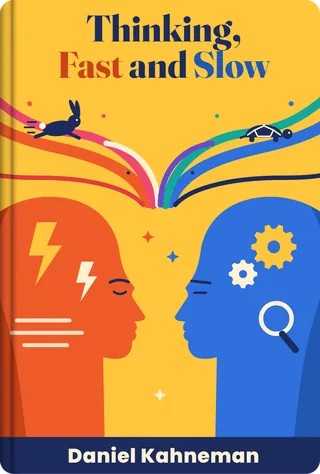
7Thinking, Fast and Slow

Thinking, Fast and Slow

Daniel Kahneman

Discover the two systems that drive your thinking, and learn when to trust your gut.

15 min

What is Thinking, Fast and Slow about?

Thinking, Fast and Slow (2011) explains how two systems shape every judgement we make: a fast, intuitive System 1 and a slow, deliberate System 2. Drawing on decades of research with Amos Tversky, Daniel Kahneman reveals the mental shortcuts and biases behind everyday mistakes, from anchoring and overconfidence to loss aversion, and shows how to recognise the moments when slowing down leads to better decisions.

Who should read Thinking, Fast and Slow?

  • Managers who make high-stakes decisions under pressure
  • Investors who want to avoid costly mental traps
  • Anyone curious why smart people still make mistakes
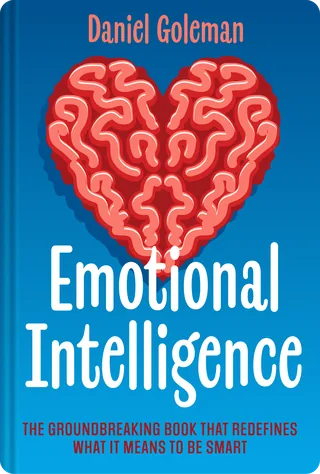
8Emotional Intelligence

Emotional Intelligence

Daniel Goleman

Master the five elements of emotional intelligence to manage yourself, strengthen relationships, lead effectively, and achieve greater success.

19 min

Listen to the intro

1:46

What is Emotional Intelligence about?

Emotional Intelligence (1995) argues that the ability to understand and manage emotions can matter as much as, or more than, traditional intelligence for success in life. Daniel Goleman explains the five elements of emotional intelligence: self-awareness, self-regulation, motivation, empathy, and social skills. He shows how these skills affect work, relationships, health, and learning, and how they can be developed at any age.

Who should read Emotional Intelligence?

  • Managers who want to lead with empathy and composure
  • Anyone who struggles to control anger or stress
  • Parents and teachers raising emotionally healthy young people
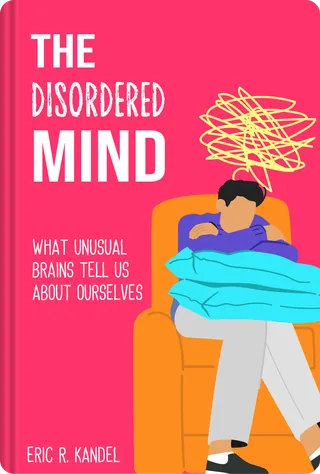
9The Disordered Mind

The Disordered Mind

Eric Kandel

See mental illness through modern neuroscience and understand how brain biology can lead to better treatment and deeper compassion.

17 min

Listen to the intro

1:11

What is The Disordered Mind about?

The Disordered Mind (2018) explains what disorders of the brain can teach us about how the normal mind works. Eric Kandel explores autism, depression, bipolar disorder, schizophrenia, Alzheimer’s disease, Parkinson’s disease, addiction, and other conditions through the lens of modern neuroscience and genetics. The book shows how understanding the biology of mental illness can reduce stigma and lead to better treatments.

Who should read The Disordered Mind?

  • Anyone curious about how the brain shapes the mind
  • Families supporting a loved one with mental illness
  • Students and professionals in psychology, medicine or neuroscience
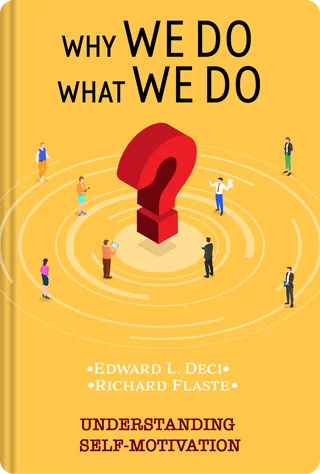
10Why We Do What We Do

Why We Do What We Do

Edward L. Deci, Richard Flaste

Unlock lasting motivation through autonomy, competence, and connection, not pressure or rewards.

16 min

Listen to the intro

1:15

What is Why We Do What We Do about?

Why We Do What We Do (1995) explains why rewards, pressure, and control often weaken motivation instead of strengthening it. Edward L. Deci draws on decades of research to show that people thrive when they feel autonomous, competent, and connected to others. Written with journalist Richard Flaste, the book offers practical lessons for parents, teachers, managers, and anyone who wants to build lasting motivation in themselves and others.

Who should read Why We Do What We Do?

  • Parents who want motivated children without rewards or pressure
  • Teachers and managers seeking to inspire genuine engagement
  • Anyone struggling to sustain their own motivation over time
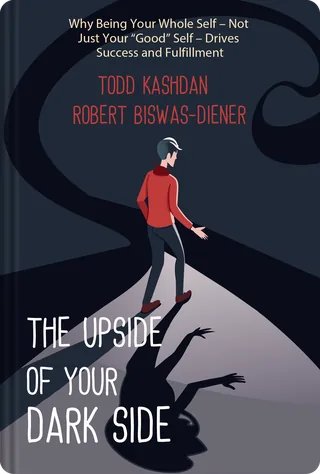
11The Upside of Your Dark Side

The Upside of Your Dark Side

Todd Kashdan and Robert Biswas-Diener

Harness difficult emotions like anger and anxiety to build resilience, strengthen emotional agility, and create a more balanced life.

21 min

Listen to the intro

1:07

What is The Upside of Your Dark Side about?

The Upside of Your Dark Side (2014) challenges the idea that happiness comes from feeling positive all the time. Todd Kashdan and Robert Biswas-Diener show how emotions often seen as negative, such as anger, guilt, anxiety, and sadness, can be useful when understood and managed well. They argue that psychologically healthy people use their full range of emotions to succeed.

Who should read The Upside of Your Dark Side?

  • Anyone tired of pressure to always feel positive
  • Professionals who want to use anger and anxiety constructively
  • Readers curious about emotional resilience and psychological health
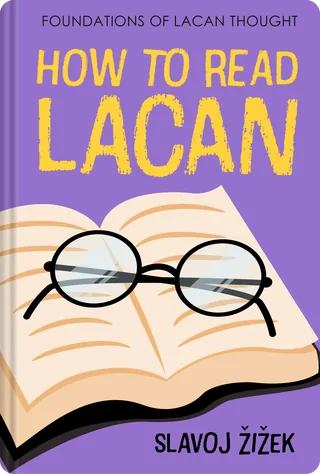
12How to Read Lacan

How to Read Lacan

Slavoj Žižek

Decode Lacan’s ideas on desire, identity, and reality to understand how language and symbols shape the mind and society.

13 min

Listen to the intro

1:51

What is How to Read Lacan about?

How to Read Lacan (2006) is a short introduction to the ideas of Jacques Lacan, the influential French psychoanalyst. Slavoj Žižek explains difficult concepts such as the symbolic order, the unconscious, and the role of language in shaping identity, using examples from films, jokes, and everyday life. The book shows how Lacan’s thought can help readers understand culture, politics, and human behaviour.

Who should read How to Read Lacan?

  • Students of philosophy or psychology new to Lacan
  • Readers curious how language shapes identity and society
  • Anyone who analyzes films, culture or politics critically
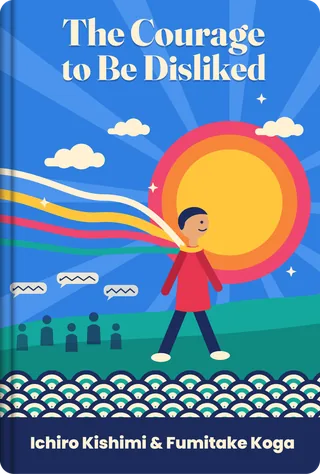
13The Courage to Be Disliked

The Courage to Be Disliked

Ichiro Kishimi and Fumitake Koga

Discover why your past does not decide your future, and find the courage to live your own life.

15 min

What is The Courage to Be Disliked about?

The Courage to Be Disliked (2013) is a Japanese bestseller built on the ideas of the psychologist Alfred Adler. Written as a dialogue over five nights between a philosopher and a troubled young man, it explains why our past does not decide our future, why every problem is a relationship problem, and how separating our tasks from other people's sets us free. It has sold millions of copies around the world.

Who should read The Courage to Be Disliked?

  • People who feel held back by their past
  • Anyone tired of living to please others
  • Readers curious about Alfred Adler's psychology
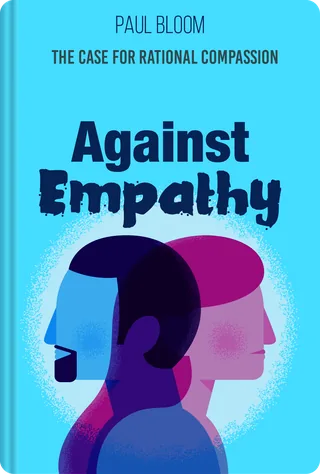
14Against Empathy

Against Empathy

Paul Bloom

Rethink empathy and discover how rational compassion can reduce bias, improve judgement, and lead to fairer moral choices.

15 min

Listen to the intro

2:22

What is Against Empathy about?

Against Empathy (2016) challenges the popular belief that empathy, feeling what others feel, is always a force for good. Paul Bloom argues that empathy works like a spotlight: it focuses on individuals we can see and identify with, and can make us biased and short-sighted. He makes the case for rational compassion, which combines genuine care for others with clear thinking about how to help them best.

Who should read Against Empathy?

  • Donors who want their giving to do the most good
  • Leaders making fair decisions that affect many people
  • Anyone curious about the psychology behind moral judgment
15Bad Therapy

Bad Therapy

Abigail Shrier

Question overdiagnosis and modern therapy trends while exploring how resilience, independence, and practical coping skills can better support young people.

11 min

Listen to the intro

1:21

What is Bad Therapy about?

Bad Therapy (2024) questions whether the rapid growth of mental health interventions is helping young people. Journalist Abigail Shrier argues that frequent diagnoses, a constant focus on feelings, and overly protective parenting may leave some children more anxious and less independent. She encourages parents to restore their authority, allow children to face manageable challenges, and build resilience.

Who should read Bad Therapy?

  • Parents worried their children are growing anxious or fragile
  • Educators questioning the rise of therapy in schools
  • Anyone wanting to raise more resilient, independent young people
16Descartes’ Error

Descartes’ Error

Antonio Damasio

Rethink intelligence by seeing how emotion and reason work together to shape sound decisions and human thought.

19 min

Listen to the intro

0:59

What is Descartes’ Error about?

Descartes’ Error (1994) challenges the old idea that reason works best when it is separated from emotion. Antonio Damasio draws on cases such as Phineas Gage and patients with damage to the frontal lobes to show that people who lose access to their feelings also lose the ability to make sound decisions. The book introduces his somatic marker hypothesis and argues that body, emotion, and reason work together to guide human behaviour.

Who should read Descartes’ Error?

  • Readers curious about how the brain shapes decisions
  • Professionals who believe emotions cloud good judgment
  • Students of psychology, neuroscience or philosophy of mind
17You Are Your Best Thing

You Are Your Best Thing

Tarana Burke and Brené Brown

Hear powerful Black voices confront shame, identity, and vulnerability while reclaiming resilience, joy, connection, and self-worth.

19 min

Listen to the intro

1:37

What is You Are Your Best Thing about?

You Are Your Best Thing (2021) is a collection of essays by Black writers, artists, and activists reflecting on vulnerability, shame, resilience, and belonging. Edited by Tarana Burke and Brené Brown, the book explores how people can heal, reclaim their worth, and build connection in the face of hardship and injustice. The contributors share honest personal stories that encourage courage and self-acceptance.

Who should read You Are Your Best Thing?

  • Anyone healing from shame or feelings of unworthiness
  • Readers seeking honest stories of Black resilience and belonging
  • People rebuilding confidence after hardship or injustice
18The Body Keeps the Score

The Body Keeps the Score

Bessel van der Kolk

Understand how trauma reshapes the mind and body, and why healing both is essential to restoring balance and well-being.

16 min

Listen to the intro

2:30

What is The Body Keeps the Score about?

The Body Keeps the Score (2014) explains how trauma reshapes the brain and body, affecting memory, emotions, relationships, and health long after the event has passed. Bessel van der Kolk draws on decades of clinical work and research to show why talking alone is often not enough, and explores therapies such as EMDR, yoga, neurofeedback, and theatre that help survivors regain a sense of safety and control.

Who should read The Body Keeps the Score?

  • Anyone living with the lasting effects of past trauma
  • Therapists and counselors seeking body-based approaches to healing
  • Families supporting a loved one through trauma recovery
19The Neuroscience of You

The Neuroscience of You

Chantel Prat

Reveal what makes every brain unique and how these differences shape learning, behaviour, relationships, and self-understanding.

15 min

Listen to the intro

1:09

What is The Neuroscience of You about?

The Neuroscience of You (2022) explains why each person’s brain works differently and how those differences shape the way we think, learn, and behave. Chantel Prat describes how factors such as the balance between the brain’s two hemispheres, chemical messengers like dopamine, and patterns of brain activity make some people more flexible and others more focused. The book helps readers understand themselves and appreciate the minds of others.

Who should read The Neuroscience of You?

  • Anyone curious why their brain works differently
  • Learners who want to understand their thinking style
  • People seeking to better understand others' minds
20Man’s Search for Meaning

Man’s Search for Meaning

Viktor Frankl

Discover how meaning can sustain the human spirit through unimaginable suffering, and why a sense of purpose may be our deepest source of resilience and hope.

12 min

Listen to the intro

0:57

What is Man’s Search for Meaning about?

Man’s Search for Meaning (1946) recounts Viktor Frankl’s experiences as a prisoner in Nazi concentration camps, including Auschwitz, and what they taught him about survival. Frankl observes that those who held on to a sense of purpose, whether a loved one, unfinished work, or their dignity in suffering, were better able to endure. The book then introduces logotherapy, his approach to psychotherapy, which holds that the search for meaning is the primary force in human life and that meaning can be found even in unavoidable suffering.

Who should read Man’s Search for Meaning?

  • Anyone facing loss, grief or prolonged hardship
  • Readers searching for purpose in their daily lives
  • Counselors and therapists curious about meaning-centered therapy

Related topics

Questions about Psychological Theories

What is a good book to start with on psychological theories?

Emotional Intelligence is an accessible starting point, explaining how self-awareness and empathy shape success at work and at home. For a practical approach to mood and thinking patterns, Feeling Good introduces the core techniques of cognitive behavioral therapy.

What will I learn from psychological theories books?

You will learn how emotion and reason work together, how the brain forms judgments, and how personality, memory and trauma influence behavior. Titles like Descartes' Error and The Body Keeps the Score show how the mind and body are closely connected.

Who are these summaries for?

They suit curious readers, students, parents and professionals who want a clear grasp of major ideas in psychology without reading full academic texts. Parents may find The Teenage Brain especially helpful, while those drawn to big questions can explore Consciousness Explained.

Get the key ideas from the world's best books in about 15 minutes

Free account · One free summary every day