Get started

Topic

The best 142 Cognitive Psychology summaries

Cognitive psychology explores how we think, learn, remember, judge and decide, and for readers across the region balancing study, work, family and financial choices, understanding the mind's habits is a practical advantage. The books here range from classics on intuition and focus such as Blink and Flow to guides on learning faster, thinking strategically and laterally, and recognising the biases that shape how we handle money. Readers can use these ideas to study more effectively, make clearer decisions, avoid common mental traps and build habits that support steady personal growth.

1Fix It

Fix It

Roger Connors and Tom Smith

Fix persistent problems at their source by making small, strategic changes to the systems that shape people’s actions and results.

17 min

Listen to the intro

1:12

What is Fix It about?

Fix It (2016) explains how individuals and organisations can create a healthier culture of accountability without relying on blame. It presents a practical process for receiving feedback, acknowledging problems, taking ownership, and following through on solutions.

Who should read Fix It?

  • Managers who want accountability without a culture of blame
  • Team leaders facing problems that keep coming back
  • Anyone who struggles to accept feedback and take ownership

2This Is Your Mind on Plants

This Is Your Mind on Plants

Michael Pollan

Explore how opium, caffeine, and mescaline alter consciousness and why societies embrace some mind-changing substances while banning others.

18 min

Listen to the intro

1:28

What is This Is Your Mind on Plants about?

This Is Your Mind on Plants (2021) investigates the complex relationship between people and plants that can influence attention, physical sensations, and perception. Michael Pollan examines how history, culture, science, and public policy determine which plant substances societies accept, restrict, or misunderstand. By combining personal investigation with scientific and historical research, the book encourages readers to think more carefully about how plants can affect the mind and why attitudes toward them change across places and generations.

Who should read This Is Your Mind on Plants?

  • Readers curious about how plants shape human consciousness
  • Policy students examining why societies ban certain substances
  • Coffee drinkers wanting to understand caffeine's effect on them
3Mindset

Mindset

Carol Dweck

Shift from a fixed mindset to a growth mindset, and learn how effort, resilience, and continuous learning can unlock lasting progress in work, education, relationships, and life.

15 min

Listen to the intro

1:30

What is Mindset about?

Mindset (2006) explains how people’s beliefs about their abilities shape their success in school, work, sports, relationships, and parenting. Carol Dweck contrasts a fixed mindset, which treats talent and intelligence as unchangeable, with a growth mindset, which sees them as qualities that can be developed through effort, strategy, and learning from failure. The book shows how adopting a growth mindset can help people embrace challenges and reach their potential.

Who should read Mindset?

  • Parents and teachers who want to raise resilient learners
  • Professionals who feel stuck and want to keep growing
  • Anyone who fears failure or avoids new challenges
4Change Your Paradigm, Change Your Life

Change Your Paradigm, Change Your Life

Bob Proctor

Transform your life by reshaping the subconscious beliefs and patterns that influence your thoughts, behaviour, and success.

19 min

Listen to the intro

1:20

What is Change Your Paradigm, Change Your Life about?

Change Your Paradigm, Change Your Life (2021) explains how paradigms, the deeply held habits and beliefs stored in the subconscious mind, shape a person’s results in life. Presented as a series of conversations between Bob Proctor and interviewer Dan Strutzel, the book shows how to recognise limiting paradigms and replace them with new ones through repetition and focused goals. It applies these ideas to money, health, relationships, and career.

Who should read Change Your Paradigm, Change Your Life?

  • Anyone who feels stuck despite working hard
  • Professionals seeking to break limiting habits and beliefs
  • Goal setters wanting better results in money and career
5The Future of the Mind

The Future of the Mind

Michio Kaku

Explore the future of the mind through brain-computer interfaces, memory transfer, telepathy, and technologies that could transform human cognition.

19 min

Listen to the intro

1:15

What is The Future of the Mind about?

The Future of the Mind (2014) explores how science may soon understand and enhance the human brain. Michio Kaku describes real research on recording memories, controlling machines with thoughts, reading brain signals, and boosting intelligence, and considers what these advances could mean for society. Written in an accessible and exciting style, the book brings neuroscience and physics together to imagine the future of the mind.

Who should read The Future of the Mind?

  • Students curious about neuroscience and how the brain works
  • Tech enthusiasts following brain-computer interfaces and future innovations
  • Anyone wondering how science could reshape human thinking
6A Thousand Brains

A Thousand Brains

Jeff Hawkins

Explore how the brain builds models of the world—and how this breakthrough could transform our understanding of intelligence and AI.

15 min

Listen to the intro

1:27

What is A Thousand Brains about?

A Thousand Brains (2021) presents a new theory of how the brain creates intelligence. Jeff Hawkins argues that the neocortex is made of thousands of small units, each building its own model of the world, which then combine to form our understanding. He explains what this means for creating truly intelligent machines and for the future of humanity. Bill Gates named it one of his favourite books of the year.

Who should read A Thousand Brains?

  • Anyone curious about how the brain creates intelligence
  • AI researchers and engineers building truly smarter machines
  • Readers wondering what thinking machines mean for humanity
7The Pistachio Theory

The Pistachio Theory

Fahd Amer Al-Ahmadi

Transform everyday life through small shifts in thinking that sharpen decisions, deepen relationships, and strengthen self-awareness.

19 min

Listen to the intro

1:34

What is The Pistachio Theory about?

The Pistachio Theory (2016) is a collection of short reflections intended to help readers understand themselves, reconsider their habits, and make more deliberate life choices. Fahd Amer Al-Ahmadi discusses thinking patterns, ambition, relationships, success, decision making, and the influence of small actions on long-term results. Written in an accessible style, the book uses memorable examples and questions to encourage self-awareness and practical personal development.

Who should read The Pistachio Theory?

  • Anyone wanting small daily changes with lasting impact
  • Readers who enjoy short, thought-provoking reflections on life
  • Young professionals weighing important life and career decisions
8The Battle for Your Brain

The Battle for Your Brain

Nita A. Farahany

Protect mental privacy by understanding how AI and brain technologies threaten autonomy—and why new legal rights are urgently needed.

16 min

Listen to the intro

1:20

What is The Battle for Your Brain about?

The Battle for Your Brain (2023) warns that brain-tracking technology is quickly moving from the lab into everyday products such as earbuds, headbands, and workplace devices. Nita A. Farahany explains how data from our brains could be used by employers, governments, and companies, and why this threatens privacy and freedom of thought. She proposes a new legal right to cognitive liberty to protect the last private space we have: our minds.

Who should read The Battle for Your Brain?

  • Tech users curious about wearables that read brain data
  • Professionals concerned about workplace monitoring and employee privacy
  • Policymakers and lawyers shaping rights for emerging technologies
9The Righteous Mind

The Righteous Mind

Jonathan Haidt

Decode why good people disagree by exploring the moral instincts behind fairness, loyalty, authority, purity, liberty, politics, and religion.

19 min

Listen to the intro

1:27

What is The Righteous Mind about?

The Righteous Mind (2012) explores why good people are divided by politics and religion. Social psychologist Jonathan Haidt argues that moral judgements come mainly from intuition, with reasoning following afterward, and describes several moral foundations, including care, fairness, loyalty, authority, and sanctity, that different groups emphasise in different ways. The book encourages readers to understand opposing views with greater empathy.

Who should read The Righteous Mind?

  • Anyone puzzled by heated disagreements over politics and religion
  • Leaders who want to bridge divides within diverse teams
  • Readers curious about the psychology behind moral judgments
10Conscious

Conscious

Annaka Harris

Question the nature of consciousness through neuroscience, philosophy, and physics, while rethinking free will, identity, and subjective experience.

18 min

Listen to the intro

0:54

What is Conscious about?

Conscious (2019) is a short, accessible guide to one of the deepest mysteries in science and philosophy: why we have inner experience at all. Annaka Harris examines questions such as whether consciousness is necessary for complex behaviour, whether free will is an illusion, and whether consciousness might extend beyond brains. The book invites readers to question their intuitions about the mind and the nature of experience.

Who should read Conscious?

  • Curious readers drawn to the mysteries of the mind
  • Students of philosophy, neuroscience or physics seeking accessible ideas
  • Anyone who wonders what makes inner experience possible
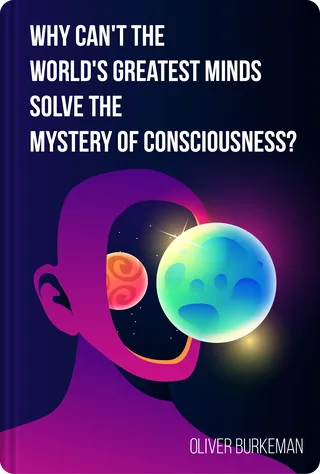
11Why Can’t the World’s Greatest Minds Solve the Mystery of Consciousness?

Why Can’t the World’s Greatest Minds Solve the Mystery of Consciousness?

Oliver Burkeman

Confront the enduring mystery of consciousness and the debate over whether subjective experience can ever be explained by the brain alone.

18 min

Listen to the intro

1:32

What is Why Can’t the World’s Greatest Minds Solve the Mystery of Consciousness? about?

Why Can’t the World’s Greatest Minds Solve the Mystery of Consciousness? (2015) examines one of the most difficult questions in philosophy and neuroscience: how physical activity in the brain produces the private experience of thoughts, feelings, colours, sounds, and self-awareness. Oliver Burkeman introduces the debate between researchers who believe consciousness can eventually be explained through brain science and thinkers who argue that subjective experience requires a broader explanation. The essay makes a complex intellectual debate accessible while showing why consciousness remains difficult to define, study, and fully understand.

Who should read Why Can’t the World’s Greatest Minds Solve the Mystery of Consciousness??

  • Curious minds wondering how the brain creates experience
  • Students of philosophy, psychology or neuroscience
  • Anyone who enjoys big questions explained in plain language
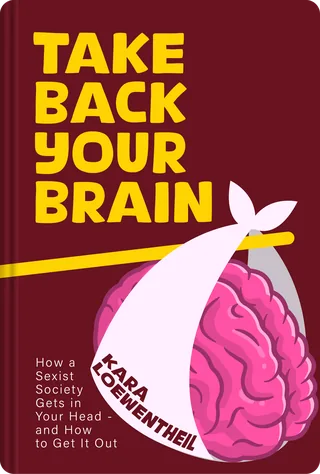
12Take Back Your Brain

Take Back Your Brain

Kara Loewentheil

Rewrite the beliefs shaped by social conditioning to make clearer choices, build confidence, and live with greater freedom.

14 min

Listen to the intro

1:39

What is Take Back Your Brain about?

Take Back Your Brain (2024) examines how social expectations and repeated messages can shape a person’s thoughts, confidence, and decisions. Kara Loewentheil offers tools for identifying unhelpful beliefs, questioning the inner critic, managing difficult emotions, and choosing more constructive patterns of thought. The book encourages readers to think independently and define success according to their own values.

Who should read Take Back Your Brain?

  • Anyone whose harsh inner critic undermines their confidence
  • People who make choices to meet others' expectations
  • Professionals wanting to define success by their own values
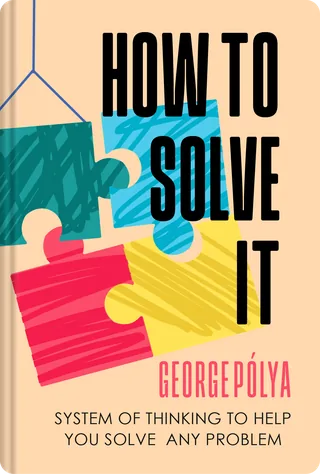
13How to Solve It

How to Solve It

George Pólya

Solve problems with greater clarity and confidence using a timeless method for understanding challenges, creating smart plans, and thinking creatively.

18 min

Listen to the intro

1:42

What is How to Solve It about?

How to Solve It (1945) is a classic guide to solving problems in mathematics and beyond. George Pólya presents a simple four-step method: understand the problem, devise a plan, carry out the plan, and look back to check and learn. With practical questions and techniques such as working backward and solving simpler related problems, the book has helped generations of students and teachers think more clearly.

Who should read How to Solve It?

  • Students who struggle with math or logic problems
  • Teachers who want to build stronger thinking skills
  • Anyone who wants a clear method for tackling problems
14Hope for Cynics

Hope for Cynics

Jamil Zaki

Replace cynicism with informed hope, rebuild trust, and discover why people are often kinder than we assume.

19 min

Listen to the intro

2:07

What is Hope for Cynics about?

Hope for Cynics (2024) explains why cynicism, the belief that most people are selfish and dishonest, can harm our health, relationships, and communities. Jamil Zaki shows that research often finds people are kinder and more trustworthy than we assume. He offers practical ways to replace automatic distrust with hopeful scepticism, a thoughtful approach that stays alert to evidence while remaining open to the good in others.

Who should read Hope for Cynics?

  • Anyone who finds it hard to trust others
  • Anyone hoping to rebuild trust in their community
  • Skeptics who assume most people are selfish
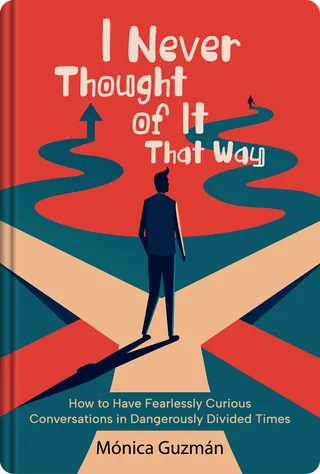
15I Never Thought of It That Way

I Never Thought of It That Way

Mónica Guzmán

Bridge deep divides through curiosity, empathy, and better listening that turn opposing views into meaningful conversations.

17 min

Listen to the intro

1:24

What is I Never Thought of It That Way about?

I Never Thought of It That Way (2022) offers a practical guide to talking with people whose views are very different from our own. Mónica Guzmán explains how curiosity, rather than debate, can help us understand what others believe and why. She shares tools for asking better questions, listening without judgement, and staying connected with friends and family despite disagreement, helping readers turn division into understanding.

Who should read I Never Thought of It That Way?

  • Anyone whose family disagreements turn into heated arguments
  • Leaders managing teams with sharply clashing viewpoints
  • Curious people who want to understand opposing views
16The Disordered Mind

The Disordered Mind

Eric Kandel

See mental illness through modern neuroscience and understand how brain biology can lead to better treatment and deeper compassion.

17 min

Listen to the intro

1:11

What is The Disordered Mind about?

The Disordered Mind (2018) explains what disorders of the brain can teach us about how the normal mind works. Eric Kandel explores autism, depression, bipolar disorder, schizophrenia, Alzheimer’s disease, Parkinson’s disease, addiction, and other conditions through the lens of modern neuroscience and genetics. The book shows how understanding the biology of mental illness can reduce stigma and lead to better treatments.

Who should read The Disordered Mind?

  • Anyone curious about how the brain shapes the mind
  • Families supporting a loved one with mental illness
  • Students and professionals in psychology, medicine or neuroscience
17The Suggestible Brain

The Suggestible Brain

Amir Raz

Harness the brain’s flexibility to break habits, manage pain, and reshape your experience through the power of belief, suggestion, and expectation.

18 min

Listen to the intro

1:16

What is The Suggestible Brain about?

The Suggestible Brain (2025) investigates how expectations, language, social influence, and context shape human perception and behaviour. Amir Raz combines neuroscience with psychology and examples from stage magic to explain why the mind is highly responsive to suggestion. The book also helps readers recognise manipulation, question automatic assumptions, and use suggestion more responsibly to support constructive change.

Who should read The Suggestible Brain?

  • Anyone trying to break stubborn habits for good
  • People living with chronic pain seeking new approaches
  • Curious readers wanting to spot manipulation and influence
18Feeling Good

Feeling Good

David Burns

Challenge negative thoughts with practical cognitive behavioural techniques that improve mood and build healthier mental habits.

19 min

Listen to the intro

1:26

What is Feeling Good about?

Feeling Good (1980) introduced millions of readers to cognitive behavioural therapy, a practical method for overcoming depression and anxiety. David Burns explains how distorted thoughts, such as all-or-nothing thinking and jumping to conclusions, create painful emotions, and shows readers how to identify and challenge them. With clear exercises, the book helps people improve their mood and self-esteem without waiting for outside help.

Who should read Feeling Good?

  • Anyone struggling with persistent low mood or anxiety
  • People who want to challenge their negative self-talk
  • Readers curious about how cognitive behavioral therapy works
19Descartes’ Error

Descartes’ Error

Antonio Damasio

Rethink intelligence by seeing how emotion and reason work together to shape sound decisions and human thought.

19 min

Listen to the intro

0:59

What is Descartes’ Error about?

Descartes’ Error (1994) challenges the old idea that reason works best when it is separated from emotion. Antonio Damasio draws on cases such as Phineas Gage and patients with damage to the frontal lobes to show that people who lose access to their feelings also lose the ability to make sound decisions. The book introduces his somatic marker hypothesis and argues that body, emotion, and reason work together to guide human behaviour.

Who should read Descartes’ Error?

  • Readers curious about how the brain shapes decisions
  • Professionals who believe emotions cloud good judgment
  • Students of psychology, neuroscience or philosophy of mind
20Beyond Order

Beyond Order

Jordan B. Peterson

Move beyond rigidity with 12 principles for balancing order and chaos, embracing change, and growing with creativity, flexibility, and responsibility.

20 min

Listen to the intro

1:07

What is Beyond Order about?

Beyond Order (2021) continues the ideas of 12 Rules for Life with twelve new principles for living well. Where the first book warned against chaos, Jordan B. Peterson now explores the dangers of too much order, rigidity, and control. Drawing on psychology, mythology, and personal stories, the book encourages readers to embrace creativity, take responsibility, face difficult truths, and grow through change.

Who should read Beyond Order?

  • Readers of 12 Rules for Life wanting more
  • Anyone who feels stuck in rigid routines and habits
  • People seeking responsibility and growth through life's changes

Related topics

Questions about Cognitive Psychology

What is a good book to start with on cognitive psychology?

Blink is an accessible starting point, showing when quick intuitive judgments help us and when they lead us astray. For a more hands-on approach, How to Think More Effectively offers practical ways to avoid mental traps and sharpen your reasoning.

What will I learn from cognitive psychology books?

You will learn how attention, memory and judgment work, and how biases quietly influence everyday decisions, including financial ones. Titles like Learn Better and Learn Like a Pro also turn this research into concrete techniques for studying and building skills.

Who are these summaries for?

They suit students, professionals and lifelong learners who want to understand their own minds and use them more wisely. Whether you want to learn faster, decide more carefully or invest with greater discipline, these summaries offer clear, applicable ideas.

Get the key ideas from the world's best books in about 15 minutes

Free account · One free summary every day