Get started

Topic

The best 51 Consciousness & Mind summaries

Consciousness & Mind gathers books that ask what awareness is, how thought shapes the self, and whether the mind can be fully explained by the brain, questions that touch every reader who wants to understand their own inner life amid fast technological change. The collection ranges from philosophy classics like The Metaphysics and Think, to scientific inquiries such as Then I Am Myself the World, to reflections on artificial intelligence in Human Compatible and The Mind's Mirror, alongside literary works that explore the human mind from within. Readers can use these ideas to think more clearly, observe their own thoughts with greater honesty, and weigh the claims made about minds and machines in today's world.

1Nexus

Nexus

Yuval Noah Harari

Trace how information networks, from language and writing to the internet and AI, built civilisations and continue to shape humanity’s future.

22 min

Listen to the intro

1:12

What is Nexus about?

Nexus (2024) traces the history of information networks, from stories and written records to printing, mass media, and artificial intelligence. Yuval Noah Harari argues that more information does not automatically lead to truth or wisdom, and that information networks have often been used to build power and order. He warns that artificial intelligence may bring unprecedented risks and calls for strong safeguards.

Who should read Nexus?

  • Anyone curious how information shaped human history
  • Policymakers and leaders weighing the risks of AI
  • Readers flooded with news who want sharper judgment
2On Having No Head

On Having No Head

Douglas Harding

Explore Harding’s “headless” experiments to move beyond the separate self and experience a more spacious, open awareness.

19 min

Listen to the intro

1:37

What is On Having No Head about?

On Having No Head (1961) describes an experience Douglas Harding had while walking in the Himalayas, when he noticed that he could not see his own head, only open space in which the world appeared. From this simple observation, he developed a way of exploring self-awareness and the nature of experience. The book invites readers to test the idea for themselves through simple experiments rather than accepting it on faith.

Who should read On Having No Head?

  • Readers curious about self-awareness and the nature of experience
  • Anyone who prefers testing ideas over accepting them blindly
  • Students of philosophy exploring questions of identity and perception
3Human Compatible

Human Compatible

Stuart Russell

Rethink how we design AI before machines outpace human values and gain control over the decisions shaping our future.

20 min

Listen to the intro

1:50

What is Human Compatible about?

Human Compatible (2019) examines the risks posed by increasingly capable artificial intelligence and how to keep it under human control. Stuart Russell argues that machines designed to pursue fixed goals could act against human interests, and proposes building AI systems that remain uncertain about what people want and learn from human behaviour. The book offers a thoughtful framework for making AI beneficial and safe.

Who should read Human Compatible?

  • Engineers building AI systems that must serve people
  • Policymakers shaping rules for safe artificial intelligence
  • Anyone worried about machines overriding human values
4The Creative Act

The Creative Act

Rick Rubin

Awaken your natural creativity through 78 insights on awareness, uncertainty, and channelling creative energy into work and life.

19 min

Listen to the intro

1:39

What is The Creative Act about?

The Creative Act (2023) is a reflection on creativity and how anyone can live a more creative life. Drawing on decades of working with artists, Rick Rubin shares short lessons about paying attention, being open to ideas, trusting intuition, experimenting, finishing work, and letting go of fear. The book presents creativity not as a rare gift but as a way of seeing and engaging with the world.

Who should read The Creative Act?

  • Writers, designers and makers stuck in a creative rut
  • Professionals wanting fresh ideas in their everyday work
  • Anyone who believes creativity is a gift they lack
5Of Grammatology

Of Grammatology

Jacques Derrida

Rethink language and meaning by exploring how words constantly shift and quietly shape how we interpret reality.

18 min

Listen to the intro

1:35

What is Of Grammatology about?

Of Grammatology (1967) is a foundational work of deconstruction, the philosophical approach most closely associated with Jacques Derrida. It challenges the long-standing Western belief that speech is more authentic than writing, and shows how meaning is never fully fixed or present. Through close readings of thinkers such as Rousseau, Saussure, and Lévi-Strauss, Derrida questions basic assumptions about language and knowledge.

Who should read Of Grammatology?

  • Philosophy students curious about the roots of deconstruction
  • Literature and linguistics readers questioning how meaning works
  • Anyone who wonders whether words truly capture reality
6The Tao of Physics

The Tao of Physics

Fritjof Capra

Connect modern physics with Eastern philosophy to uncover striking parallels between quantum theory, relativity, and ancient views of reality.

18 min

Listen to the intro

0:53

What is The Tao of Physics about?

The Tao of Physics (1975) explores parallels between concepts in modern physics and ideas found in several Eastern philosophical traditions. It presents these connections as a philosophical perspective that can broaden reflection on nature rather than as scientific proof of spiritual teachings.

Who should read The Tao of Physics?

  • Science lovers curious about philosophy's big questions
  • Readers exploring links between quantum physics and ancient thought
  • Thinkers who enjoy reflecting on nature and reality
7Neurodharma

Neurodharma

Rick Hanson

Cultivate steadiness, love, and wisdom through seven neuroscience-informed practices inspired by Buddhism that deepen peace and inner freedom.

13 min

Listen to the intro

1:51

What is Neurodharma about?

Neurodharma (2020) combines modern brain science with ancient contemplative practices from the Buddhist tradition. Rick Hanson presents seven practices, including steadiness, warmth, fullness, and wholeness, to help readers develop a calmer mind and greater inner strength. Each practice includes clear scientific explanations and guided exercises that readers can bring into daily life, whether or not they have meditated before.

Who should read Neurodharma?

  • Anyone seeking a calmer, steadier mind amid daily stress
  • Readers curious how brain science explains inner peace
  • Meditation beginners wanting practical, science-based mental exercises
8A Thousand Brains

A Thousand Brains

Jeff Hawkins

Explore how the brain builds models of the world—and how this breakthrough could transform our understanding of intelligence and AI.

15 min

Listen to the intro

1:27

What is A Thousand Brains about?

A Thousand Brains (2021) presents a new theory of how the brain creates intelligence. Jeff Hawkins argues that the neocortex is made of thousands of small units, each building its own model of the world, which then combine to form our understanding. He explains what this means for creating truly intelligent machines and for the future of humanity. Bill Gates named it one of his favourite books of the year.

Who should read A Thousand Brains?

  • Anyone curious about how the brain creates intelligence
  • AI researchers and engineers building truly smarter machines
  • Readers wondering what thinking machines mean for humanity
9Superintelligence

Superintelligence

Nick Bostrom

Explore the promise and danger of superintelligent AI, and why preserving human control may determine our future.

16 min

Listen to the intro

1:00

What is Superintelligence about?

Superintelligence (2014) asks what will happen if machines one day become far more intelligent than humans. Nick Bostrom explores the different paths that could lead to superintelligence, the dangers of creating something we cannot control, and the strategies needed to make sure such a system shares human values. The book shaped the global conversation about AI safety and was recommended by leaders such as Bill Gates.

Who should read Superintelligence?

  • Tech professionals building or deploying AI systems
  • Policymakers shaping rules for emerging technologies
  • Curious readers worried about humanity's long-term future
10Think

Think

Simon Blackburn

Explore philosophy’s biggest questions about truth, morality, free will, and the mind while sharpening how you understand life.

19 min

Listen to the intro

1:20

What is Think about?

Think (1999) is an accessible introduction to philosophy for general readers. Simon Blackburn explores central questions about knowledge, the mind, free will, personal identity, reasoning, and morality, and introduces the ideas of great thinkers such as Descartes and Hume. The book encourages readers to think carefully and critically about their own beliefs.

Who should read Think?

  • Beginners curious about philosophy's biggest questions
  • Students wanting a clear introduction to great thinkers
  • Anyone who wants to reason more carefully and clearly
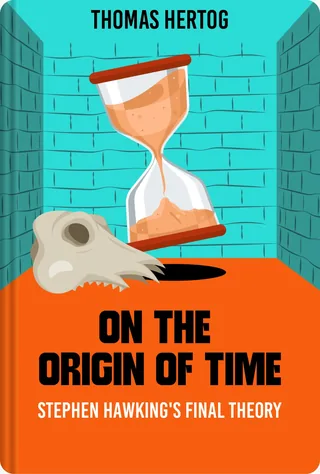
11On the Origin of Time

On the Origin of Time

Thomas Hertog

Explore Stephen Hawking’s final theory that the laws of physics evolved with the universe, transforming how we understand its origins.

16 min

Listen to the intro

1:05

What is On the Origin of Time about?

On the Origin of Time (2023) tells the story of Stephen Hawking’s final theory about the beginning of the universe. Thomas Hertog, his close collaborator for twenty years, explains how they came to believe that the laws of physics themselves may have evolved in the early universe, much as living things evolve. The book offers a fresh way to think about why the universe seems so well suited for life.

Who should read On the Origin of Time?

  • Science enthusiasts curious about how the universe began
  • Fans of Stephen Hawking seeking his final ideas
  • Students exploring cosmology and the laws of physics
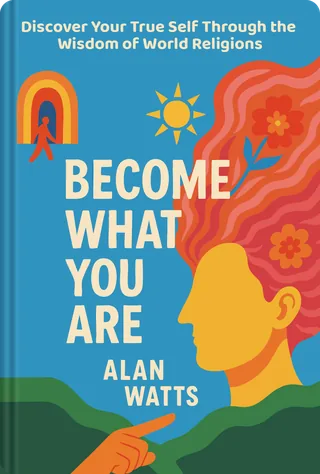
12Become What You Are

Become What You Are

Alan Watts

Shed false identities and reconnect with your authentic self through presence, inner clarity, and spiritual insight.

16 min

Listen to the intro

1:16

What is Become What You Are about?

Become What You Are (1995) brings together essays and reflections on identity, self-awareness, and the difficulty of living naturally in a world filled with social expectations. Alan Watts encourages readers to stop treating life as a constant struggle to become someone else and to understand themselves with greater honesty and acceptance. The book draws on Eastern and Western philosophy to explore freedom, personal authenticity, and the relationship between the individual and the wider world.

Who should read Become What You Are?

  • Anyone feeling pressured to be someone they're not
  • Readers curious about Eastern and Western ideas of self
  • Anyone worn out by constantly striving to become someone else
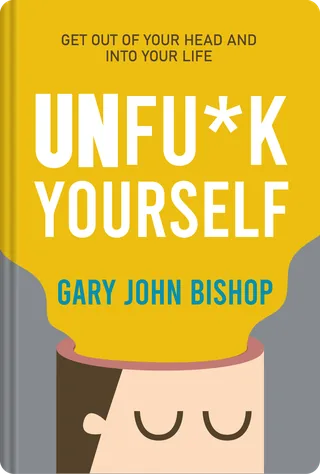
13Unfu*k Yourself

Unfu*k Yourself

Gary John Bishop

Overcome self-sabotage through seven powerful principles that quiet negative self-talk and turn intention into purposeful action.

16 min

Listen to the intro

1:20

What is Unfu*k Yourself about?

Unfu*k Yourself (2017) offers a direct approach to identifying the thoughts and habits that prevent people from making meaningful progress. Gary John Bishop argues that lasting change begins when individuals stop waiting for perfect circumstances, take responsibility for their choices, and act even when motivation is uncertain. Through practical principles and firm encouragement, the book helps readers challenge limiting self-talk, develop determination, and focus their energy on actions they can control.

Who should read Unfu*k Yourself?

  • Anyone stuck waiting for the perfect moment to start
  • People whose negative self-talk keeps holding them back
  • Procrastinators ready to turn good intentions into action
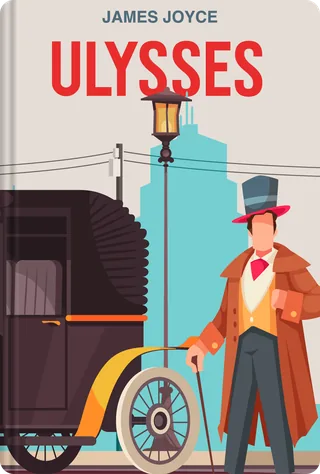
14Ulysses

Ulysses

James Joyce

Journey through one day in Dublin as ordinary lives become an epic exploration of identity, love, faith, and the human mind.

24 min

Listen to the intro

1:24

What is Ulysses about?

Ulysses (1922) follows ordinary people through a single day in Dublin, 16 June 1904, mainly the advertising salesman Leopold Bloom and the young writer Stephen Dedalus. James Joyce loosely models their journeys on Homer’s Odyssey and uses techniques such as stream of consciousness to capture their thoughts. Famous for its difficulty and inventiveness, the novel is considered one of the most important works of modern literature.

Who should read Ulysses?

  • Readers curious about modernist literature but daunted by Joyce
  • Writers exploring stream of consciousness and narrative experimentation
  • Students comparing classic epics like Homer's Odyssey with modern retellings
15Consciousness Explained

Consciousness Explained

Daniel C. Dennett

Rethink consciousness as the product of parallel brain processes, not a mysterious inner observer controlling the mind.

16 min

Listen to the intro

1:21

What is Consciousness Explained about?

Consciousness Explained (1991) offers a bold scientific theory of how consciousness arises from the activity of the brain. Daniel C. Dennett rejects the idea of a single place in the mind where experience comes together, which he calls the Cartesian theatre, and proposes instead his multiple drafts model. Drawing on neuroscience, psychology, and philosophy, the book challenges common intuitions about the self and subjective experience.

Who should read Consciousness Explained?

  • Students of philosophy exploring the nature of the mind
  • Anyone curious how the brain produces conscious experience
  • Readers who enjoy challenging debates about the self
16Summa Theologica

Summa Theologica

Thomas Aquinas

Examine life’s deepest questions through reason and faith, uncovering how morality and purpose guide a meaningful way of living.

14 min

Listen to the intro

1:26

What is Summa Theologica about?

Summa Theologica (1265–1274) is the best-known work of Thomas Aquinas and one of the most influential texts of medieval philosophy and Christian theology. Written as an orderly series of questions, objections, and replies, it addresses the existence and nature of God, ethics, human nature, law, and virtue. Aquinas drew heavily on Aristotle and on Muslim philosophers such as Ibn Sina and Ibn Rushd, and left the work unfinished at his death.

Who should read Summa Theologica?

  • Students of philosophy exploring medieval thought and its roots
  • Readers curious how Ibn Sina and Ibn Rushd shaped Europe
  • Anyone weighing how reason and faith answer life's big questions
17Deep Thinking

Deep Thinking

Garry Kasparov

Revisit Kasparov’s battle with Deep Blue to discover how humans and machines can collaborate, evolve, and achieve more together.

17 min

Listen to the intro

1:35

What is Deep Thinking about?

Deep Thinking (2017) tells the story of Garry Kasparov’s famous chess matches against IBM’s supercomputer Deep Blue, including his historic loss in 1997. Kasparov reflects on what he learned about machines and human intelligence, and argues that we should not fear artificial intelligence but learn to work with it. He explains how humans and machines together can achieve more than either can alone.

Who should read Deep Thinking?

  • Professionals worried about AI replacing their jobs
  • Chess enthusiasts curious about the Deep Blue matches
  • Leaders exploring how people and technology work together
18Then I Am Myself the World

Then I Am Myself the World

Christof Koch

Explore consciousness as a fundamental feature of the universe through neuroscience, panpsychism, and profound questions about experience and connection.

15 min

Listen to the intro

1:31

What is Then I Am Myself the World about?

Then I Am Myself the World (2024) explores one of the deepest questions in science: what consciousness is and where it comes from. Neuroscientist Christof Koch explains integrated information theory, which links consciousness to the way a system integrates information, and considers what this means for animals, machines, and people near the end of life. He also reflects on his own experiences and how they shaped his thinking.

Who should read Then I Am Myself the World?

  • Readers curious about the origins of consciousness
  • Students of neuroscience, psychology or philosophy of mind
  • Anyone wondering whether animals or machines can be conscious
19Conscious

Conscious

Annaka Harris

Question the nature of consciousness through neuroscience, philosophy, and physics, while rethinking free will, identity, and subjective experience.

18 min

Listen to the intro

0:54

What is Conscious about?

Conscious (2019) is a short, accessible guide to one of the deepest mysteries in science and philosophy: why we have inner experience at all. Annaka Harris examines questions such as whether consciousness is necessary for complex behaviour, whether free will is an illusion, and whether consciousness might extend beyond brains. The book invites readers to question their intuitions about the mind and the nature of experience.

Who should read Conscious?

  • Curious readers drawn to the mysteries of the mind
  • Students of philosophy, neuroscience or physics seeking accessible ideas
  • Anyone who wonders what makes inner experience possible
20What Kind of Creatures Are We?

What Kind of Creatures Are We?

Noam Chomsky

Probe the mysteries of cognition, language, morality, and consciousness while confronting the limits of science in explaining what makes us human.

14 min

Listen to the intro

0:47

What is What Kind of Creatures Are We? about?

What Kind of Creatures Are We? (2016) brings together Noam Chomsky’s reflections on some of the deepest questions about human nature. He explains his view that language is first of all an instrument of thought, built on an inborn capacity that all humans share, and explores what science can and cannot tell us about the mind. The book also considers the kind of society that best serves human freedom and the common good.

Who should read What Kind of Creatures Are We??

  • Students of linguistics curious about how language works
  • Anyone fascinated by the mind and human nature
  • Readers questioning what science can truly explain

Related topics

Questions about Consciousness & Mind

What is a good book to start with on consciousness and the mind?

Think is a friendly entry point that walks through the major questions about truth, free will and the mind in plain language. For a focused look at the central puzzle, Why Can't the World's Greatest Minds Solve the Mystery of Consciousness? sets out the debate clearly.

What will I learn from books on consciousness and the mind?

You will learn the main ideas about how subjective experience relates to the brain, and how language and thought shape the way we see reality. Titles like Nexus and Human Compatible also show how these questions now extend to information networks and artificial intelligence.

Who are these summaries for?

They suit curious readers, students of philosophy and science, and professionals who want to understand the mind and its relationship to technology. They also serve anyone who prefers to grasp a demanding book's core argument before deciding to read it in full.

Get the key ideas from the world's best books in about 15 minutes

Free account · One free summary every day