Get started

Topic

The best 135 Emotional Regulation summaries

Emotional regulation is the skill of noticing what you feel, understanding why, and choosing how to respond, a quiet strength that shapes family life, work, and faith-centred living across the region, where close ties and high expectations often stir strong feelings. The summaries here bring together works on emotional intelligence, self-compassion, fear and anxiety, healthy boundaries, and mental toughness, along with a few classic novels that show emotion and loneliness from the inside. Readers can use these ideas to calm anxious thoughts, handle anger and disappointment more wisely, speak about their needs with clarity, and stay steady under pressure.

1Social Intelligence

Social Intelligence

Daniel Goleman

Strengthen the relationships that shape your health and happiness by improving empathy, communication, and social awareness.

19 min

Listen to the intro

1:29

What is Social Intelligence about?

Social Intelligence (2006) explores the new science of human relationships and shows that our brains are wired to connect with others. Daniel Goleman explains how our interactions shape our emotions, health, and even our brain biology, and how skills such as empathy, attunement, and social awareness can be developed. The book offers insights for parents, teachers, leaders, and anyone who wants stronger relationships.

Who should read Social Intelligence?

  • Parents and teachers who want to understand children's emotions
  • Leaders who want to build trust and connection with teams
  • Anyone who wants deeper, healthier relationships with others
2Work Life Well-Lived

Work Life Well-Lived

Kelly Mackin

Redesign your work life with intentional habits and healthier boundaries that protect well-being, restore energy, and prevent burnout.

17 min

Listen to the intro

1:06

What is Work Life Well-Lived about?

Work Life Well-Lived (2024) explores how employees and leaders can create a healthier and more satisfying experience at work by understanding fundamental human needs. Kelly Mackin presents 28 workplace motives, including respect, belonging, autonomy, purpose, fairness, achievement, and psychological safety. Through assessments, reflection, and practical steps, the book helps individuals identify what supports their well-being and helps organisations create cultures in which people and performance can thrive together.

Who should read Work Life Well-Lived?

  • Employees feeling drained or nearing burnout at work
  • Leaders building cultures where people and performance thrive
  • Anyone seeking healthier boundaries and more satisfying work
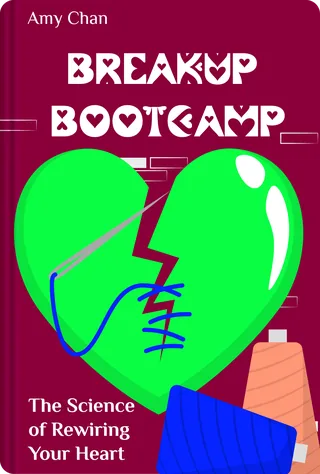
3Breakup Bootcamp

Breakup Bootcamp

Amy Chan

Heal after heartbreak, break toxic patterns, rebuild self-love, and create healthier relationships with practical, psychology-based tools.

19 min

Listen to the intro

2:08

What is Breakup Bootcamp about?

Breakup Bootcamp (2020) turns the pain of heartbreak into an opportunity for growth. Amy Chan combines psychology, neuroscience, and lessons from her breakup recovery retreat to explain why breakups hurt so much and how attachment styles and old wounds shape our relationships. The book offers practical exercises for healing, rebuilding self-worth, and creating healthier love in the future.

Who should read Breakup Bootcamp?

  • Anyone struggling to heal after a painful breakup
  • People who keep repeating unhealthy relationship patterns
  • Readers wanting to rebuild self-worth and healthier relationships
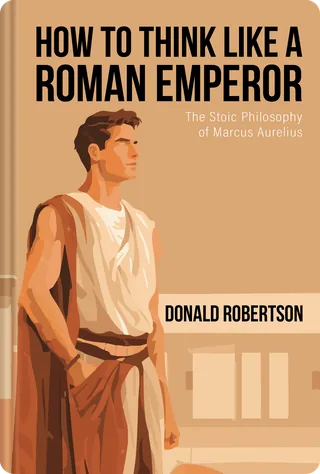
4How to Think Like a Roman Emperor

How to Think Like a Roman Emperor

Donald Robertson

Apply Marcus Aurelius’s Stoic wisdom and modern psychology to build resilience, strengthen discipline, and master your emotions.

15 min

Listen to the intro

1:24

What is How to Think Like a Roman Emperor about?

How to Think Like a Roman Emperor (2019) combines the life of Marcus Aurelius with the practical wisdom of Stoic philosophy. Donald Robertson follows the emperor from his youth to his final years and shows how he used Stoic practices to handle anger, fear, pain, and loss. Linking ancient techniques with modern cognitive behavioural therapy, the book offers readers practical tools for building resilience and emotional strength.

Who should read How to Think Like a Roman Emperor?

  • Anyone struggling to manage anger, fear, or stress
  • Readers curious about Stoic philosophy and Marcus Aurelius
  • Professionals seeking practical tools to build emotional resilience
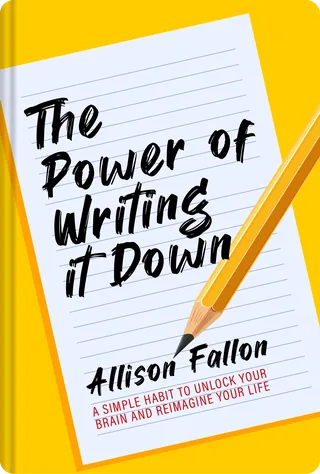
5The Power of Writing It Down

The Power of Writing It Down

Allison Fallon

Write your way to clarity by releasing emotional blocks, rediscovering your authentic voice, and turning fear into purposeful action.

17 min

Listen to the intro

1:02

What is The Power of Writing It Down about?

The Power of Writing It Down (2020) shows how the simple act of writing can bring clarity, calm, and direction to everyday life. Allison Fallon explains how putting thoughts on paper helps people process emotions, understand what they really want, make better decisions, and work through difficult experiences. With practical prompts and real stories, the book encourages readers to use writing as a daily tool for growth.

Who should read The Power of Writing It Down?

  • Anyone feeling stuck, overwhelmed or unsure of their direction
  • People facing a tough decision who want clarity
  • Readers looking to build a simple daily journaling habit
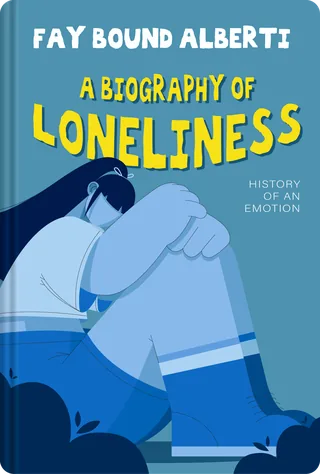
6A Biography of Loneliness

A Biography of Loneliness

Fay Bound Alberti

Understand how culture, relationships, and technology have transformed loneliness—and what it reveals about our changing society.

16 min

Listen to the intro

1:10

What is A Biography of Loneliness about?

A Biography of Loneliness (2019) traces the history of loneliness as an emotional experience. Fay Bound Alberti shows that loneliness, as we understand it today, is a relatively modern idea that grew with changes in religion, industry, individualism, and technology. Through letters, diaries, and case studies from the eighteenth century to social media, the book explores how loneliness affects the mind and body and how societies can respond to it.

Who should read A Biography of Loneliness?

  • History lovers curious about how emotions change over time
  • Anyone feeling isolated in a connected, digital world
  • Health workers and policymakers addressing loneliness in communities
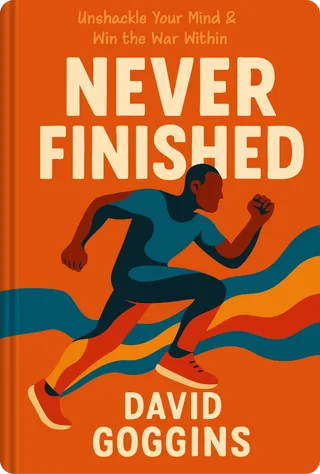
7Never Finished

Never Finished

David Goggins

Push beyond your limits by mastering your mind, confronting excuses, embracing discomfort, and turning struggle into lasting strength.

19 min

Listen to the intro

1:13

What is Never Finished about?

Never Finished (2022) continues David Goggins’s story after his first memoir, showing how he kept pushing past physical and mental limits despite injuries and setbacks. He shares new challenges he faced and explains his approach to building mental toughness, taking responsibility, and refusing to settle for comfort. The book offers intense, practical lessons for anyone who wants to grow stronger.

Who should read Never Finished?

  • Athletes pushing through injuries and physical setbacks
  • Anyone who keeps settling for comfort and excuses
  • Readers of Goggins's first memoir wanting more
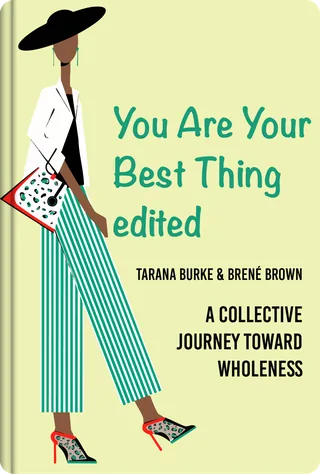
8You Are Your Best Thing

You Are Your Best Thing

Tarana Burke and Brené Brown

Hear powerful Black voices confront shame, identity, and vulnerability while reclaiming resilience, joy, connection, and self-worth.

19 min

Listen to the intro

1:37

What is You Are Your Best Thing about?

You Are Your Best Thing (2021) is a collection of essays by Black writers, artists, and activists reflecting on vulnerability, shame, resilience, and belonging. Edited by Tarana Burke and Brené Brown, the book explores how people can heal, reclaim their worth, and build connection in the face of hardship and injustice. The contributors share honest personal stories that encourage courage and self-acceptance.

Who should read You Are Your Best Thing?

  • Anyone healing from shame or feelings of unworthiness
  • Readers seeking honest stories of Black resilience and belonging
  • People rebuilding confidence after hardship or injustice
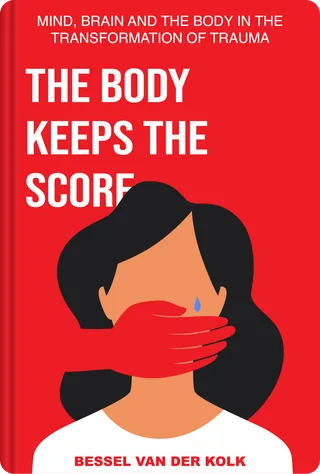
9The Body Keeps the Score

The Body Keeps the Score

Bessel van der Kolk

Understand how trauma reshapes the mind and body, and why healing both is essential to restoring balance and well-being.

16 min

Listen to the intro

2:30

What is The Body Keeps the Score about?

The Body Keeps the Score (2014) explains how trauma reshapes the brain and body, affecting memory, emotions, relationships, and health long after the event has passed. Bessel van der Kolk draws on decades of clinical work and research to show why talking alone is often not enough, and explores therapies such as EMDR, yoga, neurofeedback, and theatre that help survivors regain a sense of safety and control.

Who should read The Body Keeps the Score?

  • Anyone living with the lasting effects of past trauma
  • Therapists and counselors seeking body-based approaches to healing
  • Families supporting a loved one through trauma recovery
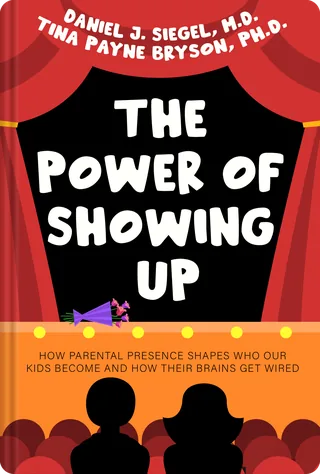
10The Power of Showing Up

The Power of Showing Up

Daniel J. Siegel and Tina Payne Bryson

Give your child the security of your presence through calm, consistent, and responsive parenting that builds confidence and connection.

16 min

Listen to the intro

0:58

What is The Power of Showing Up about?

The Power of Showing Up (2020) argues that the most important thing parents can do is simply be present for their children. Daniel J. Siegel and Tina Payne Bryson explain the four S’s that help children feel securely attached: feeling safe, seen, soothed, and secure. They show that parents do not need to be perfect, and offer practical ways to repair mistakes and strengthen the bond with their children.

Who should read The Power of Showing Up?

  • Parents seeking a deeper bond with their children
  • Mothers and fathers who fear their mistakes harm their children
  • Caregivers who want to raise confident, secure children
11Why Does He Do That?

Why Does He Do That?

Lundy Bancroft

Recognise the warning signs of abuse, understand manipulation and control, and protect your emotional and physical well-being.

17 min

Listen to the intro

2:54

What is Why Does He Do That? about?

Why Does He Do That? (2002) explains the thinking behind controlling and abusive behaviour in relationships. Drawing on years of working directly with abusive men, Lundy Bancroft shows that abuse comes from attitudes of control and entitlement rather than from anger or stress, and describes the warning signs to watch for. The book helps readers recognise unhealthy patterns, protect themselves, and understand when real change is and is not possible.

Who should read Why Does He Do That??

  • Women who feel controlled or belittled by their husbands
  • Family members worried about a sister's or daughter's marriage
  • Counselors and social workers supporting families facing abuse
12Cognitive Behavioral Therapy

Cognitive Behavioral Therapy

Olivia Telford

Break negative thought cycles with practical CBT techniques that build healthier emotional patterns, resilience, and confidence.

17 min

Listen to the intro

1:22

What is Cognitive Behavioral Therapy about?

Cognitive Behavioral Therapy (2018) introduces the basic principles of cognitive behavioural therapy and explains how thoughts, emotions, and actions can reinforce one another. Olivia Telford presents exercises for recognising unhelpful thinking patterns, examining assumptions, managing difficult emotions, and developing more constructive responses. The book is a general self-help introduction rather than a replacement for professional assessment or treatment from a qualified mental health specialist.

Who should read Cognitive Behavioral Therapy?

  • Anyone caught in recurring cycles of negative thinking
  • Beginners curious about the core ideas behind CBT
  • People seeking practical exercises for managing difficult emotions
13The Teenage Brain

The Teenage Brain

Frances E. Jensen & Amy Ellis Nutt

Understand the developing teenage brain and support impulsive, emotional adolescents with greater insight, confidence, and connection.

14 min

Listen to the intro

1:41

What is The Teenage Brain about?

The Teenage Brain (2015) explains what science has discovered about the developing brains of teenagers and young adults. Frances E. Jensen & Amy Ellis Nutt show why teens can be highly capable learners yet also impulsive and emotional, and how sleep, stress, technology, and risky behaviours affect the growing brain. The book gives parents and teachers practical guidance for supporting young people through these years.

Who should read The Teenage Brain?

  • Parents raising teenagers who seem impulsive or moody
  • Teachers and school counselors working with adolescents
  • Anyone curious how sleep and technology shape teens
14When the Body Says No

When the Body Says No

Gabor Maté

Explore how chronic stress and suppressed emotions may affect physical health, and why healing begins with understanding your emotional life.

18 min

Listen to the intro

1:27

What is When the Body Says No about?

When the Body Says No (2003) explores the connection between long-term stress, emotions, and physical illness. Drawing on his medical practice and research, Gabor Maté shows how hidden stress and a lifelong habit of suppressing emotions may affect the immune system and contribute to chronic disease. The book encourages readers to listen to their bodies and pay attention to their emotional well-being.

Who should read When the Body Says No?

  • People living with chronic illness or ongoing stress
  • Anyone who habitually holds back their emotions
  • Health professionals curious about the mind-body connection
15The Path Between Us

The Path Between Us

Suzanne Stabile

Navigate personality differences with greater empathy to communicate clearly, reduce conflict, and build healthier relationships.

15 min

Listen to the intro

0:52

What is The Path Between Us about?

The Path Between Us (2018) uses the Enneagram, a framework that describes nine personality types, to help readers understand how each type approaches relationships. Suzanne Stabile explains what each type needs, how it communicates, and how it tends to react under stress. With practical insights for friendships, marriages, families, and workplaces, the book shows how understanding our differences can lead to more patience, compassion, and connection.

Who should read The Path Between Us?

  • Couples who want fewer arguments and deeper understanding
  • Managers and teams navigating clashing personalities at work
  • Anyone curious how the Enneagram shapes their relationships
16Think This, Not That

Think This, Not That

Josh Axe

Transform fear and self-doubt through 12 mindset shifts that build purpose, confidence, resilience, and a more intentional life.

21 min

Listen to the intro

0:56

What is Think This, Not That about?

Think This, Not That (2024) presents twelve shifts in thinking intended to help readers replace limiting assumptions with more constructive perspectives. It discusses purpose, identity, resilience, relationships, personal responsibility, and the importance of shaping daily decisions around the person one hopes to become.

Who should read Think This, Not That?

  • Anyone held back by fear or self-doubt
  • Professionals seeking clearer purpose and stronger confidence
  • Readers wanting daily choices aligned with their goals
17Tell Yourself a Better Lie

Tell Yourself a Better Lie

Marisa Peer

Rewrite the limiting stories holding you back and transform your confidence, behaviour, and emotional well-being.

17 min

Listen to the intro

2:02

What is Tell Yourself a Better Lie about?

Tell Yourself a Better Lie (2022) explores how deeply rooted beliefs and personal stories can shape confidence, decisions, relationships, and success. Through case studies and principles from Rapid Transformational Therapy, Marisa Peer explains how limiting beliefs often develop from early experiences and continue influencing behaviour. The book offers practical ways to identify these beliefs, replace them with more constructive messages, and create lasting personal change.

Who should read Tell Yourself a Better Lie?

  • Anyone held back by self-doubt or negative inner talk
  • People wanting to understand how childhood experiences shape behavior
  • Coaches and therapists curious about Rapid Transformational Therapy
18Thirty Million Words

Thirty Million Words

Dana Suskind

Shape your child’s developing brain through everyday conversations that strengthen language, deepen connection, and inspire lifelong learning.

16 min

Listen to the intro

0:50

What is Thirty Million Words about?

Thirty Million Words (2015) shows that the words children hear in their earliest years shape how their brains develop. Dana Suskind explains research suggesting that children from different homes hear very different amounts of language by age four, and how this affects learning later in life. She offers a simple approach for parents: tune in, talk more, and take turns in conversation with young children.

Who should read Thirty Million Words?

  • Parents of babies and toddlers under four
  • Early childhood educators shaping young minds daily
  • Expectant parents preparing for their child's development
19The Language of Emotions

The Language of Emotions

Karla McLaren

Learn to read your emotions as intelligent signals that guide better decisions, stronger relationships, and lasting emotional resilience.

16 min

Listen to the intro

1:31

What is The Language of Emotions about?

The Language of Emotions (2010) presents emotions as intelligent messengers rather than problems to fix or suppress. Karla McLaren explains what each emotion, from anger and fear to sadness, shame, and joy, is trying to tell us and how to respond to it skilfully. Through practical exercises, the book helps readers understand their feelings, set healthier boundaries, and build emotional awareness and resilience.

Who should read The Language of Emotions?

  • Anyone who feels overwhelmed by strong emotions
  • People struggling to set healthy personal boundaries
  • Readers seeking deeper emotional awareness and resilience
20Letting Go

Letting Go

David Hawkins

Release difficult emotions without resistance and discover how letting go can bring greater freedom, peace, and emotional clarity.

10 min

Listen to the intro

1:10

What is Letting Go about?

Letting Go (2012) presents a simple method for releasing painful emotions instead of suppressing, resisting, or acting them out. David Hawkins explains how feelings such as fear, guilt, anger, and pride build up over time and quietly shape our choices, health, and relationships. By allowing emotions to be fully felt and then surrendered, the book shows readers how to reduce stress, find inner peace, and experience greater freedom and clarity in everyday life.

Who should read Letting Go?

  • Anyone weighed down by stress, fear, or guilt
  • People who tend to bottle up difficult emotions
  • Readers seeking inner peace and emotional clarity in daily life

Related topics

Questions about Emotional Regulation

What is a good book to start with on emotional regulation?

Emotional Intelligence is a strong starting point, as it explains the core elements of understanding and managing your own feelings and those of others. For a gentler, more personal approach, Self-Compassion shows how to replace harsh self-criticism with kindness that builds resilience.

What will I learn from emotional regulation books?

You will learn how emotions like fear, anger, and anxiety work and how to respond to them rather than be ruled by them. Titles such as Beyond Anxiety and The Upside of Your Dark Side offer practical ways to turn difficult feelings into calm, balance, and better decisions.

Who are these summaries for?

They suit anyone who feels overwhelmed by stress, struggles with worry or guilt, or wants calmer and more respectful relationships at home and at work. Professionals, parents, and students alike will find tools, from setting boundaries in Boundary Boss to building mental strength in 13 Things Mentally Strong People Don't Do.

Get the key ideas from the world's best books in about 15 minutes

Free account · One free summary every day