Get started

Topic

The best 46 Therapy & Healing summaries

Therapy and healing explores how people recover from emotional pain, anxiety, manipulation and stress, a subject that matters to readers in the region who often carry these burdens quietly while caring for family and work. The books here range from practical guides on cognitive behavioral therapy, self-compassion and healthy boundaries to thoughtful works on stress and the body, attention difficulties and raising secure children. Readers can use these ideas to understand their own reactions, protect themselves from harmful relationships and build steadier inner strength for themselves and their families.

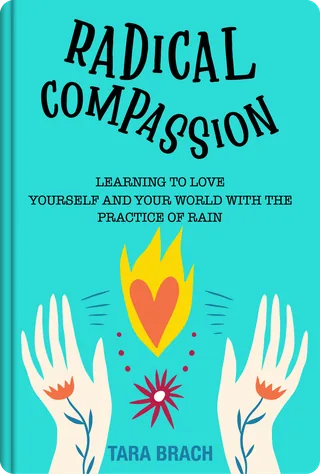
1Radical Compassion

Radical Compassion

Tara Brach

Practise RAIN to meet difficult emotions with compassion, release fear and shame, and build a more joyful, connected life.

20 min

Listen to the intro

1:08

What is Radical Compassion about?

Radical Compassion (2019) introduces RAIN, a simple four-step practice for meeting difficult emotions with kindness. Tara Brach explains how to Recognise what is happening, Allow it to be there, Investigate it with care, and Nurture oneself with compassion. Through stories and guided reflections, the book shows how this practice can ease fear, shame, and self-judgement and strengthen relationships with others.

Who should read Radical Compassion?

  • Anyone weighed down by fear, shame or self-criticism
  • People seeking a gentle way to handle hard emotions
  • Family members and friends hoping for warmer, closer relationships
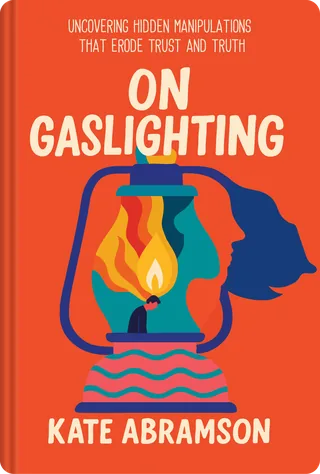
2On Gaslighting

On Gaslighting

Kate Abramson

Recognise gaslighting, understand how it distorts identity and self-trust, and reclaim clarity, confidence, and faith in your judgement.

25 min

Listen to the intro

1:05

What is On Gaslighting about?

On Gaslighting (2024) examines a form of manipulation in which someone tries to make another person doubt their own perceptions, memories, and judgement. Kate Abramson explains how gaslighting works in personal relationships, workplaces, and institutions, and why it is a serious moral wrong. The book helps readers recognise the signs, understand the harm, and protect their confidence in their own thinking.

Who should read On Gaslighting?

  • Anyone who often doubts their own memory or judgment
  • Employees facing manipulation from managers or colleagues at work
  • Readers interested in the moral side of manipulation
3Cleaning Up Your Mental Mess

Cleaning Up Your Mental Mess

Caroline Leaf

Rewire chaotic thinking with a science-based process that clears mental clutter, strengthens focus, and improves emotional control.

19 min

Listen to the intro

0:48

What is Cleaning Up Your Mental Mess about?

Cleaning Up Your Mental Mess (2021) presents a practical method for managing anxiety, stress, and negative thought patterns. Caroline Leaf introduces the Neurocycle, a five-step process for identifying the source of mental distress and building healthier ways of thinking. The book combines neuroscience research with daily exercises designed to improve mental wellbeing.

Who should read Cleaning Up Your Mental Mess?

  • Anyone struggling with anxiety, stress or constant overthinking
  • Professionals seeking sharper focus amid daily mental clutter
  • Readers curious how neuroscience can reshape thought patterns
4You Are Your Best Thing

You Are Your Best Thing

Tarana Burke and Brené Brown

Hear powerful Black voices confront shame, identity, and vulnerability while reclaiming resilience, joy, connection, and self-worth.

19 min

Listen to the intro

1:37

What is You Are Your Best Thing about?

You Are Your Best Thing (2021) is a collection of essays by Black writers, artists, and activists reflecting on vulnerability, shame, resilience, and belonging. Edited by Tarana Burke and Brené Brown, the book explores how people can heal, reclaim their worth, and build connection in the face of hardship and injustice. The contributors share honest personal stories that encourage courage and self-acceptance.

Who should read You Are Your Best Thing?

  • Anyone healing from shame or feelings of unworthiness
  • Readers seeking honest stories of Black resilience and belonging
  • People rebuilding confidence after hardship or injustice
5The Brain that Changes Itself

The Brain that Changes Itself

Norman Doidge

Unlock the brain’s power to adapt, recover from injury, and reshape habits and abilities through neuroplasticity.

18 min

Listen to the intro

0:39

What is The Brain that Changes Itself about?

The Brain that Changes Itself (2007) introduced millions of readers to neuroplasticity, the brain’s ability to rewire and change throughout life. Norman Doidge shares remarkable stories of scientists and patients, including people who recovered from strokes, overcame learning difficulties, and regained lost abilities. The book challenges the old belief that the adult brain cannot change and shows new possibilities for healing and learning.

Who should read The Brain that Changes Itself?

  • Stroke survivors and families seeking hope for recovery
  • Parents of children facing learning difficulties
  • Lifelong learners curious how the brain grows and adapts
6Resilient

Resilient

Rick Hanson with Forrest Hanson

Build lasting inner strength through neuroscience-informed practices that cultivate calm, courage, resilience, and contentment.

14 min

Listen to the intro

1:01

What is Resilient about?

Resilient (2018) shows how to build lasting inner strengths that help people stay calm, happy, and capable during difficult times. Rick Hanson with Forrest Hanson explains twelve key strengths, including compassion, mindfulness, grit, gratitude, confidence, calm, courage, and generosity, and draws on neuroscience to show how repeated positive experiences can shape the brain. The book offers practical exercises for everyday resilience.

Who should read Resilient?

  • Anyone under stress seeking steadier calm and confidence
  • Readers curious how neuroscience can reshape daily habits
  • Parents and professionals building emotional strength under pressure
7The Language of Emotions

The Language of Emotions

Karla McLaren

Learn to read your emotions as intelligent signals that guide better decisions, stronger relationships, and lasting emotional resilience.

16 min

Listen to the intro

1:31

What is The Language of Emotions about?

The Language of Emotions (2010) presents emotions as intelligent messengers rather than problems to fix or suppress. Karla McLaren explains what each emotion, from anger and fear to sadness, shame, and joy, is trying to tell us and how to respond to it skilfully. Through practical exercises, the book helps readers understand their feelings, set healthier boundaries, and build emotional awareness and resilience.

Who should read The Language of Emotions?

  • Anyone who feels overwhelmed by strong emotions
  • People struggling to set healthy personal boundaries
  • Readers seeking deeper emotional awareness and resilience
8Breakup Bootcamp

Breakup Bootcamp

Amy Chan

Heal after heartbreak, break toxic patterns, rebuild self-love, and create healthier relationships with practical, psychology-based tools.

19 min

Listen to the intro

2:08

What is Breakup Bootcamp about?

Breakup Bootcamp (2020) turns the pain of heartbreak into an opportunity for growth. Amy Chan combines psychology, neuroscience, and lessons from her breakup recovery retreat to explain why breakups hurt so much and how attachment styles and old wounds shape our relationships. The book offers practical exercises for healing, rebuilding self-worth, and creating healthier love in the future.

Who should read Breakup Bootcamp?

  • Anyone struggling to heal after a painful breakup
  • People who keep repeating unhealthy relationship patterns
  • Readers wanting to rebuild self-worth and healthier relationships
9Why Love Matters

Why Love Matters

Sue Gerhardt

Nurture healthy brain development through love, comfort, and secure attachment that build lifelong resilience and well-being.

16 min

Listen to the intro

1:14

What is Why Love Matters about?

Why Love Matters (2004) explains how the love and care babies receive shapes the development of their brains. Sue Gerhardt shows how early relationships influence the way children learn to manage stress and emotions, and how this can affect health and well-being later in life. The book highlights the importance of responsive, affectionate care in the first years and what families and society can do to support it.

Who should read Why Love Matters?

  • Parents and parents-to-be raising babies and toddlers
  • Caregivers and early childhood educators shaping young minds
  • Anyone curious how early care affects lifelong health
10Scattered Minds

Scattered Minds

Gabor Maté

Explore a compassionate perspective on ADHD that connects attention and behaviour with early experiences, offering greater understanding, healing, and adaptability.

17 min

Listen to the intro

1:42

What is Scattered Minds about?

Scattered Minds (1999) offers a compassionate new way of understanding attention deficit disorder. Gabor Maté, who was himself diagnosed with the condition as an adult, argues that it is shaped not only by genes but also by early childhood experiences and stress. He explains how the condition affects daily life and relationships, and offers practical guidance for healing and self-understanding.

Who should read Scattered Minds?

  • Adults recently diagnosed with ADHD seeking self-understanding
  • Parents raising children who struggle with attention and focus
  • Teachers and counselors who support easily distracted young people
11The First Rule of Mastery

The First Rule of Mastery

Michael Gervais

Break free from others’ opinions, master your mind, and choose purpose over approval to live with greater courage and authenticity.

18 min

Listen to the intro

0:53

What is The First Rule of Mastery about?

The First Rule of Mastery (2023) explores a common barrier to success: the fear of what other people think. Michael Gervais explains how worrying about others’ opinions can make people hold back, play it safe, and lose their authentic voice. Drawing on his work with elite athletes and leaders, he offers practical tools to build self-trust and focus on what really matters.

Who should read The First Rule of Mastery?

  • Professionals who hold back for fear of judgment
  • Leaders and athletes seeking a stronger, steadier mindset
  • Anyone who wants to live by purpose, not approval
12Neurodharma

Neurodharma

Rick Hanson

Cultivate steadiness, love, and wisdom through seven neuroscience-informed practices inspired by Buddhism that deepen peace and inner freedom.

13 min

Listen to the intro

1:51

What is Neurodharma about?

Neurodharma (2020) combines modern brain science with ancient contemplative practices from the Buddhist tradition. Rick Hanson presents seven practices, including steadiness, warmth, fullness, and wholeness, to help readers develop a calmer mind and greater inner strength. Each practice includes clear scientific explanations and guided exercises that readers can bring into daily life, whether or not they have meditated before.

Who should read Neurodharma?

  • Anyone seeking a calmer, steadier mind amid daily stress
  • Readers curious how brain science explains inner peace
  • Meditation beginners wanting practical, science-based mental exercises
13Bad Therapy

Bad Therapy

Abigail Shrier

Question overdiagnosis and modern therapy trends while exploring how resilience, independence, and practical coping skills can better support young people.

11 min

Listen to the intro

1:21

What is Bad Therapy about?

Bad Therapy (2024) questions whether the rapid growth of mental health interventions is helping young people. Journalist Abigail Shrier argues that frequent diagnoses, a constant focus on feelings, and overly protective parenting may leave some children more anxious and less independent. She encourages parents to restore their authority, allow children to face manageable challenges, and build resilience.

Who should read Bad Therapy?

  • Parents worried their children are growing anxious or fragile
  • Educators questioning the rise of therapy in schools
  • Anyone wanting to raise more resilient, independent young people
14Loving Your Spouse When You Feel Like Walking Away

Loving Your Spouse When You Feel Like Walking Away

Gary Chapman

Rebuild trust, emotional safety, and commitment with practical tools that restore communication, hope, and love during difficult times.

16 min

Listen to the intro

1:37

What is Loving Your Spouse When You Feel Like Walking Away about?

Loving Your Spouse When You Feel Like Walking Away (2008) offers hope to people in difficult marriages. Gary Chapman looks at common problems such as irresponsibility, workaholism, controlling behaviour, verbal harshness, and depression, and shares real stories of couples who faced them. He shows how one partner’s positive choices, honest communication, and healthy boundaries can influence the relationship and open the way to real change.

Who should read Loving Your Spouse When You Feel Like Walking Away?

  • Spouses feeling stuck in a hard, unhappy marriage
  • Anyone married to a harsh, controlling or workaholic partner
  • Couples hoping to rebuild trust before giving up
15Raising Mentally Strong Kids

Raising Mentally Strong Kids

Charles Fay and Daniel Amen

Equip children with the confidence, resilience, and problem-solving skills to face challenges independently and thrive into adulthood.

16 min

Listen to the intro

1:13

What is Raising Mentally Strong Kids about?

Raising Mentally Strong Kids (2020) combines brain science with practical parenting advice to help children grow into responsible, confident, and resilient adults. Charles Fay and Daniel Amen explain how parents can set clear limits with warmth, let children learn from manageable mistakes, and build the self-control and character they need. The book offers simple scripts and strategies for handling everyday challenges calmly.

Who should read Raising Mentally Strong Kids?

  • Parents who want confident, resilient, independent children
  • Caregivers struggling to set limits without losing warmth
  • Parents seeking calm scripts for everyday child challenges
16Beyond Anxiety

Beyond Anxiety

Martha Beck

Break free from four hidden anxiety patterns and move toward greater calm, self-trust, and genuine connection.

19 min

Listen to the intro

1:11

What is Beyond Anxiety about?

Beyond Anxiety (2025) offers a new way of understanding and easing anxiety, which Martha Beck describes as one of the defining struggles of modern life. She explains how anxiety traps people in repetitive patterns of worry, and shows how curiosity, creativity, and attention to what brings real joy can calm the mind. The book encourages readers to move away from fear and toward a life that reflects their true purpose.

Who should read Beyond Anxiety?

  • Anyone caught in repetitive cycles of worry and overthinking
  • Professionals feeling drained by the pressures of modern life
  • People seeking calm, self-trust, and a clearer sense of purpose
17The Liberating Agent

The Liberating Agent

Lina Nuqul

Free yourself from anxiety and fear with the steps one woman used to heal herself, without medication, and start helping others heal too.

41 min

What is The Liberating Agent about?

The Liberating Agent (2021) presents Lina Nuqul’s personal journey from struggling with anxiety to discovering inner strength and helping others find their own paths toward healing. Through personal experiences, spiritual reflection, and practical tools, the book explores the importance of self-discovery, confronting fear, and transforming personal challenges into opportunities for growth. It encourages readers to liberate themselves from limiting beliefs and use their experiences to create a positive impact in the lives of others.

Who should read The Liberating Agent?

  • Anyone struggling with anxiety and looking for practical tools
  • People who want to face their fears and grow
  • Those hoping to turn hardship into helping others
18Raising Securely Attached Kids

Raising Securely Attached Kids

Eli Harwood

Build a secure bond with your child through empathy, consistency, and calm communication that strengthen trust and reduce power struggles.

17 min

Listen to the intro

0:56

What is Raising Securely Attached Kids about?

Raising Securely Attached Kids (2024) explains how parents can build relationships that help children feel safe, understood, and confident while gradually developing independence. Eli Harwood translates attachment research into practical responses for moments of fear, conflict, strong emotion, separation, and misbehaviour. The book emphasises that secure attachment does not require perfect parenting, but grows through consistent care, emotional availability, healthy boundaries, and sincere repair after mistakes.

Who should read Raising Securely Attached Kids?

  • Parents who want calmer, more trusting relationships with children
  • Caregivers struggling with tantrums, defiance, or daily power struggles
  • Anyone who fears they must be a perfect parent
19Women Who Love Too Much

Women Who Love Too Much

Robin Norwood

Break free from painful relationship patterns, rebuild your self-worth, and choose healthy love over emotional intensity.

17 min

Listen to the intro

3:01

What is Women Who Love Too Much about?

Women Who Love Too Much (1985) explores why some women repeatedly choose partners who are unavailable, uncaring, or harmful, and struggle to leave unhealthy relationships. Robin Norwood shows how childhood experiences can create patterns of over-giving and fear of being alone. Through real stories and a clear recovery programme, the book helps readers build self-worth, set boundaries, and form healthier relationships.

Who should read Women Who Love Too Much?

  • Women who keep choosing emotionally unavailable partners
  • Anyone who gives too much and fears being alone
  • Readers healing from childhood wounds that shape their relationships
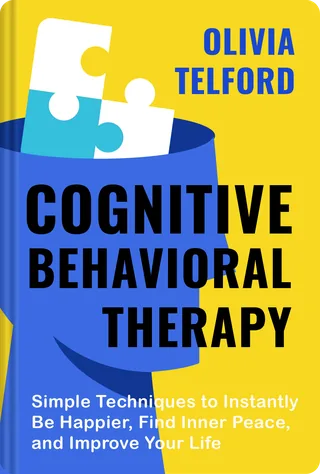
20Cognitive Behavioral Therapy

Cognitive Behavioral Therapy

Olivia Telford

Break negative thought cycles with practical CBT techniques that build healthier emotional patterns, resilience, and confidence.

17 min

Listen to the intro

1:22

What is Cognitive Behavioral Therapy about?

Cognitive Behavioral Therapy (2018) introduces the basic principles of cognitive behavioural therapy and explains how thoughts, emotions, and actions can reinforce one another. Olivia Telford presents exercises for recognising unhelpful thinking patterns, examining assumptions, managing difficult emotions, and developing more constructive responses. The book is a general self-help introduction rather than a replacement for professional assessment or treatment from a qualified mental health specialist.

Who should read Cognitive Behavioral Therapy?

  • Anyone caught in recurring cycles of negative thinking
  • Beginners curious about the core ideas behind CBT
  • People seeking practical exercises for managing difficult emotions

Related topics

Questions about Therapy & Healing

What is a good book to start with on therapy and healing?

Cognitive Behavioral Therapy is a clear starting point, offering practical techniques to break negative thought cycles. If you are recovering from a painful period, When You're Ready, This Is How You Heal gives a gentle path toward facing the past and rebuilding.

What will I learn from therapy and healing books?

You will learn how thoughts, emotions and stress shape both mind and body, and how to respond to them with greater calm and self-understanding. Titles such as When the Body Says No and Boundary Boss also show how suppressed feelings and unclear limits can affect health and relationships.

Who are these summaries for?

They suit anyone dealing with anxiety, self-criticism or difficult relationships, as well as those who want to support loved ones through hard times. Parents will also find guidance in titles like Raising a Secure Child on building trust and emotional security in children.

Get the key ideas from the world's best books in about 15 minutes

Free account · One free summary every day