Get started

Topic

The best 82 Learning Strategies summaries

Learning Strategies brings together ideas on how people acquire knowledge and skills well, at a time when many readers in the region are building careers, changing fields or studying alongside work and family. The books range from practical guides on practice, focus and note-taking to works on questioning, creative thinking, self-directed learning and the habits of great minds. Readers can use these ideas to pick up new skills faster, organise what they read, think more clearly, and keep growing well beyond the classroom.

1Limitless

Limitless

Jim Kwik

Unlock greater focus, memory, and mental energy through practical habits and learning techniques that accelerate skills and elevate performance.

20 min

Listen to the intro

0:54

What is Limitless about?

Limitless (2020) offers practical methods for learning faster, remembering more, and unlocking your mental potential. Jim Kwik presents a framework built on three elements: mindset, motivation, and methods. He shares techniques for improving focus, memory, reading speed, and study habits, along with advice on sleep, nutrition, and daily routines that support a healthy brain.

Who should read Limitless?

  • Students who want to study smarter and remember more
  • Professionals who need to learn new skills quickly
  • Anyone who struggles with focus, memory, or mental fatigue
2Cognitive Behavioral Therapy

Cognitive Behavioral Therapy

Olivia Telford

Break negative thought cycles with practical CBT techniques that build healthier emotional patterns, resilience, and confidence.

17 min

Listen to the intro

1:22

What is Cognitive Behavioral Therapy about?

Cognitive Behavioral Therapy (2018) introduces the basic principles of cognitive behavioural therapy and explains how thoughts, emotions, and actions can reinforce one another. Olivia Telford presents exercises for recognising unhelpful thinking patterns, examining assumptions, managing difficult emotions, and developing more constructive responses. The book is a general self-help introduction rather than a replacement for professional assessment or treatment from a qualified mental health specialist.

Who should read Cognitive Behavioral Therapy?

  • Anyone caught in recurring cycles of negative thinking
  • Beginners curious about the core ideas behind CBT
  • People seeking practical exercises for managing difficult emotions
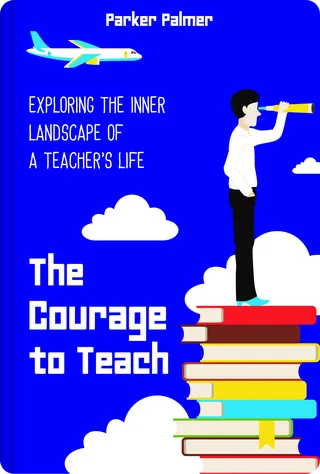
3The Courage to Teach

The Courage to Teach

Parker Palmer

Reconnect with your purpose as an educator and bring greater courage, integrity, and authenticity into the classroom.

16 min

Listen to the intro

2:05

What is The Courage to Teach about?

The Courage to Teach (1998) argues that good teaching comes from the identity and integrity of the teacher, not from technique alone. Parker Palmer explores the fears that divide teachers from their students and their subject, and shows how educators can reconnect with the reasons they chose to teach. The book offers a thoughtful guide to building classrooms rooted in honesty, community, and a shared love of learning.

Who should read The Courage to Teach?

  • Teachers who feel burned out or disconnected
  • New educators searching for their own teaching identity
  • School leaders who want to support and inspire staff
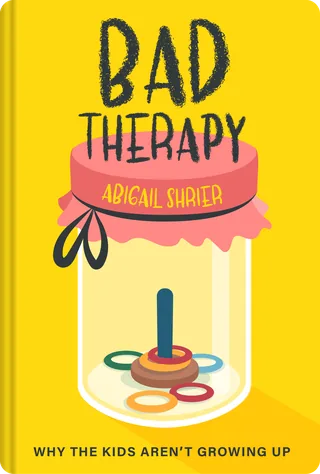
4Bad Therapy

Bad Therapy

Abigail Shrier

Question overdiagnosis and modern therapy trends while exploring how resilience, independence, and practical coping skills can better support young people.

11 min

Listen to the intro

1:21

What is Bad Therapy about?

Bad Therapy (2024) questions whether the rapid growth of mental health interventions is helping young people. Journalist Abigail Shrier argues that frequent diagnoses, a constant focus on feelings, and overly protective parenting may leave some children more anxious and less independent. She encourages parents to restore their authority, allow children to face manageable challenges, and build resilience.

Who should read Bad Therapy?

  • Parents worried their children are growing anxious or fragile
  • Educators questioning the rise of therapy in schools
  • Anyone wanting to raise more resilient, independent young people
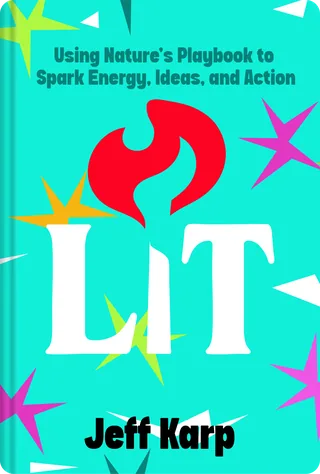
5LIT

LIT

Jeff Karp

Ignite your creativity with science-based tools that generate fresh ideas, sharpen problem-solving, and build resilience for a changing world.

12 min

Listen to the intro

1:57

What is LIT about?

LIT (2024) introduces a collection of life ignition tools designed to interrupt automatic routines and restore curiosity, energy, and purposeful attention. Jeff Karp draws inspiration from neuroscience, nature, personal challenges, and his work as a biomedical researcher to explain how small changes can alter daily experience. The book offers exercises involving movement, environment, reflection, connection, and novelty to help readers become more engaged with their choices and surroundings.

Who should read LIT?

  • Professionals stuck in autopilot routines seeking fresh energy
  • Innovators and problem-solvers looking for science-based creativity tools
  • Anyone who wants to reconnect with curiosity and purpose
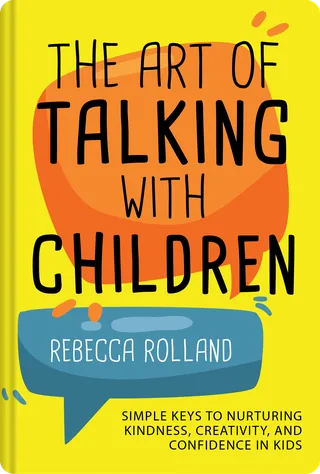
6The Art of Talking with Children

The Art of Talking with Children

Rebecca Rolland

Turn everyday conversations into meaningful learning that strengthens your child’s creativity, empathy, and critical thinking.

19 min

Listen to the intro

1:37

What is The Art of Talking with Children about?

The Art of Talking with Children (2022) shows parents and teachers how everyday conversations can help children think, learn, and grow emotionally. Rebecca Rolland describes different kinds of conversations, from playful and imaginative to reflective and difficult, and explains how to ask better questions and truly listen. The book offers practical examples for children of different ages.

Who should read The Art of Talking with Children?

  • Parents who want deeper, more meaningful talks with children
  • Teachers seeking to build critical thinking through dialogue
  • Caregivers facing difficult topics with children of any age
7Questions Are the Answer

Questions Are the Answer

Hal Gregersen

Unlock creative solutions by asking catalytic questions that challenge assumptions, reveal new possibilities, and drive innovation.

15 min

Listen to the intro

2:04

What is Questions Are the Answer about?

Questions Are the Answer (2018) argues that asking better questions is the key to breakthrough ideas in business and life. Hal Gregersen shares insights from interviews with creative leaders and explains how to create conditions that encourage fresh questions, such as seeking discomfort, staying quiet and listening, and challenging assumptions. The book offers practical methods for sparking innovation.

Who should read Questions Are the Answer?

  • Leaders seeking fresh ideas to drive innovation
  • Teams stuck on problems that resist obvious solutions
  • Anyone who wants to challenge assumptions and think creatively
8The Education of Millionaires

The Education of Millionaires

Michael Ellsberg

Build success beyond degrees by mastering sales, marketing, networking, self-directed learning, and an entrepreneurial mindset.

15 min

Listen to the intro

1:24

What is The Education of Millionaires about?

The Education of Millionaires (2011) argues that many of the skills needed for success in business and life are not taught in universities. Michael Ellsberg interviews successful entrepreneurs and professionals, many without college degrees, to identify the abilities that helped them thrive, such as sales, marketing, networking, and self-directed learning. The book encourages readers to take charge of their own education.

Who should read The Education of Millionaires?

  • Students questioning whether a degree guarantees career success
  • Aspiring entrepreneurs building skills outside formal education
  • Professionals wanting to sharpen sales, marketing and networking skills
9The Art of SEO

The Art of SEO

Eric Enge, Stephan Spencer, and Jessie Stricchiola

Master search strategy by aligning content, technology, and user intent to build lasting visibility and sustainable digital growth.

12 min

Listen to the intro

0:48

What is The Art of SEO about?

The Art of SEO, first published in 2009 and updated in several editions, is one of the most complete guides to search engine optimisation. Eric Enge, Stephan Spencer, and Jessie Stricchiola explain how search engines work, how to research keywords, build technically sound websites, create content people want, earn quality links, and measure results. It is a trusted reference for marketers, developers, and business owners.

Who should read The Art of SEO?

  • Marketers who want their content found through search
  • Developers building websites that search engines can easily crawl
  • Business owners seeking steady online visibility and growth
10Show Your Work!

Show Your Work!

Austin Kleon

Grow your creative audience without forced self-promotion by sharing your process, building community, and letting others learn from your journey.

15 min

Listen to the intro

1:38

What is Show Your Work! about?

Show Your Work! (2014) encourages creative people to share their process, not just their finished products. Austin Kleon offers ten simple ideas, such as thinking about process over product, sharing something small every day, telling good stories, and teaching what you know. He shows how openly sharing your work can help you find an audience, build connections, and grow your career.

Who should read Show Your Work!?

  • Creators who want an audience without pushy self-promotion
  • Freelancers building a reputation by sharing their process
  • Professionals hoping to grow their careers by teaching others
11The Lean Startup

The Lean Startup

Eric Ries

Build smarter businesses by testing ideas quickly, learning from real feedback, and adapting early to reduce risk and create sustainable growth.

20 min

Listen to the intro

0:53

What is The Lean Startup about?

The Lean Startup (2011) presents a scientific approach to building new businesses under conditions of extreme uncertainty. Eric Ries explains how startups can test ideas quickly through a minimum viable product, learn from real customers, and decide whether to persevere or pivot using the build-measure-learn feedback loop. The book has shaped how entrepreneurs and large companies alike develop products and reduce wasted time and money.

Who should read The Lean Startup?

  • Founders testing a new business idea before investing heavily
  • Product managers who want to reduce wasted time and money
  • Corporate teams launching new products under uncertainty
12ADHD for Smart Ass Women

ADHD for Smart Ass Women

Tracy Otsuka

Turn ADHD traits into strengths by understanding your brain, breaking limiting patterns, and building systems that work for you.

18 min

Listen to the intro

1:53

What is ADHD for Smart Ass Women about?

ADHD for Smart Ass Women (2023) offers an empowering and practical examination of how attention deficit hyperactivity disorder can appear in women, particularly when its signs have been misunderstood or overlooked. Tracy Otsuka focuses on qualities such as creativity, curiosity, enthusiasm, intuition, and unconventional thinking while also addressing challenges involving organisation, focus, time, and emotional regulation. The book helps readers understand their patterns, work with their strengths, and develop strategies for creating a productive and fulfilling life.

Who should read ADHD for Smart Ass Women?

  • Women who suspect they have undiagnosed ADHD
  • Anyone struggling with scattered focus and managing time
  • Parents and spouses supporting a woman with ADHD
13The Righteous Mind

The Righteous Mind

Jonathan Haidt

Decode why good people disagree by exploring the moral instincts behind fairness, loyalty, authority, purity, liberty, politics, and religion.

19 min

Listen to the intro

1:27

What is The Righteous Mind about?

The Righteous Mind (2012) explores why good people are divided by politics and religion. Social psychologist Jonathan Haidt argues that moral judgements come mainly from intuition, with reasoning following afterward, and describes several moral foundations, including care, fairness, loyalty, authority, and sanctity, that different groups emphasise in different ways. The book encourages readers to understand opposing views with greater empathy.

Who should read The Righteous Mind?

  • Anyone puzzled by heated disagreements over politics and religion
  • Leaders who want to bridge divides within diverse teams
  • Readers curious about the psychology behind moral judgments
14Smarter Tomorrow

Smarter Tomorrow

Elizabeth Ricker

Upgrade your brain’s performance through neuroscience and simple self-experiments that sharpen focus, creativity, learning, and mental clarity.

17 min

Listen to the intro

1:27

What is Smarter Tomorrow about?

Smarter Tomorrow (2021) explores how people can measure and improve selected cognitive abilities through structured practice, lifestyle changes, and careful experimentation. Elizabeth Ricker examines attention, memory, self-control, creativity, and mental flexibility while explaining the strengths and limitations of popular brain training methods. The book encourages readers to test strategies systematically, observe their own results, and avoid assuming that every technique works equally well for everyone.

Who should read Smarter Tomorrow?

  • Professionals who want sharper focus and memory at work
  • Students looking for evidence-based ways to learn faster
  • Anyone curious to test brain-boosting habits on themselves
15The Hidden Habits of Genius

The Hidden Habits of Genius

Craig Wright

Unlock your potential through the surprising daily habits that shaped history’s greatest minds.

19 min

Listen to the intro

1:45

What is The Hidden Habits of Genius about?

The Hidden Habits of Genius (2020) explores what the world’s greatest minds have in common. Craig Wright examines figures such as Leonardo da Vinci, Marie Curie, Mozart, Shakespeare, and Steve Jobs, and identifies habits that helped them change the world, including curiosity, persistence, imagination, and the ability to connect ideas from different fields. The book shows that genius involves more than natural talent.

Who should read The Hidden Habits of Genius?

  • Students curious about what made history's greatest minds
  • Professionals who want to think more creatively at work
  • Anyone who believes talent alone decides success
16Learn Better

Learn Better

Ulrich Boser

Learn anything more effectively with brain-based techniques that sharpen focus, improve practice, and deepen understanding.

17 min

Listen to the intro

0:55

What is Learn Better about?

Learn Better (2017) explains how anyone can become a more effective learner by using the science of learning. Ulrich Boser describes six steps: value what you learn, set clear goals, develop knowledge, extend it, relate ideas to one another, and rethink your understanding. With stories and research, the book shows that learning is a skill that can be improved with the right strategies.

Who should read Learn Better?

  • Students who want to study smarter, not longer
  • Professionals picking up new skills for their careers
  • Teachers and parents helping others learn more effectively
17Source Code

Source Code

Bill Gates

Follow Bill Gates from a curious Seattle childhood through Harvard to founding Microsoft, in his own account of the people and risks that shaped him.

17 min

Listen to the intro

0:49

What is Source Code about?

Source Code (2025) is Bill Gates’s memoir of his early years, from his childhood in Seattle and his endless curiosity to his first experiences with computers and his time at Harvard. It follows the friendships, risks, and hard work that led him and Paul Allen to found Microsoft in 1975. The book offers an honest, personal look at how family, education, and passion shaped one of the world’s best-known entrepreneurs.

Who should read Source Code?

  • Aspiring entrepreneurs curious how Microsoft really began
  • Parents wondering how to nurture a curious child
  • Anyone who loves memoirs of tech pioneers
18How Economics Explains the World

How Economics Explains the World

Andrew Leigh

Decode everyday choices, global trends, and social change through economic ideas that reveal the hidden forces shaping human behaviour.

23 min

Listen to the intro

2:07

What is How Economics Explains the World about?

How Economics Explains the World (2024) uses economics to tell the story of human history, from the first farmers and early trade to the industrial revolution and the modern global economy. Andrew Leigh shows how ideas such as incentives, specialisation, and innovation help explain why some societies grew rich and others did not. The book is a short, lively introduction to economic history.

Who should read How Economics Explains the World?

  • History lovers curious how wealth shaped civilizations
  • Beginners wanting a lively introduction to economic ideas
  • Anyone wondering why some nations grew rich and others didn't
19Hidden Potential

Hidden Potential

Adam Grant

Unlock hidden potential through learning, persistence, feedback, and supportive relationships that turn growth into lasting achievement.

17 min

Listen to the intro

0:55

What is Hidden Potential about?

Hidden Potential (2023) argues that achievement depends less on natural talent and more on how people grow. Adam Grant explains how character skills such as discipline, determination, and the ability to learn from discomfort help people improve, and how the right support and systems can unlock potential in individuals, schools, and teams. The book is full of research and inspiring stories.

Who should read Hidden Potential?

  • Anyone who believes they lack natural talent
  • Teachers and parents nurturing growth in young learners
  • Managers building teams where people keep improving
20The Element

The Element

Ken Robinson, with Lou Aronica

Find where your natural talents meet your deepest passions to unlock greater creativity, confidence, purpose, and potential.

19 min

Listen to the intro

1:28

What is The Element about?

The Element (2009) explores what happens when people find their element, the place where natural talent meets personal passion. Ken Robinson shares stories of well-known people who discovered their calling, often after struggling in school, and explains how education systems can overlook creativity and different kinds of intelligence. The book encourages readers of all ages to discover their strengths and pursue what truly inspires them.

Who should read The Element?

  • Anyone searching for work that feels truly meaningful
  • Parents and teachers who want to nurture hidden talents
  • Students who feel school overlooks their real strengths

Related topics

Questions about Learning Strategies

What is a good book to start with on learning strategies?

Learn Better is a strong starting point, as it explains brain-based techniques that sharpen focus and deepen understanding. If you want quick results with a specific skill, The First 20 Hours shows how to break a skill into parts and practise it deliberately.

What will I learn from learning strategies books?

You will learn how to practise more effectively, take notes that connect ideas over time, and question your own assumptions. Titles such as How to Take Smart Notes and Hidden Potential also show how feedback, persistence and good systems turn effort into lasting progress.

Who are these summaries for?

They suit students, professionals and lifelong learners who want to study and grow more efficiently. Parents and educators will also find useful ideas, for example in The Art of Talking with Children and Creative Schools.

Get the key ideas from the world's best books in about 15 minutes

Free account · One free summary every day