Get started

Topic

The best 207 Behavioural Science summaries

Behavioural science looks at why people act as they do, from the hidden motives behind everyday choices to the signals we send through words, posture and habits, and it matters to readers in the region who want to understand themselves and others better in family life, at work and in the marketplace. The books here range widely, from practical guides on negotiation and body language and studies of how fear, stress and habit shape the mind to works on the psychology of money and Fanon's account of the inner wounds of colonialism. Readers can use these ideas to communicate more clearly, notice manipulation early, make steadier financial and personal decisions, and build the inner strength to change patterns that hold them back.

1Resilient

Resilient

Rick Hanson with Forrest Hanson

Build lasting inner strength through neuroscience-informed practices that cultivate calm, courage, resilience, and contentment.

14 min

Listen to the intro

1:01

What is Resilient about?

Resilient (2018) shows how to build lasting inner strengths that help people stay calm, happy, and capable during difficult times. Rick Hanson with Forrest Hanson explains twelve key strengths, including compassion, mindfulness, grit, gratitude, confidence, calm, courage, and generosity, and draws on neuroscience to show how repeated positive experiences can shape the brain. The book offers practical exercises for everyday resilience.

Who should read Resilient?

  • Anyone under stress seeking steadier calm and confidence
  • Readers curious how neuroscience can reshape daily habits
  • Parents and professionals building emotional strength under pressure
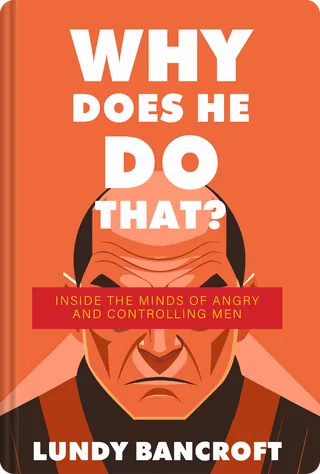
2Why Does He Do That?

Why Does He Do That?

Lundy Bancroft

Recognise the warning signs of abuse, understand manipulation and control, and protect your emotional and physical well-being.

17 min

Listen to the intro

2:54

What is Why Does He Do That? about?

Why Does He Do That? (2002) explains the thinking behind controlling and abusive behaviour in relationships. Drawing on years of working directly with abusive men, Lundy Bancroft shows that abuse comes from attitudes of control and entitlement rather than from anger or stress, and describes the warning signs to watch for. The book helps readers recognise unhealthy patterns, protect themselves, and understand when real change is and is not possible.

Who should read Why Does He Do That??

  • Women who feel controlled or belittled by their husbands
  • Family members worried about a sister's or daughter's marriage
  • Counselors and social workers supporting families facing abuse
3Good Economics for Hard Times

Good Economics for Hard Times

Abhijit Banerjee and Esther Duflo

Cut through economic myths with evidence and human stories that reveal practical paths toward fairer, more resilient societies.

15 min

Listen to the intro

0:47

What is Good Economics for Hard Times about?

Good Economics for Hard Times (2019) applies careful economic research to some of today’s most debated issues, including immigration, trade, economic growth, inequality, and climate change. Abhijit Banerjee and Esther Duflo show that many popular beliefs about these topics are not supported by evidence, and offer practical, humane ideas for policies that could improve people’s lives and restore trust.

Who should read Good Economics for Hard Times?

  • Policymakers seeking evidence-based solutions to social problems
  • Readers curious about immigration, trade and inequality debates
  • Anyone who questions popular economic myths and assumptions
4Evolve Your Brain

Evolve Your Brain

Joe Dispenza

Reshape your mental patterns through neuroplasticity to strengthen focus, shift your mindset, and create lasting inner change.

14 min

Listen to the intro

1:12

What is Evolve Your Brain about?

Evolve Your Brain (2007) explores how the brain can be reshaped through new thoughts, habits, and experiences. Joe Dispenza draws on neuroscience and the concept of neuroplasticity to explain how repeated patterns of thinking and feeling become hardwired, and how conscious effort can form new ones. The book offers practical steps for breaking unhelpful habits and creating lasting personal change.

Who should read Evolve Your Brain?

  • Anyone stuck in habits they want to break
  • Curious readers interested in how the brain changes
  • People seeking lasting personal change and sharper focus
5Make Change That Lasts

Make Change That Lasts

Rangan Chatterjee

Create lasting change through small, sustainable habits that build consistency, improve well-being, and make progress feel achievable.

16 min

Listen to the intro

0:47

What is Make Change That Lasts about?

Make Change That Lasts (2021) explains why so many attempts to change habits fail and how to make changes that stick. Rangan Chatterjee, a family doctor, shows how habits are connected to our identity, stress levels, and daily environment. He offers nine simple, practical steps for building healthier habits in areas such as eating, sleep, movement, and relationships, without relying on willpower alone.

Who should read Make Change That Lasts?

  • Anyone who keeps restarting habits that never stick
  • Busy professionals wanting healthier sleep, eating and movement routines
  • People who feel willpower alone keeps letting them down
6David Copperfield

David Copperfield

Charles Dickens

Follow a young man’s journey through hardship, fortune, and self-discovery as the people he meets shape the course of his life.

20 min

Listen to the intro

2:05

What is David Copperfield about?

David Copperfield (1850) follows the life of its title character from a difficult childhood, marked by the loss of his parents and harsh treatment, to success as an adult writer. Along the way he meets unforgettable characters, from the kind Peggotty and his eccentric aunt Betsey Trotwood to the scheming Uriah Heep. Charles Dickens’s beloved novel explores hardship, friendship, perseverance, and growing up.

Who should read David Copperfield?

  • Readers who love classic coming-of-age novels
  • Anyone overcoming a difficult childhood or setbacks
  • Aspiring writers seeking inspiration from Dickens's storytelling
7Strangers

Strangers

Taichi Yamada

Follow a lonely man haunted by love, loss, and mysterious figures from his past as memory and reality begin to blur.

20 min

Listen to the intro

1:17

What is Strangers about?

Strangers (1987) is a haunting novel about Harada, a lonely, recently divorced television scriptwriter in Tokyo. One evening he meets a couple who look exactly like his parents, who died when he was twelve, and he begins visiting them regularly even as his health mysteriously declines. The novel explores grief, loneliness, memory, and the longing to reconnect with loved ones.

Who should read Strangers?

  • Readers drawn to quiet, haunting Japanese literary fiction
  • Anyone grieving a parent or longing for lost loved ones
  • Writers exploring how memory and loneliness shape a life
8Originals

Originals

Adam Grant

Turn bold ideas into real change by learning how great innovators challenge conventions, break rules strategically, and win support.

17 min

Listen to the intro

1:24

What is Originals about?

Originals (2016) explores how people champion new ideas and change the world. Adam Grant shows how original thinkers recognise good ideas, speak up without being dismissed, build alliances, and manage fear and doubt. With research and stories from business, politics, sports, and entertainment, he also explains how parents and leaders can encourage originality in children and organisations.

Who should read Originals?

  • Employees with bold ideas who struggle to be heard
  • Leaders who want to foster innovation in their teams
  • Parents hoping to nurture creativity in their children
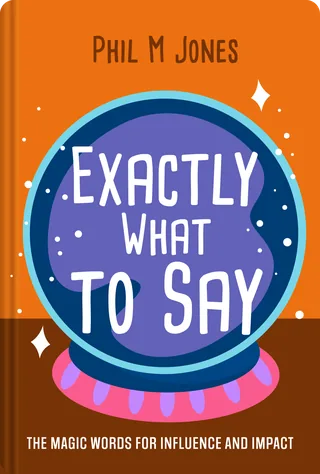
9Exactly What to Say

Exactly What to Say

Phil Jones

Use precise, ethical phrases to reduce hesitation, build agreement, and guide conversations toward confident decisions.

15 min

Listen to the intro

1:32

What is Exactly What to Say about?

Exactly What to Say (2017) offers a collection of simple, powerful phrases that help people influence decisions and handle conversations with confidence. Phil Jones calls them magic words and shows how the right wording can open minds, ease objections, and guide others toward a decision. The book is especially useful for sales, customer service, leadership, and everyday communication.

Who should read Exactly What to Say?

  • Salespeople who want to close deals with confidence
  • Customer service staff handling objections and hesitant clients
  • Leaders who want their words to persuade ethically
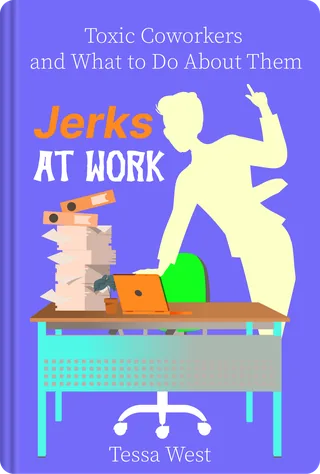
10Jerks at Work

Jerks at Work

Tessa West

Handle difficult coworkers by recognising toxic behaviour, managing conflict strategically, and protecting your energy and well-being.

17 min

Listen to the intro

1:28

What is Jerks at Work about?

Jerks at Work (2022) helps readers deal with difficult coworkers. Tessa West describes common types, such as the colleague who flatters bosses while mistreating peers, the credit stealer, the bulldozer, the free rider, the micromanager, and the neglectful boss. Drawing on research in psychology, she explains why these behaviours happen and offers practical strategies for protecting yourself and improving the situation.

Who should read Jerks at Work?

  • Employees dealing with a credit stealer or bulldozer
  • Team members stuck carrying a free-riding colleague
  • Professionals coping with a micromanaging or neglectful boss
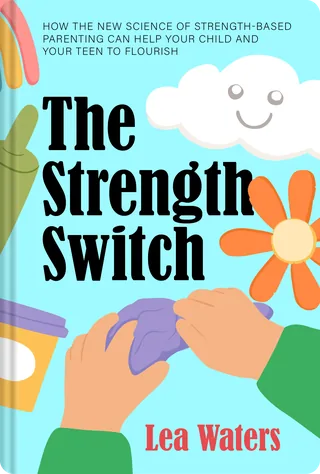
11The Strength Switch

The Strength Switch

Lea Waters

Help your child thrive by nurturing natural strengths, building confidence, improving communication, and encouraging greater joy and resilience.

15 min

Listen to the intro

1:15

What is The Strength Switch about?

The Strength Switch (2017) shows parents how focusing on their children’s strengths, rather than only correcting weaknesses, can help kids grow more confident, resilient, and happy. Lea Waters explains the science of positive psychology and offers practical tools for spotting and building each child’s talents and character strengths. The book helps families create more positive, encouraging relationships at home.

Who should read The Strength Switch?

  • Parents who want to raise confident, resilient children
  • Teachers looking to nurture each student's natural talents
  • Anyone curious about positive psychology in family life
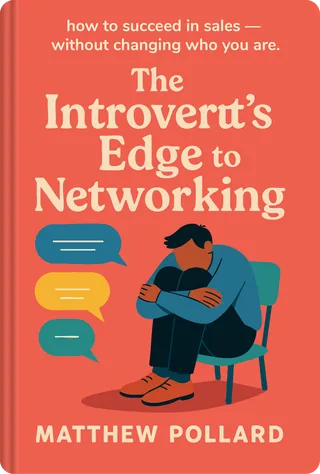
12The Introvert’s Edge to Networking

The Introvert’s Edge to Networking

Matthew Pollard

Build meaningful connections as an introvert through preparation, genuine listening, and authenticity without forcing confidence or draining your energy.

19 min

Listen to the intro

1:33

What is The Introvert’s Edge to Networking about?

The Introvert’s Edge to Networking (2021) shows that introverts can build strong professional relationships without pretending to be outgoing. Matthew Pollard explains how preparation, genuine curiosity, careful listening, and a clear system for conversations turn networking into a strength rather than a source of stress. The book offers practical steps for creating opportunities, finding the right people, and growing a business or career authentically.

Who should read The Introvert’s Edge to Networking?

  • Introverts who dread networking events and small talk
  • Business owners growing their client base without forced selling
  • Professionals who want career growth through genuine connections
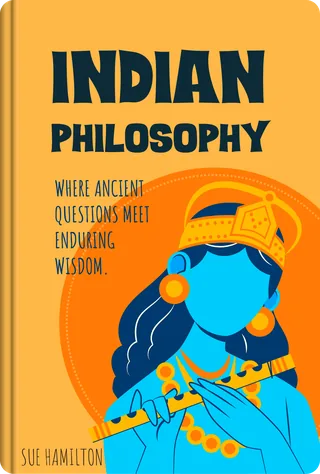
13Indian Philosophy

Indian Philosophy

Sue Hamilton

Journey through Indian philosophy to explore the mind, suffering, liberation, and timeless insights into the self and reality.

20 min

Listen to the intro

1:31

What is Indian Philosophy about?

Indian Philosophy (2001) is a short introduction to the major schools of thought that developed in ancient and classical India. Sue Hamilton explains how thinkers in the Hindu, Buddhist, and Jain traditions approached questions about knowledge, the self, reality, and the path to liberation from suffering. The book presents these ideas clearly for readers new to the subject and shows how they differ from Western philosophy.

Who should read Indian Philosophy?

  • Students new to philosophy beyond the Western tradition
  • Readers curious how Hindu, Buddhist and Jain thinkers reasoned
  • Anyone comparing Eastern and Western ideas about knowledge and reality
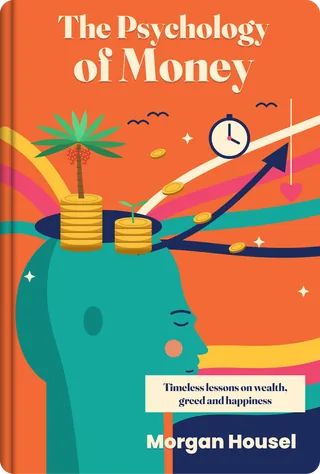
14The Psychology of Money

The Psychology of Money

Morgan Housel

Learn why good behaviour with money matters more than intelligence, and build habits for lasting wealth.

13 min

What is The Psychology of Money about?

The Psychology of Money (2020) explores the strange ways people think about money and how those thoughts shape their decisions. Through short, memorable stories, from a caretaker who quietly left millions to a top executive who lost everything for more, Morgan Housel shows how luck, risk, envy and patience matter more than formulas. The book has sold millions of copies and been translated into dozens of languages.

Who should read The Psychology of Money?

  • Anyone who earns well but never seems to save
  • Young professionals building their first lasting money habits
  • Investors who let fear or envy drive decisions
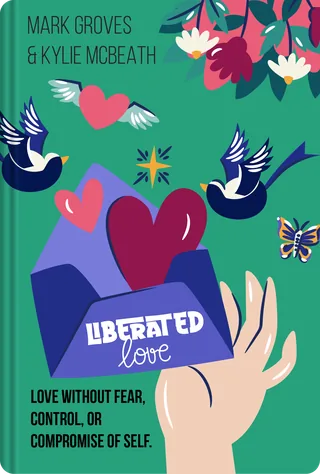
15Liberated Love

Liberated Love

Mark Groves and Kylie McBeath

Create freer, more authentic relationships by healing old wounds, releasing fear, and communicating with clarity and honesty.

13 min

Listen to the intro

2:21

What is Liberated Love about?

Liberated Love (2024) presents a framework for building relationships based on self-awareness, clear boundaries, mutual respect, and emotional responsibility. It encourages readers to move beyond unhealthy patterns while remaining honest about their needs and considerate of others.

Who should read Liberated Love?

  • Couples who want more honest, respectful communication
  • Anyone repeating painful patterns from past relationships
  • People who struggle to set healthy boundaries
16Loving Your Spouse When You Feel Like Walking Away

Loving Your Spouse When You Feel Like Walking Away

Gary Chapman

Rebuild trust, emotional safety, and commitment with practical tools that restore communication, hope, and love during difficult times.

16 min

Listen to the intro

1:37

What is Loving Your Spouse When You Feel Like Walking Away about?

Loving Your Spouse When You Feel Like Walking Away (2008) offers hope to people in difficult marriages. Gary Chapman looks at common problems such as irresponsibility, workaholism, controlling behaviour, verbal harshness, and depression, and shares real stories of couples who faced them. He shows how one partner’s positive choices, honest communication, and healthy boundaries can influence the relationship and open the way to real change.

Who should read Loving Your Spouse When You Feel Like Walking Away?

  • Spouses feeling stuck in a hard, unhappy marriage
  • Anyone married to a harsh, controlling or workaholic partner
  • Couples hoping to rebuild trust before giving up
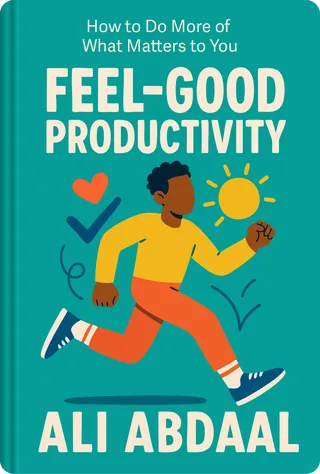
17Feel-Good Productivity

Feel-Good Productivity

Ali Abdaal

Achieve more through joy, purpose, and balanced energy while overcoming procrastination without relying on stress or pressure.

18 min

Listen to the intro

0:49

What is Feel-Good Productivity about?

Feel-Good Productivity (2023) argues that the secret to getting more done is not discipline alone but feeling good while you work. Ali Abdaal, drawing on psychology research, explains three energisers, play, power, and people, that make work more enjoyable. He also shows how to overcome procrastination and avoid burnout, so readers can be productive in a sustainable and happy way.

Who should read Feel-Good Productivity?

  • Procrastinators who want to start tasks without dread
  • Professionals feeling drained or close to burnout
  • Students seeking sustainable ways to stay motivated
18The Geometry of Wealth

The Geometry of Wealth

Brian Portnoy

Redefine wealth by aligning your money with your deepest values, purpose, and the life that brings genuine fulfilment.

18 min

Listen to the intro

1:30

What is The Geometry of Wealth about?

The Geometry of Wealth (2018) asks what it really means to be wealthy and how money can support a happy life. Brian Portnoy argues that true wealth is funded contentment, having enough money to live a meaningful life on your own terms. He combines psychology and finance to show how clear purpose, adaptable priorities, and simple investment strategies can lead to lasting financial well-being.

Who should read The Geometry of Wealth?

  • Professionals who earn well but still feel unsatisfied
  • Anyone wondering how much money is truly enough
  • Beginner investors seeking a simple, purpose-driven approach
19Weird Parenting Wins

Weird Parenting Wins

Hillary Frank

Embrace creative parenting with humour and flexibility, remembering that genuine connection matters more than perfect rules.

16 min

Listen to the intro

0:54

What is Weird Parenting Wins about?

Weird Parenting Wins (2019) collects creative, funny, and surprisingly effective solutions that real parents have discovered for everyday challenges. Hillary Frank gathers ideas for bedtime battles, picky eating, tantrums, and difficult conversations, showing that there is no single right way to raise children. The book reminds parents to trust their instincts and to find humour and connection in the chaos of family life.

Who should read Weird Parenting Wins?

  • Parents struggling with bedtime battles and picky eaters
  • Caregivers tired of rigid, one-size-fits-all parenting advice
  • Anyone seeking more humor and connection in family life
20Mind Over Money

Mind Over Money

Claudia Hammond

Understand the psychology behind your financial choices, overcome hidden biases, and build a healthier, more rational relationship with money.

16 min

Listen to the intro

1:10

What is Mind Over Money about?

Mind Over Money (2016) explores the psychology behind how we think about and use money. Claudia Hammond draws on research to explain why money can affect our emotions, relationships, and decisions in surprising ways, from why we overspend to why paying with cards feels different from paying in cash. The book offers practical tips for making better financial choices and developing a healthier relationship with money.

Who should read Mind Over Money?

  • Anyone who overspends and wants to understand why
  • Readers curious about the psychology behind money decisions
  • Couples seeking calmer, wiser conversations about household spending

Related topics

Questions about Behavioural Science

What is a good book to start with on behavioural science?

Think Like a Psychologist is an accessible starting point, as it shows how to read hidden motives and body language and apply them to decisions and relationships. Emotional Intelligence is another strong foundation, explaining how managing your own emotions shapes how you deal with others.

What will I learn from behavioural science books?

You will learn how people form impressions, why conversations succeed or fail, and how habits, fear and bias quietly steer choices. Titles such as Never Split the Difference and Mind Over Money turn these insights into practical tools for negotiation and wiser decisions about money.

Who are these summaries for?

They suit professionals who negotiate, lead or sell, as well as anyone who wants healthier relationships and clearer thinking. They also help readers protecting themselves from manipulation, with books like Red Flags, Green Flags and The Narcissist's Playbook offering clear guidance.

Get the key ideas from the world's best books in about 15 minutes

Free account · One free summary every day