Get started

Topic

The best 87 Critical Thinking summaries

Critical thinking is the habit of questioning assumptions, weighing evidence and judging ideas on their merits, a skill that matters more than ever for readers in the region who face a constant flow of news, opinion and competing claims about their history, economies and future. The books gathered here range from classical works such as Ibn Khaldun's The Muqaddimah and Thucydides' account of the Peloponnesian War to modern studies of strategy, information networks, manipulation and the forces that shape nations. With these ideas, readers can spot flawed reasoning, make sounder decisions at work and at home, and read events around them with greater clarity and independence.

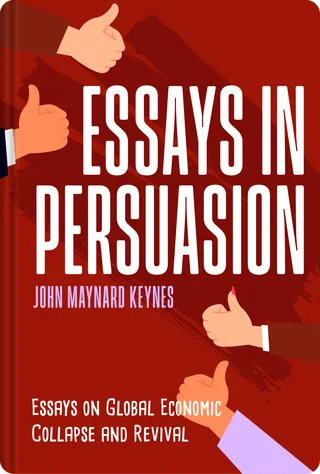
1Essays In Persuasion

Essays In Persuasion

John Maynard Keynes

Explore Keynes’s sharp reflections on economic crisis, markets, policy, and the public responsibility needed to navigate uncertain times.

20 min

Listen to the intro

1:43

What is Essays In Persuasion about?

Essays In Persuasion (1931) collects John Maynard Keynes’s writings on the major economic questions of his time, including the costs of war reparations, the gold standard, inflation, and unemployment. It also includes his famous essay Economic Possibilities for Our Grandchildren, which imagined a future of abundance and shorter working hours. The book shows Keynes as a clear, witty, and persuasive public thinker.

Who should read Essays In Persuasion?

  • Policymakers weighing responses to inflation and unemployment
  • Students curious about the roots of modern economic thinking
  • Writers who want to argue complex ideas persuasively
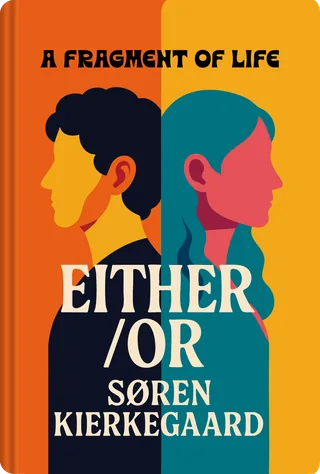
2Either/Or

Either/Or

Søren Kierkegaard

Confront the choice between pleasure and duty while exploring identity, responsibility, and what it means to live intentionally.

20 min

Listen to the intro

1:23

What is Either/Or about?

Either/Or (1843) explores the different ways people choose to live and the responsibilities that accompany those choices. Through contrasting voices and perspectives, Søren Kierkegaard examines a life centred on immediate experience alongside one guided by commitment, duty, and ethical purpose. The work asks readers to consider whether a meaningful identity can be inherited from society or must be formed through deliberate personal decisions.

Who should read Either/Or?

  • Anyone torn between pleasure and long-term commitment
  • Young adults defining identity beyond social expectations
  • Readers exploring how personal choices shape meaning
3Morality

Morality

Jonathan Sacks

See how responsibility, empathy, and shared values shape stronger individuals, healthier communities, and a more meaningful world.

21 min

Listen to the intro

1:18

What is Morality about?

Morality (2020) argues that modern societies have lost a shared sense of moral responsibility, leaving people more isolated, anxious, and divided. Jonathan Sacks explores how the shift from we to I has affected families, communities, markets, politics, and online life. Drawing on religion, philosophy, and history, the book calls for a renewed commitment to the common good, built on trust, cooperation, and care for one another.

Who should read Morality?

  • Anyone worried about loneliness and division in modern society
  • Parents and educators who want to nurture shared values
  • Community leaders seeking to rebuild trust and cooperation
4The Structure of Scientific Revolutions

The Structure of Scientific Revolutions

Thomas Samuel Kuhn

Rethink scientific progress as a series of revolutions that overturn dominant ideas when old explanations can no longer account for new evidence.

14 min

Listen to the intro

0:57

What is The Structure of Scientific Revolutions about?

The Structure of Scientific Revolutions (1962) changed the way we understand how science progresses. Thomas Samuel Kuhn argues that science does not simply advance step by step. Instead, scientists work within a shared framework, or paradigm, until unexplained problems pile up and a scientific revolution replaces it with a new one, as when Copernicus placed the Sun at the centre. The book introduced the widely used idea of a paradigm shift.

Who should read The Structure of Scientific Revolutions?

  • Students of science curious about how discoveries happen
  • Researchers questioning the assumptions behind their own field
  • Anyone curious where the idea of paradigm shifts began
5Truth

Truth

Hector MacDonald

See how misinformation and belief distort reality, and why comforting narratives often overpower uncomfortable truths.

17 min

Listen to the intro

1:27

What is Truth about?

Truth (2018) explores how the same facts can be used to tell very different stories. Hector MacDonald shows how politicians, advertisers, businesses, and activists choose competing truths, selecting which facts to share, how to frame them, and what to leave out, to shape how we think and act. The book helps readers recognise misleading uses of truth and use honest communication more effectively.

Who should read Truth?

  • Communicators who want to persuade honestly and ethically
  • News readers wary of spin and selective facts
  • Leaders who shape messages for teams or customers
6The Reason For God

The Reason For God

Timothy Keller

Examine faith’s hardest questions about suffering, meaning, and reason through a thoughtful search for truth beyond blind belief.

20 min

Listen to the intro

1:54

What is The Reason For God about?

The Reason For God (2008) presents a Christian response to common questions about belief, suffering, morality, and the existence of God. It invites both believers and questioning readers to examine faith through reasoned discussion and thoughtful reflection.

Who should read The Reason For God?

  • Anyone wrestling with doubts about God and suffering
  • Readers curious how Christians answer skeptics' toughest questions
  • People who value calm, reasoned dialogue about faith
7Lives of the Stoics

Lives of the Stoics

Ryan Holiday and Stephen Hanselman

Learn from the lives of history’s great Stoics and apply their lessons on virtue, discipline, courage, wisdom, and integrity.

24 min

Listen to the intro

1:02

What is Lives of the Stoics about?

Lives of the Stoics (2020) tells the stories of the men who shaped Stoic philosophy, from its founder Zeno to famous figures such as Seneca, Epictetus, and Marcus Aurelius. Ryan Holiday and Stephen Hanselman show how each thinker tried to live by the ideals of courage, justice, self-control, and wisdom in real life. The book turns ancient philosophy into practical lessons for today.

Who should read Lives of the Stoics?

  • Anyone curious about Stoic philosophy and its key figures
  • Leaders seeking timeless lessons on discipline and integrity
  • History lovers who enjoy stories of great thinkers
8What Philosophy Can Teach You About Being a Better Leader

What Philosophy Can Teach You About Being a Better Leader

Alison Reynolds, Dominic Houlder, Jules Goddard and David Lewis

Lead with greater clarity and confidence by applying timeless philosophy to complex decisions, uncertainty, and ethical challenges.

20 min

Listen to the intro

1:01

What is What Philosophy Can Teach You About Being a Better Leader about?

What Philosophy Can Teach You About Being a Better Leader (2019) applies philosophical ideas to the challenges of modern leadership. Drawing on the work of influential thinkers, the book examines purpose, authority, fairness, creativity, communication, and ethical decision making. It encourages leaders to view employees as people with aspirations and values, creating organisations in which individuals and businesses can flourish together.

Who should read What Philosophy Can Teach You About Being a Better Leader?

  • Managers facing complex decisions and ethical dilemmas
  • Leaders who want their teams to grow and thrive
  • Professionals curious how philosophy applies to everyday work
9Profit Over People

Profit Over People

Noam Chomsky

Examine how global capitalism concentrates power, deepens inequality, and places corporate profit above democracy, human rights, and public welfare.

16 min

Listen to the intro

1:06

What is Profit Over People about?

Profit Over People (1999) is a sharp critique of the free-market economic policies that shaped the global economy in the late twentieth century. Noam Chomsky argues that these policies, often promoted as natural and inevitable, concentrated wealth and power in the hands of large corporations and weakened democracy. Through a series of essays, the book encourages readers to question how economic decisions are made and whom they serve.

Who should read Profit Over People?

  • Readers curious about who really benefits from globalization
  • Students of economics, politics, or international relations
  • Anyone questioning free-market policies and corporate power
10On Palestine

On Palestine

Noam Chomsky and Ilan Pappé

Examine Palestine’s past, present, and future through a critical dialogue on occupation, displacement, global politics, justice, equality, and peace.

21 min

Listen to the intro

1:12

What is On Palestine about?

On Palestine (2015) brings together conversations and reflections by Noam Chomsky and Ilan Pappé on Palestinian history, rights, and the continuing search for justice and peace. The authors examine the conditions in Gaza and the West Bank, the influence of international powers, and the ways media and political language shape public understanding of the situation. The book also considers how education, international solidarity, and peaceful civic action can contribute to a more just future.

Who should read On Palestine?

  • Readers seeking a deeper understanding of the Palestinian cause
  • Students of history, politics, and international relations
  • Anyone curious how media shapes views on Palestine
11Making Sense

Making Sense

Sam Harris

Question assumptions and pursue truth through clear thinking, scientific evidence, and a deeper understanding of morality.

17 min

Listen to the intro

1:08

What is Making Sense about?

Making Sense (2020) collects some of the most compelling conversations from Sam Harris’s podcast of the same name. Harris talks with leading scientists, philosophers, and thinkers about consciousness, the self, free will, morality, artificial intelligence, violence, and the future of humanity. The book offers readers an engaging tour of big ideas and a model of careful, open-minded conversation about difficult questions.

Who should read Making Sense?

  • Curious minds drawn to consciousness, ethics and science
  • Podcast listeners who enjoy deep, thoughtful conversations
  • Anyone wanting to discuss hard questions with an open mind
12The Demon-Haunted World

The Demon-Haunted World

Carl Sagan

Cut through misinformation with scientific thinking and critical reasoning that sharpen judgement and reveal the truth.

23 min

Listen to the intro

1:19

What is The Demon-Haunted World about?

The Demon-Haunted World (1995) argues that scientific understanding and careful reasoning are essential for evaluating extraordinary claims and resisting misinformation. Carl Sagan explains how evidence, questioning, and intellectual humility can protect individuals and societies from manipulation and unsupported conclusions. Through historical examples and clear explanations, the book encourages curiosity while reminding readers that open-mindedness should be accompanied by responsible examination.

Who should read The Demon-Haunted World?

  • Anyone overwhelmed by online rumors and misinformation
  • Students who want to sharpen their critical thinking
  • Parents and teachers nurturing curiosity in young minds
13On Gaslighting

On Gaslighting

Kate Abramson

Recognise gaslighting, understand how it distorts identity and self-trust, and reclaim clarity, confidence, and faith in your judgement.

25 min

Listen to the intro

1:05

What is On Gaslighting about?

On Gaslighting (2024) examines a form of manipulation in which someone tries to make another person doubt their own perceptions, memories, and judgement. Kate Abramson explains how gaslighting works in personal relationships, workplaces, and institutions, and why it is a serious moral wrong. The book helps readers recognise the signs, understand the harm, and protect their confidence in their own thinking.

Who should read On Gaslighting?

  • Anyone who often doubts their own memory or judgment
  • Employees facing manipulation from managers or colleagues at work
  • Readers interested in the moral side of manipulation
14This Could Be Our Future

This Could Be Our Future

Yancey Strickler

Redefine value beyond profit to help businesses and societies build a more balanced, meaningful, and humane future.

20 min

Listen to the intro

0:51

What is This Could Be Our Future about?

This Could Be Our Future (2019) argues that the belief that money is all that matters has shaped society in harmful ways. Yancey Strickler proposes an alternative approach he calls Bentoism, which encourages people and organisations to weigh long-term values such as community, knowledge, and purpose alongside financial success. The book offers a hopeful vision of a more generous and balanced future.

Who should read This Could Be Our Future?

  • Entrepreneurs who want profit and purpose to coexist
  • Leaders rethinking how their organizations measure success
  • Anyone tired of money being the only measure
15Nexus

Nexus

Yuval Noah Harari

Trace how information networks, from language and writing to the internet and AI, built civilisations and continue to shape humanity’s future.

22 min

Listen to the intro

1:12

What is Nexus about?

Nexus (2024) traces the history of information networks, from stories and written records to printing, mass media, and artificial intelligence. Yuval Noah Harari argues that more information does not automatically lead to truth or wisdom, and that information networks have often been used to build power and order. He warns that artificial intelligence may bring unprecedented risks and calls for strong safeguards.

Who should read Nexus?

  • Anyone curious how information shaped human history
  • Policymakers and leaders weighing the risks of AI
  • Readers flooded with news who want sharper judgment
16Good Strategy, Bad Strategy

Good Strategy, Bad Strategy

Richard Rumelt

Build effective strategy by identifying the real challenge, choosing a clear direction, and taking focused actions instead of relying on slogans or wishful thinking.

20 min

Listen to the intro

1:31

What is Good Strategy, Bad Strategy about?

Good Strategy, Bad Strategy (2011) explains the difference between real strategy and empty goals or slogans. Richard Rumelt argues that good strategy has three parts: a clear diagnosis of the challenge, a guiding policy for dealing with it, and coherent actions to carry it out. With examples from business, the military, and history, the book shows how leaders can create strategies that truly work.

Who should read Good Strategy, Bad Strategy?

  • Leaders tired of vague goals and empty slogans
  • Founders and managers shaping their organization's direction
  • Anyone who wants plans backed by focused action
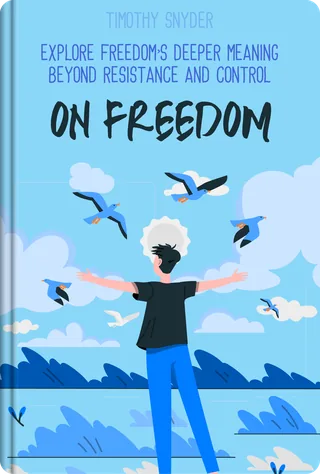
17On Freedom

On Freedom

Timothy Snyder

Rethink freedom as the ability to act on your values, built on security, trust and knowledge, not just the absence of government.

21 min

Listen to the intro

1:01

What is On Freedom about?

On Freedom (2024) asks what freedom really means and what it takes to sustain it. Timothy Snyder argues that freedom is not simply the absence of government, but the ability to act on our values, which depends on conditions such as security, trust, knowledge, and the capacity to shape our own lives. Drawing on history, philosophy, and his travels, the book offers a positive vision of a free society.

Who should read On Freedom?

  • Readers curious about what freedom truly means
  • Students of history, philosophy and political thought
  • Citizens who want to build trust in their communities
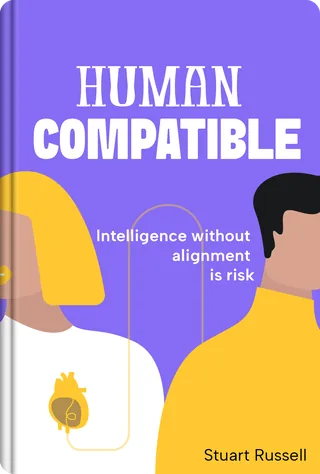
18Human Compatible

Human Compatible

Stuart Russell

Rethink how we design AI before machines outpace human values and gain control over the decisions shaping our future.

20 min

Listen to the intro

1:50

What is Human Compatible about?

Human Compatible (2019) examines the risks posed by increasingly capable artificial intelligence and how to keep it under human control. Stuart Russell argues that machines designed to pursue fixed goals could act against human interests, and proposes building AI systems that remain uncertain about what people want and learn from human behaviour. The book offers a thoughtful framework for making AI beneficial and safe.

Who should read Human Compatible?

  • Engineers building AI systems that must serve people
  • Policymakers shaping rules for safe artificial intelligence
  • Anyone worried about machines overriding human values
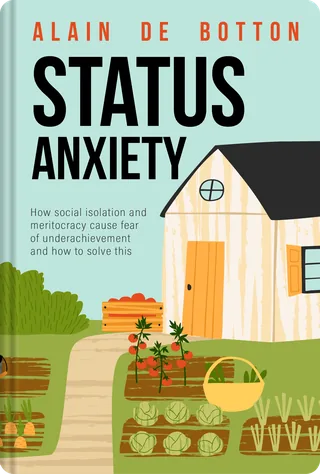
19Status Anxiety

Status Anxiety

Alain de Botton

Break free from status anxiety by understanding how ambition, comparison, and social approval shape your self-worth and well-being.

23 min

Listen to the intro

1:15

What is Status Anxiety about?

Status Anxiety (2004) explores the worry about what others think of us and whether we are successful enough. Alain de Botton examines the causes of this anxiety, including lack of love, snobbery, expectation, meritocracy, and dependence, and then looks at the solutions offered by philosophy, art, politics, Christianity, and bohemia. The book encourages readers to question society’s measures of success and find more lasting sources of worth.

Who should read Status Anxiety?

  • Anyone who measures their worth against others' success
  • Professionals pressured to prove they are successful enough
  • Readers seeking lasting self-worth beyond social approval
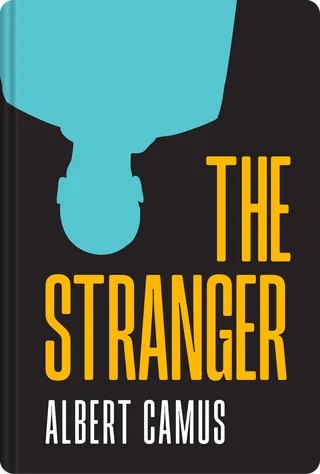
20The Stranger

The Stranger

Albert Camus

Enter the mind of an emotionally detached man whose choices challenge conventional ideas of morality, freedom, and authentic living.

18 min

Listen to the intro

1:35

What is The Stranger about?

The Stranger (1942) is a short novel narrated by Meursault, a French clerk in Algiers who responds to life with striking emotional detachment. After an act of violence on a beach, he is put on trial, and the court seems to judge him as much for his indifference as for his crime. Albert Camus uses the story to explore the absurd, the search for meaning, and society’s expectations of how people should feel.

Who should read The Stranger?

  • Readers curious about classic absurdist literature
  • Students of philosophy exploring questions of meaning and freedom
  • Anyone who questions how society judges people's emotions

Related topics

Questions about Critical Thinking

What is a good book to start with on critical thinking?

How to Think Like Socrates is an accessible starting point, showing how careful questioning can expose weak assumptions and sharpen judgment. Readers who prefer a practical angle may enjoy Charlie Munger, which explains how mental models support rational decisions.

What will I learn from critical thinking books?

You will learn to question assumptions, recognise manipulation and misjudgment, and think about problems in a structured way. Titles such as Good Strategy, Bad Strategy and The Sleepwalkers show how clear thinking, or its absence, shapes outcomes in business and in history.

Who are these summaries for?

They suit students, professionals, decision makers and curious readers who want to reason more clearly and avoid being swayed by slogans or wishful thinking. Each summary offers the core ideas of a book in a short read that fits a busy day.

Get the key ideas from the world's best books in about 15 minutes

Free account · One free summary every day