Get started

Topic

The best 31 Design & Innovation summaries

Design and innovation is about turning a good idea into something people actually need, whether that is a product, a service or a better way of working, and it matters in a region where young founders, growing companies and public institutions are all looking for fresh, practical solutions. The books gathered here range from hands-on design thinking guides and user research methods to works on creative culture, team trust and testing business ideas before investing in them. With these ideas you can understand your users more deeply, test assumptions cheaply, build teams where new thinking is welcome and carry an idea all the way to real impact.

1The Design Thinking Workbook

The Design Thinking Workbook

CJ Meadows and Charvi Parikh

Master design thinking with practical exercises and templates that reveal user needs, solve real problems, prototype ideas, and drive innovation.

13 min

Listen to the intro

2:09

What is The Design Thinking Workbook about?

The Design Thinking Workbook (2022) is a hands-on guide to design thinking, an approach to solving problems and creating new ideas by starting with people’s real needs. CJ Meadows and Charvi Parikh lead readers through essential skills such as observing users, framing problems, generating ideas, building simple prototypes, and testing them. With exercises and visual tools, the book helps businesses, educators, and entrepreneurs innovate more effectively.

Who should read The Design Thinking Workbook?

  • Entrepreneurs building products around real customer needs
  • Educators who want hands-on tools for teaching innovation
  • Team leaders looking for practical problem-solving exercises
2How We Learn

How We Learn

Stanislas Dehaene

Learn faster by understanding how attention, memory, and mastery work together to help your brain absorb and retain knowledge.

20 min

Listen to the intro

1:10

What is How We Learn about?

How We Learn (2020) explains what brain science reveals about learning and how we can use it to learn better. Stanislas Dehaene describes the four pillars of learning: attention, active engagement, error feedback, and consolidation through sleep. He shows why the human brain is such a powerful learning machine and offers practical lessons for students, parents, and teachers.

Who should read How We Learn?

  • Students who want to study smarter and remember more
  • Teachers looking to apply brain science in the classroom
  • Parents who want to support their children's learning
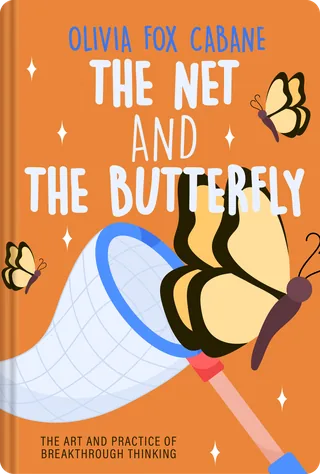
3The Net and the Butterfly

The Net and the Butterfly

Olivia Fox Cabane

Unlock breakthrough ideas by balancing focused effort with mental space, and approach problems with curiosity rather than pressure.

20 min

Listen to the intro

1:05

What is The Net and the Butterfly about?

The Net and the Butterfly (2017) explains how to have breakthrough ideas on demand. Olivia Fox Cabane, writing with Judah Pollack, describes two modes of thinking: the net, which is focused and deliberate, and the butterfly, the relaxed state in which sudden insights appear. Based on brain science, the book shows how to switch between these modes, quiet the inner critic, and turn creative insights into action.

Who should read The Net and the Butterfly?

  • Professionals who need fresh ideas under tight deadlines
  • Leaders seeking breakthrough solutions to stubborn problems
  • Anyone whose inner critic blocks their creative thinking
4The Creative Act

The Creative Act

Rick Rubin

Awaken your natural creativity through 78 insights on awareness, uncertainty, and channelling creative energy into work and life.

19 min

Listen to the intro

1:39

What is The Creative Act about?

The Creative Act (2023) is a reflection on creativity and how anyone can live a more creative life. Drawing on decades of working with artists, Rick Rubin shares short lessons about paying attention, being open to ideas, trusting intuition, experimenting, finishing work, and letting go of fear. The book presents creativity not as a rare gift but as a way of seeing and engaging with the world.

Who should read The Creative Act?

  • Writers, designers and makers stuck in a creative rut
  • Professionals wanting fresh ideas in their everyday work
  • Anyone who believes creativity is a gift they lack
5Change by Design

Change by Design

Tim Brown

Drive innovation through design thinking that combines empathy, experimentation, and rapid prototyping to solve business and social challenges.

21 min

Listen to the intro

1:09

What is Change by Design about?

Change by Design (2009) introduces design thinking, a creative, human-centred approach to solving problems. Tim Brown explains how designers observe people’s real needs, generate many ideas, build quick prototypes, and test them, and shows how businesses, governments, and nonprofits can use the same process to innovate. The book helped bring design thinking into mainstream management.

Who should read Change by Design?

  • Managers who want to build a culture of innovation
  • Entrepreneurs designing products around real customer needs
  • Public sector and nonprofit leaders tackling social challenges
6Creativity, Inc.

Creativity, Inc.

Ed Catmull with Amy Wallace

Unlock your team’s creativity with Pixar-inspired lessons on trust, bold ideas, learning from failure, and fearless collaboration.

14 min

Listen to the intro

0:58

What is Creativity, Inc. about?

Creativity, Inc. (2014) shares the lessons behind Pixar’s long record of creative success. Ed Catmull, the studio’s co-founder, explains how Pixar built a culture of honest feedback, including its Braintrust meetings, and how leaders can protect new ideas, learn from failure, and remove the hidden barriers that stop people from doing their best work. The book offers practical insights for anyone who manages creative people.

Who should read Creativity, Inc.?

  • Managers who lead creative or innovative teams
  • Founders building a culture of honest feedback
  • Anyone who wants to learn from failure
7Of Grammatology

Of Grammatology

Jacques Derrida

Rethink language and meaning by exploring how words constantly shift and quietly shape how we interpret reality.

18 min

Listen to the intro

1:35

What is Of Grammatology about?

Of Grammatology (1967) is a foundational work of deconstruction, the philosophical approach most closely associated with Jacques Derrida. It challenges the long-standing Western belief that speech is more authentic than writing, and shows how meaning is never fully fixed or present. Through close readings of thinkers such as Rousseau, Saussure, and Lévi-Strauss, Derrida questions basic assumptions about language and knowledge.

Who should read Of Grammatology?

  • Philosophy students curious about the roots of deconstruction
  • Literature and linguistics readers questioning how meaning works
  • Anyone who wonders whether words truly capture reality
8Make Your Mark

Make Your Mark

Jocelyn K. Glei

Turn creative ideas into meaningful businesses by defining your vision, innovating with purpose, and leading with authenticity and transparency.

19 min

Listen to the intro

1:18

What is Make Your Mark about?

Make Your Mark (2014) brings together insights from successful entrepreneurs and creative leaders on building a business with purpose and impact. Edited by Jocelyn K. Glei, the book covers topics such as finding a clear purpose, designing great products, building a strong culture, and growing a company without losing its values. Its short, practical essays help creative professionals turn ideas into lasting ventures.

Who should read Make Your Mark?

  • Creative professionals ready to turn ideas into businesses
  • Founders who want to grow without losing their values
  • Leaders building a purpose-driven company culture
9The Element

The Element

Ken Robinson, with Lou Aronica

Find where your natural talents meet your deepest passions to unlock greater creativity, confidence, purpose, and potential.

19 min

Listen to the intro

1:28

What is The Element about?

The Element (2009) explores what happens when people find their element, the place where natural talent meets personal passion. Ken Robinson shares stories of well-known people who discovered their calling, often after struggling in school, and explains how education systems can overlook creativity and different kinds of intelligence. The book encourages readers of all ages to discover their strengths and pursue what truly inspires them.

Who should read The Element?

  • Anyone searching for work that feels truly meaningful
  • Parents and teachers who want to nurture hidden talents
  • Students who feel school overlooks their real strengths
10The Master Algorithm

The Master Algorithm

Pedro Domingos

Explore the search for a universal learning algorithm and how machine learning is transforming science, business, and everyday life.

20 min

Listen to the intro

1:16

What is The Master Algorithm about?

The Master Algorithm (2015) explains how machine learning works and why it is transforming business, science, and daily life. Pedro Domingos describes five major schools of thought in machine learning, each inspired by a different field such as neuroscience, evolution, statistics, logic, and analogy. He argues that combining them could produce a single master algorithm able to learn almost anything from data.

Who should read The Master Algorithm?

  • Professionals curious about how machine learning actually works
  • Business leaders exploring how data can drive decisions
  • Students considering a career in artificial intelligence
11The Creative Thinking Handbook

The Creative Thinking Handbook

Chris Griffiths & Melina Costi

Generate better ideas and solve problems creatively with practical tools like mind mapping, ways past mental blocks, and habits that help creativity thrive in teams.

20 min

Listen to the intro

1:40

What is The Creative Thinking Handbook about?

The Creative Thinking Handbook (2019) offers practical tools and techniques for generating ideas and solving problems more creatively. Chris Griffiths & Melina Costi explain how to overcome mental blocks, use methods such as mind mapping and structured brainstorming, and build a culture in which creativity thrives. The book is designed for individuals and teams who want to think more flexibly and innovate at work.

Who should read The Creative Thinking Handbook?

  • Team leaders who want more ideas from meetings
  • Professionals who feel stuck in routine thinking at work
  • Anyone seeking practical tools for creative problem solving
12100 Things Every Designer Needs to Know About People

100 Things Every Designer Needs to Know About People

Susan M. Weinschenk

Design more intuitive experiences with 100 behavioural science principles that reveal how people see, remember, read, and decide.

21 min

Listen to the intro

1:49

What is 100 Things Every Designer Needs to Know About People about?

100 Things Every Designer Needs to Know About People (2011) explains how people see, think, remember, decide, and feel, and what this means for designing websites, products, and presentations. Susan M. Weinschenk presents one hundred short, research-based insights from psychology and neuroscience, each with practical takeaways. The book helps designers create experiences that are easier and more satisfying to use.

Who should read 100 Things Every Designer Needs to Know About People?

  • UX and UI designers seeking research-backed design principles
  • Product managers building websites and apps people enjoy using
  • Presenters and marketers who want to hold attention
13LIT

LIT

Jeff Karp

Ignite your creativity with science-based tools that generate fresh ideas, sharpen problem-solving, and build resilience for a changing world.

12 min

Listen to the intro

1:57

What is LIT about?

LIT (2024) introduces a collection of life ignition tools designed to interrupt automatic routines and restore curiosity, energy, and purposeful attention. Jeff Karp draws inspiration from neuroscience, nature, personal challenges, and his work as a biomedical researcher to explain how small changes can alter daily experience. The book offers exercises involving movement, environment, reflection, connection, and novelty to help readers become more engaged with their choices and surroundings.

Who should read LIT?

  • Professionals stuck in autopilot routines seeking fresh energy
  • Innovators and problem-solvers looking for science-based creativity tools
  • Anyone who wants to reconnect with curiosity and purpose
14Linchpin

Linchpin

Seth Godin

Become indispensable by combining creativity, initiative, and emotional intelligence to take bold risks and create irreplaceable value.

16 min

Listen to the intro

1:17

What is Linchpin about?

Linchpin (2010) argues that the era of simply following instructions at work is ending, and that the most valued people are those who become indispensable. Seth Godin describes linchpins as people who bring creativity, generosity, and emotional commitment to their work, solving problems no manual can. He encourages readers to overcome fear and share their unique contributions.

Who should read Linchpin?

  • Employees who want to become truly indispensable at work
  • Anyone tired of simply following instructions and routines
  • Professionals held back by fear of taking initiative
15How to Think Like Leonardo da Vinci

How to Think Like Leonardo da Vinci

Michael Gelb

Think like Leonardo da Vinci by sharpening your curiosity, observation, and creativity through practical exercises for everyday life.

21 min

Listen to the intro

1:13

What is How to Think Like Leonardo da Vinci about?

How to Think Like Leonardo da Vinci (1998) turns the habits of one of history’s greatest minds into practical lessons for everyday life. Michael Gelb presents seven principles drawn from Leonardo’s life and notebooks, including endless curiosity, learning from experience, sharpening the senses, embracing uncertainty, balancing art and science, caring for the body, and seeing connections. Exercises help readers apply each principle to boost creativity.

Who should read How to Think Like Leonardo da Vinci?

  • Creative professionals looking to spark fresh ideas
  • Lifelong learners who want to sharpen their curiosity
  • Anyone wanting to bridge art and science in their thinking
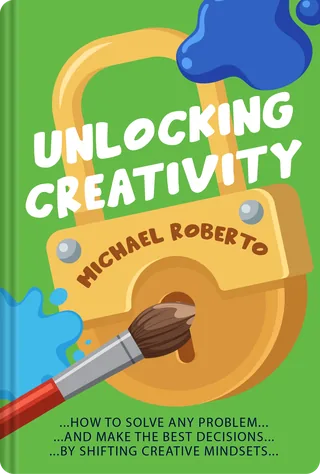
16Unlocking Creativity

Unlocking Creativity

Michael Roberto

Break the systems that stifle innovation and replace limiting assumptions with a culture where creativity can thrive.

16 min

Listen to the intro

1:44

What is Unlocking Creativity about?

Unlocking Creativity (2019) challenges common assumptions about where good ideas come from and explains how certain mental habits can restrict creative thinking. Michael Roberto examines experimentation, collaboration, observation, analogy, questioning, and the productive use of constraints. Through research and organisational examples, the book shows leaders how to identify barriers to innovation and create conditions in which people can explore alternatives, learn from mistakes, and develop better solutions.

Who should read Unlocking Creativity?

  • Leaders who want innovation to thrive in their teams
  • Managers frustrated by systems that block new ideas
  • Anyone who wants to think more creatively at work
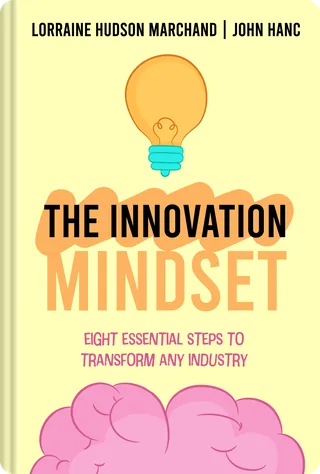
17The Innovation Mindset

The Innovation Mindset

Lorraine Hudson Marchand and John Hanc

Follow 8 practical steps to build an innovative culture, generate stronger ideas, solve complex problems, and create lasting change.

21 min

Listen to the intro

1:05

What is The Innovation Mindset about?

The Innovation Mindset (2022) presents eight steps for turning promising ideas into products, services, and improvements that create genuine value. It emphasises beginning with a real customer problem, testing assumptions, building support, learning from setbacks, and creating an organisational culture where curiosity can lead to useful results.

Who should read The Innovation Mindset?

  • Managers who want to build a more innovative team
  • Entrepreneurs turning promising ideas into products customers value
  • Professionals tackling complex problems that need fresh solutions
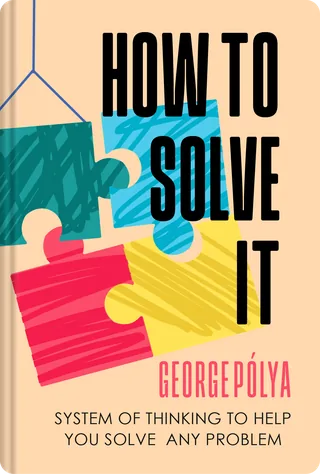
18How to Solve It

How to Solve It

George Pólya

Solve problems with greater clarity and confidence using a timeless method for understanding challenges, creating smart plans, and thinking creatively.

18 min

Listen to the intro

1:42

What is How to Solve It about?

How to Solve It (1945) is a classic guide to solving problems in mathematics and beyond. George Pólya presents a simple four-step method: understand the problem, devise a plan, carry out the plan, and look back to check and learn. With practical questions and techniques such as working backward and solving simpler related problems, the book has helped generations of students and teachers think more clearly.

Who should read How to Solve It?

  • Students who struggle with math or logic problems
  • Teachers who want to build stronger thinking skills
  • Anyone who wants a clear method for tackling problems
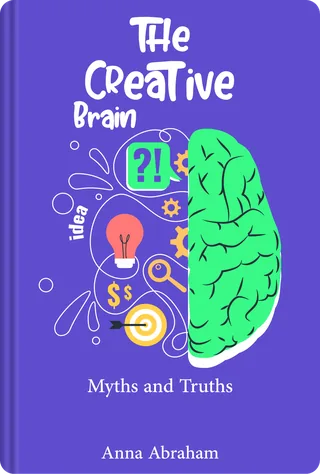
19The Creative Brain

The Creative Brain

Anna Abraham

Unlock more original ideas by understanding how the brain creates—and how creativity can be developed and strengthened.

15 min

Listen to the intro

0:56

What is The Creative Brain about?

The Creative Brain (2024) offers a science-based exploration of how creativity emerges from the human brain. Anna Abraham examines common beliefs about creative thinking, including the idea that creativity belongs exclusively to the brain’s right hemisphere, and compares them with findings from psychology and neuroscience. The book explains how intelligence, imagination, memory, attention, and different brain networks work together to generate original ideas and solve problems.

Who should read The Creative Brain?

  • Anyone curious about the science behind creative thinking
  • Professionals seeking more original ideas and better solutions
  • Readers who question popular myths about the right brain
20Range

Range

David Epstein

Turn broad curiosity and diverse experience into greater creativity, adaptability, and resilience in a world built around specialisation.

17 min

Listen to the intro

1:01

What is Range about?

Range (2019) challenges the popular belief that success comes from specialising early. David Epstein shows that in many fields, people who sample widely, try different activities, and develop broad skills often become more creative and adaptable. With examples from sports, science, music, and business, he explains why generalists thrive in a complex and changing world.

Who should read Range?

  • Professionals worried they changed careers too often
  • Parents pressured to make their children specialize early
  • Curious learners with interests across many different fields

Related topics

Questions about Design & Innovation

What is a good book to start with on design and innovation?

Change by Design is a clear introduction to design thinking and shows how empathy, experimentation and quick prototyping lead to better solutions. If you prefer exercises you can apply right away, The Design Thinking Workbook offers templates for every stage of the process.

What will I learn from design and innovation books?

You will learn how to observe people's real needs, generate and refine ideas, and check them against evidence before committing time and money. Titles such as Testing Business Ideas and 100 Things Every Designer Needs to Know About People give practical tools for making decisions grounded in how customers actually behave.

Who are these summaries for?

They suit entrepreneurs, product managers, designers, team leaders and students who want to solve problems in a more creative and structured way. They are also useful for anyone in an organisation who wants to bring new ideas forward and see them carried out successfully.

Get the key ideas from the world's best books in about 15 minutes

Free account · One free summary every day