Get started

Topic

The best 102 Entrepreneurship summaries

Entrepreneurship covers the work of turning an idea into a business that lasts, a path more and more people across the Middle East are taking as young economies, government support for small companies and digital markets open new doors. The books here range from practical guides on testing ideas, selling, building systems and scaling, to honest accounts of startup life and the journeys of founders and leaders such as Mohammed bin Rashid Al Maktoum. With these ideas you can check a business idea before risking your savings, organise your company so it does not depend on you alone, and make clearer decisions about growth, time and strategy.

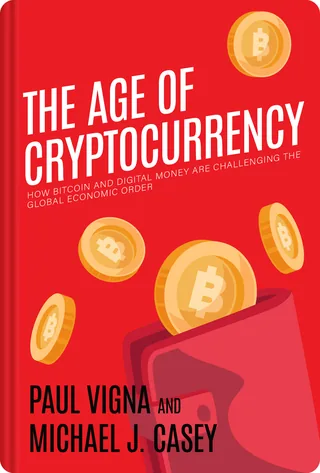
1The Age of Cryptocurrency

The Age of Cryptocurrency

Paul Vigna and Michael J. Casey

See how digital currencies and blockchain redefine trust, reshape global markets, and challenge the foundations of traditional finance.

16 min

Listen to the intro

1:03

What is The Age of Cryptocurrency about?

The Age of Cryptocurrency (2015) explains how Bitcoin and the technology behind it work, and why they could change the way money moves around the world. Paul Vigna and Michael J. Casey trace the origins of digital currency, describe the people and companies building this new system, and discuss its potential benefits and risks for banks, businesses, and ordinary people.

Who should read The Age of Cryptocurrency?

  • Finance professionals curious how blockchain could reshape banking
  • Entrepreneurs exploring new ways to move money globally
  • Anyone wanting a clear introduction to Bitcoin's foundations
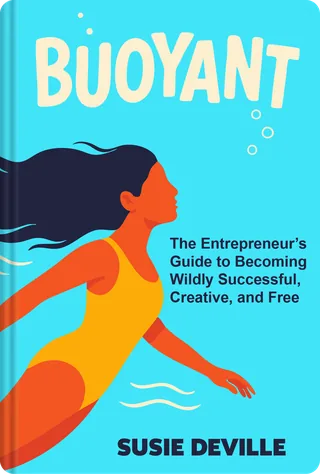
2Buoyant

Buoyant

Susie deVille

Reconnect with creativity, overcome burnout and fear, and build a business and life aligned with your authentic self.

17 min

Listen to the intro

1:32

What is Buoyant about?

Buoyant (2022) explores how entrepreneurs, professionals, and creators can recover the curiosity and imagination often weakened by pressure, routine, and fear of failure. Susie deVille explains how surroundings, daily habits, physical movement, play, and creative experimentation can restore energy and produce fresh ideas. Combining personal experience with practical exercises, the book encourages readers to move beyond self-doubt, reconnect with their natural creativity, and build work and lives that feel more purposeful and free.

Who should read Buoyant?

  • Entrepreneurs feeling drained by pressure and routine
  • Professionals recovering from burnout and fear of failure
  • Creators seeking to rekindle curiosity and fresh ideas
3Money

Money

Rob Moore

Master money through a stronger mindset, multiple income streams, entrepreneurship, and smart systems that build wealth with purpose.

15 min

Listen to the intro

1:34

What is Money about?

Money (2017) offers a practical and motivating guide to understanding, earning, and managing money. Rob Moore explains how beliefs and emotions shape our financial habits, and shares strategies for increasing income, saving, investing, and using money to create more freedom and opportunity. The book encourages readers to know more about money, make more of it, and use it to help others.

Who should read Money?

  • Anyone whose beliefs about money hold them back
  • Employees seeking extra income streams beyond their salary
  • Aspiring entrepreneurs wanting to build wealth with purpose
4Bigger Than You

Bigger Than You

Kelly Roach

Scale beyond yourself by building strong systems, leading with clarity, and empowering a high-performing team to drive sustainable growth.

17 min

Listen to the intro

1:44

What is Bigger Than You about?

Bigger Than You (2018) explains how entrepreneurs can move beyond doing everything themselves and build a team capable of supporting sustainable growth. Kelly Roach discusses hiring, training, delegation, accountability, communication, culture, and the transition from individual performer to organisational leader. The book encourages business owners to create clear systems and develop other people so that the company’s progress no longer depends entirely on the founder’s time and personal effort.

Who should read Bigger Than You?

  • Founders who still handle every task themselves
  • Small business owners ready to hire and delegate
  • Entrepreneurs moving from solo performer to team leader
5What They Don’t Teach You at Harvard Business School

What They Don’t Teach You at Harvard Business School

Mark H. McCormack

Master the business skills rarely taught in classrooms, from reading people and negotiating effectively to making sharper real-world decisions.

15 min

Listen to the intro

2:02

What is What They Don’t Teach You at Harvard Business School about?

What They Don’t Teach You at Harvard Business School (1984) shares practical business lessons that are rarely taught in classrooms. Mark H. McCormack draws on his experience building one of the world’s leading sports management companies to give advice on reading people, negotiating, selling, managing time, and running a company. The book emphasises common sense, observation, and understanding human nature.

Who should read What They Don’t Teach You at Harvard Business School?

  • Young professionals moving from classrooms into real business
  • Salespeople and negotiators who want to read people better
  • Entrepreneurs building a company on practical common sense
6The Design Thinking Workbook

The Design Thinking Workbook

CJ Meadows and Charvi Parikh

Master design thinking with practical exercises and templates that reveal user needs, solve real problems, prototype ideas, and drive innovation.

13 min

Listen to the intro

2:09

What is The Design Thinking Workbook about?

The Design Thinking Workbook (2022) is a hands-on guide to design thinking, an approach to solving problems and creating new ideas by starting with people’s real needs. CJ Meadows and Charvi Parikh lead readers through essential skills such as observing users, framing problems, generating ideas, building simple prototypes, and testing them. With exercises and visual tools, the book helps businesses, educators, and entrepreneurs innovate more effectively.

Who should read The Design Thinking Workbook?

  • Entrepreneurs building products around real customer needs
  • Educators who want hands-on tools for teaching innovation
  • Team leaders looking for practical problem-solving exercises
7The Buddha and the Badass

The Buddha and the Badass

Vishen Lakhiani

Unite inner peace with professional mastery to build a life of greater meaning, influence, compassion, and achievement.

17 min

Listen to the intro

1:20

What is The Buddha and the Badass about?

The Buddha and the Badass (2020) argues that people do not have to choose between inner peace and professional success. Vishen Lakhiani shows how the calm and clarity of the Buddha can be combined with the drive and boldness of the badass to build meaningful work. He shares lessons from building his own company on purpose, intuition, company culture, and leadership.

Who should read The Buddha and the Badass?

  • Professionals torn between ambition and inner peace
  • Founders building companies around purpose and strong culture
  • Leaders who want to lead with calm and courage
8The Icarus Deception

The Icarus Deception

Seth Godin

Stand out, take meaningful risks, and escape obscurity in a world where playing it safe is the greatest danger.

18 min

Listen to the intro

1:45

What is The Icarus Deception about?

The Icarus Deception (2012) retells the Greek myth of Icarus, who flew too close to the sun, and reminds readers that he was also warned not to fly too low. Seth Godin argues that today the bigger danger is playing it safe and blending in. He encourages readers to see themselves as artists, create meaningful work, build connections, and have the courage to share their ideas.

Who should read The Icarus Deception?

  • Professionals who feel stuck playing it safe at work
  • Creators hesitant to share their ideas with the world
  • Anyone seeking the courage to stand out
9The FALCON Method

The FALCON Method

David Solyomi

Pick strong companies and buy them at a discount with a disciplined, step-by-step stock investing system built for long-term, buy-and-hold results.

19 min

Listen to the intro

1:15

What is The FALCON Method about?

The FALCON Method (2017) presents a structured approach to identifying strong companies and making disciplined long-term investment decisions. It encourages readers to study business quality, financial strength, competitive advantages, valuation, and risk rather than follow short-term market excitement.

Who should read The FALCON Method?

  • Investors seeking a clear, step-by-step stock-picking system
  • Long-term investors who value patience over market hype
  • Anyone who wants to judge a company's true worth
10Impromptu

Impromptu

Reid Hoffman with GPT-4

Partner with AI to overcome creative blocks, generate original ideas, and turn imagination into rapid prototypes and stronger creative work.

18 min

Listen to the intro

1:13

What is Impromptu about?

Impromptu (2023) explores how artificial intelligence can amplify human abilities rather than replace them. Reid Hoffman wrote the book in conversation with the AI model GPT-4, testing its strengths and weaknesses in areas such as education, business, creativity, journalism, and justice. The book offers an optimistic but thoughtful look at how people can use AI as a powerful partner.

Who should read Impromptu?

  • Creators stuck in a rut and seeking fresh ideas
  • Professionals curious how AI can amplify their work
  • Educators and journalists weighing AI's promise and limits
11Good to Great

Good to Great

Jim Collins

Turn a good company into a great one through disciplined leadership, clear focus, and consistent execution that delivers lasting success.

19 min

Listen to the intro

1:22

What is Good to Great about?

Good to Great (2001) asks why some companies make the leap from good results to lasting greatness while others do not. Jim Collins and his research team studied companies over decades and identified key factors, including humble but determined Level 5 leaders, getting the right people on the bus, confronting brutal facts, the hedgehog concept, and the flywheel effect. The book remains one of the most influential business books ever written.

Who should read Good to Great?

  • Leaders who want their company to achieve lasting greatness
  • Managers building disciplined teams with the right people
  • Entrepreneurs looking to turn solid results into sustained success
12The Obstacle is the Way

The Obstacle is the Way

Ryan Holiday

Turn obstacles into opportunities through Stoic principles of perception, action, and will that build resilience, clarity, and calm under pressure.

16 min

Listen to the intro

1:24

What is The Obstacle is the Way about?

The Obstacle is the Way (2014) shows how the ancient philosophy of Stoicism can help people turn problems into opportunities. Ryan Holiday draws on the ideas of Marcus Aurelius and the stories of historical figures to explain three disciplines: controlling your perception, taking bold and persistent action, and accepting what you cannot change. The book became a favourite among athletes, leaders, and entrepreneurs.

Who should read The Obstacle is the Way?

  • Leaders and entrepreneurs facing setbacks under pressure
  • Athletes who want mental toughness and steady focus
  • Anyone who wants to accept what they cannot change
13Think Like a Rocket Scientist

Think Like a Rocket Scientist

Ozan Varol

Think like a rocket scientist by questioning assumptions, reasoning from first principles, and testing ideas to achieve breakthrough results.

16 min

Listen to the intro

1:02

What is Think Like a Rocket Scientist about?

Think Like a Rocket Scientist (2020) shows how the thinking strategies of rocket scientists can help anyone solve problems and make bold progress. Ozan Varol explains principles such as reasoning from first principles, embracing uncertainty, running thought experiments, testing ideas, and learning from failure. With stories from space missions and everyday life, the book encourages readers to think more creatively and courageously.

Who should read Think Like a Rocket Scientist?

  • Entrepreneurs tackling problems that seem impossible to solve
  • Professionals who want to challenge assumptions at work
  • Anyone afraid of failure who wants bolder thinking
14Buy Back Your Time

Buy Back Your Time

Dan Martell

Reclaim your time by delegating low-value tasks, focusing on your strengths, and building a business that supports greater freedom.

23 min

Listen to the intro

1:15

What is Buy Back Your Time about?

Buy Back Your Time (2023) shows business owners and professionals how to stop being overwhelmed by their work. Dan Martell explains how to identify the tasks that drain time and energy, delegate or automate them, and focus on the work that creates the most value. With practical tools such as a time and energy audit, the book helps readers grow their businesses while reclaiming time for family and life.

Who should read Buy Back Your Time?

  • Business owners overwhelmed by endless daily tasks
  • Professionals who want more time for family
  • Founders struggling to delegate and grow their business
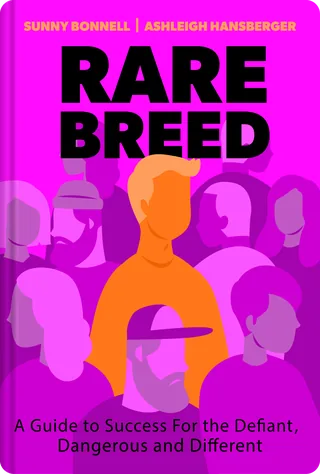
15Rare Breed

Rare Breed

Sunny Bonnell and Ashleigh Hansberger

Turn rebellion, audacity, and obsession into strengths that challenge convention and fuel extraordinary success.

16 min

Listen to the intro

1:06

What is Rare Breed about?

Rare Breed (2018) celebrates the traits that often get people into trouble but can also make them successful, such as being rebellious, audacious, provocative, and unconventional. Sunny Bonnell and Ashleigh Hansberger share stories of entrepreneurs and leaders who turned their differences into strengths, and show readers how to use their own unusual qualities to build a bold career or business.

Who should read Rare Breed?

  • Entrepreneurs who feel out of place in conventional workplaces
  • Professionals often told they are too bold or different
  • Anyone wanting to turn unusual traits into career strengths
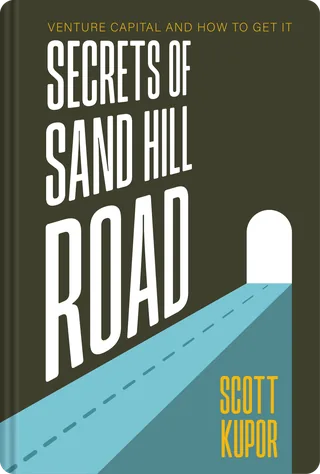
16Secrets of Sand Hill Road

Secrets of Sand Hill Road

Scott Kupor

Navigate venture capital from fundraising to IPO by understanding how investors evaluate startups, make decisions, and build partnerships with founders.

19 min

Listen to the intro

1:34

What is Secrets of Sand Hill Road about?

Secrets of Sand Hill Road (2019) explains how venture capital really works, from the perspective of an experienced investor. Scott Kupor describes how venture firms raise money, choose which startups to fund, negotiate term sheets, and work with company boards. The book helps founders and anyone curious about startups understand how investors think and how to build a strong relationship with them.

Who should read Secrets of Sand Hill Road?

  • Founders preparing to raise venture capital for their startups
  • Entrepreneurs negotiating term sheets with investors for the first time
  • Anyone curious about how startup investors make decisions
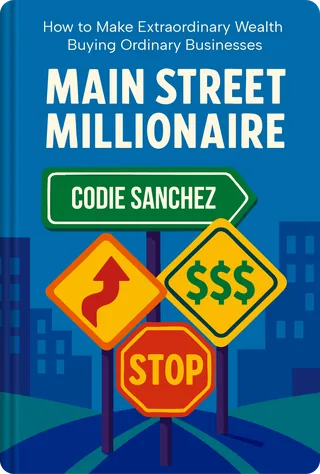
17Main Street Millionaire

Main Street Millionaire

Codie Sanchez

Build wealth by acquiring overlooked small businesses, creating steady cash flow, negotiating smarter deals, and growing them for long-term freedom.

18 min

Listen to the intro

1:20

What is Main Street Millionaire about?

Main Street Millionaire (2024) argues that one of the most reliable paths to wealth is buying and improving small, established businesses rather than starting from scratch or chasing risky startups. Codie Sanchez explains how to find these so-called boring businesses, evaluate them, finance a purchase, and run them better. The book offers a practical guide to building income and ownership.

Who should read Main Street Millionaire?

  • Employees who want to own a business without starting one
  • Investors seeking steady cash flow instead of risky startups
  • Aspiring entrepreneurs avoiding risky startups and starting from scratch
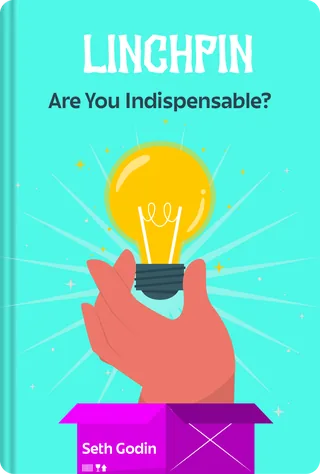
18Linchpin

Linchpin

Seth Godin

Become indispensable by combining creativity, initiative, and emotional intelligence to take bold risks and create irreplaceable value.

16 min

Listen to the intro

1:17

What is Linchpin about?

Linchpin (2010) argues that the era of simply following instructions at work is ending, and that the most valued people are those who become indispensable. Seth Godin describes linchpins as people who bring creativity, generosity, and emotional commitment to their work, solving problems no manual can. He encourages readers to overcome fear and share their unique contributions.

Who should read Linchpin?

  • Employees who want to become truly indispensable at work
  • Anyone tired of simply following instructions and routines
  • Professionals held back by fear of taking initiative
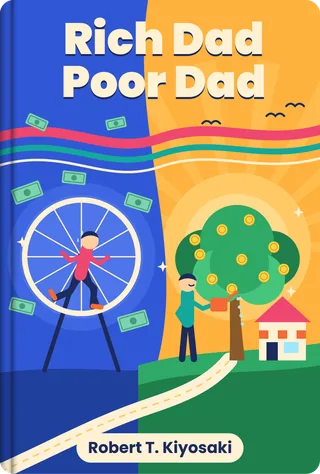
19Rich Dad Poor Dad

Rich Dad Poor Dad

Robert T. Kiyosaki

Learn what the rich teach their children about money, and start making your money work for you.

12 min

What is Rich Dad Poor Dad about?

Rich Dad Poor Dad (1997) contrasts the money lessons Robert Kiyosaki learned from two fathers: his highly educated but struggling father and his best friend's entrepreneurial father. Through simple stories, it explains the difference between assets and liabilities, the trap of the rat race, the value of financial literacy and why working to learn matters as much as working to earn. It became one of the best-selling personal finance books of all time.

Who should read Rich Dad Poor Dad?

  • Employees who feel stuck living paycheck to paycheck
  • Parents who want to teach their children about money
  • Anyone who wants to understand assets versus liabilities
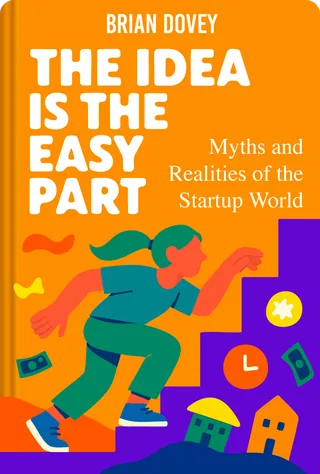
20The idea is the easy part

The idea is the easy part

Brian Dovey

Turn startup ideas into lasting businesses by mastering execution, leadership, and resilience beyond the initial spark of inspiration.

14 min

Listen to the intro

1:22

What is The idea is the easy part about?

The idea is the easy part (2023) explains that successful entrepreneurship depends on execution, judgement, resilience, and teamwork more than on the initial idea alone. Drawing on lessons from company building and venture investment, it explores selecting partners, responding to setbacks, understanding markets, and sustaining a venture through difficult stages of growth.

Who should read The idea is the easy part?

  • Founders turning a promising idea into a real company
  • Entrepreneurs struggling through setbacks in early growth stages
  • Investors and advisors evaluating startup teams and execution

Related topics

Questions about Entrepreneurship

What is a good book to start with on entrepreneurship?

The E-Myth Revisited is a strong first choice because it explains why many small businesses struggle and how building simple systems lets you work on your business rather than in it. If you are still at the idea stage, Testing Business Ideas shows how to check your assumptions with real customers before you invest heavily.

What will I learn from entrepreneurship books?

You will learn how to validate ideas, find and serve customers, sell without pressure, delegate, and grow a company without losing your freedom or well-being. Titles like Lost and Founder and Good Strategy, Bad Strategy also give an honest picture of the challenges founders face and how to set a clear direction.

Who are these summaries for?

They are for aspiring founders, small business owners, freelancers and professionals thinking about starting something of their own. There are also titles for particular situations, such as Working in the Gig Economy for independent workers and A New Way for Mothers for women building a flexible career alongside family life.

Get the key ideas from the world's best books in about 15 minutes

Free account · One free summary every day