Get started

Topic

The best 22 Ancient Thinkers summaries

Ancient Thinkers gathers the ideas of philosophers, historians and strategists from Greece, Rome, India, China and the Islamic world, whose questions about virtue, power, justice and the good life still shape how people think today, and whose legacy includes thinkers from this region such as Ibn Khaldun. The collection ranges from classic works like Plato's Phaedo, Aristotle's Metaphysics and Ibn Khaldun's The Muqaddimah to modern guides that bring Socrates, Aristotle and the Stoics into everyday life. Readers can use these ideas to think more clearly, face hardship with steadiness, understand how societies rise and fall, and weigh their own choices with greater wisdom.

1The Art of Love

The Art of Love

Ovid

Decode the timeless art of attraction through witty lessons on desire, seduction, strategy, and romantic behaviour.

15 min

Listen to the intro

2:40

What is The Art of Love about?

The Art of Love (c. 2 CE) is a classical poem that offers a revealing portrait of courtship and social life in ancient Rome. Through wit, observation, and poetic advice, Ovid examines appearance, conversation, communication, and the customs of his society. Because it reflects the attitudes of a distant historical period, the work is best approached as literature and cultural history rather than modern relationship guidance.

Who should read The Art of Love?

  • Readers exploring classical Latin poetry and Roman literature
  • Students of ancient Roman social life and customs
  • Historians curious how courtship was viewed in antiquity
2The Arthashastra

The Arthashastra

Kauṭalya

Master timeless Indian wisdom on governance, leadership, diplomacy, finance, and strategy through principles of discipline, foresight, and public welfare.

17 min

Listen to the intro

1:15

What is The Arthashastra about?

The Arthashastra (c. 2nd century BCE to 3rd century CE) is an ancient Indian treatise on statecraft, economics, and military strategy. It offers detailed advice to rulers on governing, managing the treasury, administering justice, gathering intelligence, conducting diplomacy, and waging war. The work is one of the oldest surviving texts on political strategy and is often compared to Machiavelli’s The Prince.

Who should read The Arthashastra?

  • Leaders seeking timeless principles of governance and strategy
  • Students of political science and ancient statecraft
  • Anyone comparing Eastern strategic thought with Machiavelli's The Prince
3The Metaphysics

The Metaphysics

Aristotle

Explore the foundations of reality, existence, and knowledge through timeless questions about being, substance, truth, and first principles.

14 min

Listen to the intro

2:00

What is The Metaphysics about?

The Metaphysics (4th century BCE) is a collection of Aristotle’s writings on what he called first philosophy, the study of being itself. It examines the nature of substance, the causes of things, form and matter, potential and actual existence, and the first cause of motion. The work was translated into Arabic and studied closely by Muslim philosophers, most notably Ibn Rushd, who wrote a major commentary on it.

Who should read The Metaphysics?

  • Students of philosophy seeking its foundational questions
  • Readers curious about Ibn Rushd and Islamic philosophy
  • Anyone who wonders what it means for something to exist
4Mythos

Mythos

Stephen Fry

Rediscover ancient Greek myths through a witty retelling of gods, creation, and legendary adventures that continue to shape culture and imagination.

23 min

Listen to the intro

1:32

What is Mythos about?

Mythos (2017) retells the ancient Greek myths with humour and warmth for modern readers. Stephen Fry begins with the creation of the world and the Titans, then follows the gods of Olympus and famous figures such as Prometheus and Pandora. The book shows how these stories have shaped Western language, literature, and art.

Who should read Mythos?

  • Readers curious about the roots of Western literature
  • Students of history, art, or ancient civilizations
  • Anyone who enjoys classic stories told with humor
5The Muqaddimah

The Muqaddimah

Ibn Khaldūn

Discover Ibn Khaldun’s timeless explanation of how social cohesion, leadership, economics, and environment drive the rise and fall of civilisations.

22 min

Listen to the intro

1:14

What is The Muqaddimah about?

The Muqaddimah (1377) is the famous introduction to Ibn Khaldūn’s history of the world and one of the most important works of Arab and Islamic thought. It explains how societies rise and fall, introducing the concept of asabiyyah, or social cohesion, and examining economics, politics, education, and the development of cities. Many scholars regard it as a founding work of sociology and the philosophy of history.

Who should read The Muqaddimah?

  • Students of history, sociology, or political science
  • Leaders curious why nations and civilizations rise and fall
  • Readers exploring the heritage of Arab and Islamic thought
6What Your ADHD Child Wishes You Knew

What Your ADHD Child Wishes You Knew

Sharon Saline

See the world through your ADHD child's eyes and help them succeed at home and school with connection, empathy, collaboration and consistency.

19 min

Listen to the intro

1:48

What is What Your ADHD Child Wishes You Knew about?

What Your ADHD Child Wishes You Knew (2018) helps parents see the world through the eyes of children with ADHD. Sharon Saline draws on interviews with young people and her clinical experience to explain the challenges these children face with attention, emotions, and organisation. She offers a practical approach built on connection, empathy, collaboration, and consistency to help children succeed at home and at school.

Who should read What Your ADHD Child Wishes You Knew?

  • Parents of children recently diagnosed with ADHD
  • Teachers looking to support distracted or restless students
  • Families struggling with homework battles and daily routines
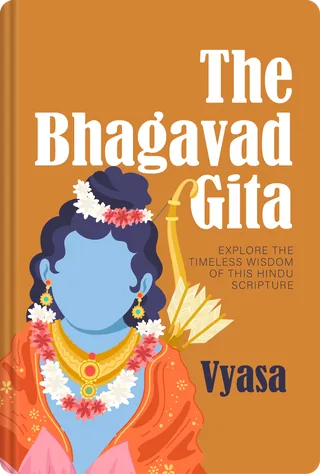
7The Bhagavad Gita

The Bhagavad Gita

Vyasa

Find purpose amid conflict and doubt by aligning your actions with wisdom, duty, and freedom from attachment to outcomes.

17 min

Listen to the intro

1:53

What is The Bhagavad Gita about?

The Bhagavad Gita (c. 2nd century BCE to 2nd century CE) is an ancient spiritual and philosophical text presented as a dialogue between Prince Arjuna and Krishna. It reflects on duty, moral action, devotion, self-discipline, and the search for inner steadiness during difficult decisions.

Who should read The Bhagavad Gita?

  • Leaders facing hard choices between competing duties
  • Readers curious about classic texts of world philosophy
  • Anyone seeking calm focus amid pressure and doubt
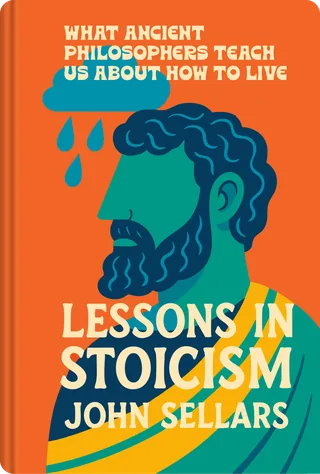
8Lessons in Stoicism

Lessons in Stoicism

John Sellars

Face stress and setbacks with Stoic wisdom that builds calm, perspective, resilience, and inner strength.

19 min

Listen to the intro

1:17

What is Lessons in Stoicism about?

Lessons in Stoicism (2019) is a short, accessible introduction to Stoic philosophy and how it can help in daily life. John Sellars draws on the ideas of Seneca, Epictetus, and Marcus Aurelius to explain how to focus on what we can control, manage difficult emotions, handle setbacks calmly, and live in harmony with others and with nature. The book shows why these ancient ideas remain useful today.

Who should read Lessons in Stoicism?

  • Anyone feeling overwhelmed by stress or daily pressures
  • Professionals facing setbacks who want to stay calm
  • Readers curious about Stoic philosophy and its practical uses
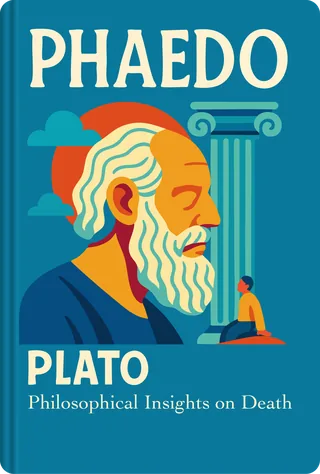
9Phaedo

Phaedo

Plato

Contemplate the soul, virtue, and mortality through a timeless dialogue that reveals how understanding death can deepen life’s meaning.

11 min

Listen to the intro

1:00

What is Phaedo about?

Phaedo (c. 360 BCE) is a dialogue by Plato set on the last day of Socrates’ life, before his execution in Athens. Surrounded by his friends, Socrates calmly discusses death and offers several arguments for the immortality of the soul. The work explores how a philosopher should live and why wisdom and virtue matter more than bodily pleasures.

Who should read Phaedo?

  • Readers curious about the soul and life after death
  • Students exploring the foundations of Western philosophy
  • Anyone seeking calm and meaning when facing mortality
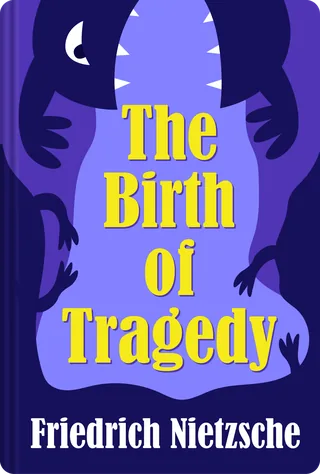
10The Birth of Tragedy

The Birth of Tragedy

Friedrich Nietzsche

Explore how the tension between Apollonian order and Dionysian ecstasy gave birth to tragedy before Socratic reason weakened its power.

14 min

Listen to the intro

1:59

What is The Birth of Tragedy about?

The Birth of Tragedy (1872) is Friedrich Nietzsche’s first book, a study of the origins and meaning of ancient Greek tragedy. He argues that tragedy arose from the union of two forces, the Apollonian, representing order, form, and reason, and the Dionysian, representing passion and collective emotion. Nietzsche also claims that the rise of Socratic rationalism led to tragedy’s decline, and he explores what art can offer in facing life’s suffering.

Who should read The Birth of Tragedy?

  • Philosophy students curious about Nietzsche's earliest ideas
  • Literature and theater lovers exploring Greek tragedy's origins
  • Anyone asking what art offers in facing suffering
11History of the Peloponnesian War

History of the Peloponnesian War

Thucydides

Witness the struggle between Athens and Sparta while uncovering timeless lessons on power, ambition, fear, leadership, and the nature of war.

20 min

Listen to the intro

1:19

What is History of the Peloponnesian War about?

History of the Peloponnesian War (5th century BCE) is the classic account of the long war between Athens and Sparta and their allies in ancient Greece. Thucydides, who lived through the conflict, describes its causes, battles, and political debates, including famous speeches such as Pericles’ funeral oration. His careful, evidence-based approach makes the work one of the foundations of historical writing and political thought.

Who should read History of the Peloponnesian War?

  • Leaders seeking timeless lessons on power and ambition
  • Students of history, politics and international relations
  • Anyone curious about why great powers go to war
12The Obstacle is the Way

The Obstacle is the Way

Ryan Holiday

Turn obstacles into opportunities through Stoic principles of perception, action, and will that build resilience, clarity, and calm under pressure.

16 min

Listen to the intro

1:24

What is The Obstacle is the Way about?

The Obstacle is the Way (2014) shows how the ancient philosophy of Stoicism can help people turn problems into opportunities. Ryan Holiday draws on the ideas of Marcus Aurelius and the stories of historical figures to explain three disciplines: controlling your perception, taking bold and persistent action, and accepting what you cannot change. The book became a favourite among athletes, leaders, and entrepreneurs.

Who should read The Obstacle is the Way?

  • Leaders and entrepreneurs facing setbacks under pressure
  • Athletes who want mental toughness and steady focus
  • Anyone who wants to accept what they cannot change
13Aristotle’s Way

Aristotle’s Way

Edith Hall

Apply Aristotle’s wisdom on virtue, happiness, friendship, and purpose to build a more balanced and meaningful life today.

17 min

Listen to the intro

1:25

What is Aristotle’s Way about?

Aristotle’s Way (2018) shows how the ancient philosopher’s ideas can help people live happier and more meaningful lives today. Edith Hall explains Aristotle’s practical wisdom on decision-making, communication, self-knowledge, friendship, love, and facing death. The book presents his ethics not as a set of strict rules, but as a guide to developing good character and flourishing as a human being.

Who should read Aristotle’s Way?

  • Anyone seeking a happier, more meaningful daily life
  • Readers curious how ancient philosophy applies today
  • People working on character, judgment and better decisions
14Think

Think

Simon Blackburn

Explore philosophy’s biggest questions about truth, morality, free will, and the mind while sharpening how you understand life.

19 min

Listen to the intro

1:20

What is Think about?

Think (1999) is an accessible introduction to philosophy for general readers. Simon Blackburn explores central questions about knowledge, the mind, free will, personal identity, reasoning, and morality, and introduces the ideas of great thinkers such as Descartes and Hume. The book encourages readers to think carefully and critically about their own beliefs.

Who should read Think?

  • Beginners curious about philosophy's biggest questions
  • Students wanting a clear introduction to great thinkers
  • Anyone who wants to reason more carefully and clearly
15A Brief History of Thought

A Brief History of Thought

Luc Ferry

Trace the evolution of Western philosophy and see how its greatest traditions confront life’s enduring questions of meaning, freedom, mortality, and wisdom.

18 min

Listen to the intro

1:06

What is A Brief History of Thought about?

A Brief History of Thought (2006) introduces the great ideas of Western philosophy through one central question: how can we live well once we know we will die? Luc Ferry traces the answers offered by Greek Stoicism, Christianity, modern humanism, and postmodern thinkers such as Nietzsche and Heidegger. Written with clarity for general readers, the book shows philosophy as a search for wisdom and a good life.

Who should read A Brief History of Thought?

  • Beginners curious about the big ideas of Western philosophy
  • Readers reflecting on meaning, mortality and living well
  • Students seeking a clear overview of major thinkers
16Sun Tzu and the Art of Business

Sun Tzu and the Art of Business

Mark R. McNeilly

Apply Sun Tzu’s timeless wisdom to outthink competitors, strengthen your position, and win in business through insight rather than force.

24 min

Listen to the intro

1:20

What is Sun Tzu and the Art of Business about?

Sun Tzu and the Art of Business (1996) applies the ideas of The Art of War to modern competition. Mark R. McNeilly turns Sun Tzu’s teachings into six strategic principles, including winning without destroying the market, attacking a competitor’s weaknesses, using speed and preparation, and leading by example. With business case studies, the book shows how ancient strategy can guide today’s managers.

Who should read Sun Tzu and the Art of Business?

  • Managers competing in crowded, fast-moving markets
  • Entrepreneurs seeking smarter ways to outmaneuver rivals
  • Leaders who want to guide teams by example
17The Practicing Stoic

The Practicing Stoic

Ward Farnsworth

Apply Stoic wisdom to manage stress and desire with greater calm, resilience, and strength of character.

18 min

Listen to the intro

1:15

What is The Practicing Stoic about?

The Practicing Stoic (2018) is a practical guide to Stoic philosophy built from the words of the great Stoic writers, especially Seneca, Epictetus, and Marcus Aurelius. Ward Farnsworth arranges their ideas by theme, including judgement, desire, emotion, adversity, and the shortness of life, and adds clear commentary. The book shows how Stoic wisdom can help readers stay calm, think clearly, and face challenges with strength.

Who should read The Practicing Stoic?

  • Anyone seeking calm amid stress and daily pressures
  • Readers curious about Seneca, Epictetus and Marcus Aurelius
  • Leaders who want steadier judgment in hard times
18Summa Theologica

Summa Theologica

Thomas Aquinas

Examine life’s deepest questions through reason and faith, uncovering how morality and purpose guide a meaningful way of living.

14 min

Listen to the intro

1:26

What is Summa Theologica about?

Summa Theologica (1265–1274) is the best-known work of Thomas Aquinas and one of the most influential texts of medieval philosophy and Christian theology. Written as an orderly series of questions, objections, and replies, it addresses the existence and nature of God, ethics, human nature, law, and virtue. Aquinas drew heavily on Aristotle and on Muslim philosophers such as Ibn Sina and Ibn Rushd, and left the work unfinished at his death.

Who should read Summa Theologica?

  • Students of philosophy exploring medieval thought and its roots
  • Readers curious how Ibn Sina and Ibn Rushd shaped Europe
  • Anyone weighing how reason and faith answer life's big questions
19How to Think Like Socrates

How to Think Like Socrates

Donald Robertson

Apply Socratic wisdom to question assumptions, sharpen judgement, strengthen resilience, and live with greater clarity and purpose.

18 min

Listen to the intro

1:51

What is How to Think Like Socrates about?

How to Think Like Socrates (2024) introduces the life and methods of the ancient Greek philosopher Socrates and shows how his ideas can help us today. Donald Robertson explains the Socratic method of asking careful questions to test beliefs, and shows how it can improve reasoning, emotional resilience, and self-knowledge. The book combines history, philosophy, and practical psychology.

Who should read How to Think Like Socrates?

  • Anyone who wants to test their own beliefs
  • Professionals seeking sharper judgment and clearer reasoning
  • Readers curious how ancient philosophy helps daily life
20Lives of the Stoics

Lives of the Stoics

Ryan Holiday and Stephen Hanselman

Learn from the lives of history’s great Stoics and apply their lessons on virtue, discipline, courage, wisdom, and integrity.

24 min

Listen to the intro

1:02

What is Lives of the Stoics about?

Lives of the Stoics (2020) tells the stories of the men who shaped Stoic philosophy, from its founder Zeno to famous figures such as Seneca, Epictetus, and Marcus Aurelius. Ryan Holiday and Stephen Hanselman show how each thinker tried to live by the ideals of courage, justice, self-control, and wisdom in real life. The book turns ancient philosophy into practical lessons for today.

Who should read Lives of the Stoics?

  • Anyone curious about Stoic philosophy and its key figures
  • Leaders seeking timeless lessons on discipline and integrity
  • History lovers who enjoy stories of great thinkers

Related topics

Questions about Ancient Thinkers

What is a good book to start with on ancient thinkers?

A Brief History of Thought offers a clear overview of how the great philosophical traditions approached questions of meaning, freedom and wisdom. For a practical starting point, How to Think Like Socrates shows how to question assumptions and sharpen judgment in daily life.

What will I learn from books on ancient thinkers?

You will learn how classical minds understood virtue, reason, leadership and the nature of reality. The Muqaddimah explains how social cohesion and leadership drive the rise and fall of civilizations, while Aristotle's Way applies ideas on virtue and friendship to modern living.

Who are these summaries for?

They suit curious readers, students and professionals who want to understand the roots of human thought without reading long classical texts in full. They also suit anyone looking for timeless guidance on discipline, resilience and sound judgment.

Get the key ideas from the world's best books in about 15 minutes

Free account · One free summary every day