Get started

Topic

The best 40 Artificial Intelligence summaries

Artificial intelligence is changing how people work, learn, do business and govern across the Middle East, where governments and companies are investing heavily in digital transformation, so understanding it has become essential rather than optional. The books here range from practical guides for leaders and professionals to deeper works on machine learning, the global race for AI power, data and privacy, and the ethical questions raised by machines that imitate human thinking. With these ideas, readers can make better decisions about adopting AI at work, build the human skills that machines cannot replace, and think clearly about the kind of future they want this technology to serve.

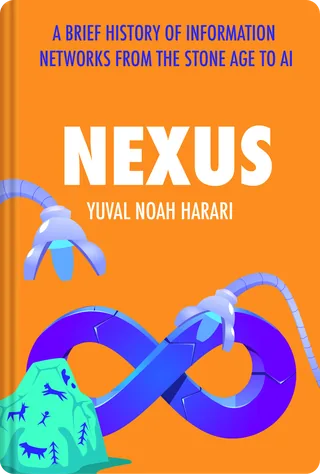
1Nexus

Nexus

Yuval Noah Harari

Trace how information networks, from language and writing to the internet and AI, built civilisations and continue to shape humanity’s future.

22 min

Listen to the intro

1:12

What is Nexus about?

Nexus (2024) traces the history of information networks, from stories and written records to printing, mass media, and artificial intelligence. Yuval Noah Harari argues that more information does not automatically lead to truth or wisdom, and that information networks have often been used to build power and order. He warns that artificial intelligence may bring unprecedented risks and calls for strong safeguards.

Who should read Nexus?

  • Anyone curious how information shaped human history
  • Policymakers and leaders weighing the risks of AI
  • Readers flooded with news who want sharper judgment
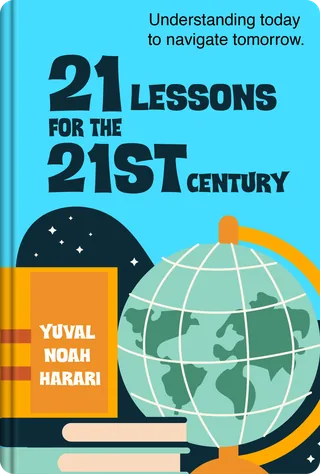
221 Lessons for the 21st Century

21 Lessons for the 21st Century

Yuval Noah Harari

Navigate rapid technological change and political uncertainty with clear thinking, responsible choices, and freedom from fear-driven reactions.

15 min

Listen to the intro

1:40

What is 21 Lessons for the 21st Century about?

21 Lessons for the 21st Century (2018) examines the most pressing challenges of the present, from artificial intelligence and biotechnology to misinformation, nationalism, and the future of work. Yuval Noah Harari explores how these changes affect jobs, freedom, truth, and education, and what individuals can do to stay clear-minded in a confusing world. The book encourages readers to think carefully about the choices facing humanity.

Who should read 21 Lessons for the 21st Century?

  • Professionals worried about AI's impact on their careers
  • Anyone overwhelmed by misinformation and fast-changing news
  • Educators and parents preparing young people for uncertainty
3The AI-fication of Jobs

The AI-fication of Jobs

Huy Nguyen Trieu

Prepare for an AI-driven future by understanding how careers are changing, which skills will matter, and how to adapt and stay ahead.

17 min

Listen to the intro

0:49

What is The AI-fication of Jobs about?

The AI-fication of Jobs (2024) examines how artificial intelligence is changing tasks, professions, and the skills people need to remain effective in the workplace. Huy Nguyen Trieu describes possible outcomes ranging from professionals becoming more productive with AI to the displacement or redesign of certain roles. The book offers a framework for understanding these changes and encourages individuals, organisations, and governments to invest in practical AI knowledge, continuous learning, and responsible adaptation.

Who should read The AI-fication of Jobs?

  • Professionals worried about AI reshaping their careers
  • Leaders preparing their teams for an AI-driven workplace
  • Students choosing skills that will stay relevant
4Quantum Supremacy

Quantum Supremacy

Michio Kaku

Explore how quantum computing could transform AI, medicine, climate research, and the future of human innovation.

20 min

Listen to the intro

1:24

What is Quantum Supremacy about?

Quantum Supremacy (2023) explains how quantum computers work and why they could transform the world. Michio Kaku describes how these machines, which use the strange rules of quantum physics, may one day solve problems far beyond today’s computers, in areas such as medicine, energy, climate, and artificial intelligence. The book offers an exciting and accessible look at a technology still being developed.

Who should read Quantum Supremacy?

  • Tech enthusiasts curious about the next computing revolution
  • Professionals in medicine, energy or AI fields
  • Anyone wanting quantum physics explained in plain language
5The War on Normal People

The War on Normal People

Andrew Yang

Understand how automation is reshaping work and widening inequality, and explore practical ways to rebuild opportunity in a changing economy.

18 min

Listen to the intro

1:16

What is The War on Normal People about?

The War on Normal People (2018) warns that automation and artificial intelligence are rapidly replacing millions of jobs, especially for workers without college degrees. Andrew Yang describes how this shift is already affecting communities and argues that society must respond with new ideas. He makes the case for a universal basic income and a more human-centred economy that values people beyond their jobs.

Who should read The War on Normal People?

  • Workers worried about automation replacing their jobs
  • Policymakers exploring universal basic income and economic reform
  • Anyone curious how AI will reshape communities
6The Skill Code

The Skill Code

Matt Beane

Build lasting expertise through challenge, feedback, and deliberate practice, and stay valuable in a world increasingly shaped by AI.

16 min

Listen to the intro

1:31

What is The Skill Code about?

The Skill Code (2024) warns that new technologies, especially artificial intelligence and automation, can quietly block the traditional ways people learn skills from experts. Matt Beane shows that skills develop best through challenge, complexity, and connection with experienced mentors, and explains how intelligent machines can disrupt that process. He offers practical ideas for protecting and rebuilding skill development at work.

Who should read The Skill Code?

  • Managers who train and develop junior talent
  • Professionals worried about staying relevant as AI spreads
  • Learning and development leaders redesigning workplace training
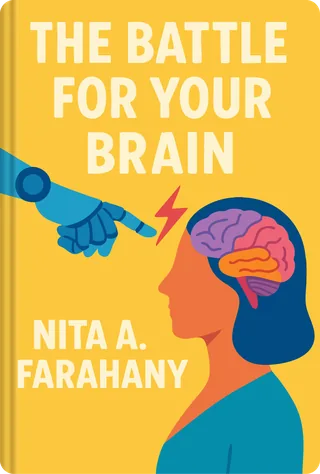
7The Battle for Your Brain

The Battle for Your Brain

Nita A. Farahany

Protect mental privacy by understanding how AI and brain technologies threaten autonomy—and why new legal rights are urgently needed.

16 min

Listen to the intro

1:20

What is The Battle for Your Brain about?

The Battle for Your Brain (2023) warns that brain-tracking technology is quickly moving from the lab into everyday products such as earbuds, headbands, and workplace devices. Nita A. Farahany explains how data from our brains could be used by employers, governments, and companies, and why this threatens privacy and freedom of thought. She proposes a new legal right to cognitive liberty to protect the last private space we have: our minds.

Who should read The Battle for Your Brain?

  • Tech users curious about wearables that read brain data
  • Professionals concerned about workplace monitoring and employee privacy
  • Policymakers and lawyers shaping rights for emerging technologies
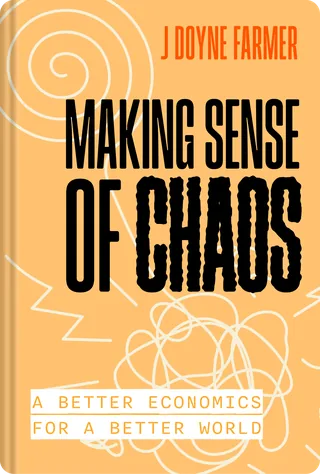
8Making Sense of Chaos

Making Sense of Chaos

J Doyne Farmer

Discover how complexity science reveals patterns within chaos, helping us understand economies, technology, and an unpredictable future.

18 min

Listen to the intro

1:25

What is Making Sense of Chaos about?

Making Sense of Chaos (2024) argues that traditional economics often fails to predict crises because it assumes the economy is stable and predictable. J Doyne Farmer introduces complexity economics, which uses computer simulations of many interacting individuals and businesses to model how real economies behave. He shows how this approach can help us understand financial crashes, climate policy, and economic change.

Who should read Making Sense of Chaos?

  • Economists frustrated by models that miss real crises
  • Policymakers shaping responses to financial and climate risks
  • Anyone curious how simulations reveal patterns in chaos
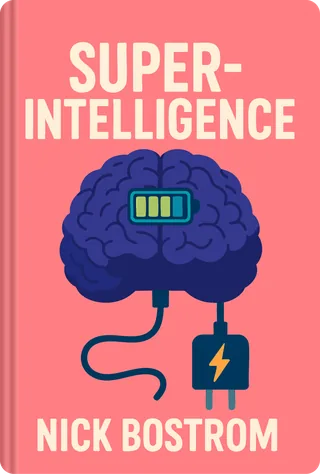
9Superintelligence

Superintelligence

Nick Bostrom

Explore the promise and danger of superintelligent AI, and why preserving human control may determine our future.

16 min

Listen to the intro

1:00

What is Superintelligence about?

Superintelligence (2014) asks what will happen if machines one day become far more intelligent than humans. Nick Bostrom explores the different paths that could lead to superintelligence, the dangers of creating something we cannot control, and the strategies needed to make sure such a system shares human values. The book shaped the global conversation about AI safety and was recommended by leaders such as Bill Gates.

Who should read Superintelligence?

  • Tech professionals building or deploying AI systems
  • Policymakers shaping rules for emerging technologies
  • Curious readers worried about humanity's long-term future
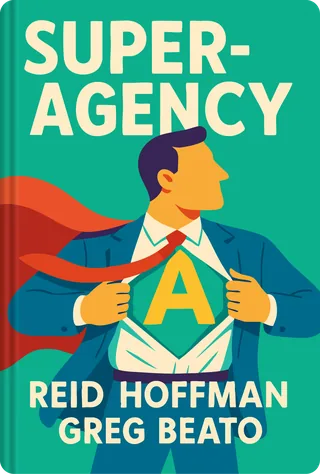
10Superagency

Superagency

Reid Hoffman, Greg Beato

Explore how responsible AI can expand human potential through smarter collaboration, adaptability, and innovation rather than replacement.

20 min

Listen to the intro

2:59

What is Superagency about?

Superagency (2025) offers an optimistic view of artificial intelligence as a tool that can expand what people are able to do. Reid Hoffman and Greg Beato argue that, like the printing press and the internet before it, AI can give individuals more knowledge, choice, and power when it is developed openly and improved through real use. The book invites readers to shape the AI future rather than fear it.

Who should read Superagency?

  • Professionals worried AI might replace their jobs
  • Leaders shaping how their teams adopt AI tools
  • Anyone curious about technology's role in human progress
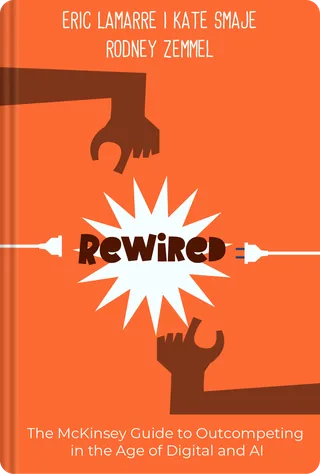
11Rewired

Rewired

Eric Lamarre, Kate Smaje and Rodney Zemmel

Rewire your organisation for the digital and AI age with McKinsey's six capabilities, from a business-led roadmap and the right talent to usable data and adoption that sticks.

16 min

Listen to the intro

1:46

What is Rewired about?

Rewired (2023) is a practical guide to digital and AI transformation for large organisations. Drawing on McKinsey’s experience with hundreds of companies, Eric Lamarre, Kate Smaje and Rodney Zemmel explain the six key capabilities for success: a clear business-led roadmap, the right talent, a flexible operating model, modern technology, data that is easy to use, and effective adoption across the organisation.

Who should read Rewired?

  • Executives leading digital or AI transformation in large organizations
  • Managers whose digital initiatives stall before delivering real value
  • Technology and data leaders aligning their work with business goals
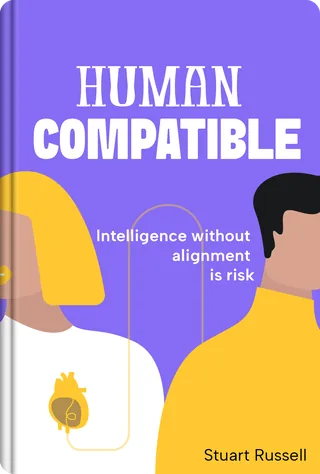
12Human Compatible

Human Compatible

Stuart Russell

Rethink how we design AI before machines outpace human values and gain control over the decisions shaping our future.

20 min

Listen to the intro

1:50

What is Human Compatible about?

Human Compatible (2019) examines the risks posed by increasingly capable artificial intelligence and how to keep it under human control. Stuart Russell argues that machines designed to pursue fixed goals could act against human interests, and proposes building AI systems that remain uncertain about what people want and learn from human behaviour. The book offers a thoughtful framework for making AI beneficial and safe.

Who should read Human Compatible?

  • Engineers building AI systems that must serve people
  • Policymakers shaping rules for safe artificial intelligence
  • Anyone worried about machines overriding human values
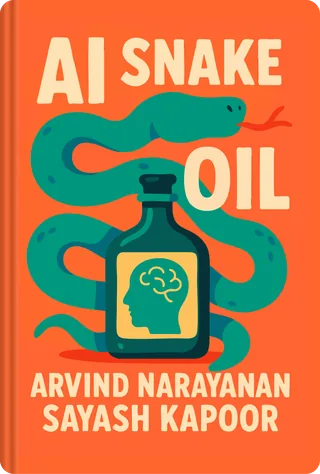
13AI Snake Oil

AI Snake Oil

Arvind Narayanan and Sayash Kapoor

See through AI hype by separating real capabilities from exaggerated claims, flawed science, and misleading marketing.

18 min

Listen to the intro

1:33

What is AI Snake Oil about?

AI Snake Oil (2024) helps readers tell the difference between artificial intelligence that works and AI that does not. Arvind Narayanan and Sayash Kapoor explain why generative AI can be genuinely useful, while predictive AI used to judge people in hiring, policing, or health care often fails. The book offers clear tools for spotting exaggerated claims and thinking critically about AI in everyday life.

Who should read AI Snake Oil?

  • Leaders deciding whether to invest in AI tools
  • HR professionals relying on automated candidate screening software
  • Anyone tired of exaggerated promises about artificial intelligence
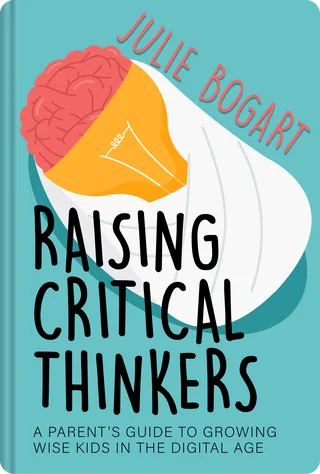
14Raising Critical Thinkers

Raising Critical Thinkers

Julie Bogart

Raise thoughtful children who question confidently, evaluate information clearly, and approach difficult issues with compassion and respect.

17 min

Listen to the intro

1:15

What is Raising Critical Thinkers about?

Raising Critical Thinkers (2022) gives parents practical ways to help children think for themselves in a world full of information and opinions. Julie Bogart explains how to encourage curiosity, help kids examine their own assumptions, understand different viewpoints, and evaluate sources carefully. With activities for different ages, the book shows how everyday conversations, reading, and play can build strong thinking skills.

Who should read Raising Critical Thinkers?

  • Parents who want children to think for themselves
  • Teachers helping students evaluate information and sources wisely
  • Families seeking everyday activities that build thinking skills
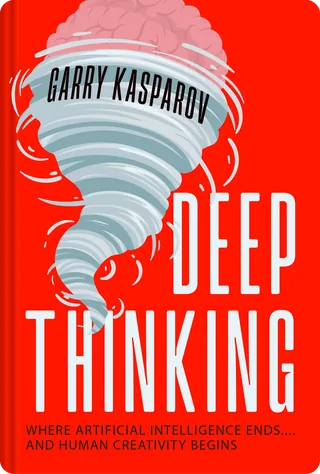
15Deep Thinking

Deep Thinking

Garry Kasparov

Revisit Kasparov’s battle with Deep Blue to discover how humans and machines can collaborate, evolve, and achieve more together.

17 min

Listen to the intro

1:35

What is Deep Thinking about?

Deep Thinking (2017) tells the story of Garry Kasparov’s famous chess matches against IBM’s supercomputer Deep Blue, including his historic loss in 1997. Kasparov reflects on what he learned about machines and human intelligence, and argues that we should not fear artificial intelligence but learn to work with it. He explains how humans and machines together can achieve more than either can alone.

Who should read Deep Thinking?

  • Professionals worried about AI replacing their jobs
  • Chess enthusiasts curious about the Deep Blue matches
  • Leaders exploring how people and technology work together
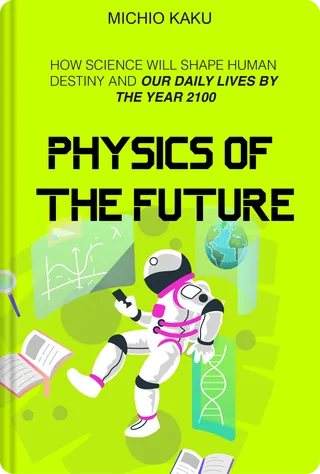
16Physics of the Future

Physics of the Future

Michio Kaku

Imagine the next century through breakthroughs in AI, medicine, nanotechnology, and space travel that could transform human life.

21 min

Listen to the intro

1:01

What is Physics of the Future about?

Physics of the Future (2011) predicts how science and technology could change daily life by the year 2100. Based on interviews with hundreds of leading scientists, Michio Kaku explores coming advances in computers, artificial intelligence, medicine, nanotechnology, energy, and space travel. He explains which developments are likely and when, and considers how they may transform work, health, and society.

Who should read Physics of the Future?

  • Tech enthusiasts curious about where innovation is heading
  • Professionals planning careers around emerging technologies
  • Anyone wondering how science could reshape daily life
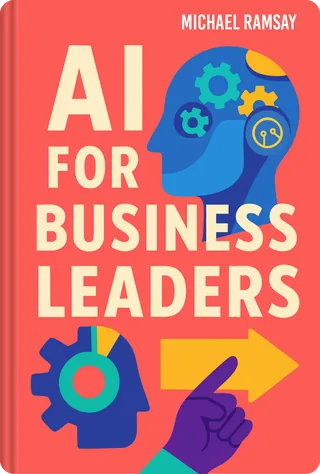
17AI for Business Leaders

AI for Business Leaders

Michael Ramsay

Apply AI confidently to drive growth and innovation while navigating its practical, ethical, and strategic challenges.

21 min

Listen to the intro

1:47

What is AI for Business Leaders about?

AI for Business Leaders (2024) introduces artificial intelligence from the perspective of managers and organisational decision makers. It explains how leaders can identify useful applications, evaluate opportunities and limitations, prepare their teams, and adopt new tools responsibly while keeping business goals at the centre of the process.

Who should read AI for Business Leaders?

  • Executives planning to adopt AI across their organization
  • Managers preparing their teams for new AI tools
  • Entrepreneurs seeking responsible ways to drive growth with AI
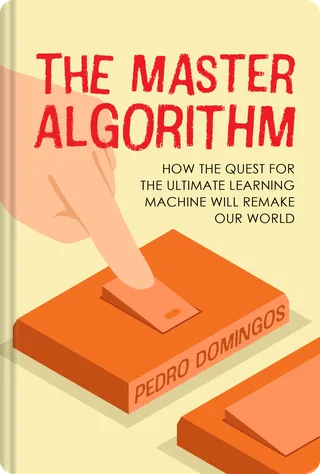
18The Master Algorithm

The Master Algorithm

Pedro Domingos

Explore the search for a universal learning algorithm and how machine learning is transforming science, business, and everyday life.

20 min

Listen to the intro

1:16

What is The Master Algorithm about?

The Master Algorithm (2015) explains how machine learning works and why it is transforming business, science, and daily life. Pedro Domingos describes five major schools of thought in machine learning, each inspired by a different field such as neuroscience, evolution, statistics, logic, and analogy. He argues that combining them could produce a single master algorithm able to learn almost anything from data.

Who should read The Master Algorithm?

  • Professionals curious about how machine learning actually works
  • Business leaders exploring how data can drive decisions
  • Students considering a career in artificial intelligence
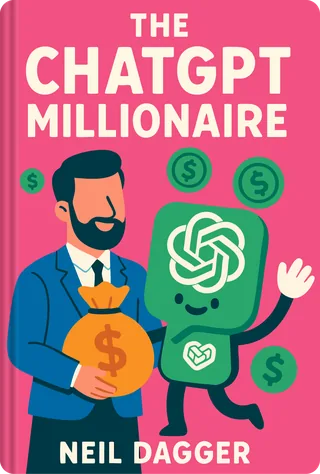
19The ChatGPT Millionaire

The ChatGPT Millionaire

Neil Dagger

Turn ChatGPT and AI tools into income with practical strategies, business ideas, and real-world applications for entrepreneurs.

16 min

Listen to the intro

1:56

What is The ChatGPT Millionaire about?

The ChatGPT Millionaire (2023) introduces ways entrepreneurs and freelancers can use ChatGPT to develop online income opportunities. Neil Dagger discusses content creation, research, digital products, marketing, productivity, and the automation of routine tasks. The book encourages readers to treat artificial intelligence as a practical assistant while testing ideas carefully and building services that provide genuine value.

Who should read The ChatGPT Millionaire?

  • Freelancers looking to earn more online with AI tools
  • Entrepreneurs exploring digital products and AI-driven business ideas
  • Professionals who want to automate repetitive daily tasks
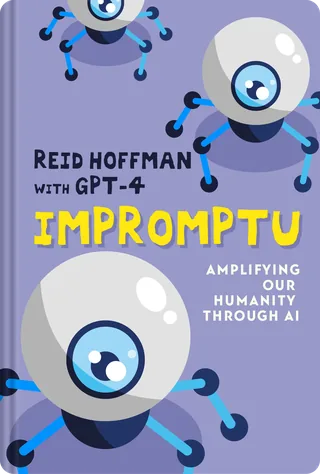
20Impromptu

Impromptu

Reid Hoffman with GPT-4

Partner with AI to overcome creative blocks, generate original ideas, and turn imagination into rapid prototypes and stronger creative work.

18 min

Listen to the intro

1:13

What is Impromptu about?

Impromptu (2023) explores how artificial intelligence can amplify human abilities rather than replace them. Reid Hoffman wrote the book in conversation with the AI model GPT-4, testing its strengths and weaknesses in areas such as education, business, creativity, journalism, and justice. The book offers an optimistic but thoughtful look at how people can use AI as a powerful partner.

Who should read Impromptu?

  • Creators stuck in a rut and seeking fresh ideas
  • Professionals curious how AI can amplify their work
  • Educators and journalists weighing AI's promise and limits

Related topics

Questions about Artificial Intelligence

What is a good book to start with on artificial intelligence?

Human/Machine is a clear starting point, showing how AI and automation can work alongside human creativity and strategy. For a broader view of where the technology may lead, Scary Smart offers an accessible look at AI's impact on humanity and our shared responsibility to guide it.

What will I learn from artificial intelligence books?

You will learn how AI-driven companies compete, how jobs and skills are shifting, and how machine learning actually works, as explained in The Master Algorithm. You will also explore the ethical side, including privacy, control and keeping AI aligned with human values, as discussed in Human Compatible.

Who are these summaries for?

They suit business leaders and managers planning digital change, employees and students preparing for a changing job market, and curious readers who want to understand the technology shaping daily life. Titles such as AI for Business Leaders and Irreplaceable offer practical guidance for each of these readers.

Get the key ideas from the world's best books in about 15 minutes

Free account · One free summary every day