
Your name is called. You stand up, the room goes quiet, and your heart is suddenly louder than your thoughts. The opening sentence you practised in the car has disappeared.
Almost everyone knows that moment. The graduation project defence. The first presentation to senior management. The family gathering where someone says, “Go on, tell them about your new job.” The nerves are normal. What separates confident speakers from the rest is not the absence of fear, but preparation and a few habits that hold you up when the fear arrives.
Speaking well is also one of the most useful skills you can build. It affects how your ideas are received at work, how you are seen in interviews, and how clearly you can explain what you know to the people who need it.
These five summaries, each about fifteen minutes, cover the whole journey: finding your message and your own voice, explaining complex things simply, cutting what does not help, speaking with the presence of a leader, and using language that people remember. At the end there is a seven-day practice plan you can do with nothing but your phone's voice recorder.
Confidence comes from a clear message
Most speaking anxiety is really uncertainty. When you are not sure what your main point is, every pause feels dangerous. When you know it in one sentence, you can lose your place and still find your way back.
Terry Szuplat, who spent years writing speeches for a U.S. president, starts there: find the message first, then the story that carries it. If you cannot say what you want the audience to remember in one breath, the speech is not ready yet.
Explaining is a craft
Being an expert can make you worse at explaining, because you forget what it was like not to know. The journalist Ros Atkins describes a method that works in a presentation, an email or a quick update in the corridor: know your audience, gather the key facts, cut everything that is not needed, then deliver it precisely.
Jay Sullivan makes the same point from another angle. Good communication is not showing everything you know. It is helping other people understand what matters and decide what to do next.
Speaking in a second language, speaking to elders
Many of us present in English at work and speak Arabic everywhere else. It is common to understand a subject perfectly and still freeze because the words come slower in the second language. The solution is not perfect grammar. It is short sentences, a clear structure and permission to pause. A calm pause sounds confident. Rushing to fill it does not.
We also have a strong tradition of speaking well in the majlis, where people listen for respect, clarity and a good story. Those same qualities work in a boardroom. Speak to the most senior person in the room as you would to a respected elder: warmly, clearly and without wasting their time.
Presence is learnable
Presence sounds mysterious, but much of it is practical: standing still, looking at people, slowing down, and handling a tough question without becoming defensive. Suzanne Bates calls these the communication skills of leaders, and none of them require a big personality.
Persuasion has its tools too. Structure, credibility and an understanding of how audiences process information make your points easier to follow and remember. Used honestly, they simply help good ideas get a fair hearing.
Start with a free summary today
Read today's free summaryA free summary every day, in Arabic or English, audio or text.Five summaries, in the order we would read them
Start with the first for confidence and message, then follow the order from explaining clearly to speaking with presence.
 Say It WellTerry SzuplatYou learn how a former presidential speechwriter finds the message, tells stories, connects with an audience and speaks with authenticity, from a short toast to a business presentation.Listen to the summary →
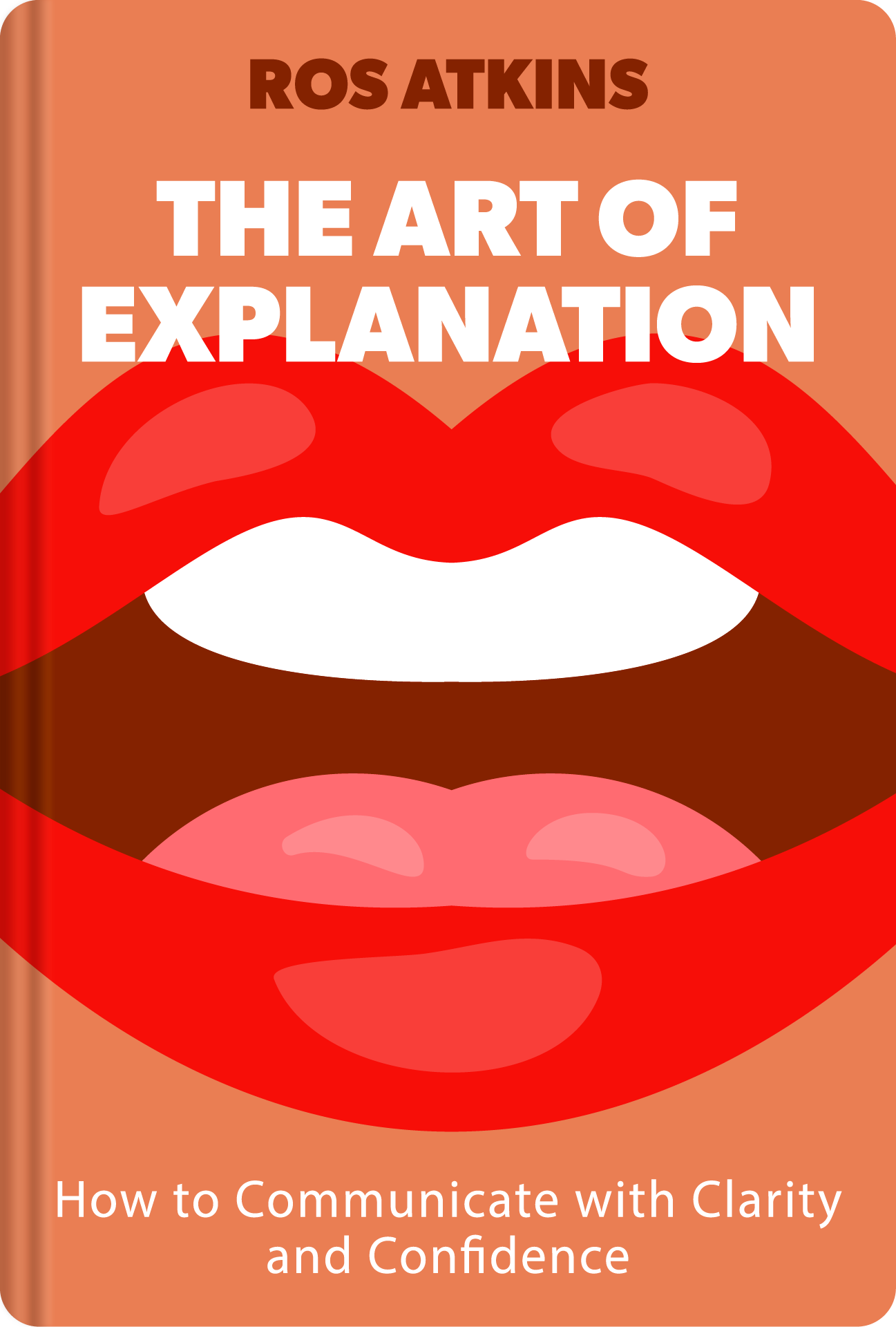 The Art of ExplanationRos AtkinsYou get a journalist's method for explaining complex information clearly: know your audience, gather and organise the key facts, cut what is not needed and deliver a precise message.Listen to the summary →
 Simply SaidJay SullivanYou see how to organise ideas around your audience's needs, remove unnecessary complexity, listen carefully and help people decide what to do next.Listen to the summary →
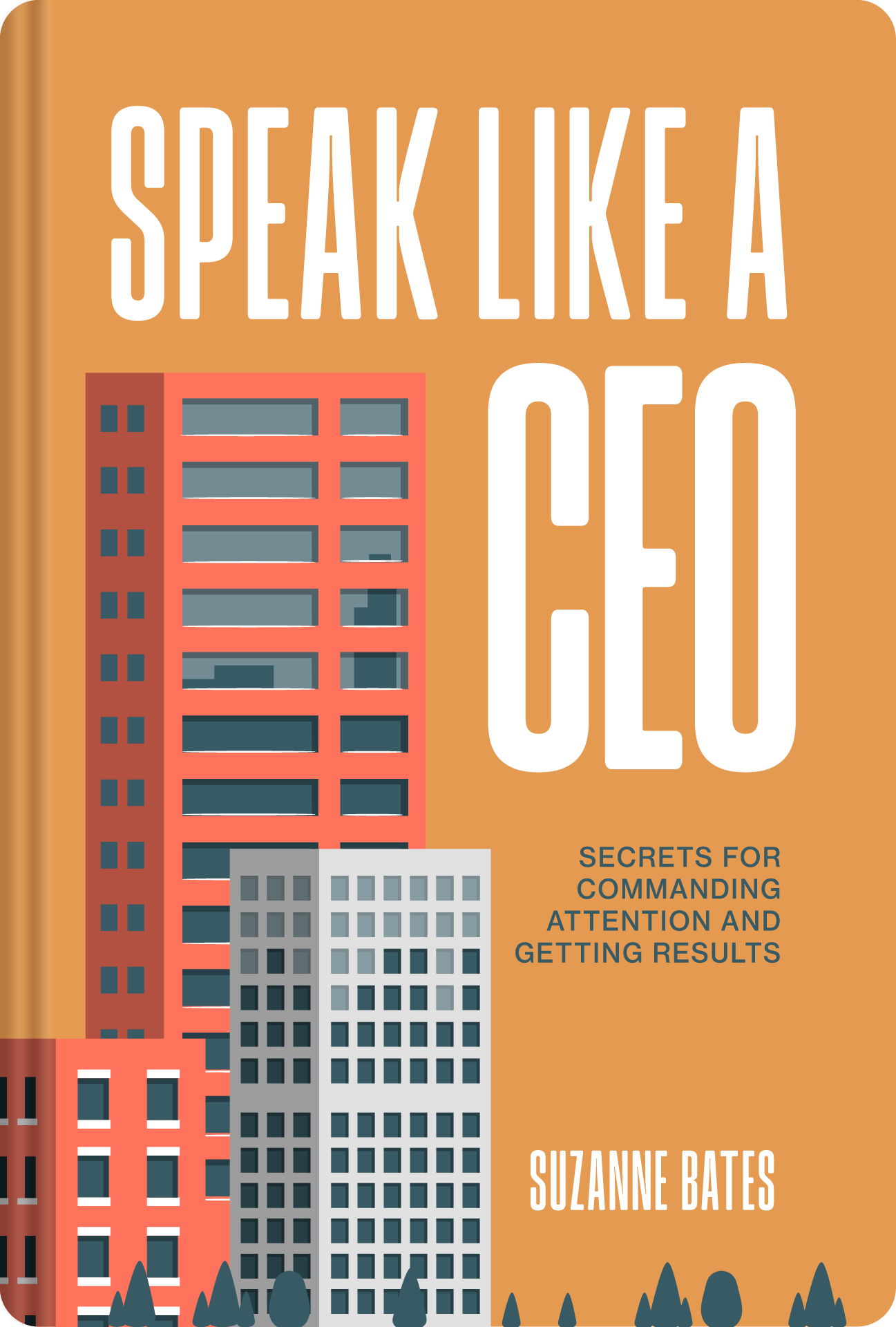 Speak Like a CEOSuzanne BatesYou build the communication skills of confident leaders: a clear message, compelling stories, handling tough questions and presenting with presence in any setting.Listen to the summary →
 How Highly Effective People SpeakPeter AndreiYou discover principles from psychology and persuasive language, including clarity, structure, credibility and body language, that make ideas easier to follow and remember.Listen to the summary →
Seven days, seven short speeches
Record each one on your phone. Nobody else needs to hear them. Listening back once is where most of the improvement happens.
- Day 1: Explain your job or your studies in sixty seconds to someone who knows nothing about it.
- Day 2: Write your main message for an upcoming presentation in one sentence. Say it aloud five times.
- Day 3: Tell a ninety-second story from your own life that makes one point. Cut every sentence that does not serve it.
- Day 4: Record yourself answering a hard question. Practise pausing for two seconds before you answer.
- Day 5: Explain something technical from your field to an imagined twelve-year-old.
- Day 6: Present for two minutes in your second language, using short sentences only.
- Day 7: Speak up once in a real meeting or gathering, with your one-sentence message ready.
Seven short recordings will show you more about your speaking than a year of worrying about it.
Fear does not disappear. Preparation just makes it quieter than your message.
Try Durar free for 14 days
Start your 14-day trialNearly 1,000 summaries in Arabic and English on the yearly plan. Cancel anytime.Questions people ask
How can I overcome my fear of public speaking?
Know your main message in one sentence, practise aloud and record yourself. Fear usually shrinks as preparation grows. The Say It Well summary covers speaking anxiety and finding your own voice.
How do I explain complex ideas simply?
Think about who is listening, keep only the key facts and cut everything else. The Art of Explanation summary gives a step-by-step method that works for presentations, emails and meetings.
Is it okay to present in English if it is not my first language?
Yes. Use short sentences, a clear structure and calm pauses. Audiences value clarity far more than perfect grammar, and pauses make you sound more confident, not less.