
The recruiter calls on a Thursday and says the offer is open until Sunday. You say yes on Friday, because saying no feels risky and a second offer feels like a fantasy. Three months later you find out what you didn't ask.
Most bad decisions are not made by careless people. They are made by tired, hopeful, pressured people who had a good reason at the time.
It happens with a first job offer, with a car you stretched your budget for, with a major you picked because everyone expected it. It happens in arguments too: you knew you were right, and still you lost, because you could not explain why or you did not understand what the other person was really saying.
The mind has habits that work against us under pressure. It grabs the first option, defends what it already believes, and treats other people's views as attacks. The good news is that these habits can be noticed and slowed down. Here are five summaries that teach how, and a one-page template at the end you can use this week.
The three moments when your mind lets you down
The first is speed. A deadline arrives, a salesperson smiles, a relative says the proposal needs an answer soon, and a decision that deserves a week gets an hour. Pressure from outside quickly becomes pressure inside.
The second is certainty. You are sure the major is right, sure the business partner is trustworthy, sure the price is fair. Being sure feels like knowing, but the two are different things. Often what you hold is an assumption you have never looked at.
Where families make it harder, and easier
In our region, big decisions are rarely made alone. A father has an opinion about your major. An uncle has a view on the job. Parents, siblings and cousins weigh in on money, on a proposal, on timing. This can be a real strength, because more experience in the room means fewer blind spots.
But it only works if you can sort advice into what people know and what they assume, and if you can listen to a view you disagree with without either giving in or shutting down. Those are skills, and they can be practised.
The third moment: when you are the one who is wrong
The hardest moment is realising, halfway through, that your own reasoning has a hole in it. Most of us respond by defending harder. A better response is to get curious about the hole. The five summaries below are, in different ways, training for that response.
Start with one summary today
Read today's free summaryDurar gives you a free summary every day, in Arabic or English, to read or listen to in about fifteen minutes.Five summaries to read in this order
Start with the questions you ask yourself, then move outward to decisions, other people, and the habit of asking well.
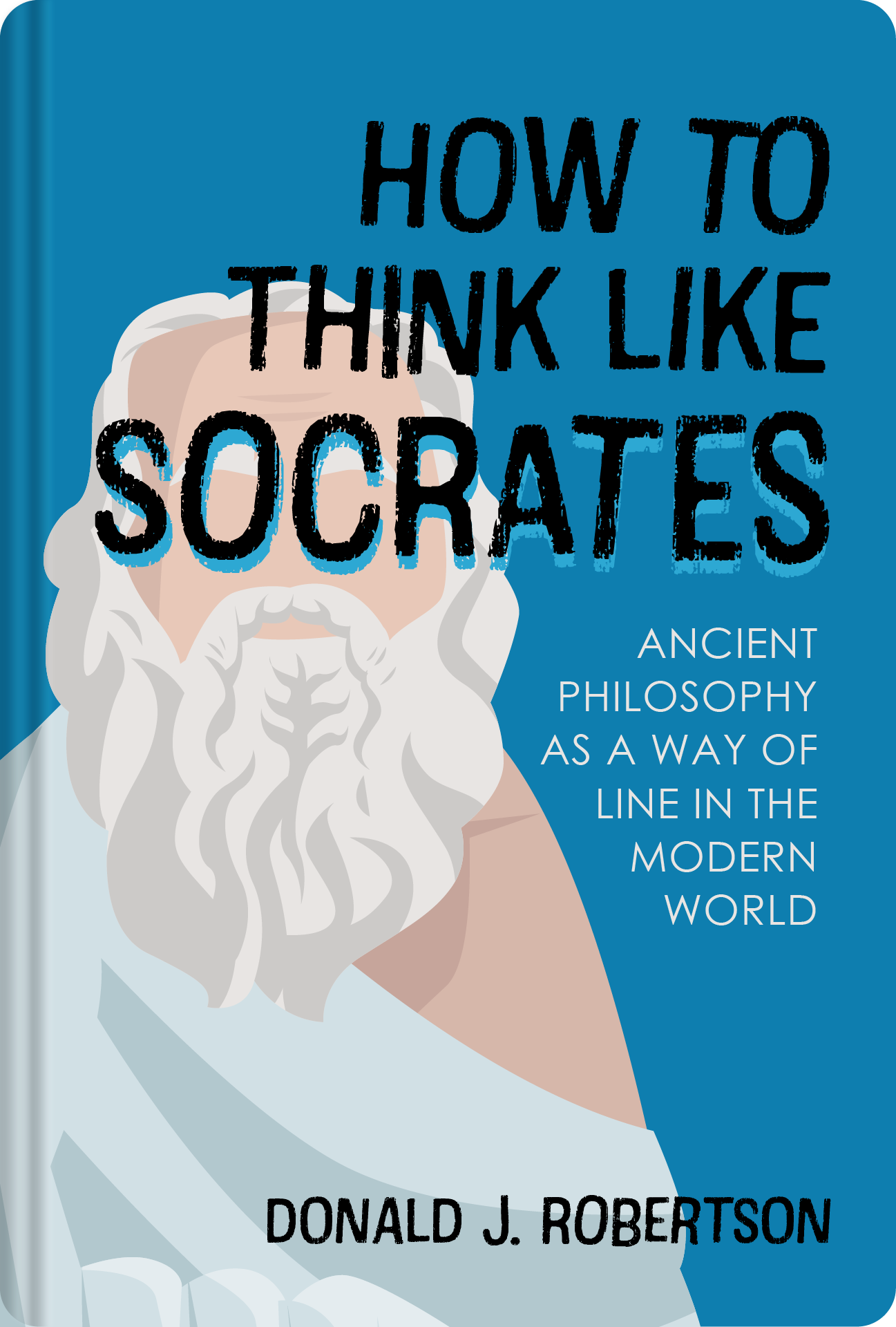 How to Think Like SocratesDonald RobertsonYou learn how Socrates tested beliefs with careful questions, and how to use the same method on your own assumptions to sharpen judgement and self-knowledge.Listen to the summary →
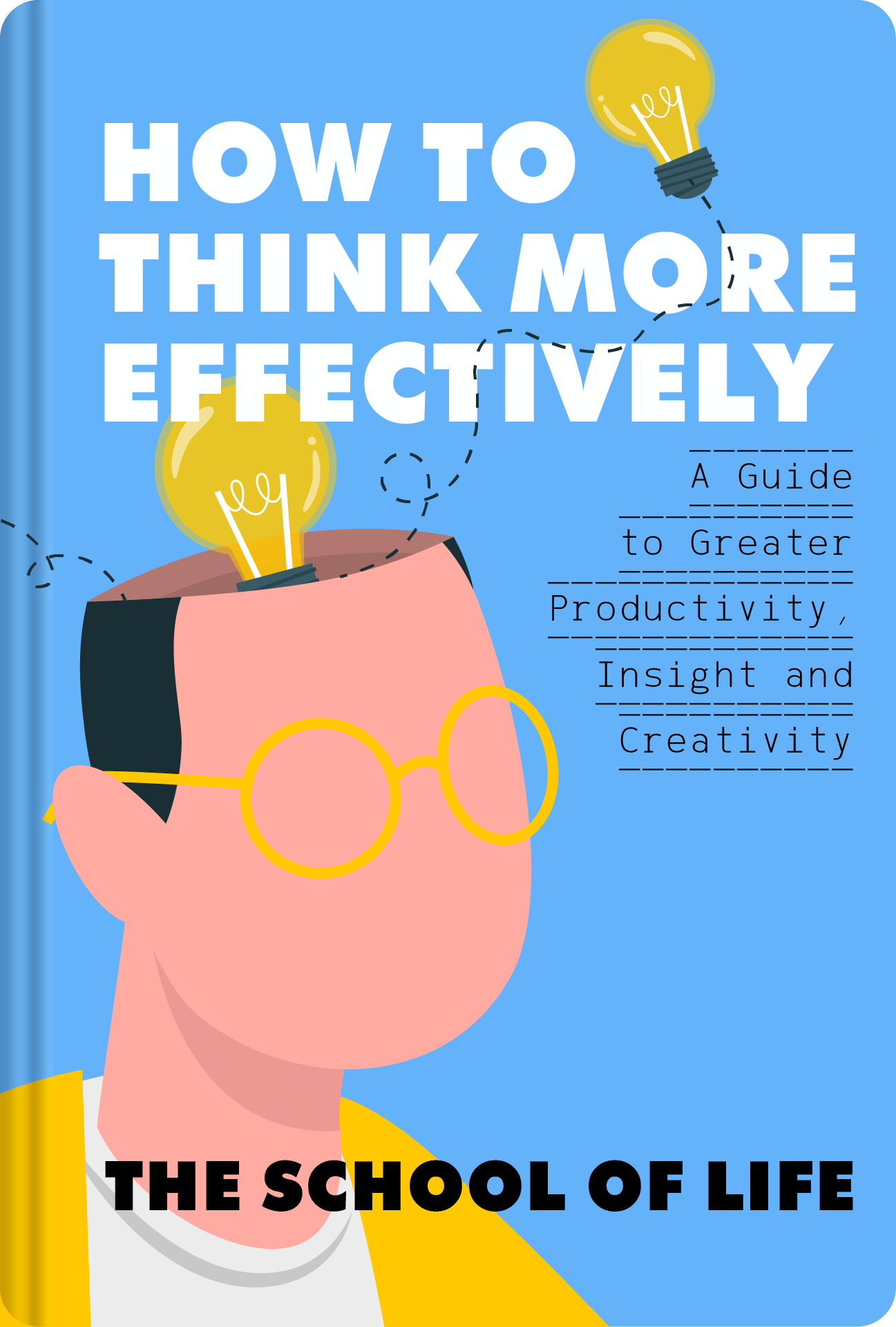 How to Think More EffectivelyThe School of LifeYou get practical habits for clearer thinking, including how rest, boredom, writing and reflection improve the quality of your ideas.Listen to the summary →
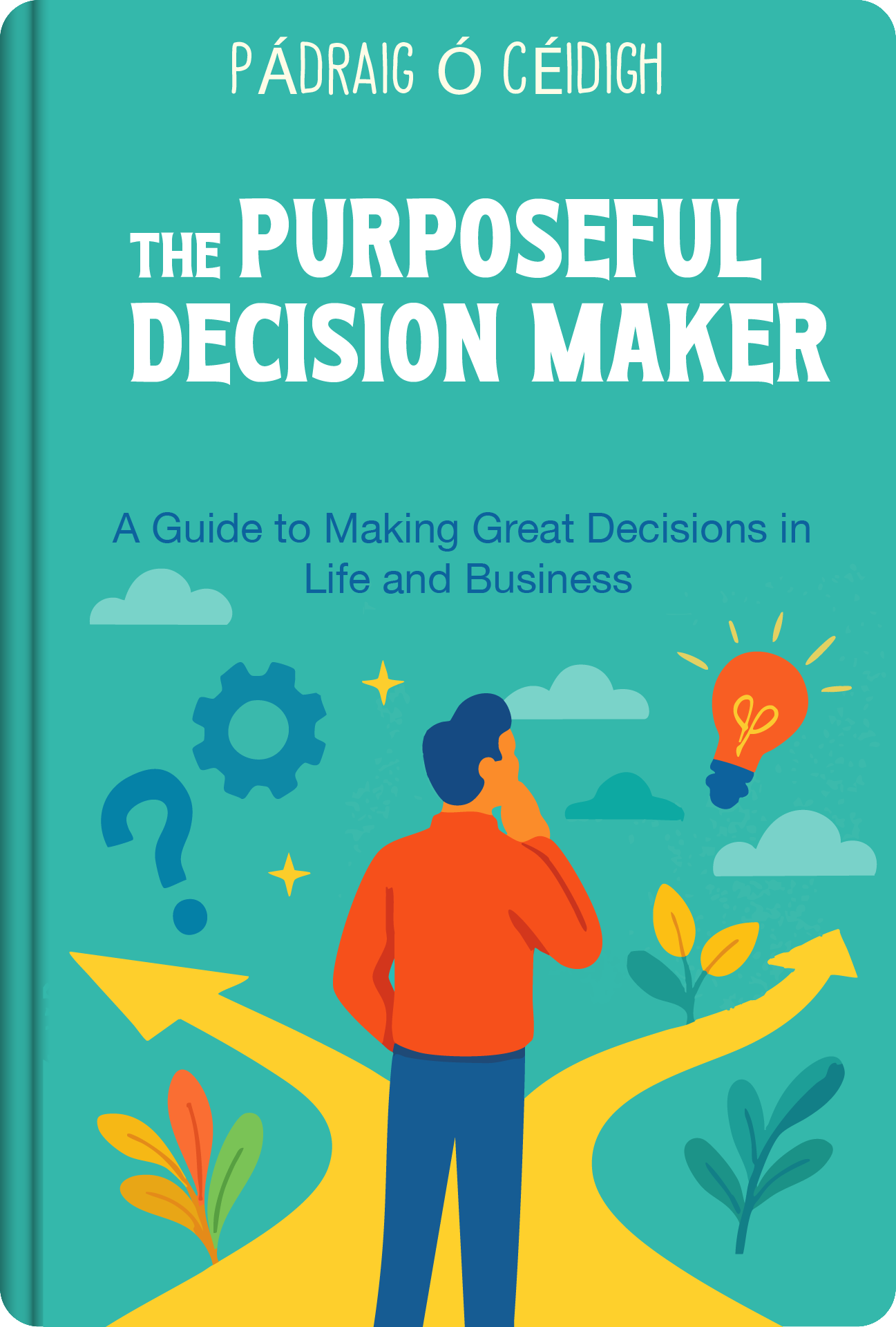 The Purposeful Decision MakerPádraig Ó CéidighYou get a structured way to approach an important choice: know your values, gather relevant information, consider the effect on other people, and combine analysis with experience.Listen to the summary →
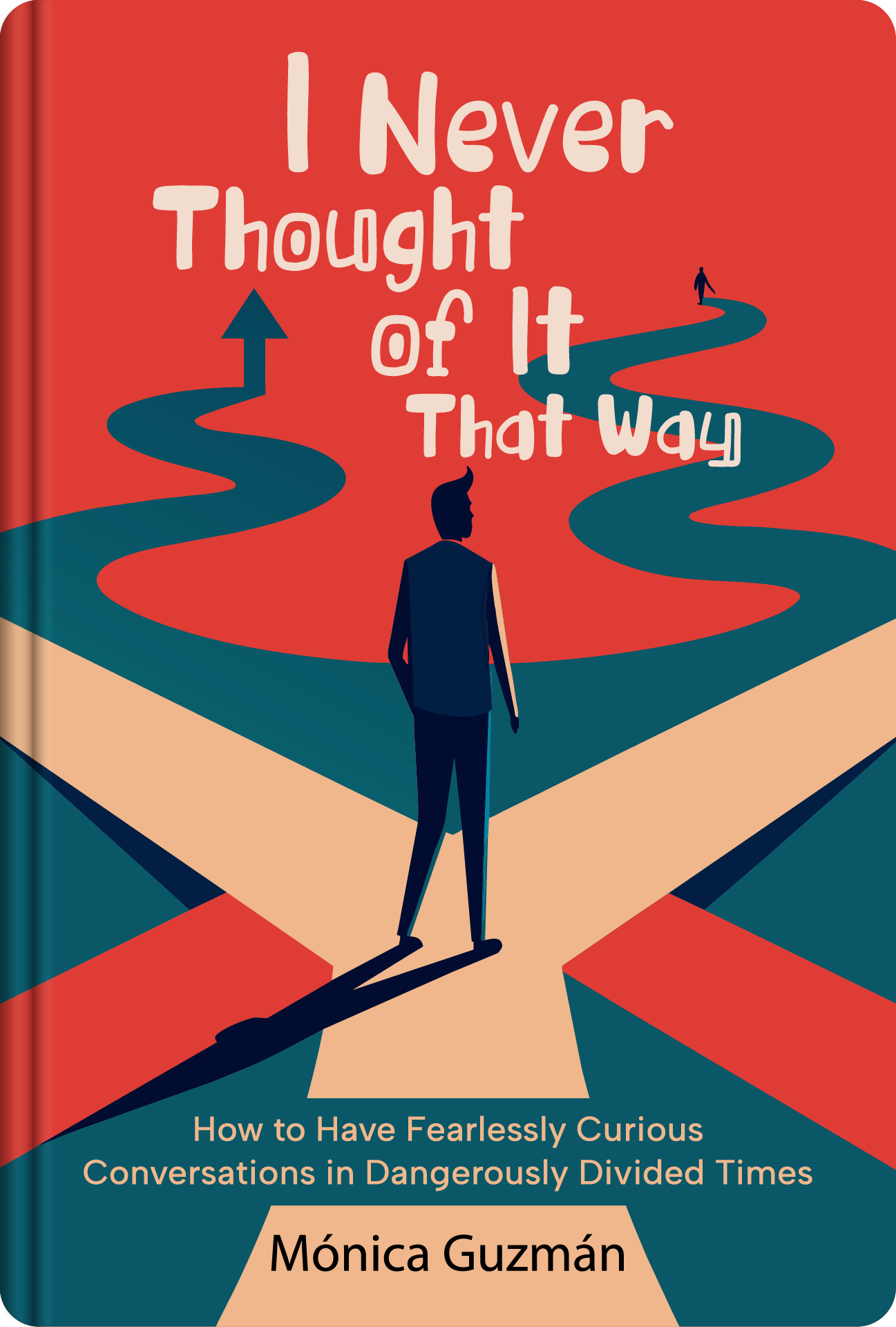 I Never Thought of It That WayMónica GuzmánYou learn how curiosity and better listening let you understand someone whose views differ from yours, and stay close to family and friends despite disagreement.Listen to the summary →
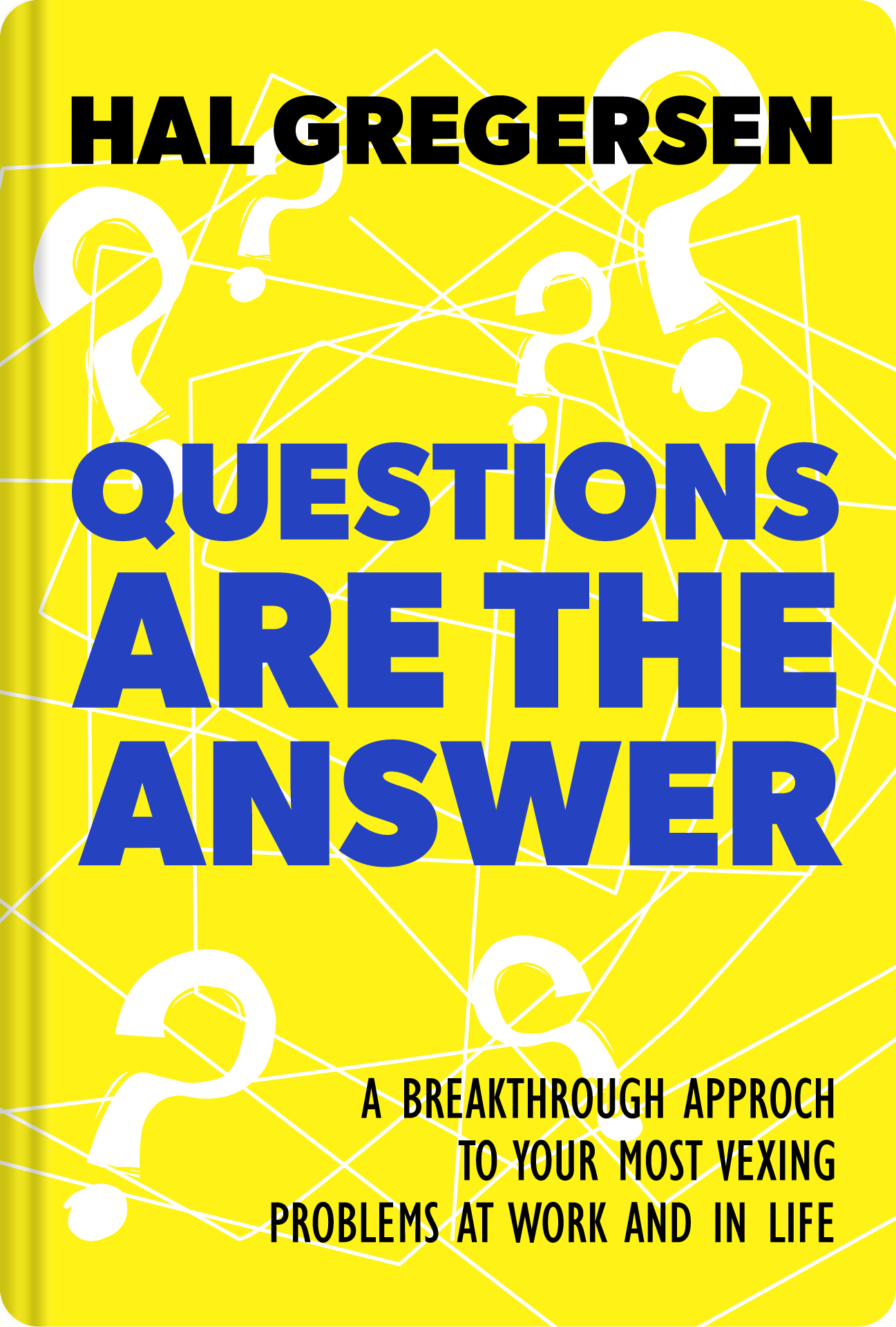 Questions Are the AnswerHal GregersenYou learn how to ask questions that challenge assumptions and open new possibilities, including by staying quiet, listening and seeking some discomfort.Listen to the summary →
A one-page template for your next big decision
Before you decide anything that matters, take a single sheet of paper or open your notes app and write these five headings. It takes about ten minutes, and it works for a job, a major, a purchase or a family question.
- Options. Write at least three, including 'wait' and 'ask for more time'. If you only have two, you are probably missing one.
- What I know. Only facts you could show someone: the salary, the price, the date, the written terms.
- What I assume. Everything else. 'They will promote me', 'it will hold its value', 'he will change his mind'. Mark the assumptions you could check this week.
- Who I will ask. Name two or three people, and include at least one who is likely to disagree with you. Ask them what they would want to know before deciding, not just what they would do.
- Deadline. Set a real date for deciding, and write who set it. If someone else did, ask whether it can move.
Keep the page. In three months, read it again. You will see which assumptions held and which did not, and your next decision will start from a better place.
A good decision is rarely the fastest answer. It is the best answer you could reach before the deadline.
Read all five this month
Try Durar free for 14 daysNearly 1,000 summaries in audio and text. The yearly plan starts with 14 days free, and you can cancel anytime.Questions people ask
Which of these should I read first if I only have time for one?
If you are facing a specific decision now, start with The Purposeful Decision Maker. If your trouble is more about arguments and conflict with others, start with I Never Thought of It That Way. If you want a way of thinking that applies everywhere, start with How to Think Like Socrates.
Do I need a philosophy background to follow these summaries?
No. They are written in plain language and aimed at everyday use: a job choice, a money decision, a conversation that went badly. Each one takes about fifteen minutes.
Is a summary enough, or should I read the full book?
A summary gives you the main ideas and a sense of whether the book is worth your time. If one of them speaks to a decision you are living with, reading the original book afterwards is a good next step.