Get started

Topic

The best 104 Ethics & Morality summaries

Ethics and morality ask how we should live, what we owe one another and what makes a person or a society just, questions that sit close to the heart of a region shaped by faith, deep traditions of virtue and ongoing debates about justice and dignity. The books here range widely, from Stoic guides to character and Ibn Khaldun's reflections on civilization to classic literature, histories of war and power, and critiques of colonialism and consumer culture. Together they help the reader sharpen their moral judgment, build discipline and integrity in daily life, and think more clearly about fairness, responsibility and the choices that leaders and ordinary people face.

1The Meaning of Life

The Meaning of Life

Terry Eagleton

Explore what makes life meaningful through philosophy, religion, and everyday experience, while rethinking purpose, value, and fulfilment.

15 min

Listen to the intro

1:16

What is The Meaning of Life about?

The Meaning of Life (2007) takes a witty and thoughtful look at one of humanity’s oldest questions. Terry Eagleton asks whether the question itself makes sense, examines how philosophers, writers, and religions have tried to answer it, and considers why modern culture struggles with meaning. He suggests that a meaningful life may be found in love and in the shared flourishing of people living together.

Who should read The Meaning of Life?

  • Thinkers curious about life's biggest philosophical questions
  • Anyone searching for deeper purpose in everyday life
  • Readers exploring how philosophy and religion approach meaning
2The Arthashastra

The Arthashastra

Kauṭalya

Master timeless Indian wisdom on governance, leadership, diplomacy, finance, and strategy through principles of discipline, foresight, and public welfare.

17 min

Listen to the intro

1:15

What is The Arthashastra about?

The Arthashastra (c. 2nd century BCE to 3rd century CE) is an ancient Indian treatise on statecraft, economics, and military strategy. It offers detailed advice to rulers on governing, managing the treasury, administering justice, gathering intelligence, conducting diplomacy, and waging war. The work is one of the oldest surviving texts on political strategy and is often compared to Machiavelli’s The Prince.

Who should read The Arthashastra?

  • Leaders seeking timeless principles of governance and strategy
  • Students of political science and ancient statecraft
  • Anyone comparing Eastern strategic thought with Machiavelli's The Prince
3The Metaphysics

The Metaphysics

Aristotle

Explore the foundations of reality, existence, and knowledge through timeless questions about being, substance, truth, and first principles.

14 min

Listen to the intro

2:00

What is The Metaphysics about?

The Metaphysics (4th century BCE) is a collection of Aristotle’s writings on what he called first philosophy, the study of being itself. It examines the nature of substance, the causes of things, form and matter, potential and actual existence, and the first cause of motion. The work was translated into Arabic and studied closely by Muslim philosophers, most notably Ibn Rushd, who wrote a major commentary on it.

Who should read The Metaphysics?

  • Students of philosophy seeking its foundational questions
  • Readers curious about Ibn Rushd and Islamic philosophy
  • Anyone who wonders what it means for something to exist
4The Bhagavad Gita

The Bhagavad Gita

Vyasa

Find purpose amid conflict and doubt by aligning your actions with wisdom, duty, and freedom from attachment to outcomes.

17 min

Listen to the intro

1:53

What is The Bhagavad Gita about?

The Bhagavad Gita (c. 2nd century BCE to 2nd century CE) is an ancient spiritual and philosophical text presented as a dialogue between Prince Arjuna and Krishna. It reflects on duty, moral action, devotion, self-discipline, and the search for inner steadiness during difficult decisions.

Who should read The Bhagavad Gita?

  • Leaders facing hard choices between competing duties
  • Readers curious about classic texts of world philosophy
  • Anyone seeking calm focus amid pressure and doubt
5Lessons in Stoicism

Lessons in Stoicism

John Sellars

Face stress and setbacks with Stoic wisdom that builds calm, perspective, resilience, and inner strength.

19 min

Listen to the intro

1:17

What is Lessons in Stoicism about?

Lessons in Stoicism (2019) is a short, accessible introduction to Stoic philosophy and how it can help in daily life. John Sellars draws on the ideas of Seneca, Epictetus, and Marcus Aurelius to explain how to focus on what we can control, manage difficult emotions, handle setbacks calmly, and live in harmony with others and with nature. The book shows why these ancient ideas remain useful today.

Who should read Lessons in Stoicism?

  • Anyone feeling overwhelmed by stress or daily pressures
  • Professionals facing setbacks who want to stay calm
  • Readers curious about Stoic philosophy and its practical uses
6The Prince

The Prince

Niccolò Machiavelli

Understand how leaders gain and preserve power through Machiavelli’s uncompromising lessons on strategy, authority, and political realism.

16 min

Listen to the intro

1:07

What is The Prince about?

The Prince (1532) is a short and famously blunt guide to gaining and keeping political power. Niccolò Machiavelli advises rulers to see politics as it really is rather than as it should be, discussing how to win loyalty, when to be feared rather than loved, and how to handle fortune and crisis. Written for the Medici family, the book became one of the founding works of modern political thought.

Who should read The Prince?

  • Students of political science and the history of ideas
  • Leaders who want to understand how power really works
  • Anyone curious about the roots of modern political thought
7The Age of AI

The Age of AI

Henry Kissinger, Eric Schmidt & Daniel Huttenlocher

Understand how AI is reshaping knowledge, politics, and society—and why thoughtful governance is essential for the uncertain future ahead.

16 min

Listen to the intro

1:17

What is The Age of AI about?

The Age of AI (2021) examines how artificial intelligence is changing the way people think, learn, work, and make decisions, and what this means for society and world affairs. Henry Kissinger, Eric Schmidt & Daniel Huttenlocher bring together perspectives from diplomacy, business, and computer science. They explore AI’s impact on knowledge, security, and global politics and call for careful thinking about how humans and intelligent machines should work together.

Who should read The Age of AI?

  • Policymakers shaping rules for emerging technologies
  • Business leaders weighing AI's impact on decisions
  • Anyone curious how AI will change society
8Talking to My Daughter About the Economy

Talking to My Daughter About the Economy

Yanis Varoufakis

Understand money, inequality, and power through accessible stories that reveal how economics quietly shapes everyday life.

16 min

Listen to the intro

1:30

What is Talking to My Daughter About the Economy about?

Talking to My Daughter About the Economy (2013) explains how the economy works in simple, engaging language, written as a conversation between a father and his teenage daughter. Yanis Varoufakis uses stories, myths, and everyday examples to explore questions such as why some countries are rich and others poor, how money and debt work, and what markets can and cannot do. The book makes economics accessible to everyone.

Who should read Talking to My Daughter About the Economy?

  • Beginners curious about how money and markets really work
  • Parents who want to explain economics to their children
  • Anyone wondering why some countries are rich and others poor
9The Battle for Your Brain

The Battle for Your Brain

Nita A. Farahany

Protect mental privacy by understanding how AI and brain technologies threaten autonomy—and why new legal rights are urgently needed.

16 min

Listen to the intro

1:20

What is The Battle for Your Brain about?

The Battle for Your Brain (2023) warns that brain-tracking technology is quickly moving from the lab into everyday products such as earbuds, headbands, and workplace devices. Nita A. Farahany explains how data from our brains could be used by employers, governments, and companies, and why this threatens privacy and freedom of thought. She proposes a new legal right to cognitive liberty to protect the last private space we have: our minds.

Who should read The Battle for Your Brain?

  • Tech users curious about wearables that read brain data
  • Professionals concerned about workplace monitoring and employee privacy
  • Policymakers and lawyers shaping rights for emerging technologies
10The Book

The Book

Alan W. Watts

Question the illusion of a separate self and discover deeper peace by recognising your connection to the universe.

16 min

Listen to the intro

1:08

What is The Book about?

The Book (1966) challenges the common feeling that each person is a separate, isolated self facing an outside world. Drawing on Eastern philosophy, especially the Indian tradition of Vedanta, Alan W. Watts argues that people are deeply connected to everything around them. The book invites readers to see themselves as part of a larger whole, and to find greater peace by letting go of anxiety about control.

Who should read The Book?

  • Anyone who feels isolated or disconnected from the world
  • Readers curious about Eastern philosophy and ideas of selfhood
  • People struggling with anxiety about control and outcomes
11The Reason For God

The Reason For God

Timothy Keller

Examine faith’s hardest questions about suffering, meaning, and reason through a thoughtful search for truth beyond blind belief.

20 min

Listen to the intro

1:54

What is The Reason For God about?

The Reason For God (2008) presents a Christian response to common questions about belief, suffering, morality, and the existence of God. It invites both believers and questioning readers to examine faith through reasoned discussion and thoughtful reflection.

Who should read The Reason For God?

  • Anyone wrestling with doubts about God and suffering
  • Readers curious how Christians answer skeptics' toughest questions
  • People who value calm, reasoned dialogue about faith
12A History of God

A History of God

Karen Armstrong

Trace how ideas of God evolved across Judaism, Christianity, and Islam in response to history, suffering, wonder, and humanity’s search for meaning.

17 min

Listen to the intro

1:40

What is A History of God about?

A History of God (1993) traces changing ideas about God across the histories of Judaism, Christianity, and Islam. It examines how religious thought developed in response to cultural, intellectual, and political changes over many centuries.

Who should read A History of God?

  • Readers curious about the history of religious thought
  • Students of comparative religion and theology
  • Anyone exploring how Judaism, Christianity and Islam developed
13A Treatise of Human Nature

A Treatise of Human Nature

David Hume

Rethink knowledge, identity, and morality through Hume’s bold view that experience and emotion shape us more deeply than reason alone.

17 min

Listen to the intro

1:35

What is A Treatise of Human Nature about?

A Treatise of Human Nature (1739) is David Hume’s ambitious attempt to build a science of human nature based on experience and observation. Hume examines how we form ideas, why we believe in cause and effect, what makes up the self, and how passions rather than reason drive our actions and moral judgements. Though little noticed at first, the work became one of the most influential books in the history of philosophy.

Who should read A Treatise of Human Nature?

  • Philosophy students exploring the roots of modern thought
  • Readers curious why emotions drive our choices and judgments
  • Anyone questioning how we know what we know
14This Could Be Our Future

This Could Be Our Future

Yancey Strickler

Redefine value beyond profit to help businesses and societies build a more balanced, meaningful, and humane future.

20 min

Listen to the intro

0:51

What is This Could Be Our Future about?

This Could Be Our Future (2019) argues that the belief that money is all that matters has shaped society in harmful ways. Yancey Strickler proposes an alternative approach he calls Bentoism, which encourages people and organisations to weigh long-term values such as community, knowledge, and purpose alongside financial success. The book offers a hopeful vision of a more generous and balanced future.

Who should read This Could Be Our Future?

  • Entrepreneurs who want profit and purpose to coexist
  • Leaders rethinking how their organizations measure success
  • Anyone tired of money being the only measure
15The Sleepwalkers

The Sleepwalkers

Christopher Clark

Trace how nationalism, alliances, and political misjudgements led Europe into World War I while its leaders remained blind to the approaching disaster.

22 min

Listen to the intro

1:27

What is The Sleepwalkers about?

The Sleepwalkers (2012) explains how Europe went to war in 1914. Christopher Clark traces the complex web of alliances, rivalries, and decisions among the great powers in the years before the First World War, and shows how leaders on all sides, uncertain and short-sighted, stumbled into a catastrophe none of them fully intended. The book is widely praised as a masterful work of history.

Who should read The Sleepwalkers?

  • History lovers curious about how World War I began
  • Students of international relations and diplomacy
  • Leaders who want to avoid strategic blind spots
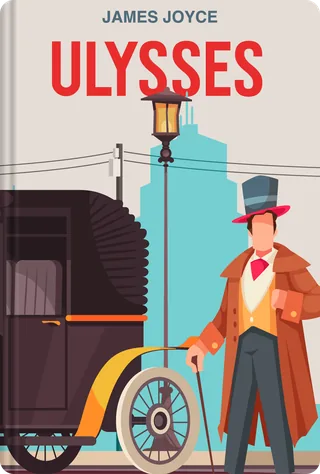
16Ulysses

Ulysses

James Joyce

Journey through one day in Dublin as ordinary lives become an epic exploration of identity, love, faith, and the human mind.

24 min

Listen to the intro

1:24

What is Ulysses about?

Ulysses (1922) follows ordinary people through a single day in Dublin, 16 June 1904, mainly the advertising salesman Leopold Bloom and the young writer Stephen Dedalus. James Joyce loosely models their journeys on Homer’s Odyssey and uses techniques such as stream of consciousness to capture their thoughts. Famous for its difficulty and inventiveness, the novel is considered one of the most important works of modern literature.

Who should read Ulysses?

  • Readers curious about modernist literature but daunted by Joyce
  • Writers exploring stream of consciousness and narrative experimentation
  • Students comparing classic epics like Homer's Odyssey with modern retellings
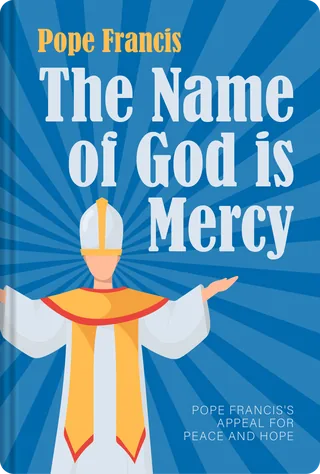
17The Name of God is Mercy

The Name of God is Mercy

Pope Francis

Embrace mercy as a source of strength that heals wounds, renews hope, and transforms both individuals and societies.

21 min

Listen to the intro

2:00

What is The Name of God is Mercy about?

The Name of God is Mercy (2016) presents Pope Francis’s reflections on mercy as one of the central qualities of faith and spiritual life. Through a thoughtful conversation, he explains how forgiveness, humility, and compassion can help people overcome guilt, repair relationships, and begin again after making mistakes. The book emphasises that sincere repentance should lead to hope and personal transformation rather than despair.

Who should read The Name of God is Mercy?

  • People weighed down by guilt over past mistakes
  • Anyone seeking to mend strained relationships through forgiveness
  • Readers curious about mercy's place in spiritual life
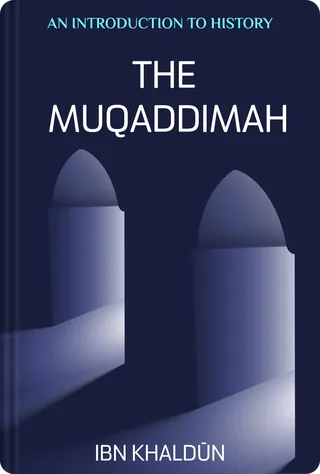
18The Muqaddimah

The Muqaddimah

Ibn Khaldūn

Discover Ibn Khaldun’s timeless explanation of how social cohesion, leadership, economics, and environment drive the rise and fall of civilisations.

22 min

Listen to the intro

1:14

What is The Muqaddimah about?

The Muqaddimah (1377) is the famous introduction to Ibn Khaldūn’s history of the world and one of the most important works of Arab and Islamic thought. It explains how societies rise and fall, introducing the concept of asabiyyah, or social cohesion, and examining economics, politics, education, and the development of cities. Many scholars regard it as a founding work of sociology and the philosophy of history.

Who should read The Muqaddimah?

  • Students of history, sociology, or political science
  • Leaders curious why nations and civilizations rise and fall
  • Readers exploring the heritage of Arab and Islamic thought
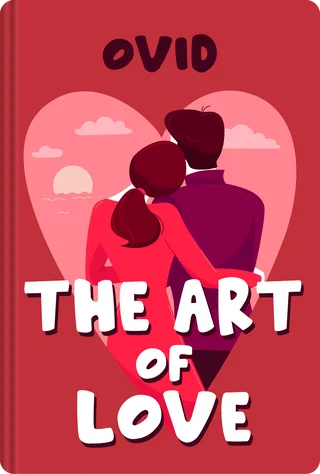
19The Art of Love

The Art of Love

Ovid

Decode the timeless art of attraction through witty lessons on desire, seduction, strategy, and romantic behaviour.

15 min

Listen to the intro

2:40

What is The Art of Love about?

The Art of Love (c. 2 CE) is a classical poem that offers a revealing portrait of courtship and social life in ancient Rome. Through wit, observation, and poetic advice, Ovid examines appearance, conversation, communication, and the customs of his society. Because it reflects the attitudes of a distant historical period, the work is best approached as literature and cultural history rather than modern relationship guidance.

Who should read The Art of Love?

  • Readers exploring classical Latin poetry and Roman literature
  • Students of ancient Roman social life and customs
  • Historians curious how courtship was viewed in antiquity
20Crime and Punishment

Crime and Punishment

Fyodor Dostoevsky

Follow a brilliant, desperate student who convinces himself that murder can be justified, and discover the punishment no court can impose.

21 min

What is Crime and Punishment about?

Crime and Punishment (1866) follows Rodion Raskolnikov, a poor former law student in Saint Petersburg who kills an old pawnbroker to prove his theory that extraordinary people may step over moral lines. What follows is not a hunt for the killer but a gripping psychological journey through guilt, fever and fear, as a shrewd investigator closes in and a self-sacrificing young woman named Sonia leads him toward confession and redemption. Fyodor Dostoevsky's masterpiece remains one of the most influential novels ever written.

Who should read Crime and Punishment?

  • Readers drawn to the psychology of guilt and conscience
  • Students of classic world literature and Russian novels
  • Anyone questioning whether noble ends justify wrong means

Related topics

Questions about Ethics & Morality

What is a good book to start with on ethics and morality?

Lives of the Stoics is an accessible starting point, telling the stories of real people who tried to live by virtue, courage and integrity. For a perspective rooted in our own intellectual heritage, The Muqaddimah shows how moral cohesion and leadership shape the rise and fall of societies.

What will I learn from ethics and morality books?

You will explore what a good character looks like, how self-discipline and sound values guide decisions, and how justice and power play out in history and politics. Titles such as To Have Or To Be? and Discipline Is Destiny also show how these ideas apply to everyday choices about money, attention and relationships.

Who are these summaries for?

They suit anyone who wants to think more carefully about right and wrong, from students and professionals to parents and community leaders. Each summary distills the core arguments so you can reflect on them and discuss them with others in a short time.

Get the key ideas from the world's best books in about 15 minutes

Free account · One free summary every day