Get started

Topic

The best 34 Classics summaries

Classics gathers the novels and epics that have shaped how people everywhere think about power, justice, family and the search for meaning, and they give a reader in the region a shared language for conversations across cultures. The collection runs from ancient works such as The Iliad to modern landmarks like One Hundred Years of Solitude, Nineteen Eighty-Four and In the Country of Men, alongside newer novels that echo their themes. Each summary distils the plot, characters and central questions of a book, so you can grasp its ideas quickly, discuss it with confidence and decide which works deserve a full reading.

1Strangers

Strangers

Taichi Yamada

Follow a lonely man haunted by love, loss, and mysterious figures from his past as memory and reality begin to blur.

20 min

Listen to the intro

1:17

What is Strangers about?

Strangers (1987) is a haunting novel about Harada, a lonely, recently divorced television scriptwriter in Tokyo. One evening he meets a couple who look exactly like his parents, who died when he was twelve, and he begins visiting them regularly even as his health mysteriously declines. The novel explores grief, loneliness, memory, and the longing to reconnect with loved ones.

Who should read Strangers?

  • Readers drawn to quiet, haunting Japanese literary fiction
  • Anyone grieving a parent or longing for lost loved ones
  • Writers exploring how memory and loneliness shape a life
2Tess of the D'Urbervilles

Tess of the D'Urbervilles

Thomas Hardy

Witness a young woman confront injustice, social pressure, and fate as innocence and resilience collide with an unforgiving world.

12 min

Listen to the intro

1:21

What is Tess of the D'Urbervilles about?

Tess of the D'Urbervilles (1891) follows Tess Durbeyfield, a young woman from a poor rural family in England whose father learns that they descend from an old noble family. Sent to seek help from wealthy relatives, Tess suffers deeply at the hands of Alec d’Urberville and later faces rejection from the man she loves. Thomas Hardy’s novel explores injustice, social hypocrisy, and the harsh judgement faced by women in Victorian society.

Who should read Tess of the D'Urbervilles?

  • Readers who love classic English literature and tragedy
  • Students exploring Victorian society and its moral codes
  • Anyone reflecting on injustice, fate and social judgment
3A Passage to India

A Passage to India

E. M. Forster

Enter colonial India, where prejudice, cultural misunderstanding, and unequal power test the limits of friendship between British and Indian people.

16 min

Listen to the intro

1:06

What is A Passage to India about?

A Passage to India (1924) is set in British-ruled India and follows the friendship between Dr. Aziz, a warm and generous Indian doctor, and several English visitors. When a trip to the mysterious Marabar Caves ends with Aziz wrongly accused of a crime, the case divides the town and exposes the deep mistrust between rulers and ruled. E. M. Forster’s classic novel explores friendship, prejudice, and the barriers that separate people.

Who should read A Passage to India?

  • Readers curious about colonial history and its lasting effects
  • Anyone building friendships across cultures and backgrounds
  • Literature lovers seeking a classic about prejudice and justice
4The Hunger Games

The Hunger Games

Suzanne Collins

Follow a young girl forced into a deadly game who transforms survival into courage, rebellion, and hope against a brutal empire.

17 min

Listen to the intro

1:12

What is The Hunger Games about?

The Hunger Games (2008) is set in Panem, a future nation where the powerful Capitol forces young people from its districts to compete in a deadly televised contest each year. When sixteen-year-old Katniss Everdeen volunteers to take her younger sister’s place, she must rely on her skills, courage, and wits to survive. Suzanne Collins’s novel explores injustice, power, media spectacle, and resistance.

Who should read The Hunger Games?

  • Readers who love gripping dystopian survival stories
  • Teens and young adults drawn to courageous heroines
  • Anyone curious how media and power shape society
5Lord of the Flies

Lord of the Flies

William Golding

Witness civilisation unravel as stranded schoolboys confront power, fear, and the fragile boundary between order and savagery.

14 min

Listen to the intro

1:03

What is Lord of the Flies about?

Lord of the Flies (1954) tells the story of a group of British schoolboys stranded on a deserted island after a plane crash. At first they try to organise themselves with rules and a leader, but fear, rivalry, and the desire for power slowly tear their small society apart. William Golding’s classic novel is a powerful exploration of human nature, order, and the fragile line between civilisation and savagery.

Who should read Lord of the Flies?

  • Readers curious about what drives human nature under pressure
  • Leaders interested in how groups form and fall apart
  • Students of classic literature exploring power and morality
6Ulysses

Ulysses

James Joyce

Journey through one day in Dublin as ordinary lives become an epic exploration of identity, love, faith, and the human mind.

24 min

Listen to the intro

1:24

What is Ulysses about?

Ulysses (1922) follows ordinary people through a single day in Dublin, 16 June 1904, mainly the advertising salesman Leopold Bloom and the young writer Stephen Dedalus. James Joyce loosely models their journeys on Homer’s Odyssey and uses techniques such as stream of consciousness to capture their thoughts. Famous for its difficulty and inventiveness, the novel is considered one of the most important works of modern literature.

Who should read Ulysses?

  • Readers curious about modernist literature but daunted by Joyce
  • Writers exploring stream of consciousness and narrative experimentation
  • Students comparing classic epics like Homer's Odyssey with modern retellings
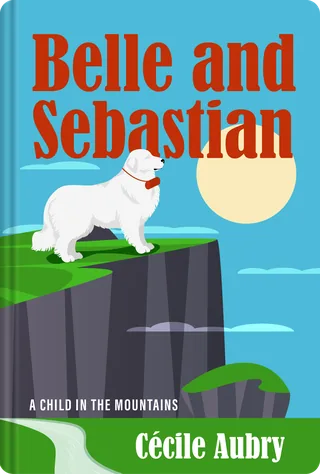
7Belle and Sebastian

Belle and Sebastian

Cécile Aubry

Follow an unlikely mountain friendship between a boy and a misunderstood dog that reveals the power of courage, kindness, and loyalty.

10 min

Listen to the intro

0:45

What is Belle and Sebastian about?

Belle and Sebastian (1965) tells the story of Sebastian, a young boy growing up in a mountain village in the French Alps, and Belle, a huge white mountain dog that the villagers fear and blame for trouble she did not cause. Sebastian sees her true gentle nature, and the two become inseparable friends who protect each other through many adventures. Cécile Aubry’s story celebrates loyalty, courage, and trust.

Who should read Belle and Sebastian?

  • Young readers who love animal adventure stories
  • Parents seeking stories that teach kindness and loyalty
  • Anyone who has ever felt misjudged by others
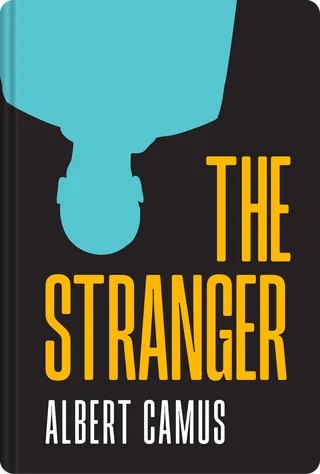
8The Stranger

The Stranger

Albert Camus

Enter the mind of an emotionally detached man whose choices challenge conventional ideas of morality, freedom, and authentic living.

18 min

Listen to the intro

1:35

What is The Stranger about?

The Stranger (1942) is a short novel narrated by Meursault, a French clerk in Algiers who responds to life with striking emotional detachment. After an act of violence on a beach, he is put on trial, and the court seems to judge him as much for his indifference as for his crime. Albert Camus uses the story to explore the absurd, the search for meaning, and society’s expectations of how people should feel.

Who should read The Stranger?

  • Readers curious about classic absurdist literature
  • Students of philosophy exploring questions of meaning and freedom
  • Anyone who questions how society judges people's emotions
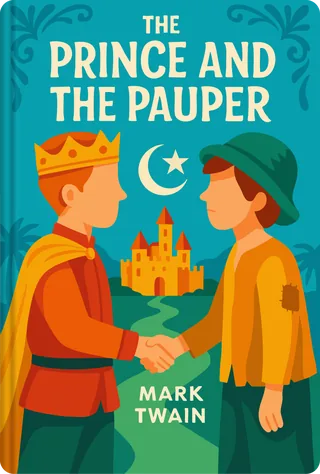
9The Prince and the Pauper

The Prince and the Pauper

Mark Twain

Follow two boys who exchange lives and uncover how power, poverty, and privilege shape identity, while questioning whether status or character truly defines a person.

10 min

Listen to the intro

1:31

What is The Prince and the Pauper about?

The Prince and the Pauper (1881) tells the story of Edward Tudor, the young Prince of Wales, and Tom Canty, a poor boy from London who looks remarkably like him. After exchanging clothes, the two boys are mistaken for one another and forced to experience lives completely different from their own. Through their adventures, Mark Twain explores social inequality, injustice, identity, and the consequences of judging people by their appearance or position in society.

Who should read The Prince and the Pauper?

  • Readers who enjoy classic adventure stories with depth
  • Anyone questioning whether status defines a person's worth
  • Parents seeking timeless tales about justice and empathy
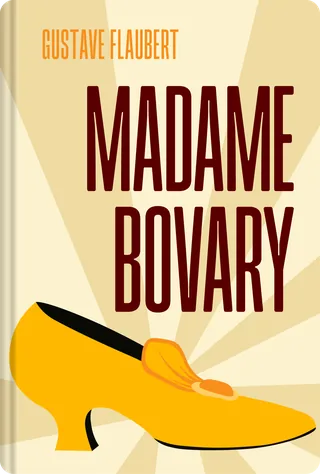
10Madame Bovary

Madame Bovary

Gustave Flaubert

Follow a woman’s search for passion and escape as desire and illusion collide with disappointment and society’s constraints.

20 min

Listen to the intro

1:53

What is Madame Bovary about?

Madame Bovary (1857) tells the story of Emma Bovary, the wife of a modest country doctor in provincial France. Raised on romantic novels, Emma longs for passion, luxury, and excitement, and her growing dissatisfaction leads her into reckless choices and serious debt. Gustave Flaubert’s precise, realistic portrait of her illusions made the novel one of the most influential works in literary history.

Who should read Madame Bovary?

  • Literature lovers exploring classics of realist fiction
  • Readers curious how novels shape our expectations of life
  • Anyone reflecting on discontent, debt and unrealistic dreams
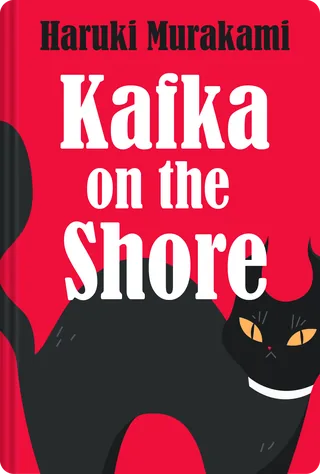
11Kafka on the Shore

Kafka on the Shore

Haruki Murakami

Enter two intertwined lives where mystery, memory, and dreamlike reality shape a haunting search for identity and meaning.

15 min

Listen to the intro

1:46

What is Kafka on the Shore about?

Kafka on the Shore (2002) weaves together two stories. Fifteen-year-old Kafka Tamura runs away from home and finds shelter in a quiet private library, while Nakata, an elderly man who can talk to cats, sets out on a mysterious journey of his own. Haruki Murakami blends realism, dreams, and the supernatural to explore memory, identity, fate, and the search for belonging.

Who should read Kafka on the Shore?

  • Readers drawn to dreamlike, surreal fiction with deep layers
  • Anyone searching for a sense of identity and belonging
  • Fans of literary mysteries that blend reality and imagination
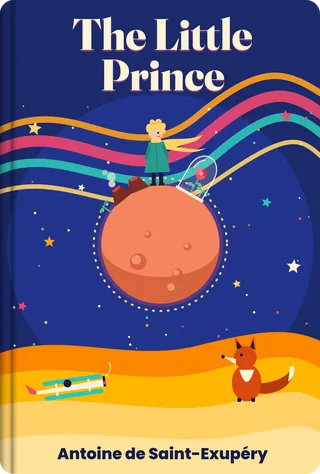
12The Little Prince

The Little Prince

Antoine de Saint-Exupéry

Follow a golden-haired boy from a tiny planet and rediscover what truly matters in life.

15 min

What is The Little Prince about?

The Little Prince (1943) is a short, poetic novella about a pilot stranded in the Sahara who meets a mysterious boy from a tiny planet. Through the prince's visits to strange grown-ups, his love for a proud rose and his friendship with a wise fox, Antoine de Saint-Exupéry explores friendship, love, responsibility and the things that can only be seen with the heart. It is one of the most translated books ever.

Who should read The Little Prince?

  • Adults who feel they've lost touch with wonder
  • Parents looking for a timeless story to share
  • Anyone reflecting on friendship, responsibility and what truly matters
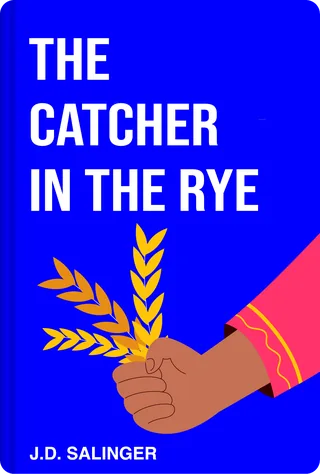
13The Catcher in the Rye

The Catcher in the Rye

J.D. Salinger

Follow a restless teenager through New York as he confronts alienation, lost innocence, and the search for genuine connection.

18 min

Listen to the intro

1:47

What is The Catcher in the Rye about?

The Catcher in the Rye (1951) follows sixteen-year-old Holden Caulfield over a few days in New York City after he is expelled from his boarding school. Wandering the city, Holden struggles with loneliness, grief over his younger brother’s death, and frustration with what he sees as the insincerity of the adult world. J.D. Salinger’s novel captures the confusion of adolescence and the wish to protect childhood innocence.

Who should read The Catcher in the Rye?

  • Parents trying to understand their teenagers' inner struggles
  • Readers curious about classic American literature
  • Anyone who has felt lonely or out of place
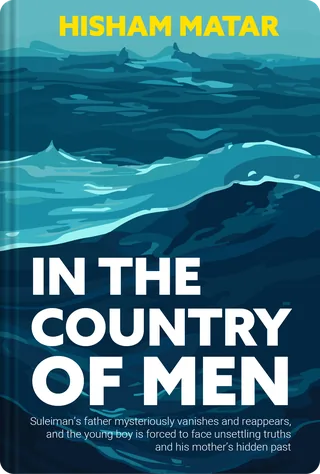
14In the Country of Men

In the Country of Men

Hisham Matar

See a harsh regime through a child’s eyes as fear and political pressure reshape family, love, and loyalty.

12 min

Listen to the intro

0:55

What is In the Country of Men about?

In the Country of Men (2006) is Hisham Matar’s debut novel, set in Tripoli in 1979. Nine-year-old Suleiman watches his family live in fear as his father becomes involved in opposition to the regime and people around them begin to disappear. Told through a child’s eyes, the novel explores loyalty, betrayal, and the effects of fear on family life, and was shortlisted for the Booker Prize.

Who should read In the Country of Men?

  • Readers who enjoy literary novels told by children
  • Anyone exploring how fear shapes family bonds and loyalty
  • Readers interested in modern Libyan and Arab literature
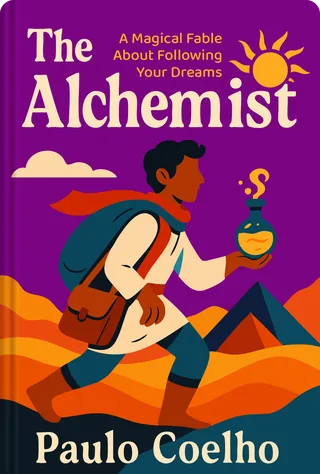
15The Alchemist

The Alchemist

Paulo Coelho

Follow a young shepherd’s journey toward destiny, dreams, and the discovery that life’s greatest treasure may lie within.

19 min

Listen to the intro

1:15

What is The Alchemist about?

The Alchemist (1988) tells the story of Santiago, a young Spanish shepherd who dreams of a treasure and sets out on a journey across the desert to Egypt to find it. Along the way he meets a king, a merchant, a caravan, and a wise alchemist, and learns to follow his heart and pursue his personal legend. Paulo Coelho’s fable has become one of the best-selling books in the world.

Who should read The Alchemist?

  • Dreamers unsure whether to chase a long-held ambition
  • Young people searching for purpose and direction in life
  • Readers who enjoy wise fables with timeless life lessons
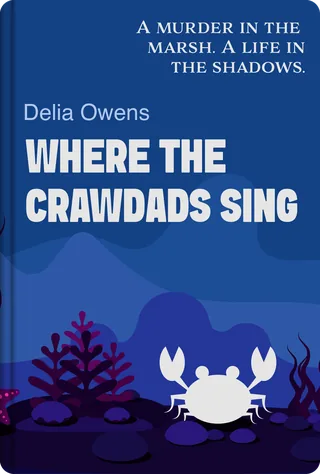
16Where the Crawdads Sing

Where the Crawdads Sing

Delia Owens

Follow an abandoned girl surviving alone in the marshes as mystery, heartbreak, and nature shape her search for belonging.

15 min

Listen to the intro

2:21

What is Where the Crawdads Sing about?

Where the Crawdads Sing (2018) follows Kya Clark, a girl abandoned by her family who grows up alone in the marshes of the North Carolina coast. Known in town as the Marsh Girl, she teaches herself to survive and becomes a gifted naturalist, until she is accused of a local man’s death in 1969. Delia Owens combines a coming-of-age story, a courtroom mystery, and vivid descriptions of the natural world.

Who should read Where the Crawdads Sing?

  • Fans of coming-of-age stories with courtroom suspense
  • Nature lovers fascinated by marshes and wildlife
  • Anyone who has felt lonely or out of place
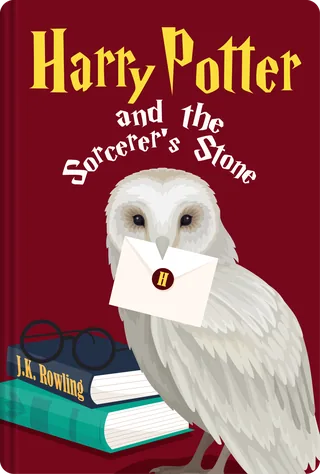
17Harry Potter and the Sorcerer’s Stone

Harry Potter and the Sorcerer’s Stone

J.K. Rowling

Enter a hidden world of magic, danger, and friendship where a young boy discovers the power of courage, loyalty, and choice.

14 min

Listen to the intro

0:40

What is Harry Potter and the Sorcerer’s Stone about?

Harry Potter and the Sorcerer’s Stone (1997) introduces Harry, an orphan boy who learns on his eleventh birthday that he has been accepted into Hogwarts, a hidden school in a fantasy world. There he makes loyal friends in Ron and Hermione, discovers the truth about his past, and faces a dangerous enemy. J.K. Rowling’s first novel in the series celebrates friendship, courage, and the power of good choices.

Who should read Harry Potter and the Sorcerer’s Stone?

  • Young readers discovering the joy of fantasy adventures
  • Parents seeking stories that celebrate friendship and courage
  • Anyone curious about how a famous series began
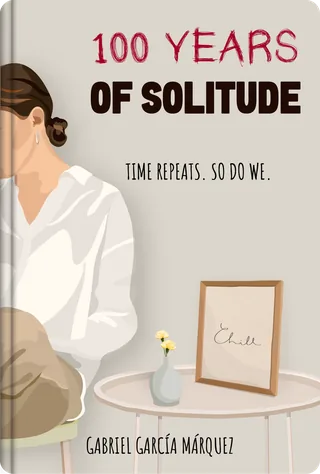
18One Hundred Years of Solitude

One Hundred Years of Solitude

Gabriel García Márquez

Enter Macondo, where the Buendía family faces generations of love, loss, magic, and an inescapable cycle of solitude.

18 min

Listen to the intro

1:04

What is One Hundred Years of Solitude about?

One Hundred Years of Solitude (1967) tells the story of seven generations of the Buendía family in the fictional town of Macondo, from its founding to its decline. Gabriel García Márquez blends everyday life with extraordinary events in a style known as magical realism, reflecting the history and politics of Latin America. The novel explores memory, family, time, and solitude, and is considered one of the greatest works of world literature.

Who should read One Hundred Years of Solitude?

  • Readers curious about classics of world literature
  • Anyone drawn to family sagas spanning generations
  • Students exploring Latin American history through fiction
19Treasure Island

Treasure Island

Robert Louis Stevenson

Set sail on a thrilling treasure hunt filled with danger, loyalty, and discoveries about courage, trust, and growing up.

9 min

Listen to the intro

0:45

What is Treasure Island about?

Treasure Island (1883) is a classic adventure novel about young Jim Hawkins, who finds a map to buried pirate treasure and sets sail with a crew that includes the charming but dangerous Long John Silver. Robert Louis Stevenson fills the story with mutiny, loyalty, betrayal, and courage. The book shaped the popular image of pirates, from treasure maps marked with an X to one-legged sailors with parrots.

Who should read Treasure Island?

  • Adventure lovers who enjoy daring treasure hunts at sea
  • Young readers learning about courage, loyalty and growing up
  • Anyone curious about where classic pirate legends began
20Crime and Punishment

Crime and Punishment

Fyodor Dostoevsky

Follow a brilliant, desperate student who convinces himself that murder can be justified, and discover the punishment no court can impose.

21 min

What is Crime and Punishment about?

Crime and Punishment (1866) follows Rodion Raskolnikov, a poor former law student in Saint Petersburg who kills an old pawnbroker to prove his theory that extraordinary people may step over moral lines. What follows is not a hunt for the killer but a gripping psychological journey through guilt, fever and fear, as a shrewd investigator closes in and a self-sacrificing young woman named Sonia leads him toward confession and redemption. Fyodor Dostoevsky's masterpiece remains one of the most influential novels ever written.

Who should read Crime and Punishment?

  • Readers drawn to the psychology of guilt and conscience
  • Students of classic world literature and Russian novels
  • Anyone questioning whether noble ends justify wrong means

Related topics

Questions about Classics

What is a good book to start with on classic literature?

The Alchemist is an accessible starting point, a short and hopeful story about a young shepherd following his dream. If you prefer a novel about society and power, Nineteen Eighty-Four shows how a regime can control truth and thought.

What will I learn from classic novels?

You will see how great writers explore lasting questions of honour, fate, freedom and injustice through memorable characters. Works such as A Passage to India and Of Mice and Men also help you understand other societies, their struggles and the bonds of friendship within them.

Who are these classics summaries for?

They suit students meeting these books for the first time, busy readers who want to know the great works before choosing what to read in full, and book lovers who want to refresh their memory. They are also useful for anyone who wants to join discussions about literature with a clear grasp of the main ideas.

Get the key ideas from the world's best books in about 15 minutes

Free account · One free summary every day