Get started

Topic

The best 16 Environmental Issues summaries

Environmental issues shape daily life across the Middle East, from water scarcity and rising heat to the role of oil and gas in the economy, and understanding them helps readers make sense of the choices facing their families, cities and countries. The books gathered here range from close looks at forests and plants to investigations of mining, energy, fashion and technology, alongside historical and scientific accounts of how climate and resources have shaped civilizations. With these ideas, readers can weigh evidence over slogans, make more thoughtful decisions about what they buy and eat, and see their own place in caring for the earth more clearly.

1To Dye For

To Dye For

Alden Wicker

Uncover the chemicals hidden in modern clothing and their potential impact on human health, the environment, and everyday life.

16 min

Listen to the intro

1:40

What is To Dye For about?

To Dye For (2023) investigates the hidden health risks of the chemicals used to make modern clothing. Alden Wicker explains how dyes, finishes, and other substances in everyday garments may affect the skin, hormones, and long-term health, and why the fashion industry is so poorly regulated. The book also offers practical advice for choosing safer clothing and pushing for better standards.

Who should read To Dye For?

  • Parents choosing safer clothes for their children
  • People with skin sensitivities or unexplained health symptoms
  • Shoppers who want to know what's in their clothes
2Losing Eden

Losing Eden

Lucy Jones

Understand how disconnection from nature affects mental health, and why restoring that bond can improve emotional well-being and help us thrive.

16 min

Listen to the intro

1:14

What is Losing Eden about?

Losing Eden (2020) examines the essential connection between the natural world and human mental and physical well-being. Drawing on scientific research, interviews, history, and personal experience, Lucy Jones explores how forests, plants, animals, soil, and natural landscapes can influence mood, attention, stress, and emotional recovery. The book warns that urbanisation, environmental destruction, and increasingly indoor lives are separating people from nature, harming both human health and the willingness to protect the environment.

Who should read Losing Eden?

  • City dwellers feeling stressed, drained or disconnected from nature
  • Anyone seeking natural ways to support mental well-being
  • Environmentalists exploring how losing nature harms human health
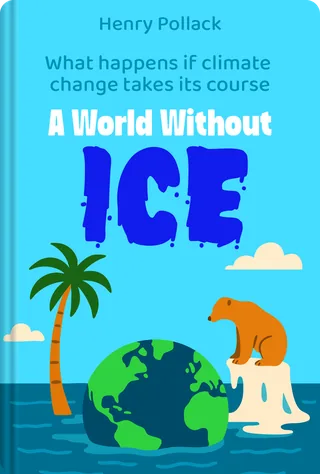
3A World Without Ice

A World Without Ice

Henry Pollack

Witness how disappearing ice reshapes coastlines, disrupts weather, and reveals the accelerating consequences of a warming planet.

17 min

Listen to the intro

1:41

What is A World Without Ice about?

A World Without Ice (2009) examines the history of Earth’s ice and explains how glaciers, polar regions, and frozen landscapes influence climate, sea levels, and human civilisation. Henry Pollack combines scientific research with historical examples to show what ice reveals about changes in the planet’s temperature. The book also considers how continued warming and melting ice could affect coastal communities, natural systems, water supplies, and future generations.

Who should read A World Without Ice?

  • Readers curious about how ice shapes Earth's climate
  • Coastal residents concerned about rising sea levels
  • Students exploring climate science through historical examples
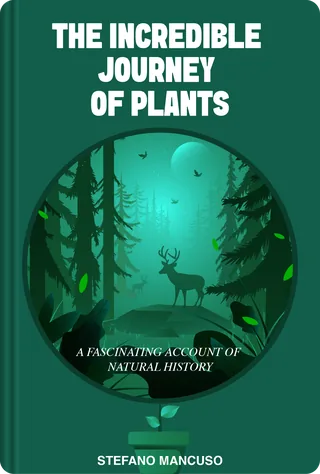
4The Incredible Journey of Plants

The Incredible Journey of Plants

Stefano Mancuso

Follow the remarkable journeys of plants as they cross continents, adapt, survive, and quietly transform the natural world.

16 min

Listen to the intro

1:16

What is The Incredible Journey of Plants about?

The Incredible Journey of Plants (2018) tells the fascinating story of how plants have spread across the planet, even though they cannot move. Stefano Mancuso describes how seeds travel by wind, water, and animals, how plants have survived in extreme places, and how some have followed humans around the world. The book reveals the intelligence and resilience of plants and their importance for life on Earth.

Who should read The Incredible Journey of Plants?

  • Nature lovers curious how plants spread across continents
  • Gardeners wanting to understand seeds, survival and adaptation
  • Students and teachers seeking an engaging way into biology
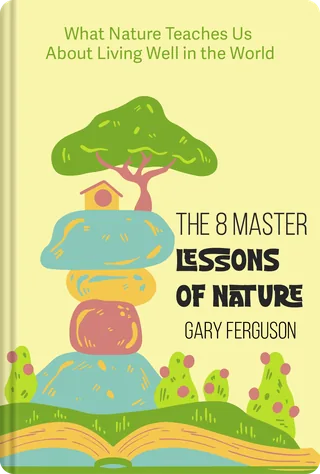
5The Eight Master Lessons of Nature

The Eight Master Lessons of Nature

Gary Ferguson

Listen to nature’s timeless lessons on connection, resilience, balance, and living more fully and compassionately on our planet.

19 min

Listen to the intro

1:58

What is The Eight Master Lessons of Nature about?

The Eight Master Lessons of Nature (2019) draws on science and a lifetime spent in the wilderness to share eight essential lessons from the natural world. Gary Ferguson explores ideas such as connection, diversity, resilience, reciprocity, and beauty, and shows how they can guide people toward healthier communities and more balanced lives. The book invites readers to see themselves as part of nature rather than separate from it.

Who should read The Eight Master Lessons of Nature?

  • Nature lovers seeking deeper meaning in the outdoors
  • Anyone feeling disconnected and craving a more balanced life
  • Community builders looking for lessons in resilience and cooperation
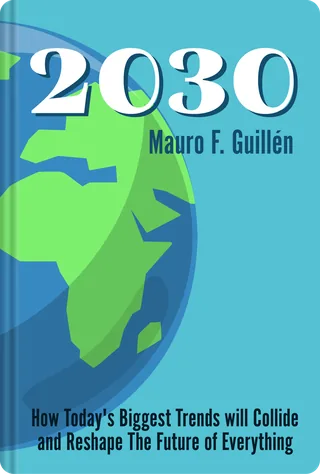
62030

2030

Mauro Guillén

Prepare for 2030 by understanding the demographic, technological, and economic forces reshaping how we live, work, and connect.

22 min

Listen to the intro

1:31

What is 2030 about?

2030 (2020) explores the major trends that will reshape the world by the year 2030, including ageing populations, a growing middle class in Asia and Africa, urbanisation, climate change, new technologies, and changing roles for women. Mauro Guillén explains how these trends interact and shows how individuals, businesses, and governments can prepare for a very different future.

Who should read 2030?

  • Business leaders planning strategy for the coming decade
  • Policymakers preparing for aging populations and rapid urbanization
  • Anyone curious how global trends will shape their future
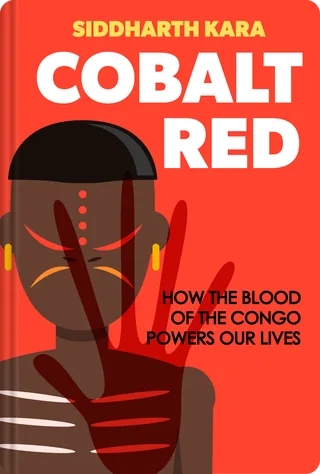
7Cobalt Red

Cobalt Red

Siddharth Kara

Expose the exploitation and environmental damage behind cobalt mining, revealing the hidden human cost of batteries and clean energy.

15 min

Listen to the intro

1:27

What is Cobalt Red about?

Cobalt Red (2023) reveals the human cost behind the cobalt used in the batteries of phones, laptops, and electric cars. Siddharth Kara travelled to mining regions in the Democratic Republic of the Congo and documented the dangerous conditions faced by workers, including children, who dig cobalt by hand. The book calls on companies and consumers to take responsibility for the supply chains that power modern technology.

Who should read Cobalt Red?

  • Consumers curious about the true cost of their devices
  • Business leaders responsible for ethical supply chains
  • Anyone concerned with human rights and clean energy
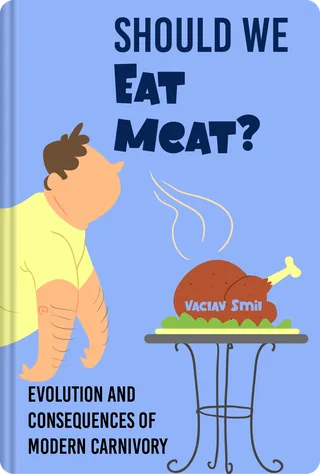
8Should We Eat Meat?

Should We Eat Meat?

Vaclav Smil

Examine how eating meat affects human health, culture, and the environment, and make more informed choices about what reaches your plate.

17 min

Listen to the intro

1:44

What is Should We Eat Meat? about?

Should We Eat Meat? (2013) examines the role of meat in human history, nutrition, and the environment. Scientist Vaclav Smil reviews how meat consumption has grown, what it means for health, and its effects on land, water, and energy use. Rather than calling for people to stop eating meat, he argues for more moderate and efficient production and consumption.

Who should read Should We Eat Meat??

  • Health-conscious eaters weighing how much meat to eat
  • Environmental enthusiasts curious about food's footprint on resources
  • Policymakers and planners shaping sustainable food systems
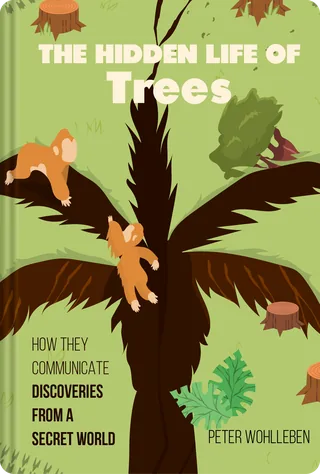
9The Hidden Life of Trees

The Hidden Life of Trees

Peter Wohlleben

Enter the hidden world of trees to discover how they communicate, share resources, and support one another across the forest.

15 min

Listen to the intro

1:16

What is The Hidden Life of Trees about?

The Hidden Life of Trees (2015) reveals the surprising ways trees live, communicate, and support one another. Drawing on his experience as a forester and on scientific research, Peter Wohlleben explains how trees share nutrients through underground networks, warn each other of danger, and care for their young. The book invites readers to see forests as complex communities and to value them more deeply.

Who should read The Hidden Life of Trees?

  • Nature lovers curious about how forests really work
  • Gardeners and hikers who want to understand trees
  • Anyone concerned about protecting forests and the environment
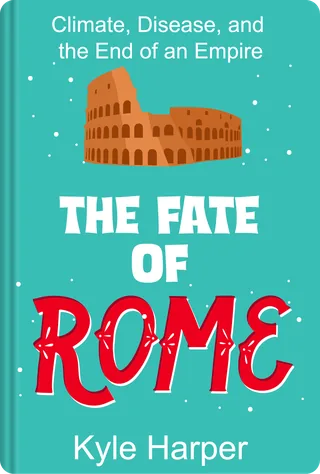
10The Fate of Rome

The Fate of Rome

Kyle Harper

Rethink Rome’s fall through the climate shifts, pandemics, politics, and wars that combined to bring down one of history’s greatest empires.

25 min

Listen to the intro

1:22

What is The Fate of Rome about?

The Fate of Rome (2017) offers a new explanation for the fall of the Roman Empire, focusing on the role of climate change and disease. Kyle Harper shows how a period of favourable climate helped Rome grow, while cooling temperatures and devastating pandemics later weakened its population, economy, and army. The book reveals how nature shaped one of history’s greatest empires.

Who should read The Fate of Rome?

  • History lovers curious about why great empires collapse
  • Readers interested in how climate and disease shape societies
  • Anyone drawing lessons from past pandemics for today
11How the World Really Works

How the World Really Works

Vaclav Smil

Understand the systems sustaining modern civilisation, from energy and food to materials and supply chains, through evidence rather than ideology.

21 min

Listen to the intro

1:35

What is How the World Really Works about?

How the World Really Works (2022) explains the basic realities behind modern life that most people take for granted. Vaclav Smil describes how energy, food production, and key materials such as steel, cement, plastics, and ammonia make our world possible, and how globalisation, risks, and the environment are connected. With facts and numbers, he offers a clear, realistic view of the challenges ahead.

Who should read How the World Really Works?

  • Readers who want facts behind energy and food debates
  • Professionals working in energy, industry or supply chains
  • Students curious about how modern civilization actually runs
12Sustainable Leadership

Sustainable Leadership

Clarke Murphy

Unite profit with purpose through sustainable leadership that sparks innovation, strengthens culture, and creates lasting impact.

16 min

Listen to the intro

1:34

What is Sustainable Leadership about?

Sustainable Leadership (2022) examines how organisations can develop leaders capable of producing strong results without exhausting people, communities, or natural resources. Clarke Murphy argues that leadership decisions should balance financial performance with responsibility toward employees, society, and the environment. Through interviews and examples from global organisations, the book explains how purpose, succession planning, long-term thinking, and accountable governance can support enduring success.

Who should read Sustainable Leadership?

  • Executives balancing profit with social and environmental responsibility
  • Board members shaping succession plans and accountable governance
  • Emerging leaders aiming to build lasting, purpose-driven organizations
13Green Illusions

Green Illusions

Ozzie Zehner

Question whether green technology alone can solve the environmental crisis—and confront the deeper impact of overconsumption.

21 min

Listen to the intro

1:03

What is Green Illusions about?

Green Illusions (2012) challenges the popular belief that solar panels, wind turbines, biofuels, and electric cars alone can solve our environmental problems. Ozzie Zehner shows the hidden costs and limits of these technologies and argues that reducing consumption, better city design, and wiser choices matter more than simply producing more clean energy. The book offers a thought-provoking look at what real sustainability requires.

Who should read Green Illusions?

  • Environmentalists who question clean energy's promises
  • Urban planners rethinking how cities shape consumption
  • Anyone wanting to live more sustainably and simply
14Blowout

Blowout

Rachel Maddow

Uncover how oil and gas power fuels corruption, weakens democracies, and quietly shapes political crises around the world.

19 min

Listen to the intro

1:39

What is Blowout about?

Blowout (2019) investigates the global oil and gas industry and its influence on politics and democracy. Rachel Maddow traces how energy wealth has fuelled corruption, strengthened authoritarian governments, and caused environmental harm, with examples ranging from Russia to Oklahoma. The book calls for stronger oversight of one of the world’s most powerful industries.

Who should read Blowout?

  • Readers curious how energy wealth shapes global politics
  • Professionals working in or around the oil and gas sector
  • Anyone concerned with governance, accountability and environmental impact
15Atlas of AI

Atlas of AI

Kate Crawford

Expose the hidden labour, mineral extraction, and environmental costs behind AI, challenging its image as clean and neutral technology.

14 min

Listen to the intro

1:33

What is Atlas of AI about?

Atlas of AI (2021) shows that artificial intelligence is not just clever software but a system built on physical resources, human labour, and large amounts of data. Kate Crawford follows AI from the mines that supply minerals for computers to the workers who label data and the ways AI is used to classify and monitor people. The book raises important questions about power, fairness, and the true costs of AI.

Who should read Atlas of AI?

  • Tech professionals curious about AI's real-world costs
  • Policymakers shaping rules for fair and accountable AI
  • Anyone who sees AI as clean, neutral technology
16The Anthropocene Reviewed

The Anthropocene Reviewed

John Green

Rediscover the extraordinary within ordinary life through personal reflections that blend science, emotion, and the complexity of being human.

17 min

Listen to the intro

1:56

What is The Anthropocene Reviewed about?

The Anthropocene Reviewed (2021) is a collection of personal essays in which John Green rates different aspects of life on our human-shaped planet on a five-star scale. He writes about subjects as varied as sunsets, the internet, air conditioning, Canada geese, and the song You’ll Never Walk Alone, mixing history, science, and personal memories. The result is a warm, funny, and thoughtful reflection on being human.

Who should read The Anthropocene Reviewed?

  • Readers who enjoy reflective personal essays
  • Anyone seeking wonder in everyday life
  • Curious minds drawn to science and history

Related topics

Questions about Environmental Issues

What is a good book to start with on environmental issues?

How the World Really Works is a strong starting point, as it explains energy, food and materials through evidence rather than ideology. For a gentler entry, The Hidden Life of Trees offers a fascinating view of how forests live and support one another.

What will I learn from environmental issues books?

You will learn how energy, minerals and consumer goods carry hidden environmental and human costs, as shown in Cobalt Red and To Dye For. You will also see how climate has shaped history and continues to reshape the planet, through titles like The Fate of Rome and A World Without Ice.

Who are these summaries for?

They suit anyone curious about how modern life affects the natural world, from students and professionals to parents thinking about the future their children will inherit. Business readers will also find practical value in Sustainable Leadership, which links responsible practice with lasting success.

Get the key ideas from the world's best books in about 15 minutes

Free account · One free summary every day