Get started

Topic

The best 21 Ecology & Sustainability summaries

Ecology and sustainability look at how living things, natural resources and human societies depend on one another, a question that matters deeply in a region facing water scarcity, rising heat and rapid economic change. The books here range from close studies of trees, plants and animals to evidence-based looks at energy, food, mining and consumption, along with reflections on how time in nature shapes our health and character. Readers can use these ideas to make more thoughtful choices about what they buy and eat, to weigh environmental claims with a clearer eye, and to lead families and organisations with long-term stewardship in mind.

1Light

Light

Bruce Watson

Trace the story of light from ancient belief to quantum physics, revealing how it transformed science, technology, and our understanding of the universe.

15 min

Listen to the intro

1:41

What is Light about?

Light (2016) traces humanity’s understanding and use of light from ancient creation stories and early philosophy to modern physics and advanced technology. Bruce Watson examines the contributions of artists, astronomers, inventors, and scientists who changed how people see both the natural world and the universe. The book combines history, science, and cultural observation to show how light has shaped religion, art, medicine, communication, industry, and scientific discovery.

Who should read Light?

  • History buffs curious about how science evolved over centuries
  • Students who want physics explained through engaging stories
  • Artists and photographers fascinated by the nature of light
2Sustainable Leadership

Sustainable Leadership

Clarke Murphy

Unite profit with purpose through sustainable leadership that sparks innovation, strengthens culture, and creates lasting impact.

16 min

Listen to the intro

1:34

What is Sustainable Leadership about?

Sustainable Leadership (2022) examines how organisations can develop leaders capable of producing strong results without exhausting people, communities, or natural resources. Clarke Murphy argues that leadership decisions should balance financial performance with responsibility toward employees, society, and the environment. Through interviews and examples from global organisations, the book explains how purpose, succession planning, long-term thinking, and accountable governance can support enduring success.

Who should read Sustainable Leadership?

  • Executives balancing profit with social and environmental responsibility
  • Board members shaping succession plans and accountable governance
  • Emerging leaders aiming to build lasting, purpose-driven organizations
3The Hidden Life of Trees

The Hidden Life of Trees

Peter Wohlleben

Enter the hidden world of trees to discover how they communicate, share resources, and support one another across the forest.

15 min

Listen to the intro

1:16

What is The Hidden Life of Trees about?

The Hidden Life of Trees (2015) reveals the surprising ways trees live, communicate, and support one another. Drawing on his experience as a forester and on scientific research, Peter Wohlleben explains how trees share nutrients through underground networks, warn each other of danger, and care for their young. The book invites readers to see forests as complex communities and to value them more deeply.

Who should read The Hidden Life of Trees?

  • Nature lovers curious about how forests really work
  • Gardeners and hikers who want to understand trees
  • Anyone concerned about protecting forests and the environment
4The Fate of Rome

The Fate of Rome

Kyle Harper

Rethink Rome’s fall through the climate shifts, pandemics, politics, and wars that combined to bring down one of history’s greatest empires.

25 min

Listen to the intro

1:22

What is The Fate of Rome about?

The Fate of Rome (2017) offers a new explanation for the fall of the Roman Empire, focusing on the role of climate change and disease. Kyle Harper shows how a period of favourable climate helped Rome grow, while cooling temperatures and devastating pandemics later weakened its population, economy, and army. The book reveals how nature shaped one of history’s greatest empires.

Who should read The Fate of Rome?

  • History lovers curious about why great empires collapse
  • Readers interested in how climate and disease shape societies
  • Anyone drawing lessons from past pandemics for today
5Should We Eat Meat?

Should We Eat Meat?

Vaclav Smil

Examine how eating meat affects human health, culture, and the environment, and make more informed choices about what reaches your plate.

17 min

Listen to the intro

1:44

What is Should We Eat Meat? about?

Should We Eat Meat? (2013) examines the role of meat in human history, nutrition, and the environment. Scientist Vaclav Smil reviews how meat consumption has grown, what it means for health, and its effects on land, water, and energy use. Rather than calling for people to stop eating meat, he argues for more moderate and efficient production and consumption.

Who should read Should We Eat Meat??

  • Health-conscious eaters weighing how much meat to eat
  • Environmental enthusiasts curious about food's footprint on resources
  • Policymakers and planners shaping sustainable food systems
6A World Without Ice

A World Without Ice

Henry Pollack

Witness how disappearing ice reshapes coastlines, disrupts weather, and reveals the accelerating consequences of a warming planet.

17 min

Listen to the intro

1:41

What is A World Without Ice about?

A World Without Ice (2009) examines the history of Earth’s ice and explains how glaciers, polar regions, and frozen landscapes influence climate, sea levels, and human civilisation. Henry Pollack combines scientific research with historical examples to show what ice reveals about changes in the planet’s temperature. The book also considers how continued warming and melting ice could affect coastal communities, natural systems, water supplies, and future generations.

Who should read A World Without Ice?

  • Readers curious about how ice shapes Earth's climate
  • Coastal residents concerned about rising sea levels
  • Students exploring climate science through historical examples
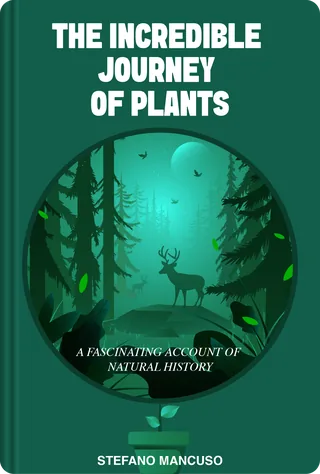
7The Incredible Journey of Plants

The Incredible Journey of Plants

Stefano Mancuso

Follow the remarkable journeys of plants as they cross continents, adapt, survive, and quietly transform the natural world.

16 min

Listen to the intro

1:16

What is The Incredible Journey of Plants about?

The Incredible Journey of Plants (2018) tells the fascinating story of how plants have spread across the planet, even though they cannot move. Stefano Mancuso describes how seeds travel by wind, water, and animals, how plants have survived in extreme places, and how some have followed humans around the world. The book reveals the intelligence and resilience of plants and their importance for life on Earth.

Who should read The Incredible Journey of Plants?

  • Nature lovers curious how plants spread across continents
  • Gardeners wanting to understand seeds, survival and adaptation
  • Students and teachers seeking an engaging way into biology
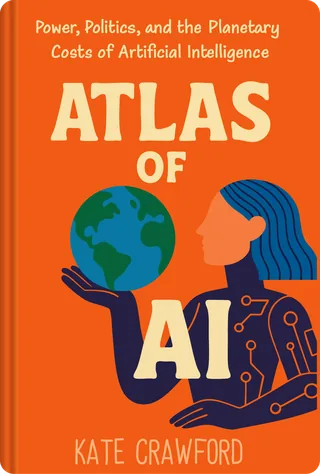
8Atlas of AI

Atlas of AI

Kate Crawford

Expose the hidden labour, mineral extraction, and environmental costs behind AI, challenging its image as clean and neutral technology.

14 min

Listen to the intro

1:33

What is Atlas of AI about?

Atlas of AI (2021) shows that artificial intelligence is not just clever software but a system built on physical resources, human labour, and large amounts of data. Kate Crawford follows AI from the mines that supply minerals for computers to the workers who label data and the ways AI is used to classify and monitor people. The book raises important questions about power, fairness, and the true costs of AI.

Who should read Atlas of AI?

  • Tech professionals curious about AI's real-world costs
  • Policymakers shaping rules for fair and accountable AI
  • Anyone who sees AI as clean, neutral technology
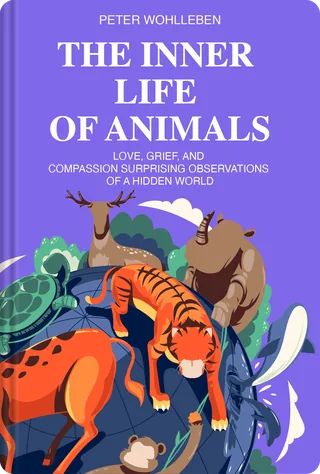
9The Inner Life of Animals

The Inner Life of Animals

Peter Wohlleben

See the animal world with deeper compassion by exploring how creatures experience joy, fear, love, grief, and loyalty.

19 min

Listen to the intro

1:57

What is The Inner Life of Animals about?

The Inner Life of Animals (2016) explores the surprising emotional and mental lives of animals. Peter Wohlleben draws on scientific research and his long experience as a forester to show how animals may feel fear, grief, joy, and even gratitude, and how many species communicate and make decisions. The book encourages readers to see animals with new respect and to rethink how we treat them.

Who should read The Inner Life of Animals?

  • Pet owners who want to understand their animals better
  • Nature lovers curious about how animals think and feel
  • Anyone rethinking how humans should treat other creatures
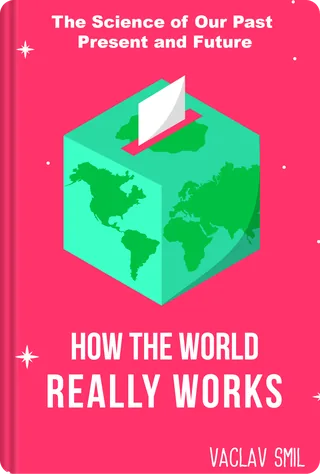
10How the World Really Works

How the World Really Works

Vaclav Smil

Understand the systems sustaining modern civilisation, from energy and food to materials and supply chains, through evidence rather than ideology.

21 min

Listen to the intro

1:35

What is How the World Really Works about?

How the World Really Works (2022) explains the basic realities behind modern life that most people take for granted. Vaclav Smil describes how energy, food production, and key materials such as steel, cement, plastics, and ammonia make our world possible, and how globalisation, risks, and the environment are connected. With facts and numbers, he offers a clear, realistic view of the challenges ahead.

Who should read How the World Really Works?

  • Readers who want facts behind energy and food debates
  • Professionals working in energy, industry or supply chains
  • Students curious about how modern civilization actually runs
11All Creatures Great and Small

All Creatures Great and Small

James Herriot

Join a young veterinarian in Yorkshire for heartwarming, humorous stories of rural life and the powerful bond between people and animals.

18 min

Listen to the intro

1:01

What is All Creatures Great and Small about?

All Creatures Great and Small (1972) is a warm and funny account of life as a young country veterinarian in the Yorkshire Dales of England in the 1930s. James Herriot describes caring for cows, horses, dogs, and cats, and the colourful farmers and townspeople he meets along the way. The book celebrates kindness, hard work, and the bond between people and animals, and inspired popular television series.

Who should read All Creatures Great and Small?

  • Animal lovers who enjoy warm, funny true stories
  • Aspiring veterinarians curious about real life in practice
  • Readers seeking gentle escapes into rural countryside life
12Cobalt Red

Cobalt Red

Siddharth Kara

Expose the exploitation and environmental damage behind cobalt mining, revealing the hidden human cost of batteries and clean energy.

15 min

Listen to the intro

1:27

What is Cobalt Red about?

Cobalt Red (2023) reveals the human cost behind the cobalt used in the batteries of phones, laptops, and electric cars. Siddharth Kara travelled to mining regions in the Democratic Republic of the Congo and documented the dangerous conditions faced by workers, including children, who dig cobalt by hand. The book calls on companies and consumers to take responsibility for the supply chains that power modern technology.

Who should read Cobalt Red?

  • Consumers curious about the true cost of their devices
  • Business leaders responsible for ethical supply chains
  • Anyone concerned with human rights and clean energy
13Losing Eden

Losing Eden

Lucy Jones

Understand how disconnection from nature affects mental health, and why restoring that bond can improve emotional well-being and help us thrive.

16 min

Listen to the intro

1:14

What is Losing Eden about?

Losing Eden (2020) examines the essential connection between the natural world and human mental and physical well-being. Drawing on scientific research, interviews, history, and personal experience, Lucy Jones explores how forests, plants, animals, soil, and natural landscapes can influence mood, attention, stress, and emotional recovery. The book warns that urbanisation, environmental destruction, and increasingly indoor lives are separating people from nature, harming both human health and the willingness to protect the environment.

Who should read Losing Eden?

  • City dwellers feeling stressed, drained or disconnected from nature
  • Anyone seeking natural ways to support mental well-being
  • Environmentalists exploring how losing nature harms human health
14The Horse

The Horse

Timothy C. Winegard

Trace how the horse transformed warfare, travel, culture, and civilisation, leaving an enduring mark on human history.

19 min

Listen to the intro

1:05

What is The Horse about?

The Horse (2024) tells the story of how horses shaped human history. Timothy C. Winegard explains how the domestication of horses transformed travel, farming, trade, warfare, and communication, helping empires rise and connecting distant cultures. From ancient times to the modern age, the book shows how the partnership between people and horses changed the world.

Who should read The Horse?

  • History lovers curious about the forces behind empires
  • Horse enthusiasts wanting to understand their bond with humans
  • Anyone interested in how travel and trade connected cultures
15Green Illusions

Green Illusions

Ozzie Zehner

Question whether green technology alone can solve the environmental crisis—and confront the deeper impact of overconsumption.

21 min

Listen to the intro

1:03

What is Green Illusions about?

Green Illusions (2012) challenges the popular belief that solar panels, wind turbines, biofuels, and electric cars alone can solve our environmental problems. Ozzie Zehner shows the hidden costs and limits of these technologies and argues that reducing consumption, better city design, and wiser choices matter more than simply producing more clean energy. The book offers a thought-provoking look at what real sustainability requires.

Who should read Green Illusions?

  • Environmentalists who question clean energy's promises
  • Urban planners rethinking how cities shape consumption
  • Anyone wanting to live more sustainably and simply
16Wintering

Wintering

Katherine May

Embrace life’s quieter seasons to find healing, restore strength, and move forward with greater clarity through rest and nature’s rhythms.

20 min

Listen to the intro

2:20

What is Wintering about?

Wintering (2020) is a gentle reflection on the difficult seasons of life, such as illness, loss, or times of exhaustion. Katherine May draws on her own experiences and on lessons from nature, where plants and animals slow down and rest during winter. She argues that these periods of withdrawal are natural and necessary, and that allowing ourselves to rest can help us recover and grow stronger.

Who should read Wintering?

  • Anyone going through illness, loss, or exhaustion
  • People who feel guilty for slowing down
  • Readers seeking comfort in nature's seasonal rhythms
17To Dye For

To Dye For

Alden Wicker

Uncover the chemicals hidden in modern clothing and their potential impact on human health, the environment, and everyday life.

16 min

Listen to the intro

1:40

What is To Dye For about?

To Dye For (2023) investigates the hidden health risks of the chemicals used to make modern clothing. Alden Wicker explains how dyes, finishes, and other substances in everyday garments may affect the skin, hormones, and long-term health, and why the fashion industry is so poorly regulated. The book also offers practical advice for choosing safer clothing and pushing for better standards.

Who should read To Dye For?

  • Parents choosing safer clothes for their children
  • People with skin sensitivities or unexplained health symptoms
  • Shoppers who want to know what's in their clothes
18This Is Your Mind on Plants

This Is Your Mind on Plants

Michael Pollan

Explore how opium, caffeine, and mescaline alter consciousness and why societies embrace some mind-changing substances while banning others.

18 min

Listen to the intro

1:28

What is This Is Your Mind on Plants about?

This Is Your Mind on Plants (2021) investigates the complex relationship between people and plants that can influence attention, physical sensations, and perception. Michael Pollan examines how history, culture, science, and public policy determine which plant substances societies accept, restrict, or misunderstand. By combining personal investigation with scientific and historical research, the book encourages readers to think more carefully about how plants can affect the mind and why attitudes toward them change across places and generations.

Who should read This Is Your Mind on Plants?

  • Readers curious about how plants shape human consciousness
  • Policy students examining why societies ban certain substances
  • Coffee drinkers wanting to understand caffeine's effect on them
19The Eight Master Lessons of Nature

The Eight Master Lessons of Nature

Gary Ferguson

Listen to nature’s timeless lessons on connection, resilience, balance, and living more fully and compassionately on our planet.

19 min

Listen to the intro

1:58

What is The Eight Master Lessons of Nature about?

The Eight Master Lessons of Nature (2019) draws on science and a lifetime spent in the wilderness to share eight essential lessons from the natural world. Gary Ferguson explores ideas such as connection, diversity, resilience, reciprocity, and beauty, and shows how they can guide people toward healthier communities and more balanced lives. The book invites readers to see themselves as part of nature rather than separate from it.

Who should read The Eight Master Lessons of Nature?

  • Nature lovers seeking deeper meaning in the outdoors
  • Anyone feeling disconnected and craving a more balanced life
  • Community builders looking for lessons in resilience and cooperation
20The Book of Eels

The Book of Eels

Patrik Svensson

Journey into the elusive world of eels, where science, history, and personal memory illuminate nature’s mysteries and our search for meaning.

19 min

Listen to the intro

0:56

What is The Book of Eels about?

The Book of Eels (2019) explores the mysterious life of the European eel, a creature whose origins puzzled scientists for centuries. Patrik Svensson describes the eel’s long migration to the Sargasso Sea, the efforts of thinkers from Aristotle onward to understand it, and the threats it now faces. He weaves in memories of fishing for eels with his father, reflecting on nature, mystery, and family.

Who should read The Book of Eels?

  • Nature lovers curious about animals that still puzzle science
  • Readers who enjoy science history blended with personal memoir
  • Anyone reflecting on family bonds and childhood memories

Related topics

Questions about Ecology & Sustainability

What is a good book to start with on ecology and sustainability?

How the World Really Works is a strong starting point because it explains the energy, food and material systems behind modern life using evidence rather than slogans. For a gentler entry into the living world, The Hidden Life of Trees shows how forests function as connected communities.

What will I learn from ecology and sustainability books?

You will learn how natural systems balance and support one another, and how human activity, from mining to clothing production, affects them. Titles such as Cobalt Red and Green Illusions reveal hidden costs behind technologies often presented as clean, helping you judge environmental questions more carefully.

Who are these summaries for?

They suit curious readers, students, professionals and parents who want to understand the natural world and their responsibility towards it. Business leaders will find practical guidance in Sustainable Leadership, while those seeking calm and balance may value Losing Eden and Wintering.

Get the key ideas from the world's best books in about 15 minutes

Free account · One free summary every day