Get started

Topic

The best 35 Biology & Natural Sciences summaries

Biology and the natural sciences explore how living things grow, adapt and depend on one another, from the cells of the human body to the forests, animals and climate that sustain life, knowledge that matters to readers in a region facing water scarcity, rising temperatures and fast-changing health needs. This topic gathers accessible works of popular science, natural history and neuroscience, including classic texts on the diversity of life, vivid explorations of trees, plants and animals, and gripping accounts of the brain and medical discovery. With these ideas, readers can understand their own bodies and minds more clearly, appreciate the intricate order of the natural world, and make better-informed choices about health, food and the environment.

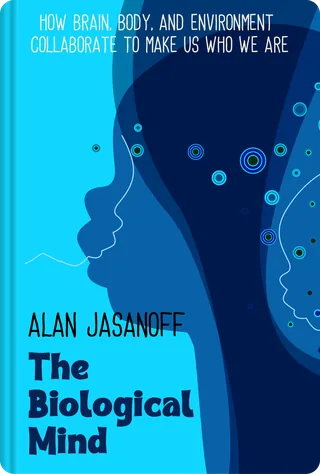
1The Biological Mind

The Biological Mind

Alan Jasanoff

Rethink the mind as a living partnership between brain, body, and environment that shapes every thought, emotion, and experience.

18 min

Listen to the intro

1:53

What is The Biological Mind about?

The Biological Mind (2018) challenges the popular idea that the brain works like a computer and that we are simply our brains. Alan Jasanoff explains that the mind depends on the whole body, including chemistry, emotions, and interaction with the environment. He argues that seeing the brain as part of a living biological system gives a more accurate and useful understanding of health, behaviour, and identity.

Who should read The Biological Mind?

  • Readers curious about how the brain really works
  • Anyone skeptical of the brain-as-computer metaphor
  • Health professionals linking body, mind, and behavior
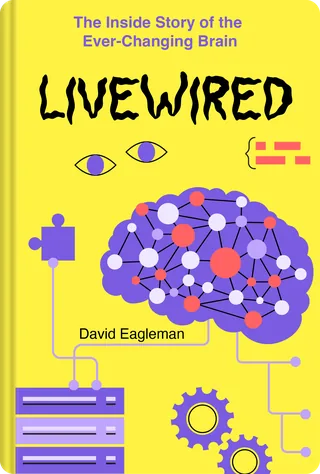
2Livewired

Livewired

David Eagleman

Harness your brain’s lifelong ability to adapt, learn new skills, and reshape itself through experience.

18 min

Listen to the intro

1:22

What is Livewired about?

Livewired (2020) explains how the brain constantly rewires itself in response to experience. David Eagleman shows that the brain is not fixed hardware but a living, changing system that adapts to new senses, lost abilities, and new technologies. With fascinating examples, such as people learning to sense the world in new ways, the book reveals how flexible our minds are and what this means for learning and the future.

Who should read Livewired?

  • Lifelong learners curious about how the brain adapts
  • Anyone recovering from injury or adjusting to lost abilities
  • Tech enthusiasts interested in the future of human senses
3The Body

The Body

Bill Bryson

Journey through the human body to uncover its remarkable complexity, resilience, and the medical discoveries that protect it.

20 min

Listen to the intro

0:53

What is The Body about?

The Body (2019) is a lively tour of the human body from head to toe. Bill Bryson explains how our organs, bones, cells, and systems work, and shares surprising facts, medical history, and stories of the scientists who made key discoveries. Written with his trademark humour and curiosity, the book helps readers appreciate the complexity of the body and understand how to take better care of it.

Who should read The Body?

  • Curious readers who want to understand how bodies work
  • Students considering careers in medicine or health sciences
  • Anyone wanting to take better care of their health
4Should We Eat Meat?

Should We Eat Meat?

Vaclav Smil

Examine how eating meat affects human health, culture, and the environment, and make more informed choices about what reaches your plate.

17 min

Listen to the intro

1:44

What is Should We Eat Meat? about?

Should We Eat Meat? (2013) examines the role of meat in human history, nutrition, and the environment. Scientist Vaclav Smil reviews how meat consumption has grown, what it means for health, and its effects on land, water, and energy use. Rather than calling for people to stop eating meat, he argues for more moderate and efficient production and consumption.

Who should read Should We Eat Meat??

  • Health-conscious eaters weighing how much meat to eat
  • Environmental enthusiasts curious about food's footprint on resources
  • Policymakers and planners shaping sustainable food systems
5Consciousness Explained

Consciousness Explained

Daniel C. Dennett

Rethink consciousness as the product of parallel brain processes, not a mysterious inner observer controlling the mind.

16 min

Listen to the intro

1:21

What is Consciousness Explained about?

Consciousness Explained (1991) offers a bold scientific theory of how consciousness arises from the activity of the brain. Daniel C. Dennett rejects the idea of a single place in the mind where experience comes together, which he calls the Cartesian theatre, and proposes instead his multiple drafts model. Drawing on neuroscience, psychology, and philosophy, the book challenges common intuitions about the self and subjective experience.

Who should read Consciousness Explained?

  • Students of philosophy exploring the nature of the mind
  • Anyone curious how the brain produces conscious experience
  • Readers who enjoy challenging debates about the self
6Guns, Germs and Steel

Guns, Germs and Steel

Jared Diamond

Understand how geography, agriculture, technology, and disease shaped the rise of civilisations, global power, and inequality rather than race.

18 min

Listen to the intro

1:20

What is Guns, Germs and Steel about?

Guns, Germs and Steel (1997) asks why some societies came to dominate others throughout history. Jared Diamond argues that the answer lies not in differences between peoples but in geography and environment, such as which regions had plants and animals suitable for farming, and how easily ideas and crops could spread. The book won the Pulitzer Prize and changed how many people understand world history.

Who should read Guns, Germs and Steel?

  • History lovers curious why some nations grew powerful
  • Students exploring how geography shapes economies and societies
  • Anyone questioning the roots of global inequality
7A Thousand Brains

A Thousand Brains

Jeff Hawkins

Explore how the brain builds models of the world—and how this breakthrough could transform our understanding of intelligence and AI.

15 min

Listen to the intro

1:27

What is A Thousand Brains about?

A Thousand Brains (2021) presents a new theory of how the brain creates intelligence. Jeff Hawkins argues that the neocortex is made of thousands of small units, each building its own model of the world, which then combine to form our understanding. He explains what this means for creating truly intelligent machines and for the future of humanity. Bill Gates named it one of his favourite books of the year.

Who should read A Thousand Brains?

  • Anyone curious about how the brain creates intelligence
  • AI researchers and engineers building truly smarter machines
  • Readers wondering what thinking machines mean for humanity
8On the Origin of Species

On the Origin of Species

Charles Darwin

Discover how natural selection drives evolution, shaping useful traits and creating the extraordinary diversity of life.

18 min

Listen to the intro

1:22

What is On the Origin of Species about?

On the Origin of Species (1859) presents Charles Darwin’s theory of evolution through natural selection, explaining how species gradually change across generations. Drawing on observations from nature, selective breeding, geography, and the fossil record, Darwin argues that organisms with traits better suited to their environments are more likely to survive and reproduce. The book transformed the study of life by offering a scientific framework for understanding adaptation, biological diversity, and the relationships among living organisms.

Who should read On the Origin of Species?

  • Students of biology exploring the roots of modern science
  • Readers interested in ideas that reshaped scientific history
  • Nature lovers curious about adaptation and biodiversity
9The Science and Technology of Growing Young

The Science and Technology of Growing Young

Sergey Young

Discover how AI, gene editing, and regenerative medicine could extend healthy life, while adopting practical habits that support longevity today.

19 min

Listen to the intro

1:00

What is The Science and Technology of Growing Young about?

The Science and Technology of Growing Young (2021) explores the scientific advances that could help people live longer and healthier lives. Sergey Young explains near-term breakthroughs such as early diagnostics, artificial intelligence in medicine, and gene therapies, as well as longer-term ideas like organ regeneration. He also shares practical steps readers can take today, such as better sleep, nutrition, and exercise, to extend their healthy years.

Who should read The Science and Technology of Growing Young?

  • Health-conscious readers wanting practical habits for healthy aging
  • Tech enthusiasts curious about AI and gene therapy in medicine
  • Anyone curious about future medical breakthroughs like organ regeneration
10The Creative Brain

The Creative Brain

Anna Abraham

Unlock more original ideas by understanding how the brain creates—and how creativity can be developed and strengthened.

15 min

Listen to the intro

0:56

What is The Creative Brain about?

The Creative Brain (2024) offers a science-based exploration of how creativity emerges from the human brain. Anna Abraham examines common beliefs about creative thinking, including the idea that creativity belongs exclusively to the brain’s right hemisphere, and compares them with findings from psychology and neuroscience. The book explains how intelligence, imagination, memory, attention, and different brain networks work together to generate original ideas and solve problems.

Who should read The Creative Brain?

  • Anyone curious about the science behind creative thinking
  • Professionals seeking more original ideas and better solutions
  • Readers who question popular myths about the right brain
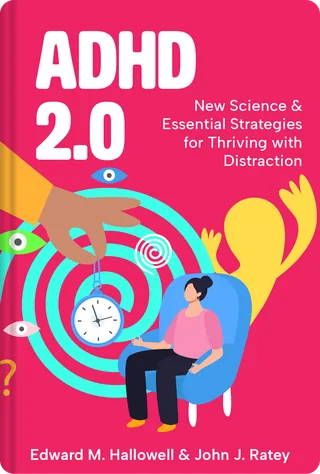
11ADHD 2.0

ADHD 2.0

Edward M. Hallowell and John J. Ratey

Reframe ADHD through its challenges and strengths, with practical strategies to improve focus, manage emotions, and channel creativity toward success.

20 min

Listen to the intro

1:13

What is ADHD 2.0 about?

ADHD 2.0 (2021) presents new scientific findings and practical strategies for living well with attention deficit hyperactivity disorder. Psychiatrists Edward M. Hallowell and John J. Ratey describe ADHD as a trait with both challenges and strengths, and explain the role of the brain’s default mode network. They recommend exercise, structure, connection with others, and the right kind of challenge to help people with ADHD thrive.

Who should read ADHD 2.0?

  • Adults with ADHD seeking practical ways to focus better
  • Parents raising a child diagnosed with ADHD
  • Teachers and coaches supporting easily distracted learners
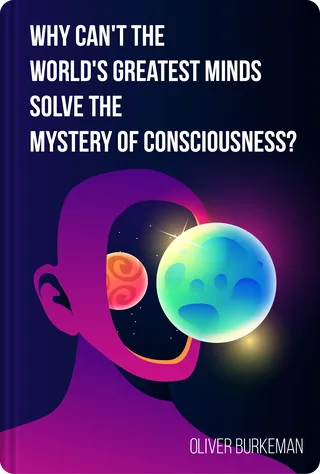
12Why Can’t the World’s Greatest Minds Solve the Mystery of Consciousness?

Why Can’t the World’s Greatest Minds Solve the Mystery of Consciousness?

Oliver Burkeman

Confront the enduring mystery of consciousness and the debate over whether subjective experience can ever be explained by the brain alone.

18 min

Listen to the intro

1:32

What is Why Can’t the World’s Greatest Minds Solve the Mystery of Consciousness? about?

Why Can’t the World’s Greatest Minds Solve the Mystery of Consciousness? (2015) examines one of the most difficult questions in philosophy and neuroscience: how physical activity in the brain produces the private experience of thoughts, feelings, colours, sounds, and self-awareness. Oliver Burkeman introduces the debate between researchers who believe consciousness can eventually be explained through brain science and thinkers who argue that subjective experience requires a broader explanation. The essay makes a complex intellectual debate accessible while showing why consciousness remains difficult to define, study, and fully understand.

Who should read Why Can’t the World’s Greatest Minds Solve the Mystery of Consciousness??

  • Curious minds wondering how the brain creates experience
  • Students of philosophy, psychology or neuroscience
  • Anyone who enjoys big questions explained in plain language
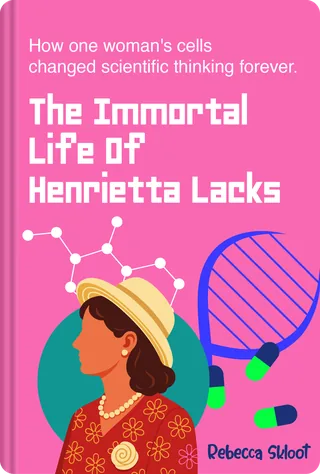
13The Immortal Life Of Henrietta Lacks

The Immortal Life Of Henrietta Lacks

Rebecca Skloot

Meet the woman behind HeLa cells and confront the breakthroughs, racial injustice, and ethical questions hidden within modern medical history.

17 min

Listen to the intro

1:07

What is The Immortal Life Of Henrietta Lacks about?

The Immortal Life Of Henrietta Lacks (2010) tells the true story of a young mother whose cancer cells were taken without her knowledge in 1951. Her cells, known as HeLa, became the first human cells to keep growing in a laboratory and helped develop the polio vaccine and countless medical advances. Rebecca Skloot also follows the Lacks family and raises important questions about medical ethics, consent, and fairness.

Who should read The Immortal Life Of Henrietta Lacks?

  • Medical students curious about the ethics behind research
  • Readers who enjoy true stories about science history
  • Anyone concerned with patient rights and informed consent
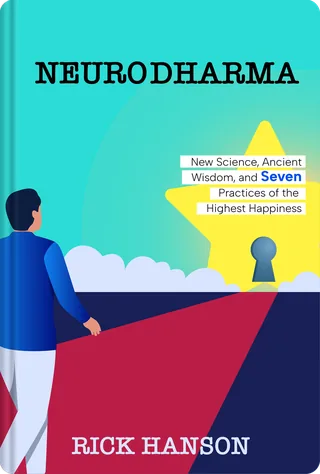
14Neurodharma

Neurodharma

Rick Hanson

Cultivate steadiness, love, and wisdom through seven neuroscience-informed practices inspired by Buddhism that deepen peace and inner freedom.

13 min

Listen to the intro

1:51

What is Neurodharma about?

Neurodharma (2020) combines modern brain science with ancient contemplative practices from the Buddhist tradition. Rick Hanson presents seven practices, including steadiness, warmth, fullness, and wholeness, to help readers develop a calmer mind and greater inner strength. Each practice includes clear scientific explanations and guided exercises that readers can bring into daily life, whether or not they have meditated before.

Who should read Neurodharma?

  • Anyone seeking a calmer, steadier mind amid daily stress
  • Readers curious how brain science explains inner peace
  • Meditation beginners wanting practical, science-based mental exercises
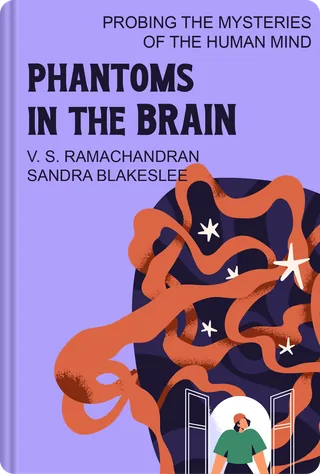
15Phantoms in the Brain

Phantoms in the Brain

V. S. Ramachandran and Sandra Blakeslee

Enter the brain’s hidden world through extraordinary neurological cases that reveal how fragile circuits shape identity, reality, and consciousness.

20 min

Listen to the intro

1:16

What is Phantoms in the Brain about?

Phantoms in the Brain (1998) explores the mysteries of the human mind through fascinating patient stories. V. S. Ramachandran and Sandra Blakeslee describe people who still feel limbs that have been amputated, patients who ignore half of the world, and others who believe their loved ones are impostors. Using simple experiments, such as the famous mirror box, the book shows what these cases reveal about how the brain works.

Who should read Phantoms in the Brain?

  • Students of psychology, medicine or neuroscience
  • Anyone curious about how the brain creates reality
  • Readers who enjoy true medical stories with surprising insights
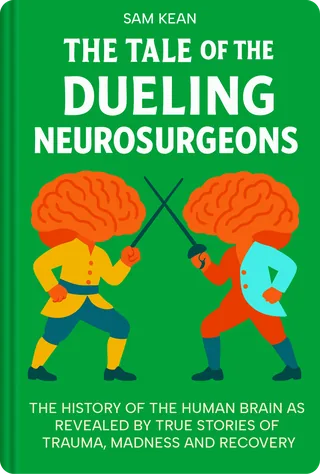
16The Tale of the Dueling Neurosurgeons

The Tale of the Dueling Neurosurgeons

Sam Kean

Journey through the discoveries and extraordinary medical cases that revealed how the brain is structured and how it works.

18 min

Listen to the intro

1:00

What is The Tale of the Dueling Neurosurgeons about?

The Tale of the Dueling Neurosurgeons (2014) tells the history of brain science through the remarkable stories of people whose injuries and illnesses revealed how the brain works. Sam Kean begins with a famous jousting accident in sixteenth-century France that brought two rival surgeons to the king’s bedside, and moves through cases of lost memory, changed personality, and strange perceptions. The book makes neuroscience vivid and easy to follow.

Who should read The Tale of the Dueling Neurosurgeons?

  • Anyone curious about how the human brain works
  • Students considering a career in medicine or neuroscience
  • Readers who enjoy true stories from medical history
17A World Without Ice

A World Without Ice

Henry Pollack

Witness how disappearing ice reshapes coastlines, disrupts weather, and reveals the accelerating consequences of a warming planet.

17 min

Listen to the intro

1:41

What is A World Without Ice about?

A World Without Ice (2009) examines the history of Earth’s ice and explains how glaciers, polar regions, and frozen landscapes influence climate, sea levels, and human civilisation. Henry Pollack combines scientific research with historical examples to show what ice reveals about changes in the planet’s temperature. The book also considers how continued warming and melting ice could affect coastal communities, natural systems, water supplies, and future generations.

Who should read A World Without Ice?

  • Readers curious about how ice shapes Earth's climate
  • Coastal residents concerned about rising sea levels
  • Students exploring climate science through historical examples
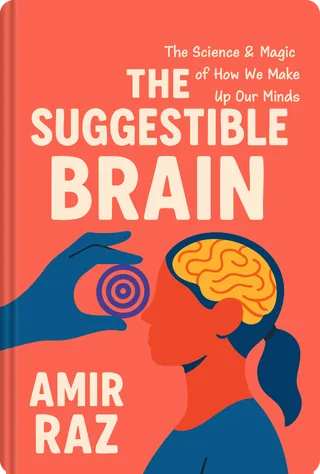
18The Suggestible Brain

The Suggestible Brain

Amir Raz

Harness the brain’s flexibility to break habits, manage pain, and reshape your experience through the power of belief, suggestion, and expectation.

18 min

Listen to the intro

1:16

What is The Suggestible Brain about?

The Suggestible Brain (2025) investigates how expectations, language, social influence, and context shape human perception and behaviour. Amir Raz combines neuroscience with psychology and examples from stage magic to explain why the mind is highly responsive to suggestion. The book also helps readers recognise manipulation, question automatic assumptions, and use suggestion more responsibly to support constructive change.

Who should read The Suggestible Brain?

  • Anyone trying to break stubborn habits for good
  • People living with chronic pain seeking new approaches
  • Curious readers wanting to spot manipulation and influence
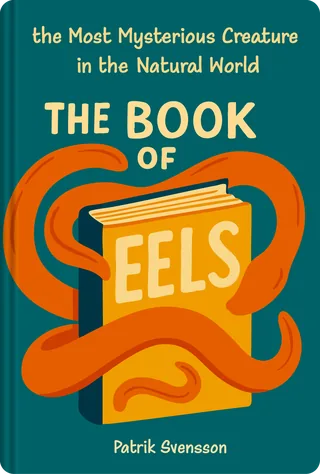
19The Book of Eels

The Book of Eels

Patrik Svensson

Journey into the elusive world of eels, where science, history, and personal memory illuminate nature’s mysteries and our search for meaning.

19 min

Listen to the intro

0:56

What is The Book of Eels about?

The Book of Eels (2019) explores the mysterious life of the European eel, a creature whose origins puzzled scientists for centuries. Patrik Svensson describes the eel’s long migration to the Sargasso Sea, the efforts of thinkers from Aristotle onward to understand it, and the threats it now faces. He weaves in memories of fishing for eels with his father, reflecting on nature, mystery, and family.

Who should read The Book of Eels?

  • Nature lovers curious about animals that still puzzle science
  • Readers who enjoy science history blended with personal memoir
  • Anyone reflecting on family bonds and childhood memories
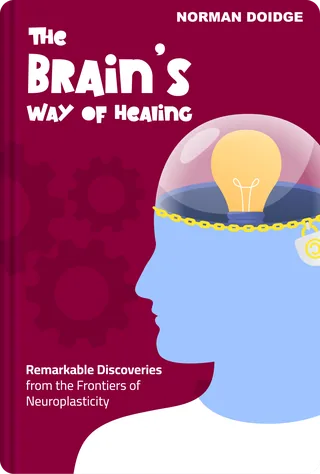
20The Brain’s Way of Healing

The Brain’s Way of Healing

Norman Doidge

Unlock the brain’s ability to reshape and heal itself through targeted practices that restore function and relieve suffering.

19 min

Listen to the intro

2:15

What is The Brain’s Way of Healing about?

The Brain’s Way of Healing (2015) explores how the brain’s capacity to change itself, known as neuroplasticity, can help people recover from conditions once thought permanent. Norman Doidge shares stories of patients living with chronic pain, stroke, Parkinson’s disease, brain injury, and learning disorders who improved through approaches using movement, light, sound, and other forms of energy. The book presents a hopeful view of how the mind and brain can heal.

Who should read The Brain’s Way of Healing?

  • People living with chronic pain or neurological conditions
  • Caregivers supporting loved ones after stroke or brain injury
  • Anyone curious about how the brain heals itself

Related topics

Questions about Biology & Natural Sciences

What is a good book to start with on biology and natural sciences?

A Short History of Nearly Everything is an excellent starting point because it tells the story of how the universe, Earth and life came to be in a clear and engaging way. For a closer look at ourselves, The Body offers an approachable tour of the human body and the discoveries that protect it.

What will I learn from biology and natural sciences books?

You will learn how living systems work, from the way trees share resources in The Hidden Life of Trees to how the brain keeps reshaping itself in Livewired. These books also explore memory, consciousness, disease and the effects of a warming planet on the natural world.

Who are these summaries for?

They suit curious readers, students and professionals who want a solid grasp of the life sciences without a technical background. They also help parents, teachers and anyone interested in health and nature who wants reliable ideas in a short time.

Get the key ideas from the world's best books in about 15 minutes

Free account · One free summary every day