Get started

Topic

The best 31 Historical Figures summaries

This topic gathers the lives of people who shaped their eras, from the Prophet Mohammad (PBUH) and King Faisal to Nasser, Sadat, Mandela, Lincoln and Genghis Khan, giving readers in the region a clearer view of the leaders and events behind the world they live in today. The books range from classical biographies and first-hand memoirs to sharp political portraits, accounts of war and exile, and stories of founders, investors and artists. Reading them, you can weigh how character, conviction and hard choices played out under pressure, and carry those lessons into your own leadership, judgement and understanding of history.

1Biography of Genghis Khan

Biography of Genghis Khan

Jack Weatherford

Rethink Genghis Khan as a transformative leader whose conquests reshaped trade, communication, governance, and the foundations of the modern world.

24 min

Listen to the intro

1:41

What is Biography of Genghis Khan about?

Biography of Genghis Khan (2004) reexamines the life of Genghis Khan and the empire he founded. Jack Weatherford traces how a young outcast named Temüjin united the Mongol tribes and built the largest land empire in history, and argues that the empire also connected distant regions through trade, communication, and the exchange of ideas. The book challenges the view of the Mongols as mere destroyers while acknowledging the devastation of their conquests.

Who should read Biography of Genghis Khan?

  • History lovers curious about the Mongol Empire's real legacy
  • Leaders studying how one outcast united rival tribes
  • Anyone interested in how trade and ideas shaped today's world
2In the Footsteps of the Prophet

In the Footsteps of the Prophet

Tariq Ramadan

Walk through the life of Prophet Muhammad (PBUH) and discover timeless lessons in compassion, humility, resilience, and moral character.

22 min

Listen to the intro

2:12

What is In the Footsteps of the Prophet about?

In the Footsteps of the Prophet (2007) is a biography of Prophet Muhammad (PBUH) that highlights the spiritual and ethical lessons of his life. Tariq Ramadan follows key events from the Prophet’s childhood in Makkah to the establishment of the Muslim community in Madinah, drawing out lessons on humility, compassion, patience, and justice. The book is written for both Muslim and non-Muslim readers seeking to understand the Prophet’s example.

Who should read In the Footsteps of the Prophet?

  • Muslims wanting to follow the Prophet's (PBUH) example more closely
  • Non-Muslims curious about the life of Prophet Muhammad (PBUH)
  • Anyone striving to build humility, patience and compassion
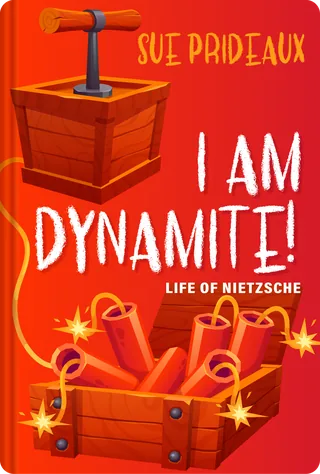
3I Am Dynamite!

I Am Dynamite!

Sue Prideaux

Meet the man behind Nietzsche’s provocative philosophy and see how personal struggle and history shaped one of the world’s most misunderstood thinkers.

20 min

Listen to the intro

1:07

What is I Am Dynamite! about?

I Am Dynamite! (2018) tells the life of Friedrich Nietzsche, from his childhood as a pastor’s son to his years as a brilliant young professor, his wandering life of illness and solitude, and his final mental collapse. Sue Prideaux shows how his relationships, rivalries, and struggles shaped ideas such as the will to power and the Übermensch, and how his sister later distorted his legacy.

Who should read I Am Dynamite!?

  • Philosophy students seeking the context behind Nietzsche's ideas
  • Biography readers drawn to brilliant, troubled historical figures
  • Anyone curious how personal struggles shape a thinker's ideas
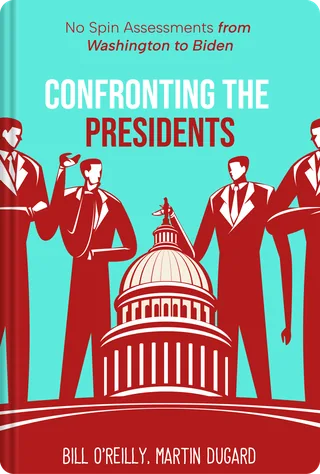
4Confronting the Presidents

Confronting the Presidents

Bill O'Reilly and Martin Dugard

Revisit every U.S. president from Washington to Biden through the achievements, failures, character, and decisions that shaped American history.

25 min

Listen to the intro

1:55

What is Confronting the Presidents about?

Confronting the Presidents (2024) offers short profiles of every American president from George Washington to Joe Biden. Bill O’Reilly and Martin Dugard assess each leader’s character, achievements, failures, and key decisions, and how they handled the major challenges of their time. The book gives readers a fast-paced overview of American history through its presidents.

Who should read Confronting the Presidents?

  • History lovers seeking a fast overview of America
  • Students of politics studying presidential leadership and decisions
  • Anyone curious how leaders handle national crises
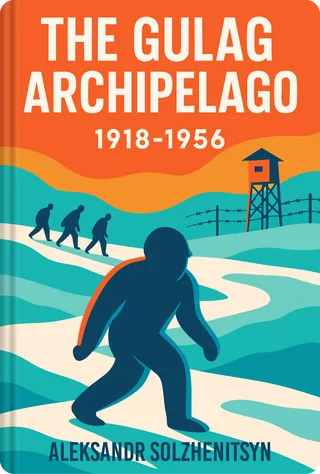
5The Gulag Archipelago 1918-1956

The Gulag Archipelago 1918-1956

Aleksandr Solzhenitsyn

Enter the brutal world of Stalin’s Soviet labour camps through survivor testimony, historical investigation, and a powerful defence of truth, conscience, and human resilience.

19 min

Listen to the intro

1:38

What is The Gulag Archipelago 1918-1956 about?

The Gulag Archipelago 1918-1956 (1973) is a powerful account of the Soviet system of forced labour camps. Drawing on his own years as a prisoner and the testimony of hundreds of others, Aleksandr Solzhenitsyn describes arrests, interrogations, and life in the camps, revealing the scale of suffering under Soviet rule. The book had a major impact on how the world understood the Soviet Union.

Who should read The Gulag Archipelago 1918-1956?

  • History readers curious about Soviet rule under Stalin
  • Anyone who values truth and conscience under pressure
  • Readers seeking stories of human endurance through suffering
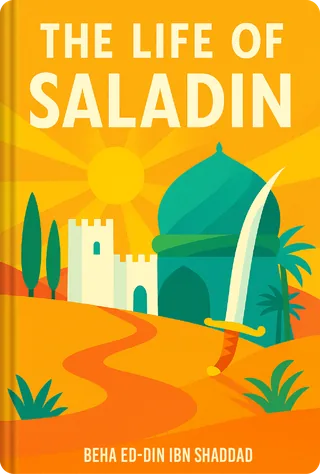
6The Life of Saladin

The Life of Saladin

Beha Ed-Din Ibn Shaddad

Trace Saladin’s rise as a unifying leader during the Crusades and uncover how his strategy, justice, and chivalry shaped one of history’s most enduring legacies.

16 min

Listen to the intro

1:13

What is The Life of Saladin about?

The Life of Saladin (1897) presents an intimate account of Salah al-Din al-Ayyubi’s character, leadership, military campaigns, religious devotion, and final years. Based largely on direct observation, the book describes his struggle against the Crusaders, the recovery of Jerusalem, and his encounters with the forces of the Third Crusade. It also reveals his generosity, discipline, sense of justice, and relationships with soldiers, scholars, and political allies. The original medieval biography was written by a close companion of Salah al-Din and published in this English translation in 1897.

Who should read The Life of Saladin?

  • History enthusiasts curious about the Crusades and Jerusalem
  • Leaders seeking lessons in justice, unity and discipline
  • Readers who want an eyewitness portrait of Saladin
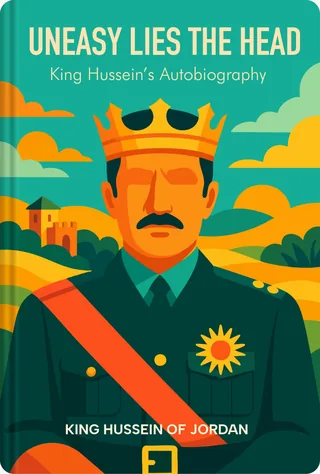
7Uneasy Lies the Head

Uneasy Lies the Head

King Hussein bin Talal

Step inside a leader’s life to witness the pressure, solitude, and personal sacrifices behind power, duty, and difficult decisions.

17 min

Listen to the intro

1:28

What is Uneasy Lies the Head about?

Uneasy Lies the Head (1962) is the autobiography of King Hussein of Jordan, written about a decade after he came to the throne as a teenager. It describes his upbringing and education, the assassination of his grandfather King Abdullah I in Jerusalem, and the political pressures and crises of his early reign. The book offers a personal view of the responsibilities of leadership in a turbulent region.

Who should read Uneasy Lies the Head?

  • Readers curious about Jordan's modern history and monarchy
  • Young leaders shouldering heavy responsibility early in life
  • Anyone seeking a personal view of leadership under pressure
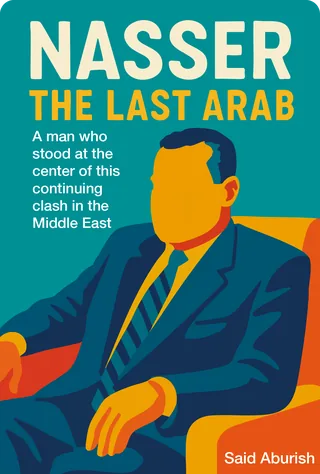
8Nasser: The Last Arab

Nasser: The Last Arab

Said Aburish

Trace Gamal Abdel Nasser’s rise, his vision of Arab unity, and his lasting influence on the Middle East through a balanced portrait of his achievements, authoritarianism, and political failures.

19 min

Listen to the intro

1:23

What is Nasser: The Last Arab about?

Nasser: The Last Arab (2004) is a biography of Gamal Abdel Nasser, the Egyptian leader who became the most influential figure in the Arab world in the 1950s and 1960s. Said Aburish traces Nasser’s rise through the 1952 revolution, the nationalisation of the Suez Canal, his vision of Arab unity, and the defeat of 1967. The book examines both his achievements and his failures and his lasting influence on the region.

Who should read Nasser: The Last Arab?

  • Readers curious about modern Arab political history
  • Students of Arab nationalism and the Nasser era
  • Anyone weighing the legacy of charismatic national leaders
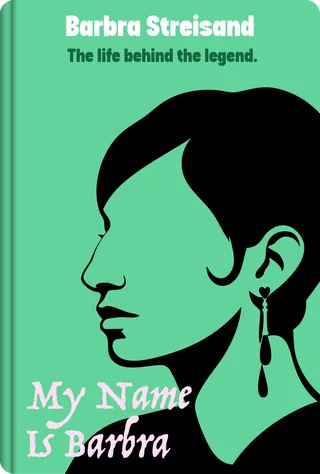
9My Name Is Barbra

My Name Is Barbra

Barbra Streisand

Step inside the journey of a determined artist who broke barriers, redefined fame, and claimed the spotlight on her own terms.

17 min

Listen to the intro

2:01

What is My Name Is Barbra about?

My Name Is Barbra (2023) is Barbra Streisand’s long-awaited memoir, covering her childhood in Brooklyn and more than six decades in music, theatre, and film. She describes her early performances, her breakthrough in Funny Girl, and her work as a director, including Yentl. The book reflects on perseverance, creative control, and the challenges she faced as a woman in the entertainment industry.

Who should read My Name Is Barbra?

  • Fans of Barbra Streisand's music, theater, and film
  • Creatives fighting to keep control of their work
  • Women building careers in the entertainment industry
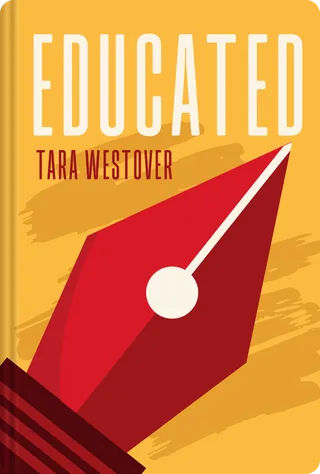
10Educated

Educated

Tara Westover

Follow Tara’s journey from isolation and control to education, independence, and the courage to claim her own story.

25 min

Listen to the intro

1:12

What is Educated about?

Educated (2018) is Tara Westover’s memoir of growing up in a strict, isolated family in the mountains of Idaho, where she never attended school and had little contact with doctors or the outside world. Teaching herself enough to enter university at seventeen, she went on to study at Cambridge and Harvard. The book explores the power of education, the cost of independence, and complicated family loyalty.

Who should read Educated?

  • Self-learners chasing education against difficult odds
  • Students who doubt they can reach top universities
  • Anyone balancing personal growth with family loyalty
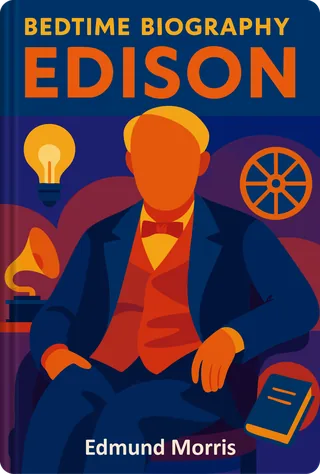
11Bedtime Biography: Edison

Bedtime Biography: Edison

Edmund Morris

Inspire young readers with Thomas Edison’s curiosity, perseverance, and groundbreaking inventions that helped transform the world.

13 min

Listen to the intro

0:54

What is Bedtime Biography: Edison about?

Bedtime Biography: Edison (2019) tells the life story of Thomas Edison, based on Edmund Morris’s full-length biography. It follows Edison from his curious and restless childhood to his famous laboratory at Menlo Park, where he developed the phonograph, a practical electric light, and early motion pictures. The story highlights the persistence, experimentation, and hard work behind his inventions.

Who should read Bedtime Biography: Edison?

  • Parents looking for inspiring bedtime stories for curious kids
  • Young readers fascinated by inventions and how things work
  • Teachers who want to model perseverance and hard work
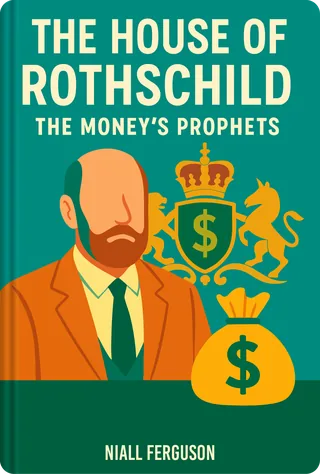
12The House of Rothschild

The House of Rothschild

Niall Ferguson

Trace the Rothschild dynasty’s rise from 18th-century Frankfurt to global influence, revealing how the family shaped finance, empires, and international politics.

16 min

Listen to the intro

1:08

What is The House of Rothschild about?

The House of Rothschild (1998) is a detailed history of the Rothschild family, which rose from the Jewish quarter of Frankfurt to become the most powerful banking dynasty of the nineteenth century. Niall Ferguson explains how Mayer Amschel Rothschild and his five sons built banking houses across Europe and financed governments, wars, and railways. Based on the family’s private archives, the book separates historical fact from the myths that grew around the family.

Who should read The House of Rothschild?

  • History readers curious about nineteenth-century European finance
  • Investors wanting to understand how banking shaped world politics
  • Anyone who wants facts behind the Rothschild myths
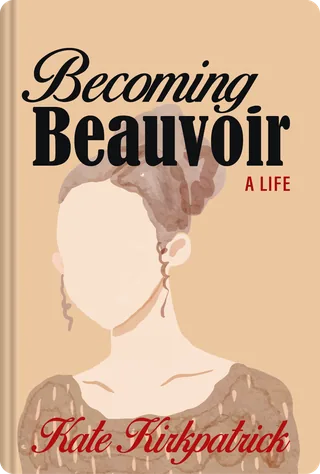
13Becoming Beauvoir

Becoming Beauvoir

Kate Kirkpatrick

Trace Simone de Beauvoir’s evolution as a philosopher and feminist, and see how her life shaped her groundbreaking ideas on freedom, identity, and women’s liberation.

19 min

Listen to the intro

1:09

What is Becoming Beauvoir about?

Becoming Beauvoir (2019) is a biography of Simone de Beauvoir that challenges the common view of her as a follower of Jean-Paul Sartre. Drawing on newly available diaries and letters, Kate Kirkpatrick shows Beauvoir as an original philosopher who shaped existentialism and feminism in her own right. The book traces her life, relationships, and ideas, and explores how she became one of the most influential thinkers of the twentieth century.

Who should read Becoming Beauvoir?

  • Students of philosophy curious about existentialism's real origins
  • Readers interested in women's overlooked role in intellectual history
  • Anyone who enjoys biographies of influential twentieth-century thinkers
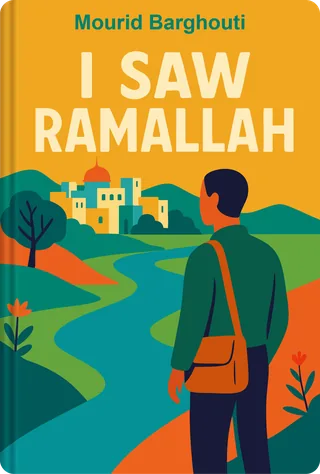
14I Saw Ramallah

I Saw Ramallah

Mourid Barghouti

Return to Ramallah after 30 years of exile through a moving reflection on memory, displacement, identity, belonging, and the meaning of home.

13 min

Listen to the intro

1:25

What is I Saw Ramallah about?

I Saw Ramallah (1997) recounts Mourid Barghouti’s return to Ramallah in 1996 after thirty years of exile that began with the 1967 war. Crossing the bridge from Jordan, he reflects on memory, displacement, family, and the changes in the places he once knew. Written in lyrical prose, the book won the Naguib Mahfouz Medal for Literature and is considered a classic of Palestinian writing.

Who should read I Saw Ramallah?

  • Anyone who has lived far from their homeland
  • Readers drawn to lyrical memoirs about memory and identity
  • Those wanting to understand the Palestinian experience of exile
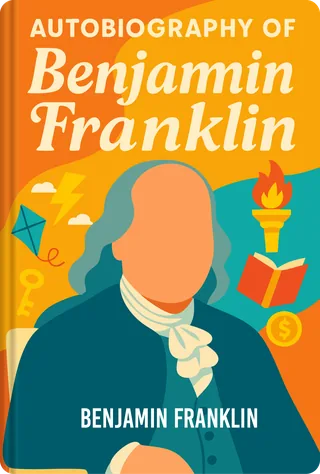
15Autobiography of Benjamin Franklin

Autobiography of Benjamin Franklin

Benjamin Franklin

Follow Benjamin Franklin’s rise from humble beginnings to lasting influence, and learn how curiosity, discipline, self-education, and continuous improvement shaped his extraordinary life.

19 min

Listen to the intro

1:49

What is Autobiography of Benjamin Franklin about?

Autobiography of Benjamin Franklin (1791) recounts Benjamin Franklin’s rise from a modest childhood to prominence as a printer, writer, inventor, civic leader, and statesman. Franklin describes his pursuit of knowledge, disciplined working habits, business ventures, public projects, and famous plan for developing thirteen personal virtues. Written in a direct and practical style, the unfinished autobiography presents self-improvement, industry, frugality, and service to society as foundations for a successful and meaningful life. It was first published posthumously in French in 1791, followed by an English edition in 1793.

Who should read Autobiography of Benjamin Franklin?

  • Self-learners building knowledge without formal schooling
  • Anyone seeking practical habits for discipline and character
  • Young entrepreneurs starting out from modest beginnings
16The Demon of Unrest

The Demon of Unrest

Erik Larson

Enter the tense months before the American Civil War, when fear, pride, ideology, and political miscalculation pushed a divided nation toward conflict.

19 min

Listen to the intro

1:18

What is The Demon of Unrest about?

The Demon of Unrest (2024) tells the story of the five tense months between Abraham Lincoln’s election in 1860 and the attack on Fort Sumter that began the American Civil War. Erik Larson follows the leaders, soldiers, and ordinary people caught up in the crisis, showing how pride, misunderstanding, and deep division over slavery pushed the country into war. The book reads like a gripping historical drama.

Who should read The Demon of Unrest?

  • History lovers curious about the road to civil war
  • Readers who enjoy true stories told like dramas
  • Anyone studying how political miscalculation leads to conflict
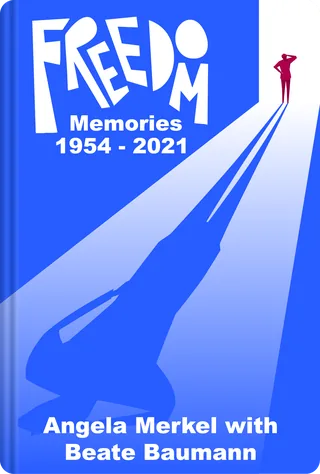
17Freedom

Freedom

Angela Merkel with Beate Baumann

Follow Angela Merkel’s journey from East Germany to 16 years as chancellor, revealing the values, crises, and quiet resolve that shaped her leadership.

19 min

Listen to the intro

1:59

What is Freedom about?

Freedom (2024) is the memoir of Angela Merkel, who led Germany as chancellor for sixteen years. Written with her longtime adviser Beate Baumann, it describes her childhood and early career as a scientist in East Germany, her path into politics after the fall of the Berlin Wall, and the major crises she faced as a leader, from financial turmoil to migration and the pandemic.

Who should read Freedom?

  • Leaders who must steer teams through major crises
  • History lovers curious about Germany after the Berlin Wall
  • Anyone drawn to memoirs of calm, principled leadership
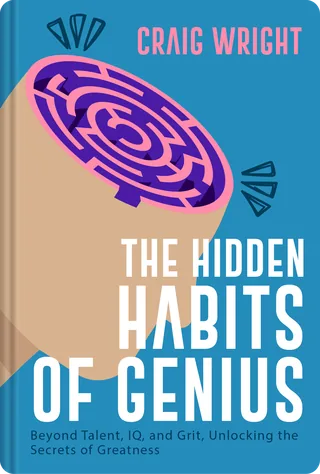
18The Hidden Habits of Genius

The Hidden Habits of Genius

Craig Wright

Unlock your potential through the surprising daily habits that shaped history’s greatest minds.

19 min

Listen to the intro

1:45

What is The Hidden Habits of Genius about?

The Hidden Habits of Genius (2020) explores what the world’s greatest minds have in common. Craig Wright examines figures such as Leonardo da Vinci, Marie Curie, Mozart, Shakespeare, and Steve Jobs, and identifies habits that helped them change the world, including curiosity, persistence, imagination, and the ability to connect ideas from different fields. The book shows that genius involves more than natural talent.

Who should read The Hidden Habits of Genius?

  • Students curious about what made history's greatest minds
  • Professionals who want to think more creatively at work
  • Anyone who believes talent alone decides success
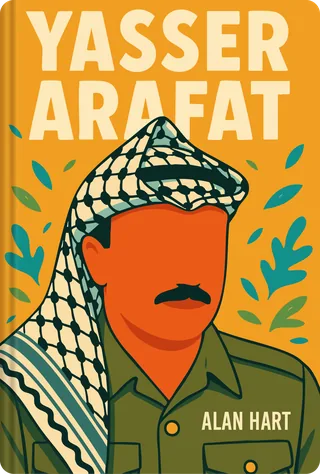
19Yasser Arafat: A Political Biography

Yasser Arafat: A Political Biography

Alan Hart

Examine Yasser Arafat’s leadership of the Palestinian national movement, and how his strategies and pivotal decisions shaped both his legacy and the modern Middle East.

19 min

Listen to the intro

1:20

What is Yasser Arafat: A Political Biography about?

Yasser Arafat: A Political Biography (1989) traces the life and political development of Yasser Arafat from his early years and the founding of Fatah to his leadership of the Palestine Liberation Organization. Drawing on interviews, personal access, and historical events, Alan Hart examines Arafat’s efforts to unite competing Palestinian factions, survive regional conflicts, and gain international recognition for the Palestinian cause. The book presents his gradual evolution from the leader of an armed national liberation movement into a political figure increasingly willing to pursue diplomacy and negotiations.

Who should read Yasser Arafat: A Political Biography?

  • Readers curious about the history of the Palestinian cause
  • Students of Middle Eastern politics and modern history
  • Anyone curious how leaders shift from armed struggle to diplomacy
20Leadership

Leadership

Henry Kissinger

Learn how six influential leaders navigated power, crisis, and uncertainty—and the lessons their decisions offer for leadership today.

19 min

Listen to the intro

1:04

What is Leadership about?

Leadership (2022) studies six world leaders who shaped the second half of the twentieth century: Konrad Adenauer, Charles de Gaulle, Richard Nixon, Anwar Sadat, Lee Kuan Yew, and Margaret Thatcher. Henry Kissinger, who knew each of them, examines how they combined vision and courage to guide their nations through crisis and change. The book draws lessons about statesmanship for leaders today.

Who should read Leadership?

  • Leaders facing high-stakes decisions in uncertain times
  • Students of politics, diplomacy and modern world history
  • Anyone curious how great statesmen handled national crises

Related topics

Questions about Historical Figures

What is a good book to start with on historical figures?

Muhammad (PBUH) is a natural first choice, offering a moving account of the Prophet's life grounded in classical Islamic sources. For modern regional history, King Faisal of Saudi Arabia shows how faith and leadership guided a nation through rapid change.

What will I learn from historical figures books?

You will see how leaders handled crises, built nations, made peace or went to war, and what their decisions cost them and their people. Titles such as Long Walk to Freedom and Nasser: The Last Arab show both the strengths and the failures of powerful figures, helping you judge history with balance.

Who are these summaries for?

They suit students, professionals and curious readers who want to understand the people behind major events without reading full volumes. Parents can also share lighter titles like Bedtime Biography: Edison with younger readers.

Get the key ideas from the world's best books in about 15 minutes

Free account · One free summary every day