
It is Sunday night and you are rewriting the same to-do list for the third week running. The important things are still at the bottom. The things at the top are the ones that shouted loudest.
Most of us do not have a time problem so much as a choosing problem. The day fills itself with messages, small requests and meetings that could have been a sentence, and the work that would actually change your life waits for a quiet day that never comes.
You see it everywhere. The student who plans to revise all weekend and spends it answering the family group. The employee who arrives early to think and is pulled into someone else's emergency by eight o'clock. The founder who works until midnight and still feels behind.
The good news is that time management is not a personality trait. It is a handful of decisions you can learn to make on purpose. These five summaries, each about fifteen minutes, take you from the big question of what matters to the daily tactics that protect it. At the end there is a one-week time audit you can run with nothing more than your phone's notes app.
Urgent is loud. Important is quiet.
Stephen Covey's best-known idea is simple: some tasks are urgent, some are important, and the two are not the same thing. A ringing phone is urgent. Your health, your skills and the people you love are important, and they almost never ring.
When we let urgency decide, the important things get whatever is left over, which is usually nothing. The fix is not to work faster. It is to decide what matters first and give it a fixed place in the week before the noise arrives. Covey's image is a compass rather than a clock: direction before speed.
Big rocks first
There is a famous illustration in First Things First. Fill a jar with sand and pebbles first, and the big rocks will not fit. Put the big rocks in first, and the pebbles and sand settle into the gaps around them.
Your big rocks might be an hour of study, a weekly visit to your parents, a workout, or the project that will move your career forward. Write them into the calendar first, as real appointments. The emails and small errands will still find room. They always do.
Our week has its own rhythm. Use it.
Many of us work Sunday to Thursday, drive long distances, and keep close family ties that fill the weekend in the best way. A plan copied from a different culture often ignores all of that, which is why it collapses by Tuesday.
Build around the anchors you already have. The prayer times divide the day into natural blocks, and many people find the hour after Fajr is the quietest and clearest of the whole day. The commute can be learning time with an audio summary. Friday can be protected for family and rest, so the week ahead starts with energy instead of guilt.
Busy is not the same as productive
Feeling rushed all the time has a cost. Research described in Time Smart suggests that feeling short of time can harm happiness and health even more than feeling short of money. Being constantly busy is not a badge of honour. It is a warning light.
The answer is rarely to squeeze in more. It is to do fewer things, at a pace you can sustain, and to do them well. That is the heart of Slow Productivity, and it is a relief to hear it said plainly.
Start with a free summary today
Read today's free summaryA free summary every day, in Arabic or English, audio or text.Five summaries, in the order we would read them
Start with the first: it changes how you look at every other tip. Then take the rest in order, or jump to the one that matches this week's problem.
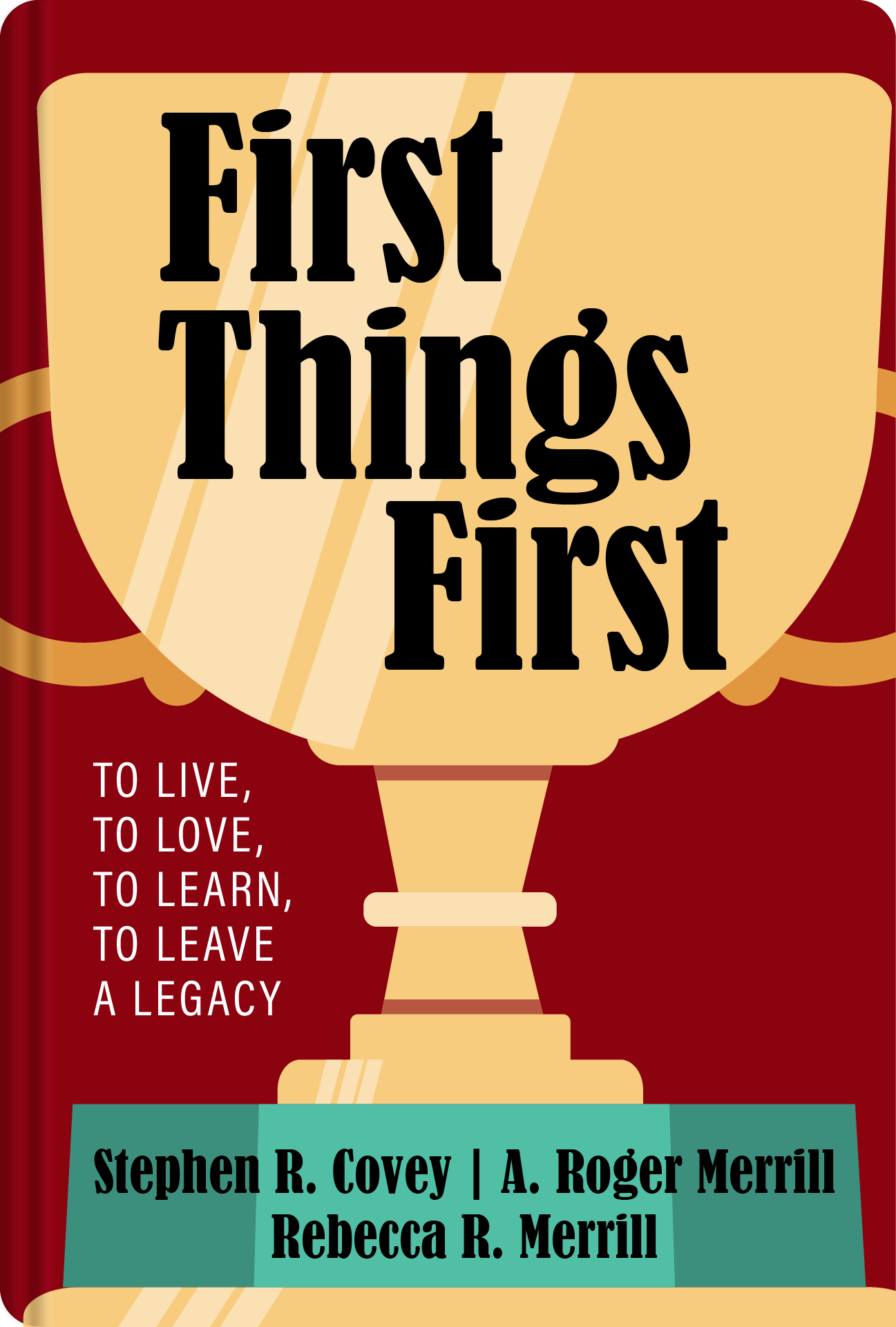 First Things FirstStephen R. Covey, A. Roger Merrill and Rebecca R. MerrillYou learn the time management matrix that separates urgent tasks from important ones, and how to plan each week around your roles, values and goals.Listen to the summary →
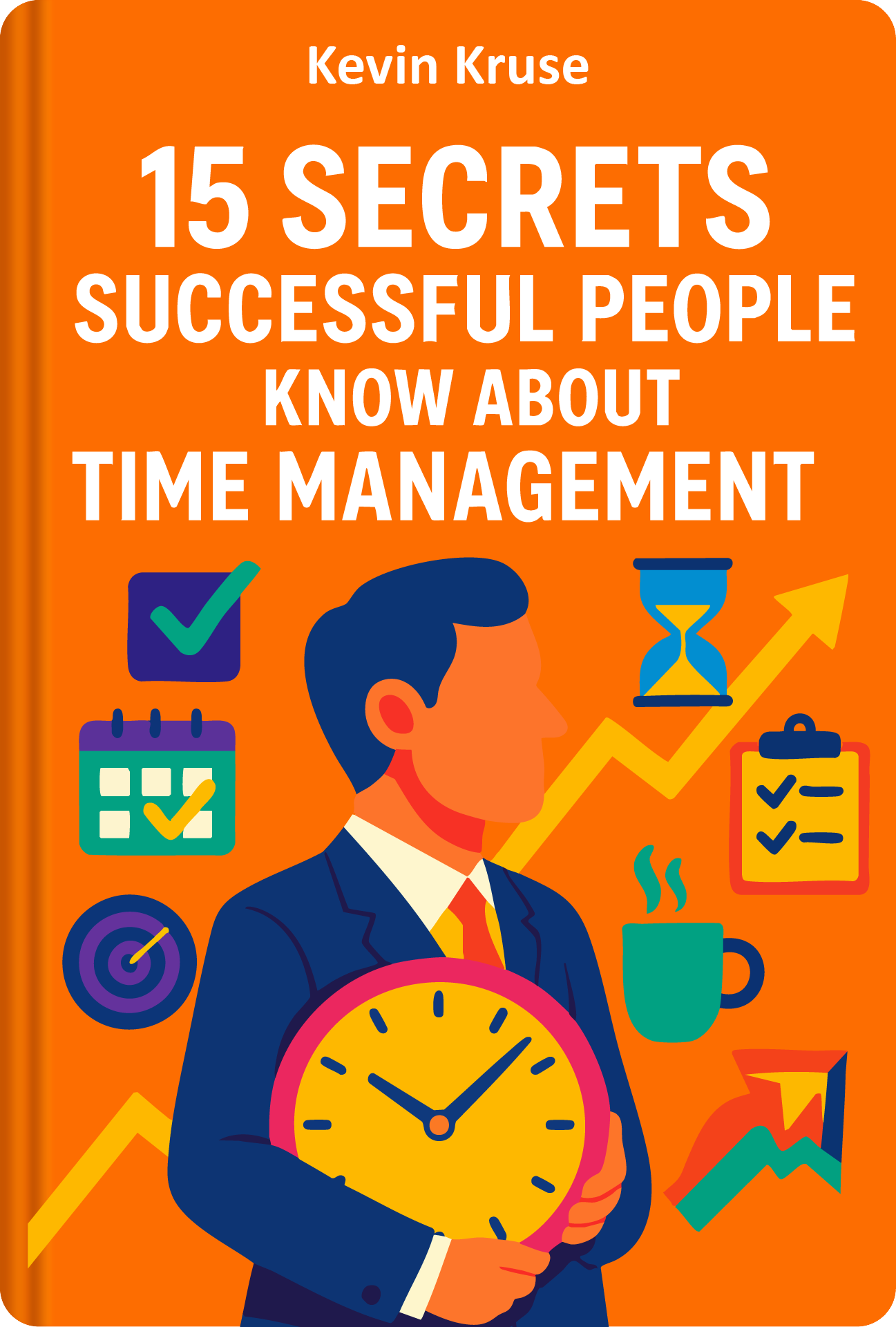 15 Secrets Successful People Know About Time ManagementKevin KruseYou pick up practical habits from high achievers, such as focusing on your most important task each day, working from a calendar instead of a to-do list, and handling email and meetings wisely.Listen to the summary →
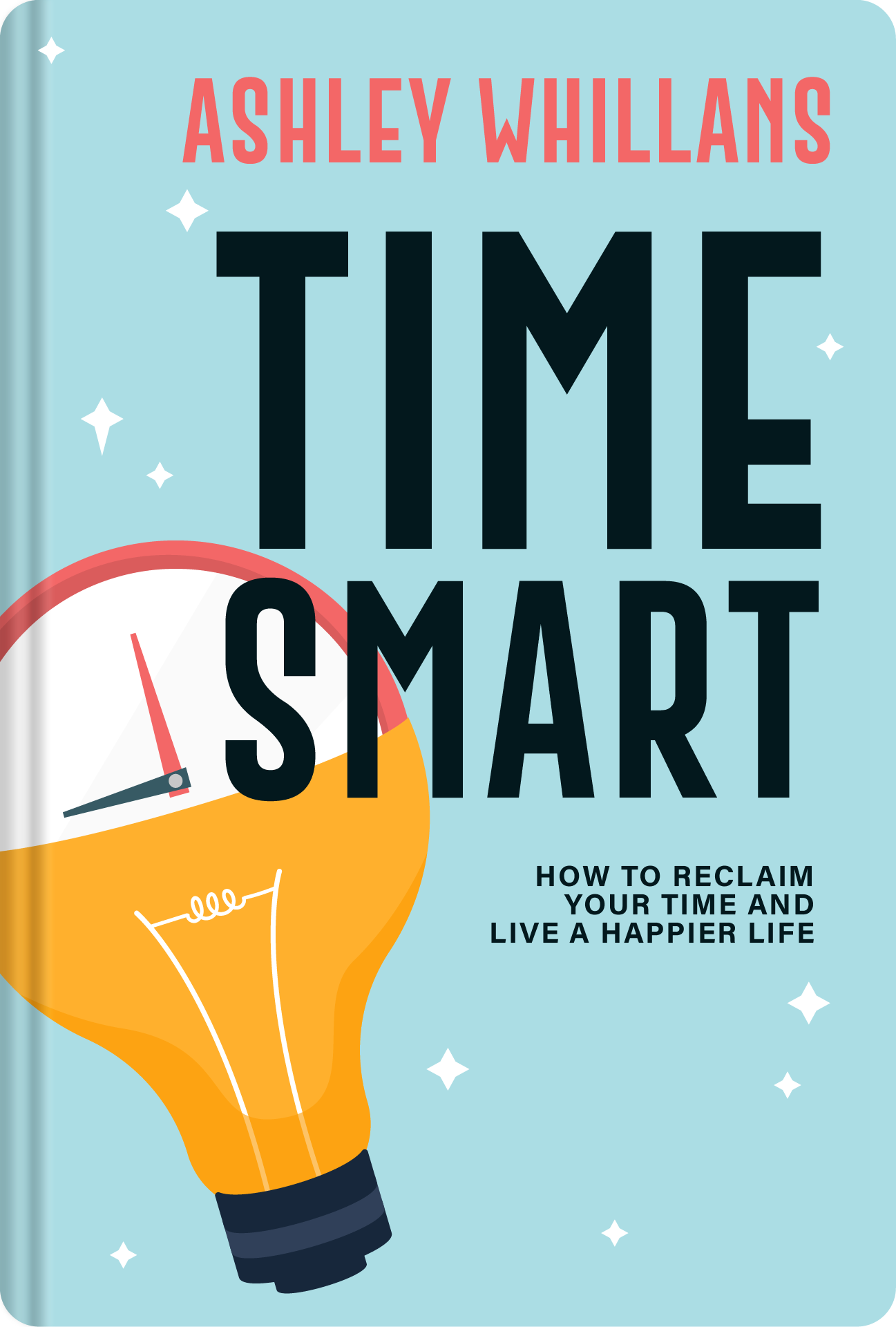 Time SmartAshley WhillansYou see why feeling poor in time hurts happiness, spot the hidden time traps in your day, and learn simple ways to value time over money in everyday choices.Listen to the summary →
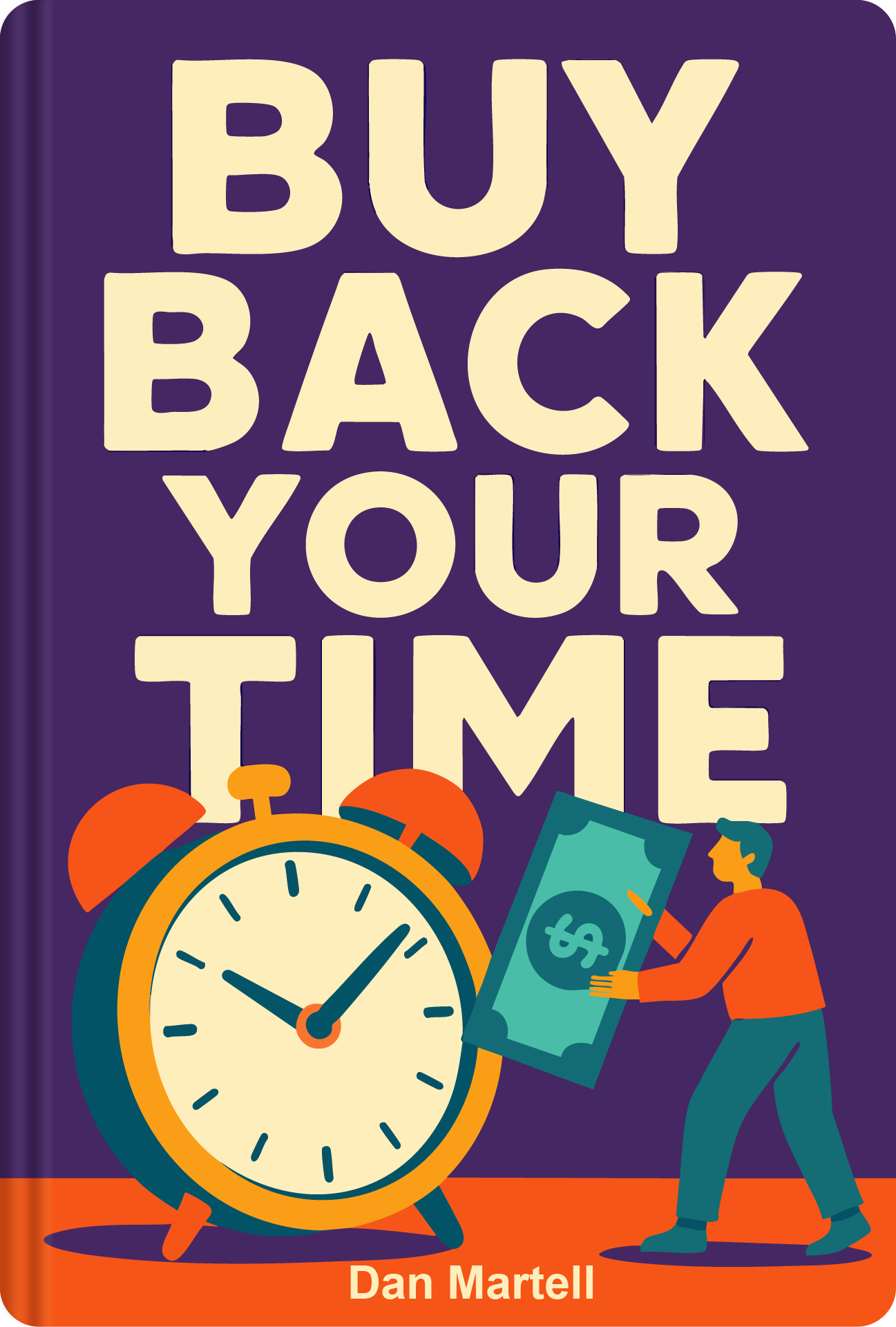 Buy Back Your TimeDan MartellYou use a time and energy audit to find the tasks that drain you, then delegate or automate them so your hours go to the work that creates the most value.Listen to the summary →
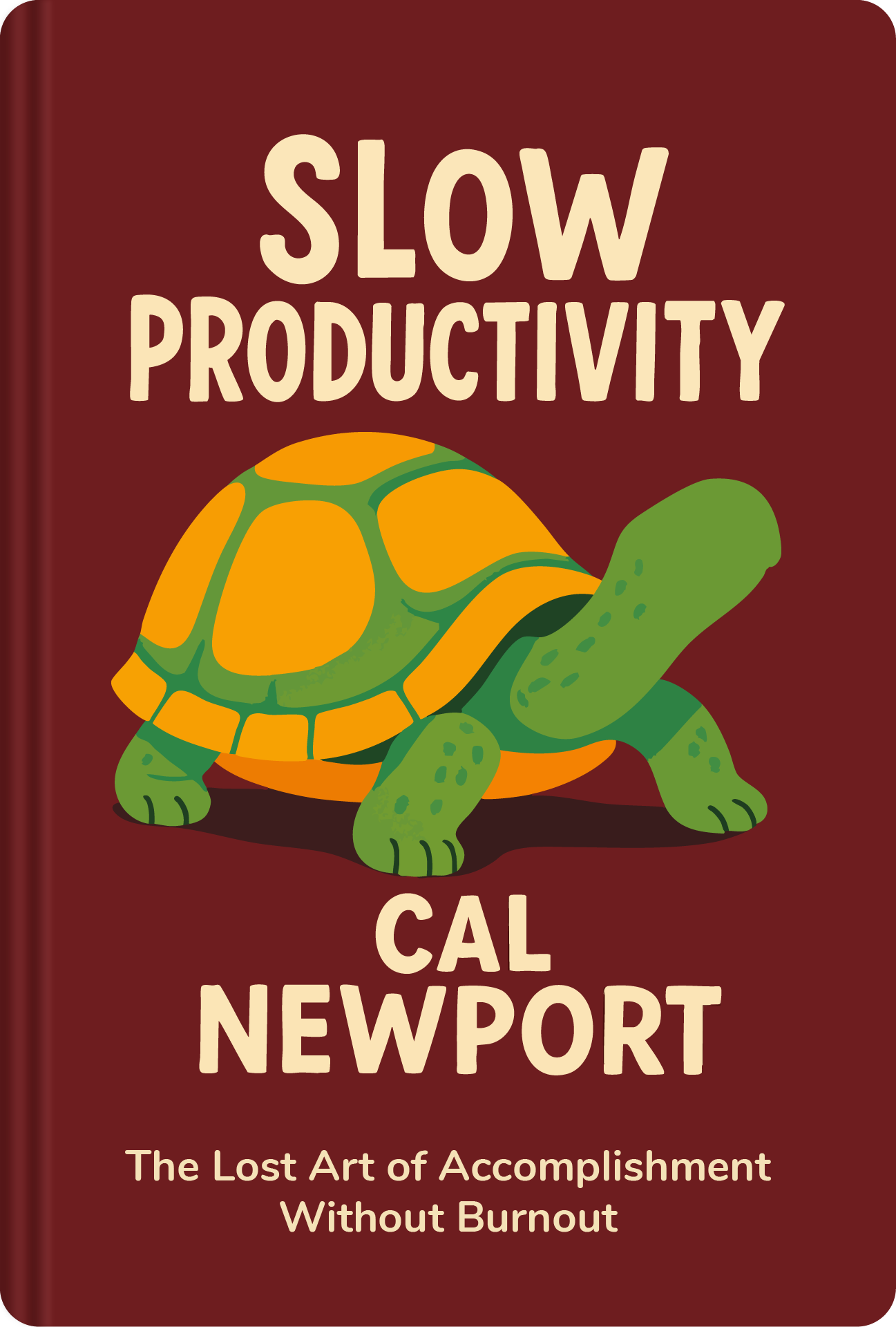 Slow ProductivityCal NewportYou discover three principles for meaningful work: do fewer things, work at a natural pace and obsess over quality, with examples from writers, scientists and artists.Listen to the summary →
A one-week time audit
You do not need an app or a planner for this. Just your notes app and honesty. The goal is to see where your hours really go before you change anything.
- Day 1: Every two hours, write one line: what you actually did. No judging, just recording.
- Day 2: Keep recording, and mark each line U for urgent, I for important, or both.
- Day 3: Choose your three big rocks for the coming week and put them in your calendar as fixed appointments.
- Day 4: List the tasks that drained you most. For each one, ask: can someone else do it, can I automate it, or can I drop it?
- Day 5: Protect one ninety-minute block for your most important task, phone in another room.
- Day 6: Spend your commute or waiting time on one fifteen-minute summary instead of scrolling.
- Day 7: Look back at the week. Which big rock moved forward? Plan next week with the rocks first.
After one week you will know more about your time than most people learn in a year, and you will have a plan that fits your real life.
You will never find time for what matters. You have to put it in first.
Try Durar free for 14 days
Start your 14-day trialNearly 1,000 summaries in Arabic and English on the yearly plan. Cancel anytime.Questions people ask
What is the best way to manage my time?
Start by separating what is urgent from what is important, then schedule the important things first, before the week fills up. The First Things First summary explains this matrix in about fifteen minutes.
Is a to-do list or a calendar better?
Many successful people work from a calendar, because a task with a time slot actually gets done, while a long list keeps growing. The 15 Secrets summary explains this habit and others like it.
How can I be productive without burning out?
Do fewer things, at a pace you can keep, and give each one your full attention. Slow Productivity makes the case clearly, and Time Smart shows why feeling rushed harms wellbeing.