
Most of us own a book we were certain we would read. It sits on the bedside table in Riyadh or Amman with the bookmark stuck at page 30. Buying a book is a wish. Finishing one is a decision, and decisions say far more about a person.
So this year we looked at the other number. We did not count what people saved, browsed or meant to get to. We counted which summaries Durar readers actually finished, from the first line to the last.
The numbers are small, and we want to say that first. Durar officially launched in early 2026. Between 1 January and 2 November 2026, Durar readers finished 641 summaries, and they were 230 different people. The summary at the top was finished by 25 people. This is not a national survey. It is a young app looking honestly at its first year.
Small numbers can still point somewhere. When the same few themes keep rising to the top of a library of 1,000 summaries, it is worth asking why. Here are the ten, in order, and what we think they reveal.
What people actually read versus what they buy
Buying costs very little. A title catches your eye at the airport bookshop, you feel a small lift of ambition at the till, and the book goes into your bag. Whether it ever leaves the bag is another matter.
Finishing costs something real: attention. Even a 15-minute summary has to win against the phone, the group chat and the nap after lunch. When someone chooses to stay with it on the drive to work or with coffee in the afternoon, that choice tells you what they need right now.
Here is how we counted. A person counts once for a summary if they finished it at least once, in Arabic or in English. Listening to it twice does not count twice. With 1,000 summaries to choose from, the fact that these ten rose to the top was the readers' choice, not ours.
Number one: The Art of Explanation summary
The most finished summary of 2026 was The Art of Explanation by Ros Atkins, completed by 25 people. The book, published in 2023, shares the method Atkins developed as a journalist: identify your audience, gather and organise the key facts, cut what is not needed, and deliver a message that is precise and engaging.
It is easy to see why it lands. Think of the Sunday morning meeting when a manager listens to five minutes of background and then asks, quietly, "So what is the point?" Or the long email to a client, or the voice note to the family group that nobody finishes. We explain things all day, and very few of us were ever taught how.
You can use the core of it today without any app. Before your next important message, ask three questions: who exactly is this for, which few facts do they truly need, and what can I cut. Most messages get shorter and clearer at the third question.
Numbers two to four: courage, the Emotional Intelligence summary and a countdown
In joint second place, each finished by 19 people, came two very different summaries. The Discomfort Zone by Farrah Storr (2018) argues that personal growth comes from deliberately stepping into uncomfortable situations rather than avoiding them, and that small, intentional challenges build confidence, resilience and new skills.
Beside it sits Emotional Intelligence by Daniel Goleman (1995), which argues that understanding and managing emotions can matter as much as traditional intelligence, or more, for success in life. Goleman names five elements: self-awareness, self-regulation, motivation, empathy and social skills, and shows they can be developed at any age. It speaks to managers and HR teams, and just as much to parents and older siblings.
At number four, finished by 18 people, is The 5 Second Rule by Mel Robbins (2017). The tool is simple: when you feel an urge to act on a goal, count backwards 5-4-3-2-1 and move before your mind talks you out of it. Taken together with The Discomfort Zone, the message is plain. Many readers are not short of plans. They are short of the push to begin.
Numbers five to seven: attention, money and speaking like a leader
Three summaries tied on 14 people each. Stolen Focus by Johann Hari (2022) investigates why so many people find it harder than ever to pay attention, pointing to constant technology, poor sleep, stress, diet and work cultures built on distraction. Hari argues the problem is social as well as personal, which comes as a relief to anyone who has blamed only themselves.
The Algebra of Wealth by Scott Galloway (2024) offers a simple formula for financial security: focus plus stoicism, multiplied by time and diversification. It covers finding a career that pays well, building disciplined habits and using compound growth, and it is aimed especially at young people starting out. For someone holding their first salary, that is exactly the conversation they wish they had had at university.
Speak Like a CEO by Suzanne Bates (2005) teaches how to build a clear message, tell compelling stories, handle tough questions and speak authentically. It is the second summary about communication in the top seven, and that repetition is the clearest signal in the whole list.
Numbers eight to ten: rare events, limited time and other people
The Black Swan by Nassim Nicholas Taleb (2007), finished by 13 people, explores the huge impact of rare, unpredictable events such as financial crashes, wars and major inventions. Taleb argues that we trust forecasts too much and explain surprises only after they happen, so the wiser path is to build resilience rather than rely on predictions.
Four Thousand Weeks by Oliver Burkeman (2021), finished by 12 people, starts from a striking fact: the average human life lasts only about four thousand weeks. Burkeman argues that most productivity advice makes us busier rather than happier, and he encourages readers to accept their limits and choose deliberately what matters.
How to Know a Person by David Brooks (2023), also finished by 12 people, closes the list. It is about asking better questions, listening with care, staying with others in hard times and making people feel seen. Anyone who has sat in a majlis and watched a good listener at work knows how rare and valuable that skill is.
What the most popular book summaries of 2026 say about readers in the Gulf and the Levant
Group the ten and five themes appear. Speaking clearly: The Art of Explanation and Speak Like a CEO. Acting despite fear: The Discomfort Zone and The 5 Second Rule. Attention and time: Stolen Focus and Four Thousand Weeks. Money and risk: The Algebra of Wealth and The Black Swan. Reading people: Emotional Intelligence and How to Know a Person.
Our reading, offered modestly, is this. These are people whose days run on presentations, interviews and meetings, who feel their attention being pulled apart, who are planning money for a family and a future, and who care deeply about relationships at home and at work. Every title on the list is practical. Not one of the few classic novels in the library made the top ten.
With 230 readers, we cannot claim to speak for a region. We can say that the people who chose to finish something this year mostly chose skills they could use the next morning.
How to use the list: start with number one, or with the topic you avoid
There are two sensible ways in. The first is to start at number one. Explaining clearly sits underneath almost everything else on the list: leading a team, asking for a raise, even listening well.
The second is to pick the topic you avoid. If you never open your banking app, start with The Algebra of Wealth. If traffic on the way home leaves you snapping at your family, start with Emotional Intelligence. If you stay silent in meetings when you have something to say, start with The Discomfort Zone.
A word on what Durar is and is not. Each summary gives the key ideas of a book in about 15 minutes, as audio or text, with the text highlighted in time with the voice; the audio is AI-narrated with ElevenLabs voices. A summary is not the book. If one grips you, buy the original and finish it, and you will read it faster for knowing where it is going.
Start with number one
Open the summaryThe Art of Explanation, in about 15 minutes, as audio or text, in Arabic or English.Summaries mentioned in this article
All ten are on Durar in Arabic and English, and you can switch language from the summary page. Here they are in the order readers finished them most.
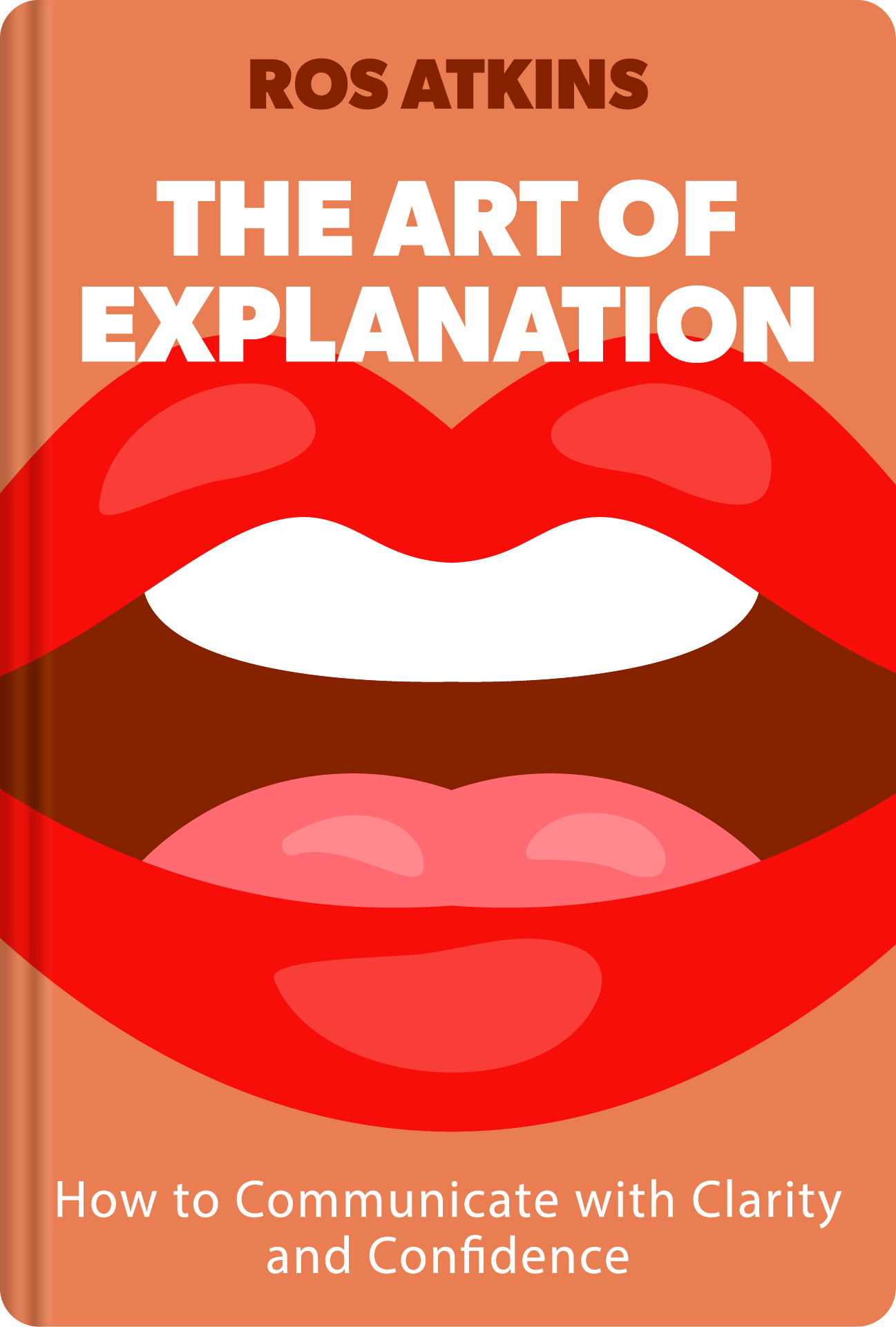 The Art of ExplanationRos AtkinsA journalist's method for explaining complex information: know your audience, organise the key facts, cut the rest and deliver a precise, engaging message.Listen to the summary →
 The Discomfort ZoneFarrah StorrHow small, deliberate steps into uncomfortable situations build confidence, resilience and new skills, rather than waiting for the fear to pass.Listen to the summary →
 Emotional IntelligenceDaniel GolemanThe five elements of emotional intelligence and why understanding and managing emotions can matter as much as traditional intelligence at work and at home.Listen to the summary →
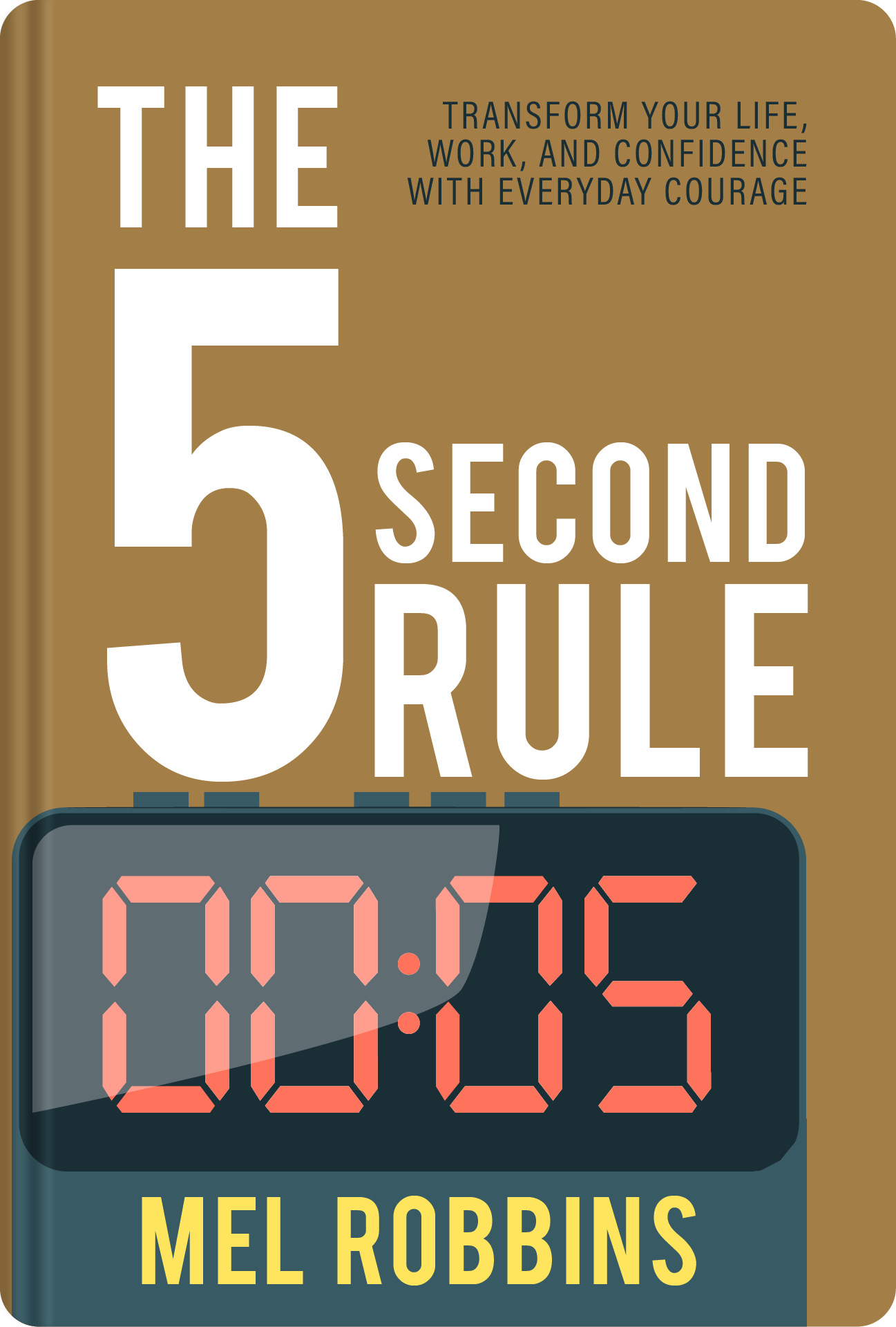 The 5 Second RuleMel RobbinsA simple 5-4-3-2-1 countdown that helps you act on a goal before hesitation and self-doubt talk you out of it.Listen to the summary →
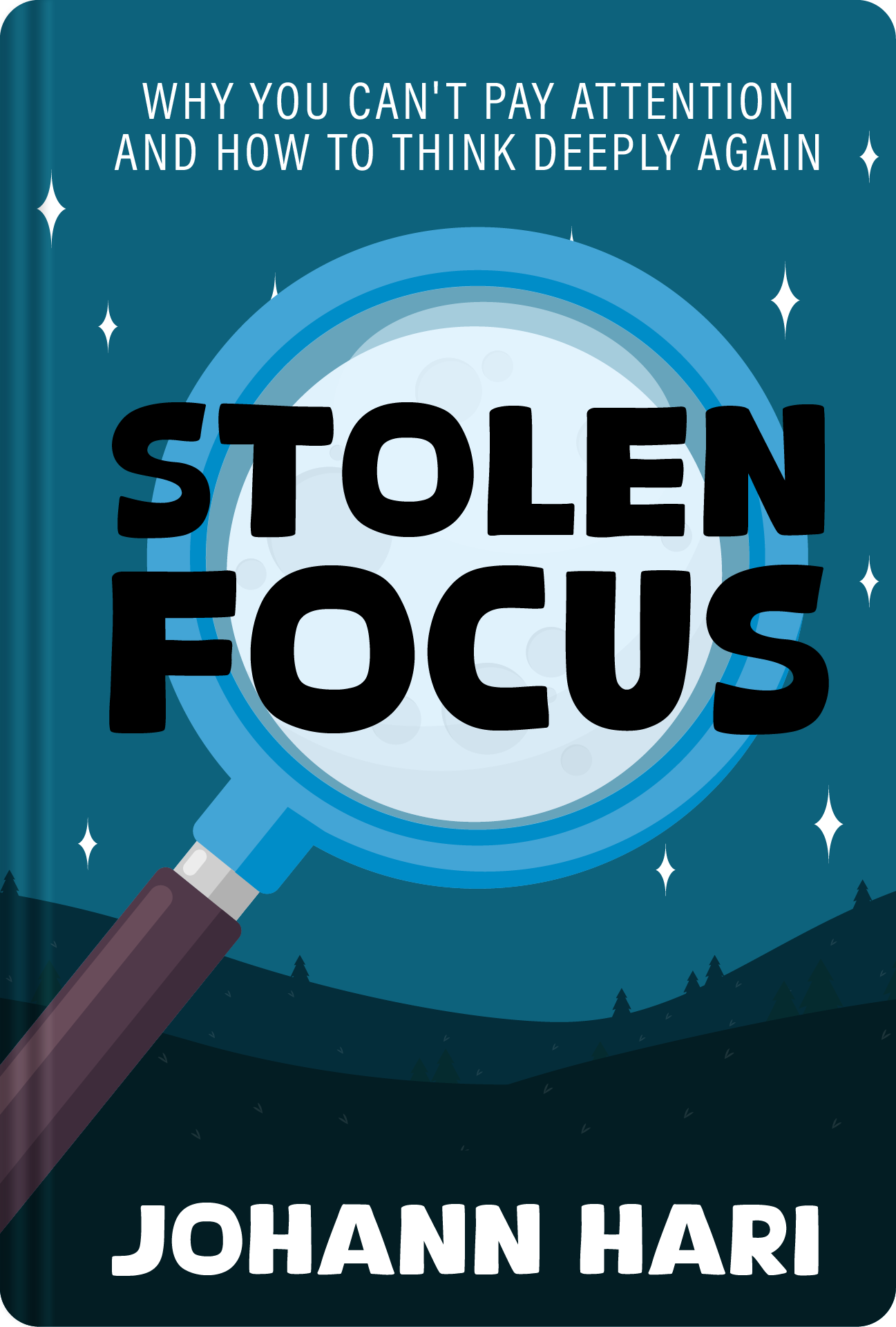 Stolen FocusJohann HariWhy paying attention feels harder than ever, from constant technology and poor sleep to distracting work cultures, and the steps to reclaim your focus.Listen to the summary →
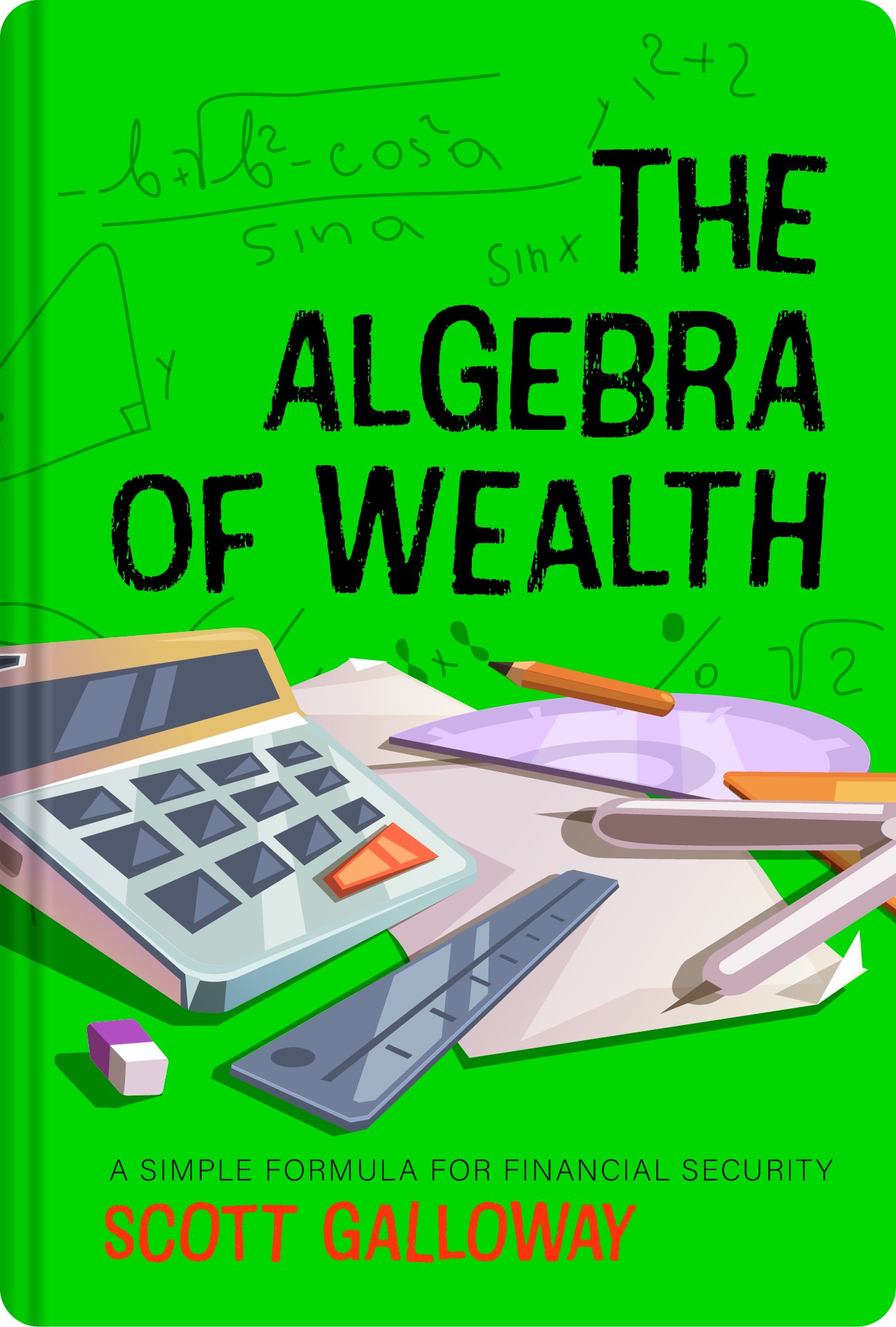 The Algebra of WealthScott GallowayA plain formula for financial security, focus plus stoicism multiplied by time and diversification, written for young people starting out.Listen to the summary →
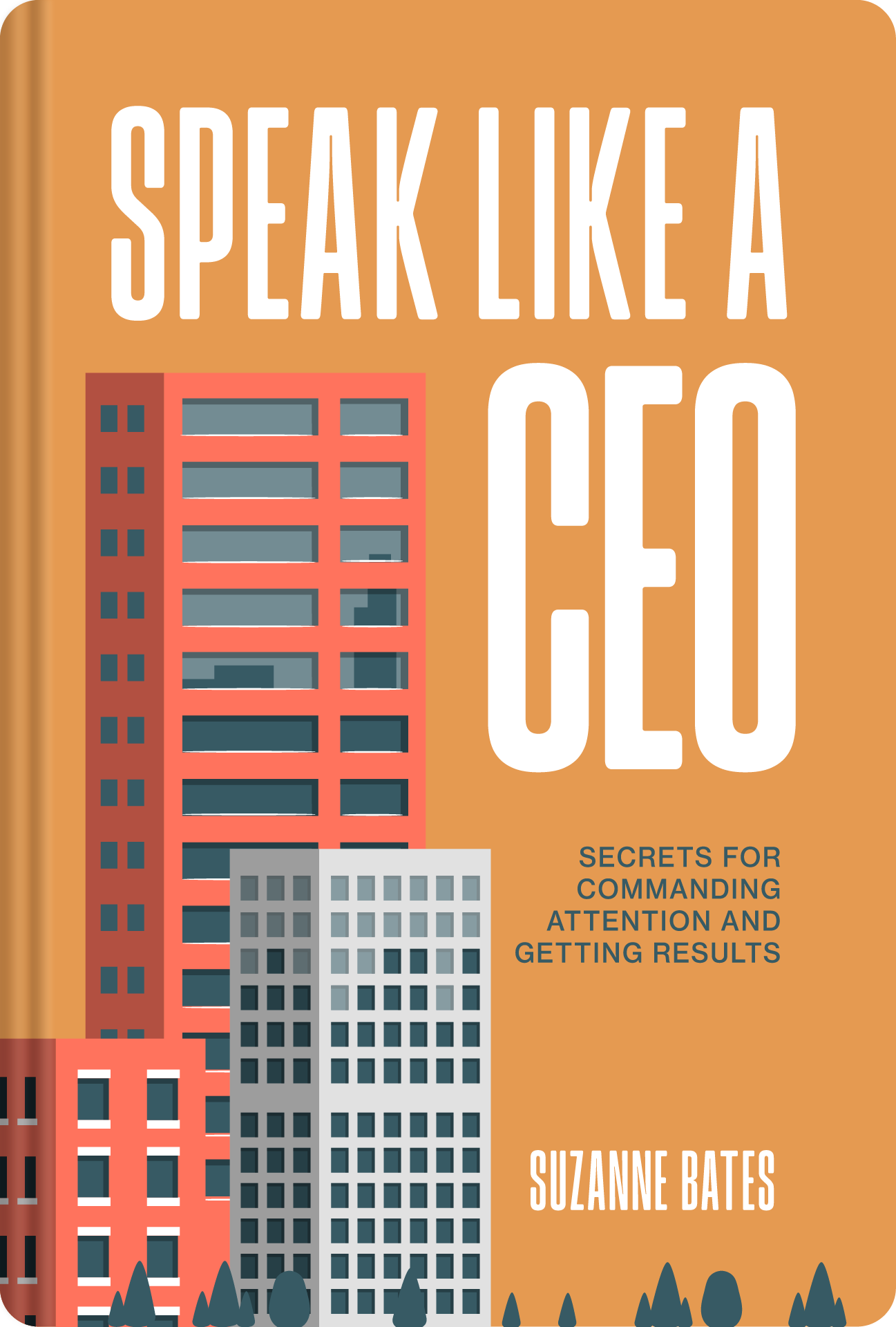 Speak Like a CEOSuzanne BatesPractical techniques for a clear message, compelling stories and calm answers to tough questions, so you speak like a confident leader.Listen to the summary →
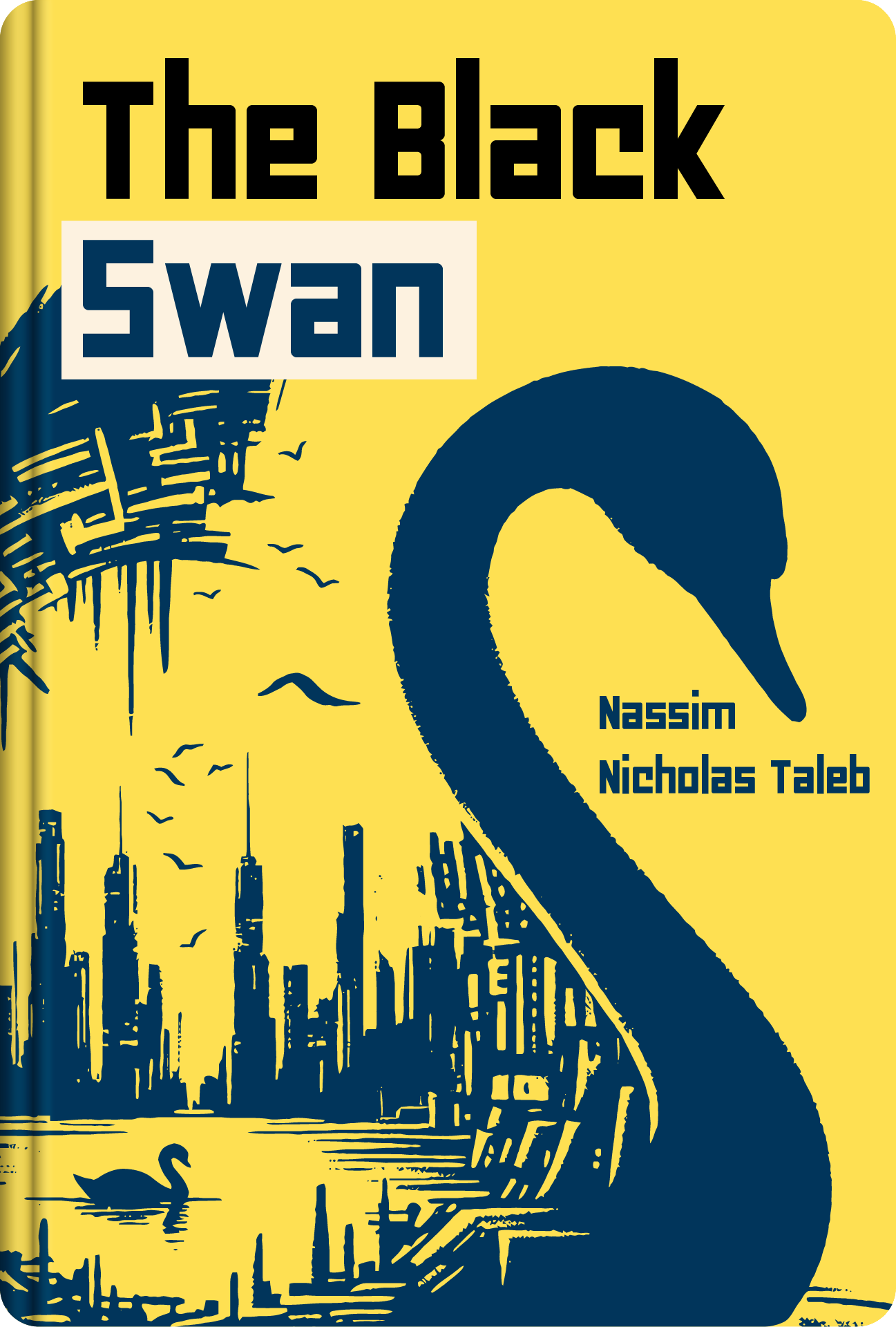 The Black SwanNassim Nicholas TalebWhy rare, unpredictable events shape history and markets, and why building resilience serves you better than trusting forecasts.Listen to the summary →
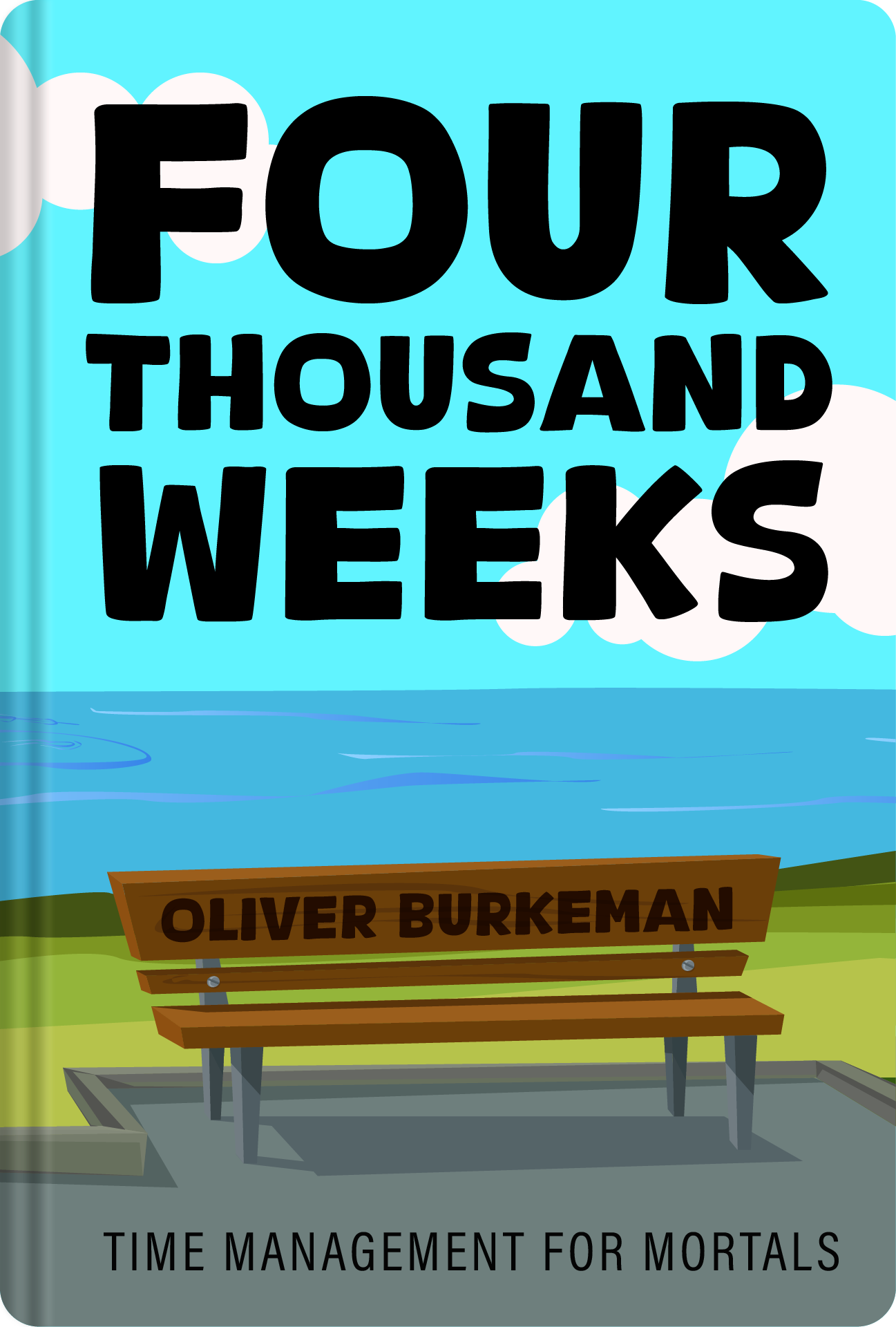 Four Thousand WeeksOliver BurkemanStarting from a life of about four thousand weeks, how to accept your limits and spend your time deliberately on what matters.Listen to the summary →
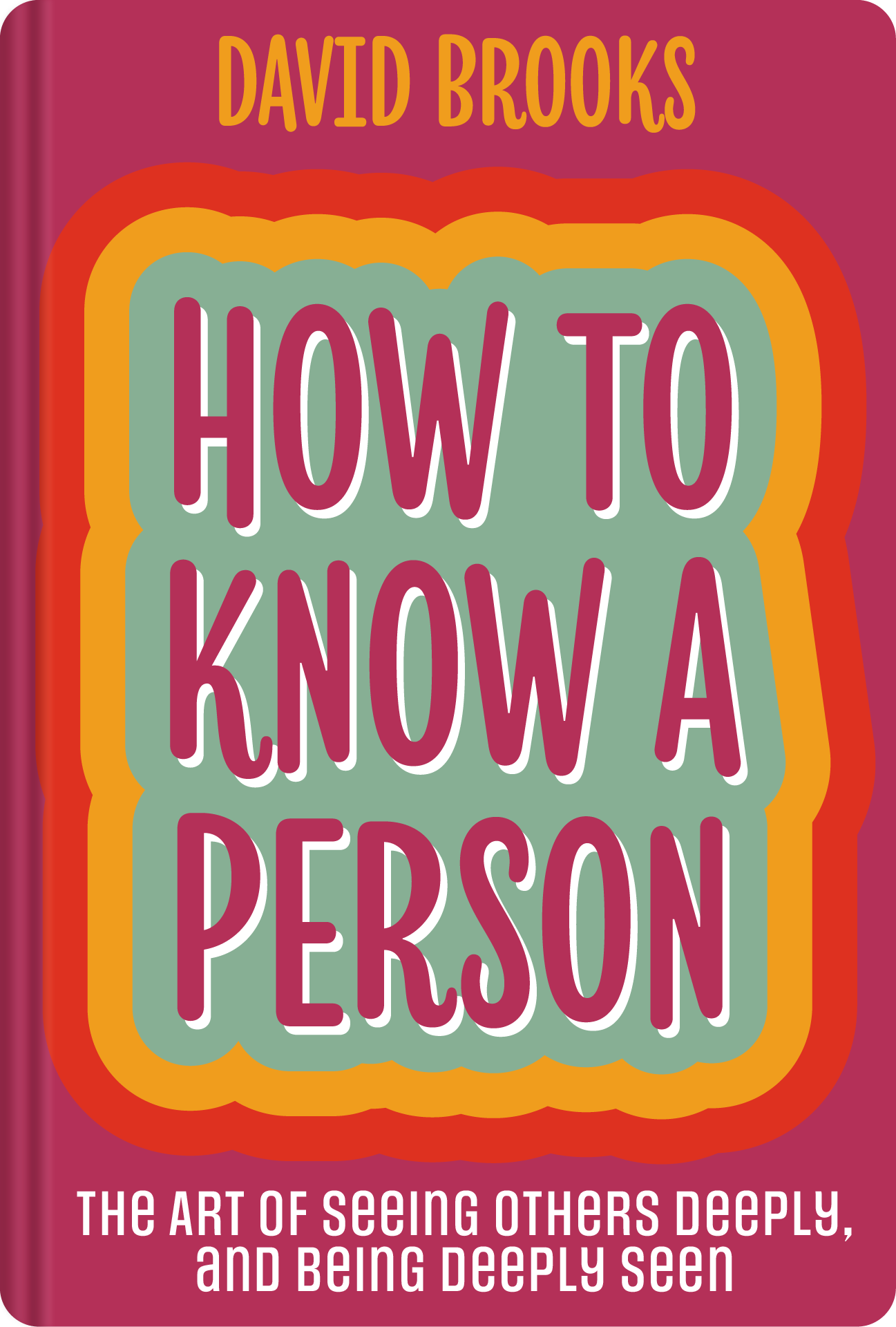 How to Know a PersonDavid BrooksHow to ask better questions, listen with care and make the people around you feel genuinely seen and understood.Listen to the summary →
Try this week
No grand plan needed. Five small steps, and you will have finished something by Thursday.
- Choose one summary: number one on the list, or the topic you have been quietly avoiding.
- Give it a fixed slot that already exists in your day, such as the drive to work, coffee after lunch or the last fifteen minutes before bed.
- Use one idea within 24 hours: rewrite one email and cut what is not needed, count 5-4-3-2-1 before a task you keep postponing, or ask one better question at dinner.
- Save one sentence that struck you, in Durar's Highlights or in your notes, and send it to a friend who needs it.
- Set a modest weekly goal of two or three days, and if you miss one, simply carry on the next day.
One finished summary that changes one email is worth more than a shelf of books you meant to read.
What you buy shows who you hope to be. What you finish shows who you are becoming.
Try the yearly plan free for 14 days
Start your free daysCancel any time before the trial ends and nothing is charged. The summary of the day stays free for everyone.Questions people ask
What were the most popular book summaries of 2026 on Durar?
Measured by the number of people who finished them between 1 January and 2 November 2026, the top three were The Art of Explanation (25 people), The Discomfort Zone (19) and Emotional Intelligence (19). The counts are small because Durar is young: 230 people finished 641 summaries in that period.
What is The Art of Explanation by Ros Atkins about?
Published in 2023, it teaches how to explain complex information clearly in presentations, meetings, emails and conversations. Atkins shares his journalist's method: identify your audience, gather and organise the key facts, cut what is not needed and deliver a precise, engaging message.
What are the five elements of emotional intelligence?
In Emotional Intelligence (1995), Daniel Goleman names self-awareness, self-regulation, motivation, empathy and social skills. He shows how they affect work, relationships, health and learning, and argues they can be developed at any age.
Can I read Durar summaries for free?
Yes, a free summary of the day is open to everyone, every day. The yearly plan also comes with 14 days free, and if you cancel before the trial ends, nothing is charged.