
Someone you have just met asks, "So, what do you do?" You answer in four words, they nod, and then comes the silence. You can feel it stretching, and the only thought in your head is how to get out of it.
If that moment is familiar, you are not shy by nature, and you are not missing some talent everyone else was born with. Most people who talk easily simply learned a few habits that you can learn too.
It shows up in many places. A family gathering where an uncle you rarely see asks about your studies. A meeting where you had a good point and let the moment pass. A new colleague at the next desk, and a week of nodding hello without a single real conversation.
This article gathers five summaries on conversation and social skills, each about fifteen minutes. They cover how to start a conversation, how to speak when you are put on the spot, how to say what you mean, how to give honest feedback, and how to read the people around you. At the end there is a seven-day practice, one question per day.
Small talk is a skill, not a gift
Many of us treat easy conversation as a personality trait: some people have it and the rest of us watch. That belief does more damage than the awkwardness itself, because it gives you a reason not to practise.
The better view is that a conversation has parts you can learn: how to begin, how to keep it going with an open question, how to listen so the other person wants to continue, and how to end it politely. Each part is small enough to try in a single day.
Our own settings: the majlis, the office, two languages
We have a head start that many cultures lack. Hospitality gives us ready-made openings: the coffee being poured, the dates on the tray, asking after someone's family and health. A guest is never left sitting in silence. Use that. The warmth is already in the room, and you only need to add one real question.
Elders are a good place to begin. Ask about the town they grew up in, or how work was in their day, and you will often get a story you did not expect, and a warmer relationship afterwards. They have been waiting to be asked.
At work, many of us move between Arabic and English in the same hour. It is common to understand a point perfectly and still stay quiet because the right words arrive in the wrong language. A useful habit is to say the short version in whichever language comes first, then add detail. A clear sentence in either language beats a perfect sentence you never say.
What changes when you stop trying to impress
Most of the freeze comes from one idea: that you must say something clever. People rarely remember clever. They remember whether they felt heard and at ease around you.
So the goal shifts. You stop performing and start being curious, about the person, about what they said a moment ago, about what they care about. Curiosity gives you the next sentence without effort, and it takes the pressure off you.
Start with a free summary today
Read today's free summaryA free summary every day, in Arabic or English, audio or text.Five summaries, in the order we would read them
Start with the first if small talk is your sticking point. Take the others in whatever order matches your week.
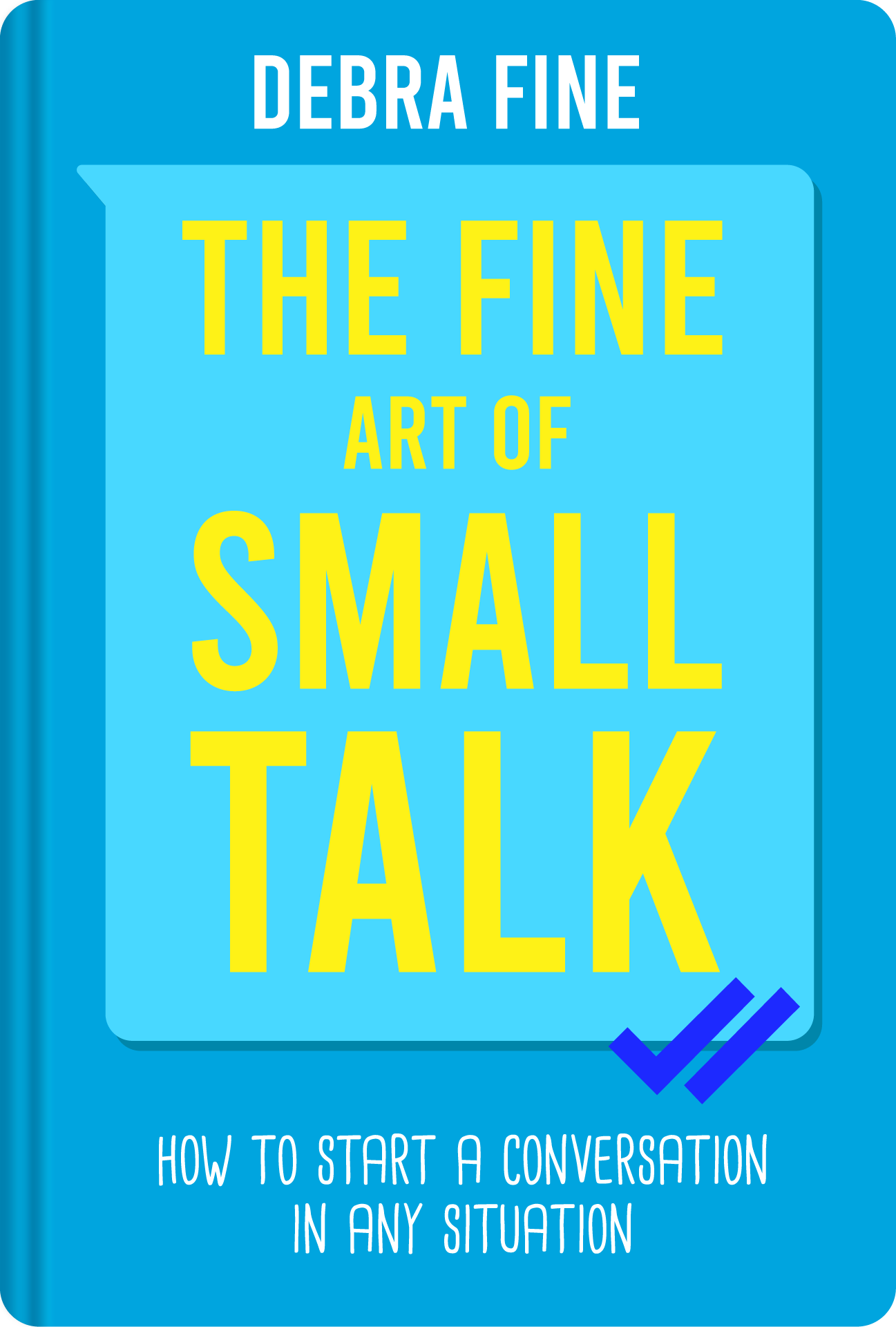 The Fine Art Of Small TalkDebra FineYou learn that small talk is a skill with clear steps for starting a conversation, keeping it going with open-ended questions, listening actively and leaving gracefully.Listen to the summary →
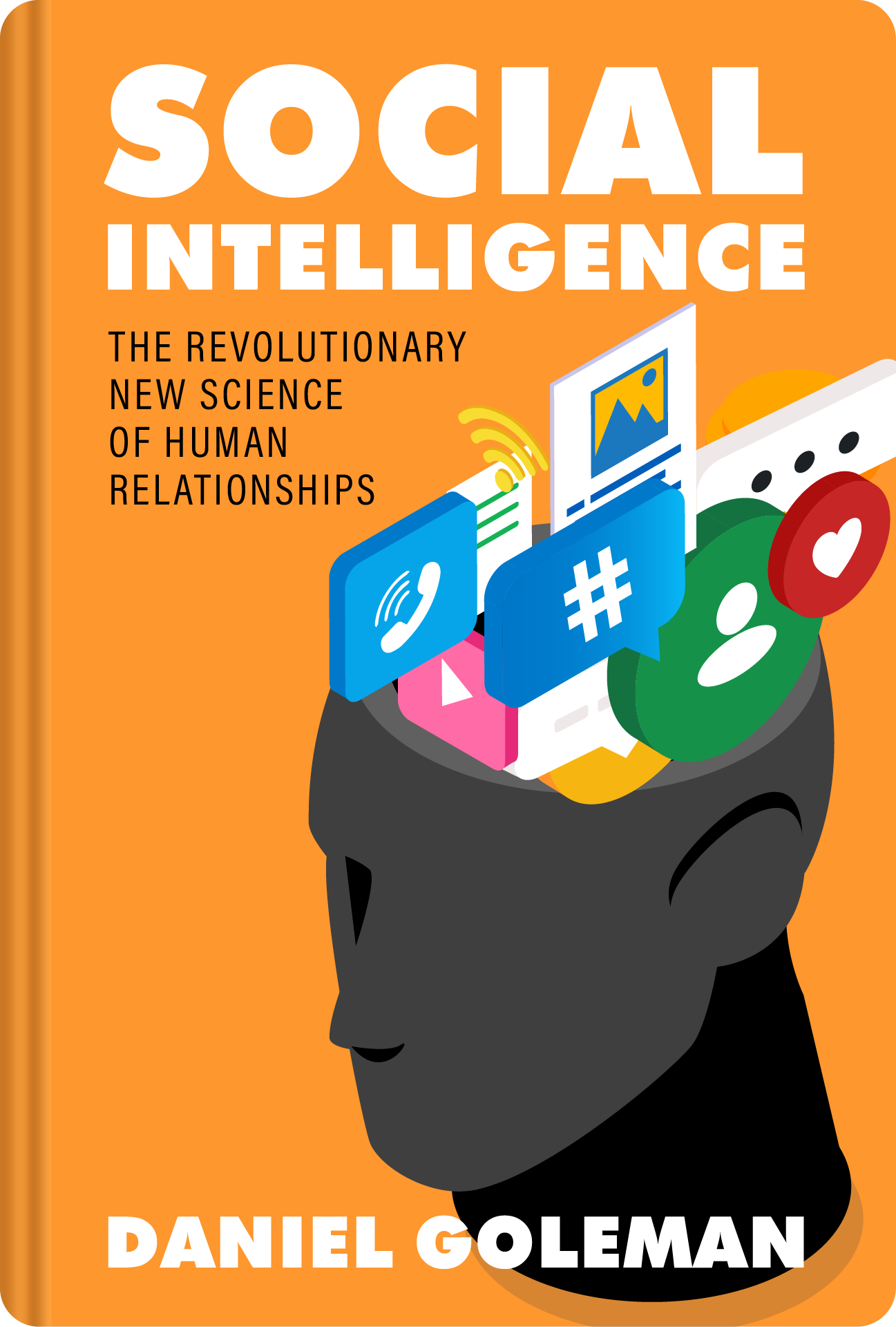 Social IntelligenceDaniel GolemanYou see how empathy, attunement and social awareness can be developed, and why your interactions shape your emotions, your health and your relationships.Listen to the summary →
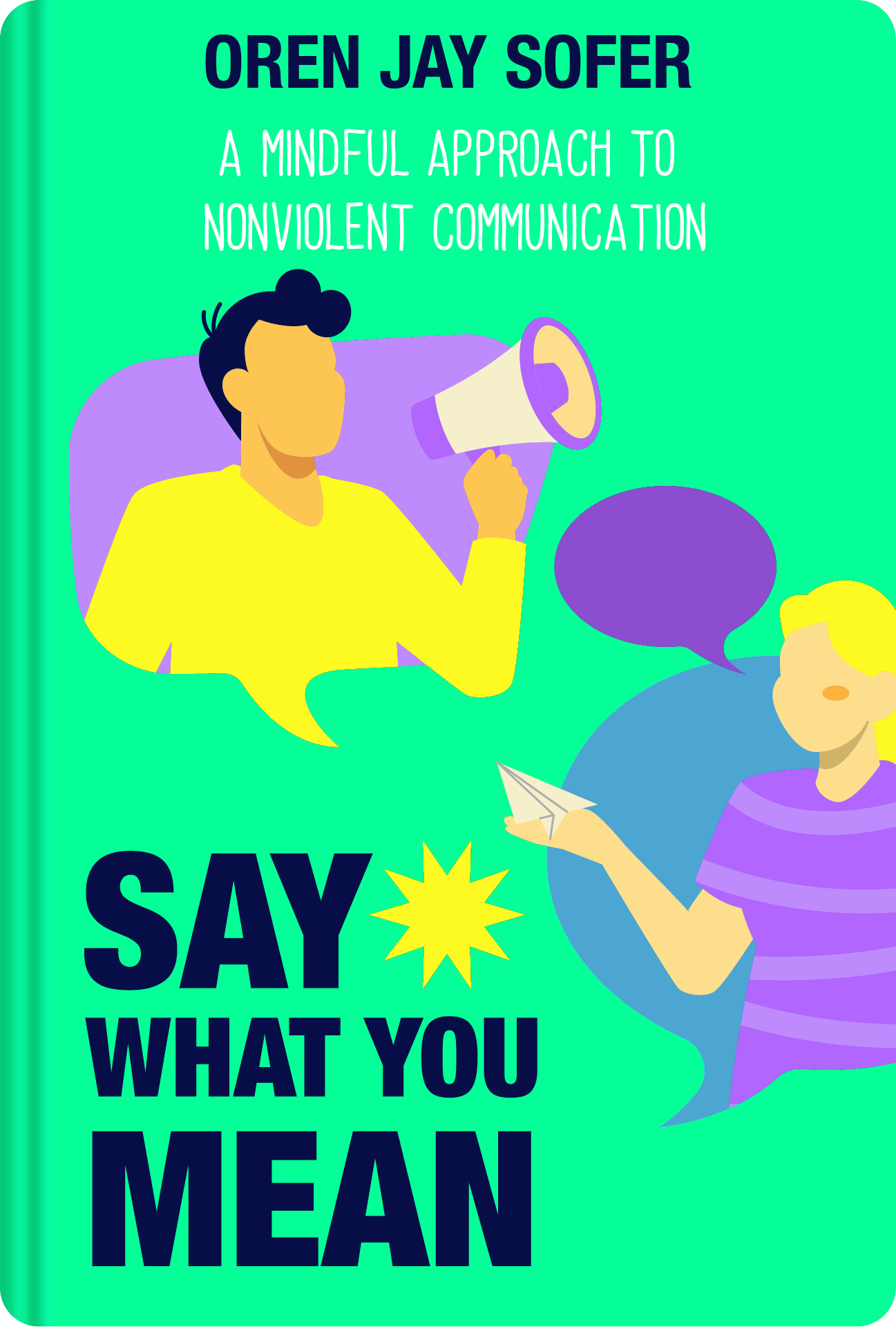 Say What You MeanOren Jay SoferYou get a three-step method for staying present, speaking with curiosity and care, and focusing on what matters most, especially when a conversation turns tense.Listen to the summary →
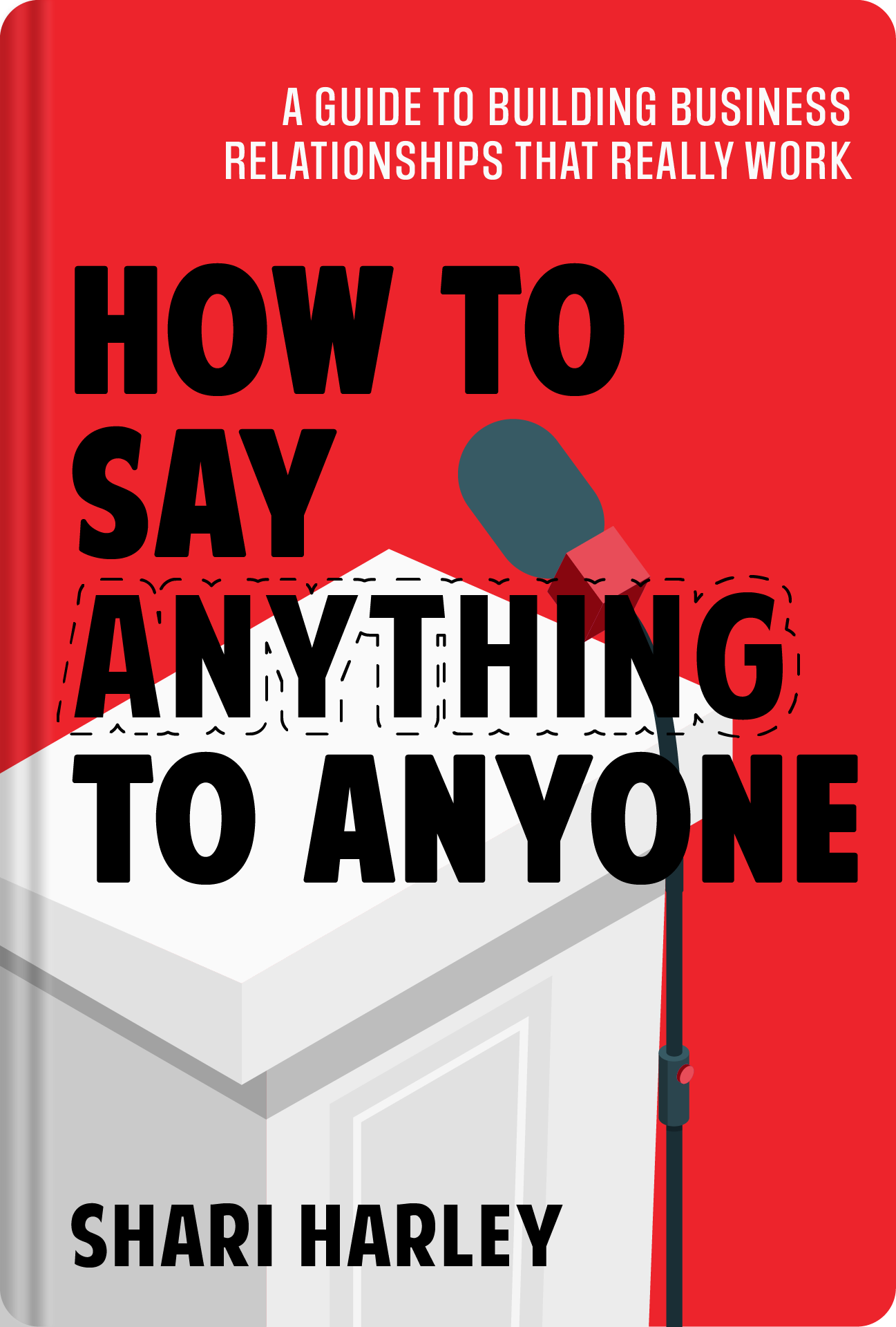 How to Say Anything to AnyoneShari HarleyYou pick up simple scripts for setting expectations early, asking for feedback and giving constructive criticism at work without damaging the relationship.Listen to the summary →
 ImpromptuReid Hoffman with GPT-4You read how one author wrote a book in conversation with the AI model GPT-4 and tested its strengths and weaknesses in areas such as education, business and creativity, an optimistic look at how people can use AI as a partner.Listen to the summary →
Seven days, seven questions
One question a day, asked to a real person. Keep each conversation short. The aim is to practise, not to perform.
- Day 1: Ask a family member, "What was the best part of your day?" Then listen to the whole answer without checking your phone.
- Day 2: Ask an elder, "What was this neighbourhood like when you were young?" Follow up with one more question about something they said.
- Day 3: Ask a new colleague, "How did you end up in this field?" Notice how long they talk when you let them.
- Day 4: In a meeting, say one sentence in the first ten minutes, in whichever language comes first. Add detail afterwards if needed.
- Day 5: Ask a friend, "What are you looking forward to this month?" Then ask what makes it exciting.
- Day 6: With someone you work with, ask, "Is there anything I could do differently that would make your work easier?" Thank them for the answer.
- Day 7: Start a conversation with someone you do not know well, and end it politely after a few minutes. Starting and ending are both part of the skill.
Write one line each evening about what happened. By the end of the week you will have seven small proofs that you can do this.
Nobody is born good at conversation. They just asked one more question than you did.
Try درر free for 14 days
Start your 14-day trialNearly 1,000 summaries in Arabic and English on the yearly plan. Cancel anytime.Questions people ask
How do I start a conversation with someone I do not know?
Start with something shared: the place, the event, the coffee in your hand. Then ask one open question, meaning one that cannot be answered with yes or no. The Fine Art of Small Talk summary covers this step by step.
Is it normal to feel awkward when speaking in a second language at work?
Yes, and it is very common in mixed-language offices. Say a short, clear version first in whichever language comes to you, then add detail. Clear and brief is better than perfect and silent.
Can I really improve my communication skills in a week?
You will not become a different person in seven days, but you can build the habit. The seven-day practice in this article asks for one small conversation a day, which is enough to feel the difference in how you start and end them.