
On Thursday you were the best person on the team. On Sunday morning you are the person the team looks at when something goes wrong. Nobody sat you down and explained the difference.
It starts small. A colleague who was your friend last week now waits for your answer before moving. The WhatsApp group that used to be jokes and lunch plans now pauses when you write in it.
And the skills that got you promoted, speed, accuracy, doing it yourself, are no longer the job. The job is other people: an older employee who has been there longer than you, a younger one who wants to grow faster than the company allows, and a boss above you who expects results.
You do not need twenty books. You need five tools, in the order the first three months will ask for them. Each one is a 15-minute summary you can finish on the drive to the office.
Why the first month is about ownership, not authority
New managers often reach for authority first: the title, the decisions, the tone of voice. Teams rarely respond to that. They respond to a manager who stands in front of the problem instead of pointing behind it.
So the first tool is simple and uncomfortable. When a deadline slips, ask what you could have done differently before you ask who failed. It earns more respect from a mixed-age team than any announcement about your new role.
In many offices here, seniority matters and people notice how you treat someone older than you. Taking responsibility publicly and correcting privately is a way of respecting both the person and the position.
Why the second month is about the conversations you are avoiding
By week five, you know which conversations you have been postponing. The employee whose work has slipped. The colleague who talks over others in meetings. The person who is a little too late, a little too often.
Avoiding them feels polite. It is not. Silence leaves people guessing about where they stand, and small problems grow into large ones that arrive at the worst moment.
The second and third tools work together here. One teaches you to be direct while clearly caring about the person. The other teaches you how to prepare and hold the conversation when emotions and stakes are both high.
Why the third month is about trust, not control
Once the first hard conversations are behind you, a different question appears. Do you keep checking everything, or do you trust your team to do their work?
Many new managers over-control because they are afraid. That fear is normal, and you do not have to hide it from yourself. The last two tools are about leading while being honest about what you do not know, and about treating your team as capable adults who can handle the truth about the business.
That is also what Sunday-to-Thursday teams quietly want: a manager who is clear, fair and predictable, not one who is loud or invisible.
Start with a free summary today
Read today's free summaryDurar gives you one free summary every day. No card needed to begin.The five summaries, in the order you will need them
Each is a 15-minute summary in Arabic and English, in audio and text. Read one a week, or one a fortnight. Do not rush the sequence.
 Extreme OwnershipJocko Willink and Leif BabinYou take away a single habit: when something goes wrong, start by asking what you owned in it, and let your team see you do it first.Listen to the summary →
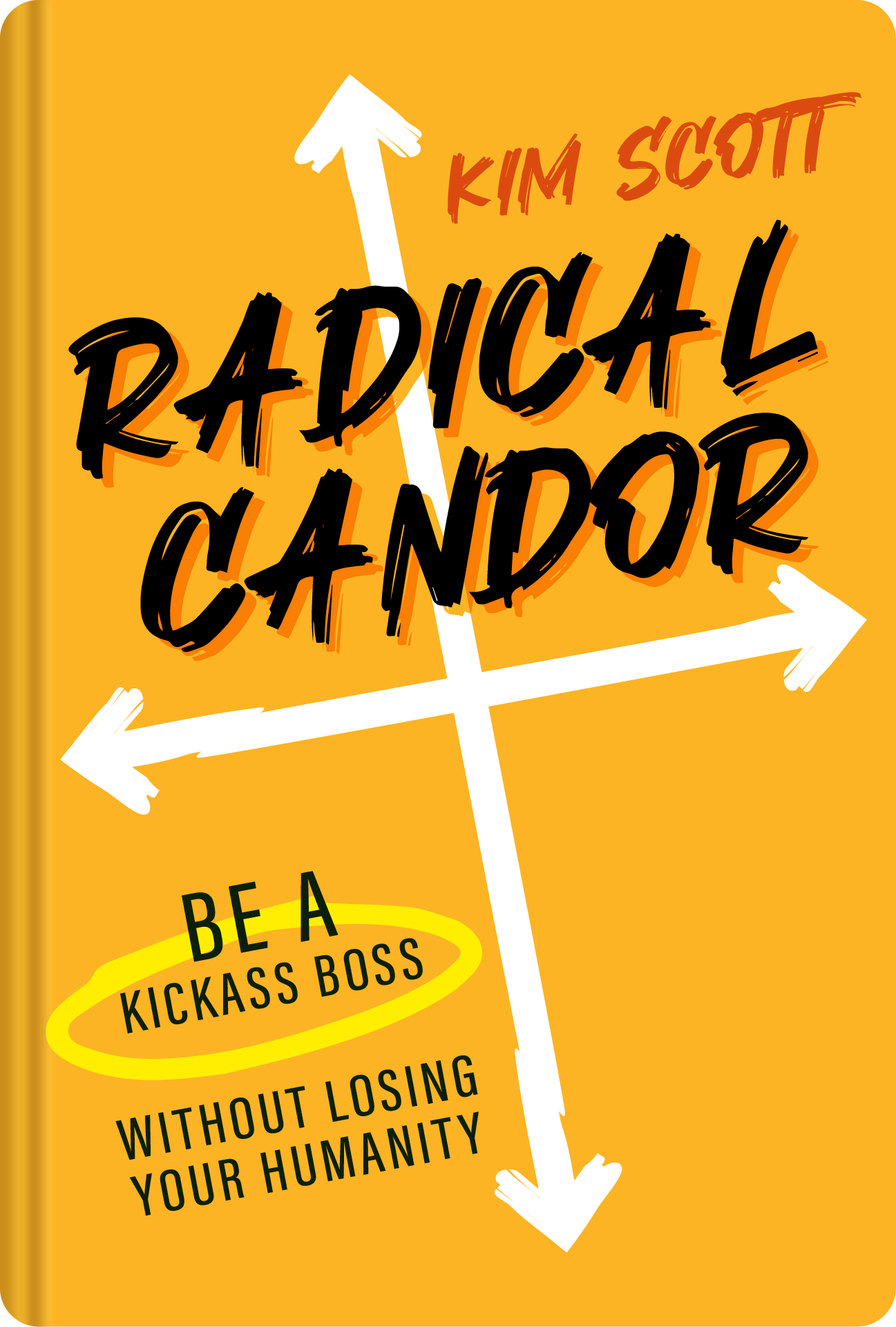 Radical CandorKim ScottYou take away how to challenge someone directly while showing you care about them personally, and how to avoid the traps of being too soft, too harsh or insincere.Listen to the summary →
 Crucial ConversationsKerry Patterson, Joseph Grenny, Ron McMillan, and Al SwitzlerYou take away how to stay focused on what you really want, keep a tense conversation safe, and listen so that it ends in a better decision.Listen to the summary →
 Dare to LeadBrené BrownYou take away that courageous leadership is a set of skills anyone can learn, built on honesty, clear values, trust and recovering from setbacks.Listen to the summary →
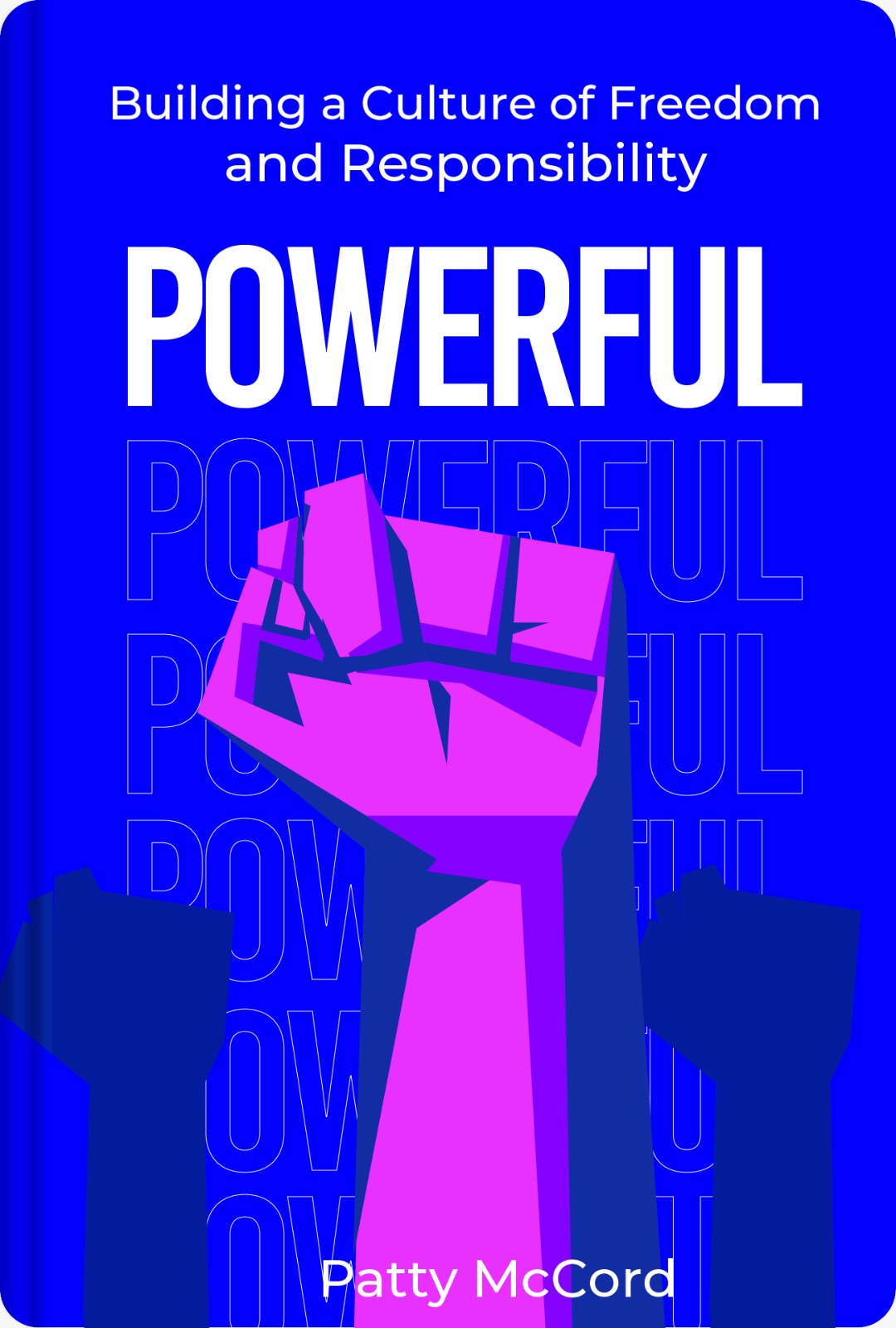 PowerfulPatty McCordYou take away a way to treat your team as capable adults: share how the business is really doing, invite honest feedback and keep accountability real.Listen to the summary →
A simple 90-day plan
You do not need a perfect plan. You need one clear focus for each month, and one small action you repeat every week.
- Days 1 to 30, own it: listen to every person on your team one-on-one, write down what they need from you, and take responsibility for one thing that is going wrong without blaming anyone. Read the Extreme Ownership summary in week one.
- Days 31 to 60, say it: choose the one conversation you have been postponing and have it this month. Prepare what you want from it and what you want for the person. Read the Radical Candor and Crucial Conversations summaries first.
- Days 61 to 90, trust them: hand over one real decision to someone on your team, and share one honest update about the business with everyone. Admit once, calmly, what you do not know yet. Read the Dare to Lead and Powerful summaries during this stretch.
At day 90, ask your team one question: what should I keep doing, and what should I stop? Then listen without defending yourself.
You were promoted for what you could do. You will be remembered for what your team could do because of you.
Get all five, and nearly 1,000 more
Start your 14 days freeNearly 1,000 summaries in Arabic and English, in audio and text. Try the yearly plan free for 14 days and cancel anytime.Questions people ask
Which book should a new manager read first?
Start with the Extreme Ownership summary. Taking responsibility for outcomes is the habit your team will notice first, and it makes every later conversation easier. Then follow the order in this article.
Is there a Radical Candor summary in Arabic?
Yes. The Radical Candor summary (الصراحة الراديكالية) by Kim Scott is available in Arabic and English, in both audio and text, and takes about 15 minutes.
I am younger than some of the people I manage. How do I handle that?
Do not try to prove you deserve the role. Take responsibility for results, ask for their experience openly, and be direct and respectful when something needs correcting. The summaries here help with each of those steps. Your own habits, repeated every week, will do the rest.