Get started

Topic

The best 35 Parenting Styles summaries

Parenting Styles looks at the different ways parents can raise children, from gentle and attachment-focused approaches to firmer guidance that builds independence, a question many families in the region weigh as they balance inherited traditions with new ideas about childhood. The books here range from brain-based guides to early childhood and the teenage years to practical works on secure attachment, simpler home routines, emotional resilience and calmer discipline. Readers can use these ideas to understand their own patterns as parents, respond to big emotions with patience, and shape a home where children grow confident, responsible and close to their families.

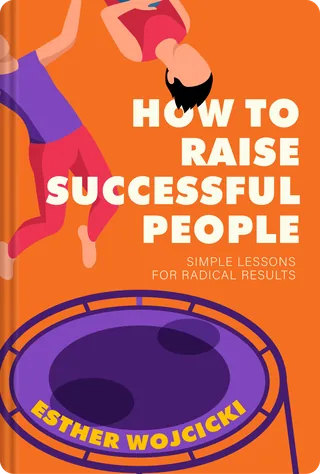
1How to Raise Successful People

How to Raise Successful People

Esther Wojcicki

Raise confident, independent thinkers by trusting children more, controlling less, and encouraging responsibility through stronger communication.

21 min

Listen to the intro

2:15

What is How to Raise Successful People about?

How to Raise Successful People (2019) shares the parenting principles of a teacher and mother whose approach emphasises trust, respect, independence, collaboration, and kindness. Esther Wojcicki argues that children thrive when parents give them responsibility early, encourage curiosity, and allow them to learn from their mistakes. She draws on her own family life and decades of teaching experience.

Who should read How to Raise Successful People?

  • Parents who want confident, independent children
  • Teachers seeking to build student trust and responsibility
  • Anyone raising children who wants to control less
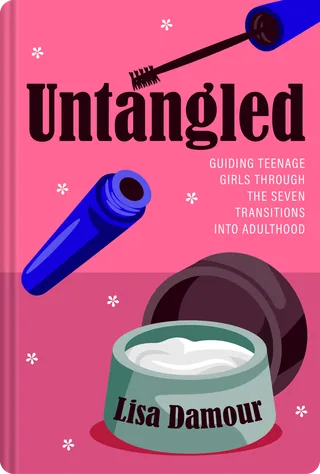
2Untangled

Untangled

Lisa Damour

Guide girls through 7 key transitions into adulthood with practical support that strengthens emotional growth, resolves conflict, and deepens connection.

16 min

Listen to the intro

0:58

What is Untangled about?

Untangled (2016) guides parents through the normal stages of development that girls go through during their teenage years. Lisa Damour describes seven transitions, such as parting with childhood, joining a new peer group, managing emotions, and planning for the future, and explains what each looks like and how parents can help. The book reassures parents and offers practical advice for supporting daughters with confidence.

Who should read Untangled?

  • Parents of teenage daughters seeking reassuring, practical guidance
  • Mothers and fathers worried about their teenage daughter's mood swings
  • Parents hoping to deepen their connection with their daughters
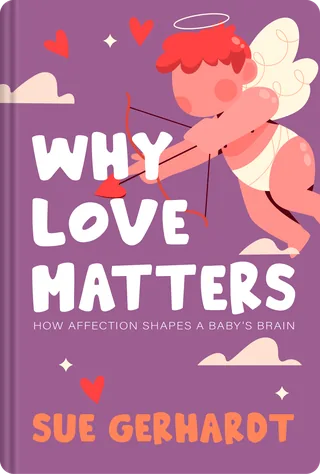
3Why Love Matters

Why Love Matters

Sue Gerhardt

Nurture healthy brain development through love, comfort, and secure attachment that build lifelong resilience and well-being.

16 min

Listen to the intro

1:14

What is Why Love Matters about?

Why Love Matters (2004) explains how the love and care babies receive shapes the development of their brains. Sue Gerhardt shows how early relationships influence the way children learn to manage stress and emotions, and how this can affect health and well-being later in life. The book highlights the importance of responsive, affectionate care in the first years and what families and society can do to support it.

Who should read Why Love Matters?

  • Parents and parents-to-be raising babies and toddlers
  • Caregivers and early childhood educators shaping young minds
  • Anyone curious how early care affects lifelong health
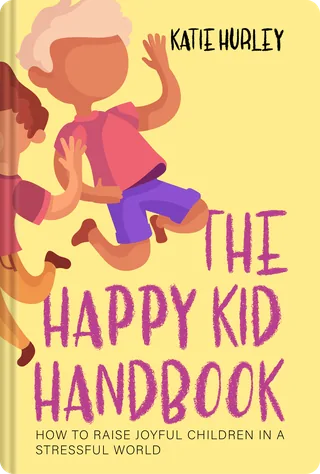
4The Happy Kid Handbook

The Happy Kid Handbook

Katie Hurley

Raise confident, resilient children by supporting their emotional needs, strengthening communication, and building healthy coping skills without pressure or perfection.

12 min

Listen to the intro

1:08

What is The Happy Kid Handbook about?

The Happy Kid Handbook (2015) helps parents understand the stress and worries children face today and how to raise kids who feel calm, confident, and connected. Katie Hurley explains how different personalities, such as introverts and extroverts, experience the world, and offers practical strategies for managing big emotions, building friendships, and making time for play. The book encourages a balanced, supportive approach to raising children.

Who should read The Happy Kid Handbook?

  • Parents worried about their children's stress and anxiety
  • Parents of introverted or extroverted kids seeking understanding
  • Teachers and caregivers helping children manage big emotions
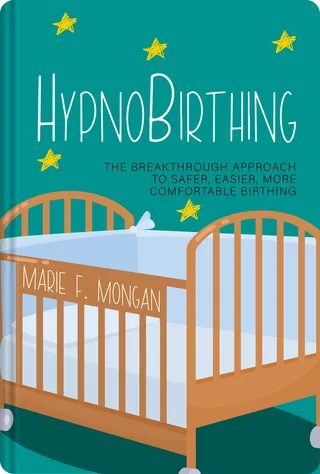
5HypnoBirthing

HypnoBirthing

Marie F. Mongan

Prepare for childbirth with relaxation, visualisation, and body awareness that ease fear and support a calmer, more confident experience.

15 min

Listen to the intro

1:16

What is HypnoBirthing about?

HypnoBirthing (1992) presents a method of preparing for childbirth through deep relaxation, breathing, and visualisation. Marie F. Mongan argues that fear creates tension that can make labour more difficult, and teaches expectant mothers and their birth partners techniques to stay calm and confident. The book explains the stages of labour and encourages parents to approach birth as a natural, positive experience.

Who should read HypnoBirthing?

  • Expectant mothers who feel anxious about giving birth
  • Husbands who want to support their wives during labor
  • Anyone seeking natural ways to ease labor fear
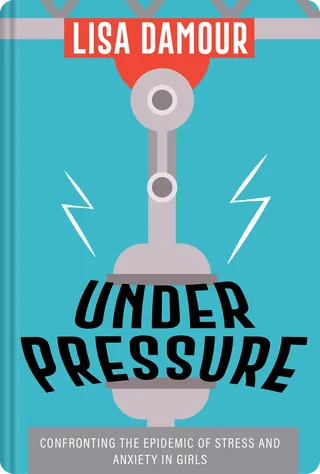
6Under Pressure

Under Pressure

Lisa Damour

Help girls navigate academic, social, and emotional pressure with practical support that builds confidence, calm, and resilience.

16 min

Listen to the intro

1:13

What is Under Pressure about?

Under Pressure (2019) explores why stress and anxiety among girls have risen sharply and what parents and teachers can do about it. Lisa Damour explains that some stress and anxiety are normal and even helpful, and shows how to tell the difference between healthy and harmful levels. She offers practical guidance on school pressure, friendships, social media, and helping girls build resilience.

Who should read Under Pressure?

  • Parents worried about their daughter's stress and anxiety
  • Teachers supporting girls through school and social pressure
  • Anyone helping girls build calm, confidence and resilience
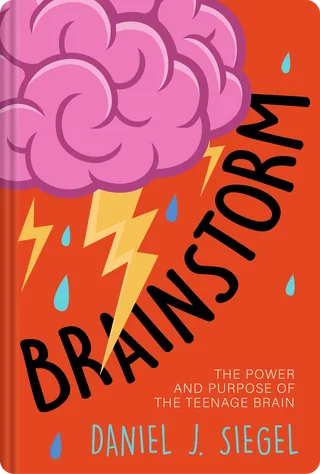
7Brainstorm

Brainstorm

Daniel J. Siegel

Understand the teenage brain to navigate intense emotions, strengthen connection, and turn adolescence into a time of creativity and growth.

15 min

Listen to the intro

1:05

What is Brainstorm about?

Brainstorm (2013) explains what is really happening in the teenage brain between the ages of twelve and twenty-four. Daniel J. Siegel argues that adolescence is not a time of chaos to be survived but a period of powerful growth, creativity, and courage. He shows teens and parents how to understand emotional intensity, risk-taking, and the need for connection, and how to channel these qualities in positive ways.

Who should read Brainstorm?

  • Parents struggling to understand their teenager's intense emotions
  • Teens and young adults curious about their changing brains
  • Teachers and counselors who work closely with adolescents
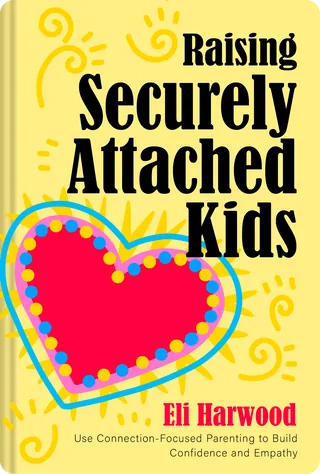
8Raising Securely Attached Kids

Raising Securely Attached Kids

Eli Harwood

Build a secure bond with your child through empathy, consistency, and calm communication that strengthen trust and reduce power struggles.

17 min

Listen to the intro

0:56

What is Raising Securely Attached Kids about?

Raising Securely Attached Kids (2024) explains how parents can build relationships that help children feel safe, understood, and confident while gradually developing independence. Eli Harwood translates attachment research into practical responses for moments of fear, conflict, strong emotion, separation, and misbehaviour. The book emphasises that secure attachment does not require perfect parenting, but grows through consistent care, emotional availability, healthy boundaries, and sincere repair after mistakes.

Who should read Raising Securely Attached Kids?

  • Parents who want calmer, more trusting relationships with children
  • Caregivers struggling with tantrums, defiance, or daily power struggles
  • Anyone who fears they must be a perfect parent
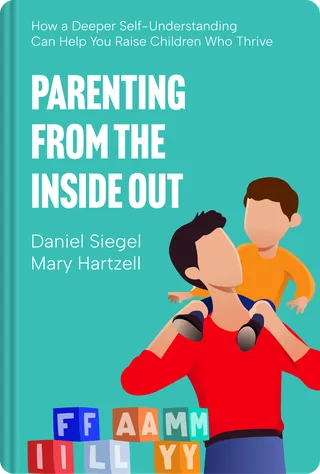
9Parenting from the Inside Out

Parenting from the Inside Out

Daniel Siegel and Mary Hartzell

Understand how your childhood shapes the way you parent, and develop the self-awareness and emotional insight needed to respond with empathy rather than instinctive reactions.

15 min

Listen to the intro

1:43

What is Parenting from the Inside Out about?

Parenting from the Inside Out (2003) explains how parents’ own childhood experiences shape the way they raise their children. Daniel Siegel and Mary Hartzell combine findings from neuroscience and attachment research with practical exercises that help parents make sense of their life stories, understand their emotional reactions, and build secure, connected relationships with their children.

Who should read Parenting from the Inside Out?

  • Parents who react to their children in ways they regret
  • Anyone wanting to understand how their upbringing shapes their parenting
  • Parents seeking a calmer, closer bond with their children
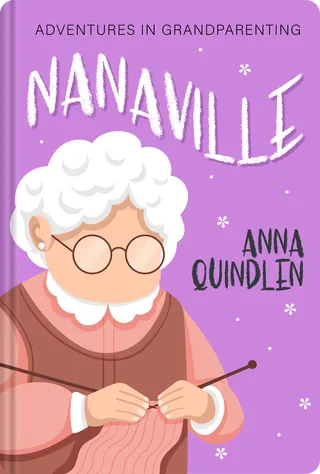
10Nanaville

Nanaville

Anna Quindlen

Embrace grandparenthood as a joyful new chapter of love, connection, changing relationships, and renewed purpose.

17 min

Listen to the intro

1:12

What is Nanaville about?

Nanaville (2019) is Anna Quindlen’s warm and thoughtful reflection on becoming a grandmother. She describes the joy of meeting her first grandchild, the new role of supporting her adult children as parents, and learning when to help and when to step back. Mixing personal stories with gentle wisdom, the book celebrates family, generations, and the lasting power of love.

Who should read Nanaville?

  • New grandparents adjusting to a joyful new family role
  • Parents whose adult children have recently become parents
  • Anyone learning when to help and when to step back
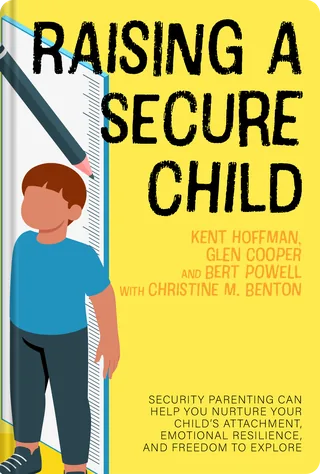
11Raising a Secure Child

Raising a Secure Child

Kent Hoffman, Glen Cooper and Bert Powell with Christine M. Benton

Create a secure bond with your child through presence, empathy, and consistent care that nurture confidence and lifelong well-being.

14 min

Listen to the intro

1:20

What is Raising a Secure Child about?

Raising a Secure Child (2017) introduces the Circle of Security, a well-known approach that helps parents build a strong and trusting bond with their children. Kent Hoffman, Glen Cooper and Bert Powell with Christine M. Benton explain how children need both a secure base from which to explore and a safe haven to return to, and how parents can respond to their needs without having to be perfect.

Who should read Raising a Secure Child?

  • Parents who want a stronger bond with their children
  • New parents worried about getting everything right
  • Teachers and caregivers supporting young children's emotional needs
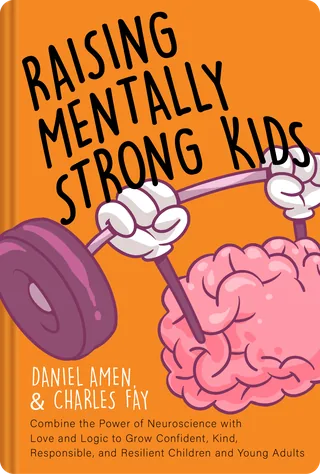
12Raising Mentally Strong Kids

Raising Mentally Strong Kids

Charles Fay and Daniel Amen

Equip children with the confidence, resilience, and problem-solving skills to face challenges independently and thrive into adulthood.

16 min

Listen to the intro

1:13

What is Raising Mentally Strong Kids about?

Raising Mentally Strong Kids (2020) combines brain science with practical parenting advice to help children grow into responsible, confident, and resilient adults. Charles Fay and Daniel Amen explain how parents can set clear limits with warmth, let children learn from manageable mistakes, and build the self-control and character they need. The book offers simple scripts and strategies for handling everyday challenges calmly.

Who should read Raising Mentally Strong Kids?

  • Parents who want confident, resilient, independent children
  • Caregivers struggling to set limits without losing warmth
  • Parents seeking calm scripts for everyday child challenges
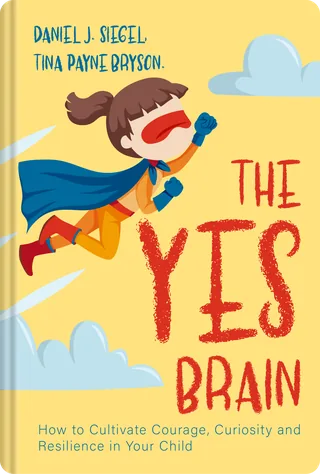
13The Yes Brain

The Yes Brain

Daniel J. Siegel and Tina Payne Bryson

Raise resilient, confident children by nurturing curiosity, emotional balance, and an open mindset toward life’s challenges.

14 min

Listen to the intro

1:03

What is The Yes Brain about?

The Yes Brain (2018) helps parents raise children who are open, curious, and resilient rather than rigid and reactive. Daniel J. Siegel and Tina Payne Bryson explain the difference between a yes brain, which is receptive to new experiences, and a no brain, which is defensive. They describe four qualities to nurture, balance, resilience, insight, and empathy, with practical activities for everyday family life.

Who should read The Yes Brain?

  • Parents raising curious, confident and resilient children
  • Caregivers handling frequent tantrums and rigid behavior
  • Educators who want to nurture empathy and emotional balance
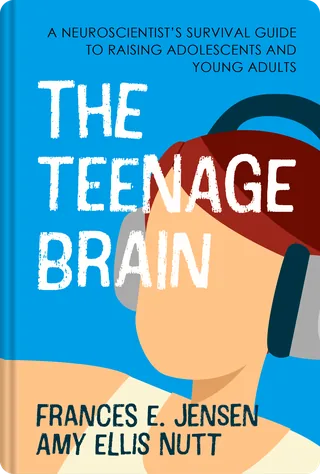
14The Teenage Brain

The Teenage Brain

Frances E. Jensen & Amy Ellis Nutt

Understand the developing teenage brain and support impulsive, emotional adolescents with greater insight, confidence, and connection.

14 min

Listen to the intro

1:41

What is The Teenage Brain about?

The Teenage Brain (2015) explains what science has discovered about the developing brains of teenagers and young adults. Frances E. Jensen & Amy Ellis Nutt show why teens can be highly capable learners yet also impulsive and emotional, and how sleep, stress, technology, and risky behaviours affect the growing brain. The book gives parents and teachers practical guidance for supporting young people through these years.

Who should read The Teenage Brain?

  • Parents raising teenagers who seem impulsive or moody
  • Teachers and school counselors working with adolescents
  • Anyone curious how sleep and technology shape teens
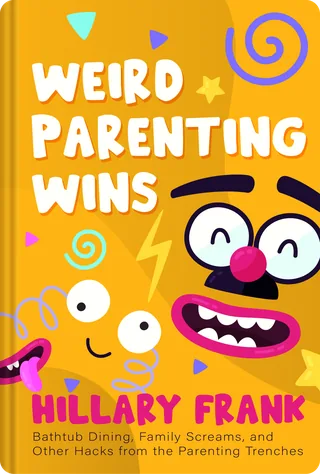
15Weird Parenting Wins

Weird Parenting Wins

Hillary Frank

Embrace creative parenting with humour and flexibility, remembering that genuine connection matters more than perfect rules.

16 min

Listen to the intro

0:54

What is Weird Parenting Wins about?

Weird Parenting Wins (2019) collects creative, funny, and surprisingly effective solutions that real parents have discovered for everyday challenges. Hillary Frank gathers ideas for bedtime battles, picky eating, tantrums, and difficult conversations, showing that there is no single right way to raise children. The book reminds parents to trust their instincts and to find humour and connection in the chaos of family life.

Who should read Weird Parenting Wins?

  • Parents struggling with bedtime battles and picky eaters
  • Caregivers tired of rigid, one-size-fits-all parenting advice
  • Anyone seeking more humor and connection in family life
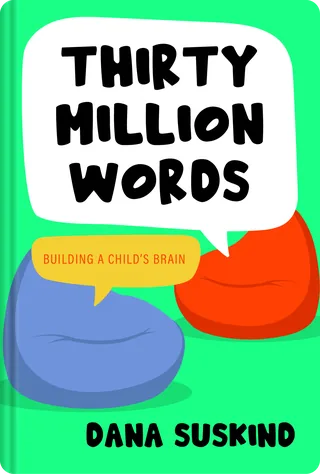
16Thirty Million Words

Thirty Million Words

Dana Suskind

Shape your child’s developing brain through everyday conversations that strengthen language, deepen connection, and inspire lifelong learning.

16 min

Listen to the intro

0:50

What is Thirty Million Words about?

Thirty Million Words (2015) shows that the words children hear in their earliest years shape how their brains develop. Dana Suskind explains research suggesting that children from different homes hear very different amounts of language by age four, and how this affects learning later in life. She offers a simple approach for parents: tune in, talk more, and take turns in conversation with young children.

Who should read Thirty Million Words?

  • Parents of babies and toddlers under four
  • Early childhood educators shaping young minds daily
  • Expectant parents preparing for their child's development
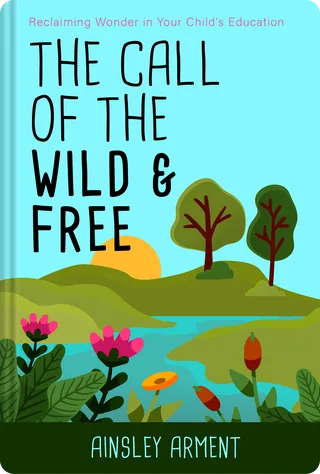
17The Call of the Wild and Free

The Call of the Wild and Free

Ainsley Arment

Nurture confident, joyful learners through curiosity, play, nature, and a freer approach to education.

15 min

Listen to the intro

1:06

What is The Call of the Wild and Free about?

The Call of the Wild and Free (2019) presents a joyful, nature-centred approach to children’s learning. Ainsley Arment encourages parents to nurture curiosity through outdoor exploration, reading, play, and hands-on discovery rather than rigid routines. The book offers practical ideas for creating a home environment where children can learn with freedom and wonder.

Who should read The Call of the Wild and Free?

  • Parents considering homeschooling for their children
  • Families seeking a gentler alternative to rigid schooling
  • Anyone wanting to spark children's curiosity through nature
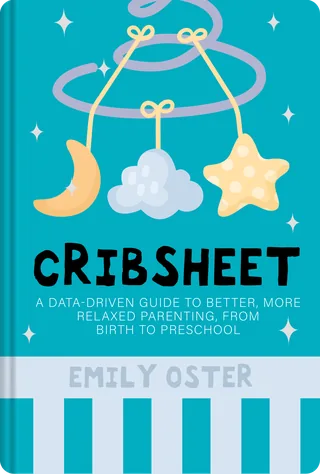
18Cribsheet

Cribsheet

Emily Oster

Navigate early parenthood with research-backed guidance on sleep, feeding, and development that replaces guilt and guesswork with confidence.

20 min

Listen to the intro

1:06

What is Cribsheet about?

Cribsheet (2019) helps parents make confident decisions in the early years of their child’s life by looking closely at the evidence. Emily Oster, an economist, examines common questions such as breastfeeding, sleep training, screen time, daycare, and early learning. Instead of telling parents what to do, she shows what the research really says so they can choose what works best for their own family.

Who should read Cribsheet?

  • New parents overwhelmed by conflicting baby advice
  • Parents who want evidence behind feeding and sleep choices
  • Anyone weighing daycare and screen time decisions
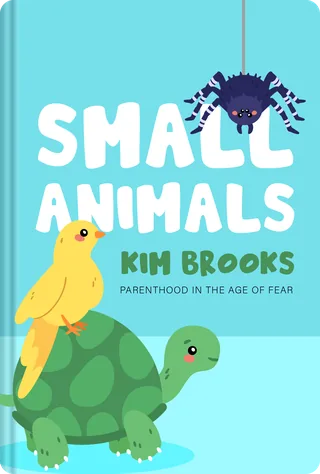
19Small Animals

Small Animals

Kim Brooks

Challenge the fear, judgement, and pressure shaping modern parenting while rethinking what children truly need to grow with confidence and freedom.

18 min

Listen to the intro

1:03

What is Small Animals about?

Small Animals (2018) begins with a single moment: Kim Brooks left her young son in the car for a few minutes while she ran into a shop, and a stranger called the police. From that experience, she explores why modern parents feel so much fear and pressure, how anxiety shapes the way children are raised, and what families lose when they try to control every risk.

Who should read Small Animals?

  • Parents who feel anxious about every possible risk
  • Mothers and fathers tired of constant judgment from others
  • Educators curious how fear shapes children's independence
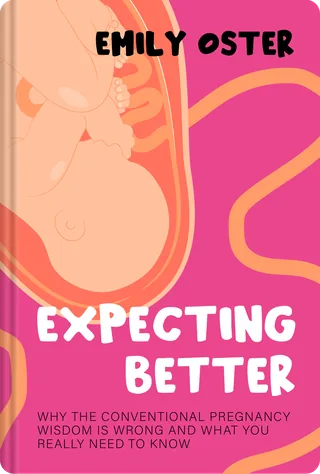
20Expecting Better

Expecting Better

Emily Oster

Navigate pregnancy with confidence by replacing outdated advice and fear with clear evidence and informed choices.

15 min

Listen to the intro

1:03

What is Expecting Better about?

Expecting Better (2013) helps pregnant women make informed choices by looking carefully at the evidence behind common pregnancy rules. Emily Oster, an economist, examines advice about caffeine, certain foods, weight gain, prenatal testing, and labour, and explains what the research actually shows. Rather than telling women what to do, the book gives them the information they need to make their own decisions with their doctors.

Who should read Expecting Better?

  • Expectant mothers who want the evidence behind pregnancy rules
  • Women planning a pregnancy who prefer informed decisions
  • Husbands who want to support their wives during pregnancy

Related topics

Questions about Parenting Styles

What is a good book to start with on parenting styles?

The Whole-Brain Child is a clear starting point, explaining how a child's developing brain shapes behaviour and how parents can respond to strong emotions. For a reflective look at your own role, The Book You Wish Your Parents Had Read helps you see how your emotional patterns affect your child.

What will I learn from parenting styles books?

You will learn how different approaches affect a child's confidence, resilience and sense of security, and how to guide behaviour without constant conflict. Titles such as No-Drama Discipline and Raising a Secure Child offer practical ways to combine warmth with consistent boundaries.

Who are these summaries for?

They are for mothers and fathers at every stage, from expecting parents reading Common Sense Pregnancy to those raising teenagers with The Teenage Brain. Grandparents, teachers and caregivers who want to support children thoughtfully will also find them useful.

Get the key ideas from the world's best books in about 15 minutes

Free account · One free summary every day