Get started

Topic

The best 44 Family Life summaries

Family Life brings together ideas on raising children with warmth and confidence, from early childhood through the teenage years, helping parents in the region balance close family bonds and inherited values with the pressures of screens, school and a fast-changing world. The books range from accessible guides on how a child's brain develops and how to handle big emotions, to thoughtful works on attention difficulties, education, digital overload and keeping home life simple. Readers can take away practical ways to talk with their children, set calm and caring limits, build resilience and independence, and create a home where every member feels secure.

1Creative Schools

Creative Schools

Ken Robinson and Lou Aronica

Transform education through personalised learning that nurtures curiosity, creativity, individuality, and a genuine love of discovery.

23 min

Listen to the intro

1:26

What is Creative Schools about?

Creative Schools (2015) argues that education systems designed for the industrial age no longer meet the needs of today’s students. Ken Robinson calls for schools that nurture curiosity, creativity, and each child’s individual talents, and shares examples of teachers, parents, and schools already doing this. The book offers a practical vision for transforming education from the ground up.

Who should read Creative Schools?

  • Teachers who want to spark curiosity in every student
  • Parents seeking an education that honors their child's talents
  • School leaders ready to rethink outdated education systems
2The Book You Wish Your Parents Had Read (and Your Children Will Be Glad That You Did)

The Book You Wish Your Parents Had Read (and Your Children Will Be Glad That You Did)

Philippa Perry

Understand your emotional patterns to communicate with empathy, repair disconnection, and build a healthier, more confident bond with your child.

17 min

Listen to the intro

1:10

What is The Book You Wish Your Parents Had Read (and Your Children Will Be Glad That You Did) about?

The Book You Wish Your Parents Had Read (and Your Children Will Be Glad That You Did) (2019) focuses on the relationship between parents and children rather than on quick fixes for behaviour. Philippa Perry explains how our own childhood shapes the way we parent, and why accepting children’s feelings, repairing mistakes, and truly listening help them grow into secure adults. The book offers warm, practical wisdom for every stage of parenting.

Who should read The Book You Wish Your Parents Had Read (and Your Children Will Be Glad That You Did)?

  • Parents who want a deeper bond with their children
  • Anyone noticing their own upbringing in how they parent
  • Expecting parents preparing for the emotional side of parenting
3Small Animals

Small Animals

Kim Brooks

Challenge the fear, judgement, and pressure shaping modern parenting while rethinking what children truly need to grow with confidence and freedom.

18 min

Listen to the intro

1:03

What is Small Animals about?

Small Animals (2018) begins with a single moment: Kim Brooks left her young son in the car for a few minutes while she ran into a shop, and a stranger called the police. From that experience, she explores why modern parents feel so much fear and pressure, how anxiety shapes the way children are raised, and what families lose when they try to control every risk.

Who should read Small Animals?

  • Parents who feel anxious about every possible risk
  • Mothers and fathers tired of constant judgment from others
  • Educators curious how fear shapes children's independence
4A New Way for Mothers

A New Way for Mothers

Louise Webster

Reclaim your professional identity by using school hours to build a flexible, fulfilling career that fits alongside motherhood.

14 min

Listen to the intro

0:58

What is A New Way for Mothers about?

A New Way for Mothers (2017) offers mothers a practical approach to returning to work or building a business while their children are at school. Louise Webster shows how to identify one’s skills, find flexible work, start a venture, and balance family life with personal goals. The book encourages mothers to use their talents with confidence during school hours.

Who should read A New Way for Mothers?

  • Mothers returning to work after a break
  • Moms wanting a business that fits school hours
  • Every mother seeking flexible work balancing family and ambition
5What’s Going on in There?

What’s Going on in There?

Lise Eliot

Shape your child’s developing brain through everyday interactions that strengthen thinking, emotional health, learning, and future growth.

21 min

Listen to the intro

1:06

What is What’s Going on in There? about?

What’s Going on in There? (1999) explains how a child’s brain and mind develop from before birth through the first five years of life. Lise Eliot describes how each sense, movement skill, emotion, and language ability grows, and shows how genes and everyday experiences work together. The book gives parents a clear, science-based picture of early development and practical ways to support it.

Who should read What’s Going on in There??

  • Expectant parents curious about their baby's developing brain
  • Parents of children under five seeking practical guidance
  • Early childhood educators wanting a science-based view of development
6The Anxious Generation

The Anxious Generation

Jonathan Haidt

Protect childhood from digital overload by restoring real-world play, genuine connection, independence, and emotional resilience.

16 min

Listen to the intro

1:09

What is The Anxious Generation about?

The Anxious Generation (2024) explains why rates of anxiety and depression among young people rose sharply in the early 2010s. Jonathan Haidt argues that childhood shifted from play-based to phone-based, as smartphones and social media replaced free play and face-to-face time. He proposes four practical reforms, including no smartphones before high school and phone-free schools, to help children grow up healthier.

Who should read The Anxious Generation?

  • Parents worried about their children's screen time and wellbeing
  • Teachers and school leaders considering phone-free classrooms
  • Anyone curious why youth anxiety surged after 2010
7Weird Parenting Wins

Weird Parenting Wins

Hillary Frank

Embrace creative parenting with humour and flexibility, remembering that genuine connection matters more than perfect rules.

16 min

Listen to the intro

0:54

What is Weird Parenting Wins about?

Weird Parenting Wins (2019) collects creative, funny, and surprisingly effective solutions that real parents have discovered for everyday challenges. Hillary Frank gathers ideas for bedtime battles, picky eating, tantrums, and difficult conversations, showing that there is no single right way to raise children. The book reminds parents to trust their instincts and to find humour and connection in the chaos of family life.

Who should read Weird Parenting Wins?

  • Parents struggling with bedtime battles and picky eaters
  • Caregivers tired of rigid, one-size-fits-all parenting advice
  • Anyone seeking more humor and connection in family life
8The Call of the Wild and Free

The Call of the Wild and Free

Ainsley Arment

Nurture confident, joyful learners through curiosity, play, nature, and a freer approach to education.

15 min

Listen to the intro

1:06

What is The Call of the Wild and Free about?

The Call of the Wild and Free (2019) presents a joyful, nature-centred approach to children’s learning. Ainsley Arment encourages parents to nurture curiosity through outdoor exploration, reading, play, and hands-on discovery rather than rigid routines. The book offers practical ideas for creating a home environment where children can learn with freedom and wonder.

Who should read The Call of the Wild and Free?

  • Parents considering homeschooling for their children
  • Families seeking a gentler alternative to rigid schooling
  • Anyone wanting to spark children's curiosity through nature
9Wean in 15

Wean in 15

Joe Wicks

Make starting solid foods easier with quick, healthy recipes and simple routines that build positive, adventurous eating habits.

19 min

Listen to the intro

1:03

What is Wean in 15 about?

Wean in 15 (2018) is a practical guide to introducing babies to solid food. Joe Wicks shares his family’s weaning experience, explains the stages of weaning, and offers one hundred simple recipes that can be made quickly for babies and toddlers. The book helps parents build healthy eating habits for their children with less stress.

Who should read Wean in 15?

  • New parents preparing to introduce solid foods
  • Busy parents wanting quick, healthy meals for babies
  • Caregivers hoping to raise adventurous, unfussy little eaters
10The Yes Brain

The Yes Brain

Daniel J. Siegel and Tina Payne Bryson

Raise resilient, confident children by nurturing curiosity, emotional balance, and an open mindset toward life’s challenges.

14 min

Listen to the intro

1:03

What is The Yes Brain about?

The Yes Brain (2018) helps parents raise children who are open, curious, and resilient rather than rigid and reactive. Daniel J. Siegel and Tina Payne Bryson explain the difference between a yes brain, which is receptive to new experiences, and a no brain, which is defensive. They describe four qualities to nurture, balance, resilience, insight, and empathy, with practical activities for everyday family life.

Who should read The Yes Brain?

  • Parents raising curious, confident and resilient children
  • Caregivers handling frequent tantrums and rigid behavior
  • Educators who want to nurture empathy and emotional balance
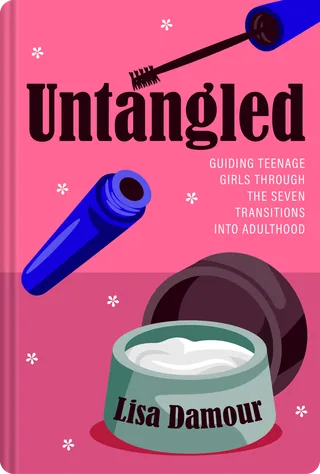
11Untangled

Untangled

Lisa Damour

Guide girls through 7 key transitions into adulthood with practical support that strengthens emotional growth, resolves conflict, and deepens connection.

16 min

Listen to the intro

0:58

What is Untangled about?

Untangled (2016) guides parents through the normal stages of development that girls go through during their teenage years. Lisa Damour describes seven transitions, such as parting with childhood, joining a new peer group, managing emotions, and planning for the future, and explains what each looks like and how parents can help. The book reassures parents and offers practical advice for supporting daughters with confidence.

Who should read Untangled?

  • Parents of teenage daughters seeking reassuring, practical guidance
  • Mothers and fathers worried about their teenage daughter's mood swings
  • Parents hoping to deepen their connection with their daughters
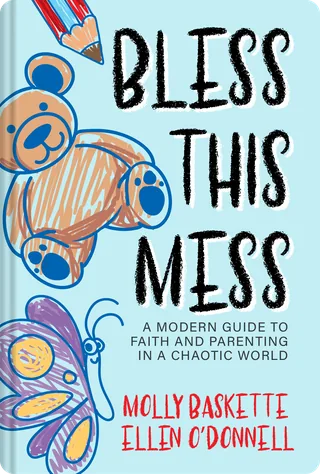
12Bless This Mess

Bless This Mess

Molly Baskette and Ellen O’Donnell

Build a loving home through kindness, curiosity, and acceptance, where imperfection is embraced and every family member can grow authentically.

19 min

Listen to the intro

1:06

What is Bless This Mess about?

Bless This Mess (2019) is a guide for parents who want to raise kind, resilient, and grounded children in a busy and uncertain world. Molly Baskette and Ellen O’Donnell combine insights from faith and child psychology to address topics such as screen time, stress, family routines, gratitude, and forgiveness. The book reassures parents that they do not need to be perfect to create a loving home.

Who should read Bless This Mess?

  • Parents who feel pressure to be perfect
  • Mothers and fathers raising kind, resilient children today
  • Families seeking calmer routines amid screens and stress
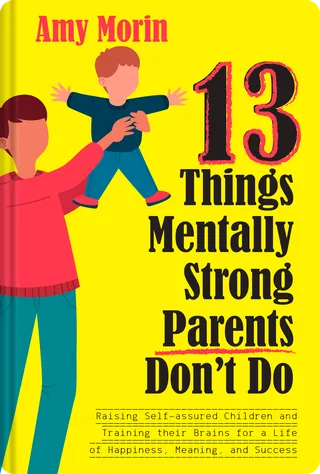
1313 Things Mentally Strong Parents Don’t Do

13 Things Mentally Strong Parents Don’t Do

Amy Morin

Avoid common parenting traps and respond to stress and misbehaviour in ways that build confidence, resilience, and independence.

19 min

Listen to the intro

1:11

What is 13 Things Mentally Strong Parents Don’t Do about?

13 Things Mentally Strong Parents Don’t Do (2017) explains how parents can raise children who are resilient, confident, and able to handle life’s challenges. Amy Morin describes common habits that can hold children back, such as rescuing them from every problem, avoiding discipline, or making them the centre of the universe. She offers practical strategies for teaching children to manage emotions, solve problems, and learn from mistakes.

Who should read 13 Things Mentally Strong Parents Don’t Do?

  • Parents who tend to rescue kids from every problem
  • Mothers and fathers struggling with discipline and misbehavior
  • Anyone raising confident, resilient and independent children
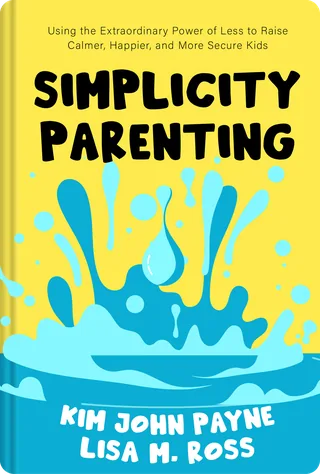
14Simplicity Parenting

Simplicity Parenting

Kim John Payne and Lisa Ross

Simplify your child’s environment and routines to reduce stress and create more space for creativity, connection, and family happiness.

14 min

Listen to the intro

1:06

What is Simplicity Parenting about?

Simplicity Parenting (2009) argues that many children today are overwhelmed by too many toys, activities, choices, and too much information. Kim John Payne and Lisa Ross show how simplifying four areas of family life, the home environment, daily rhythms, schedules, and exposure to adult concerns, can help children feel calmer, happier, and more secure. The book offers practical steps for creating a slower, more connected family life.

Who should read Simplicity Parenting?

  • Parents whose children seem anxious, restless or overwhelmed
  • Families stretched thin by packed weekly schedules
  • Anyone wanting a calmer, more connected home life
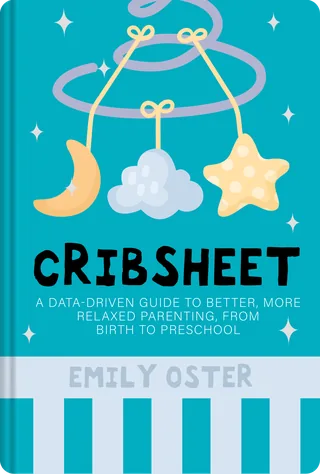
15Cribsheet

Cribsheet

Emily Oster

Navigate early parenthood with research-backed guidance on sleep, feeding, and development that replaces guilt and guesswork with confidence.

20 min

Listen to the intro

1:06

What is Cribsheet about?

Cribsheet (2019) helps parents make confident decisions in the early years of their child’s life by looking closely at the evidence. Emily Oster, an economist, examines common questions such as breastfeeding, sleep training, screen time, daycare, and early learning. Instead of telling parents what to do, she shows what the research really says so they can choose what works best for their own family.

Who should read Cribsheet?

  • New parents overwhelmed by conflicting baby advice
  • Parents who want evidence behind feeding and sleep choices
  • Anyone weighing daycare and screen time decisions
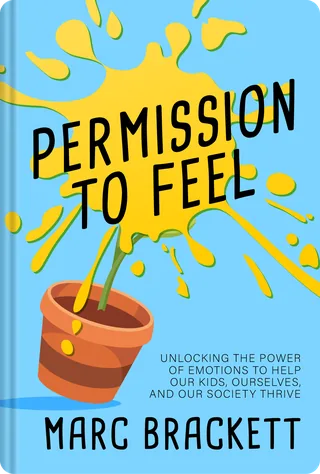
16Permission to Feel

Permission to Feel

Marc Brackett

Build emotional intelligence to express feelings clearly, strengthen relationships, improve learning, and feel more confident and connected.

20 min

Listen to the intro

1:04

What is Permission to Feel about?

Permission to Feel (2019) argues that emotions are essential information, not weaknesses to be hidden. Marc Brackett presents the RULER approach, which teaches people to recognise, understand, label, express, and regulate their emotions. He explains how these skills improve learning, relationships, health, and performance, and shows how parents, teachers, and leaders can help others develop emotional intelligence.

Who should read Permission to Feel?

  • Parents who want to raise emotionally healthy children
  • Teachers who want calmer, more engaged classrooms
  • Anyone who struggles to name or manage feelings
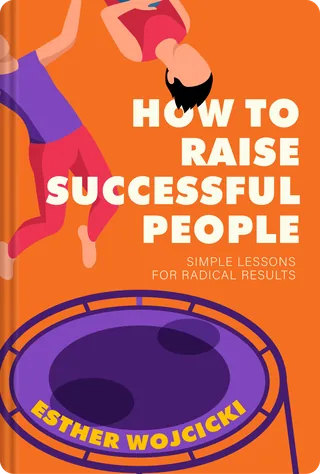
17How to Raise Successful People

How to Raise Successful People

Esther Wojcicki

Raise confident, independent thinkers by trusting children more, controlling less, and encouraging responsibility through stronger communication.

21 min

Listen to the intro

2:15

What is How to Raise Successful People about?

How to Raise Successful People (2019) shares the parenting principles of a teacher and mother whose approach emphasises trust, respect, independence, collaboration, and kindness. Esther Wojcicki argues that children thrive when parents give them responsibility early, encourage curiosity, and allow them to learn from their mistakes. She draws on her own family life and decades of teaching experience.

Who should read How to Raise Successful People?

  • Parents who want confident, independent children
  • Teachers seeking to build student trust and responsibility
  • Anyone raising children who wants to control less
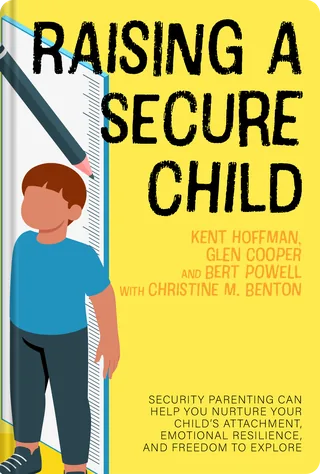
18Raising a Secure Child

Raising a Secure Child

Kent Hoffman, Glen Cooper and Bert Powell with Christine M. Benton

Create a secure bond with your child through presence, empathy, and consistent care that nurture confidence and lifelong well-being.

14 min

Listen to the intro

1:20

What is Raising a Secure Child about?

Raising a Secure Child (2017) introduces the Circle of Security, a well-known approach that helps parents build a strong and trusting bond with their children. Kent Hoffman, Glen Cooper and Bert Powell with Christine M. Benton explain how children need both a secure base from which to explore and a safe haven to return to, and how parents can respond to their needs without having to be perfect.

Who should read Raising a Secure Child?

  • Parents who want a stronger bond with their children
  • New parents worried about getting everything right
  • Teachers and caregivers supporting young children's emotional needs
19Raising Critical Thinkers

Raising Critical Thinkers

Julie Bogart

Raise thoughtful children who question confidently, evaluate information clearly, and approach difficult issues with compassion and respect.

17 min

Listen to the intro

1:15

What is Raising Critical Thinkers about?

Raising Critical Thinkers (2022) gives parents practical ways to help children think for themselves in a world full of information and opinions. Julie Bogart explains how to encourage curiosity, help kids examine their own assumptions, understand different viewpoints, and evaluate sources carefully. With activities for different ages, the book shows how everyday conversations, reading, and play can build strong thinking skills.

Who should read Raising Critical Thinkers?

  • Parents who want children to think for themselves
  • Teachers helping students evaluate information and sources wisely
  • Families seeking everyday activities that build thinking skills
20The Whole-Brain Child

The Whole-Brain Child

Daniel J. Siegel and Tina Payne Bryson

Understand your child’s developing brain and turn big emotions into opportunities for stronger communication, resilience, and growth.

15 min

Listen to the intro

1:02

What is The Whole-Brain Child about?

The Whole-Brain Child (2011) explains how a child’s developing brain works and how parents can use everyday moments to help children grow emotionally healthy. Daniel J. Siegel and Tina Payne Bryson present twelve practical strategies for helping the logical and emotional parts of the brain work together, such as naming big feelings to calm them. The book turns difficult moments into opportunities for connection and growth.

Who should read The Whole-Brain Child?

  • Parents who want to handle tantrums with calm and understanding
  • Teachers and caregivers working daily with young children
  • Anyone curious about how a child's brain develops

Related topics

Questions about Family Life

What is a good book to start with on family life?

The Whole-Brain Child is a clear starting point, showing how a child's developing brain shapes behaviour and how to turn emotional moments into chances for growth. For parents worried about screens, The Anxious Generation explains how to protect childhood through real-world play and connection.

What will I learn from family life books?

You will learn how children think and feel at different ages, how to guide them through difficult emotions, and how to encourage confidence and responsibility. Titles such as No-Drama Discipline and How to Raise Successful People offer practical approaches to discipline, communication and independence.

Who are these summaries for?

They are for mothers, fathers, grandparents and caregivers who want a calmer, closer home and more confident children. Teachers and anyone supporting young people, including those with attention difficulties, will also find useful ideas in books like Scattered Minds and The Teenage Brain.

Get the key ideas from the world's best books in about 15 minutes

Free account · One free summary every day