Get started

Topic

The best 93 Modern Political Issues summaries

Modern Political Issues gathers books that explain the conflicts, leaders and power struggles shaping today's world, from Palestine and Syria to the rivalry between the United States, China and Russia, giving readers in the region a clearer view of events that touch their daily lives. The collection mixes firsthand memoirs, biographies of statesmen such as Nasser, Sadat and King Faisal, and sharp analyses of empire, surveillance and global power. Read together, these summaries help you follow the news with deeper context, weigh competing narratives with care, and form your own informed views on the questions that matter in our time.

1Yasser Arafat: A Political Biography

Yasser Arafat: A Political Biography

Alan Hart

Examine Yasser Arafat’s leadership of the Palestinian national movement, and how his strategies and pivotal decisions shaped both his legacy and the modern Middle East.

19 min

Listen to the intro

1:20

What is Yasser Arafat: A Political Biography about?

Yasser Arafat: A Political Biography (1989) traces the life and political development of Yasser Arafat from his early years and the founding of Fatah to his leadership of the Palestine Liberation Organization. Drawing on interviews, personal access, and historical events, Alan Hart examines Arafat’s efforts to unite competing Palestinian factions, survive regional conflicts, and gain international recognition for the Palestinian cause. The book presents his gradual evolution from the leader of an armed national liberation movement into a political figure increasingly willing to pursue diplomacy and negotiations.

Who should read Yasser Arafat: A Political Biography?

  • Readers curious about the history of the Palestinian cause
  • Students of Middle Eastern politics and modern history
  • Anyone curious how leaders shift from armed struggle to diplomacy
2Saving Aziz

Saving Aziz

Chad Robichaux with David L. Thomas

Witness a daring mission to rescue an Afghan friend during the 2021 withdrawal, revealing the power of loyalty, courage, faith, and compassionate action.

17 min

Listen to the intro

1:19

What is Saving Aziz about?

Saving Aziz (2022) tells the story of a daring effort to rescue an Afghan friend during the 2021 withdrawal of American forces from Afghanistan. Former Marine Chad Robichaux describes how a mission to save Aziz, the interpreter who had served beside him, grew into an operation that helped thousands of people escape. The book reflects on loyalty, courage, and keeping promises.

Who should read Saving Aziz?

  • Readers drawn to true stories of courage under pressure
  • Anyone who values loyalty and keeping promises to friends
  • Volunteers and aid workers interested in humanitarian rescue efforts
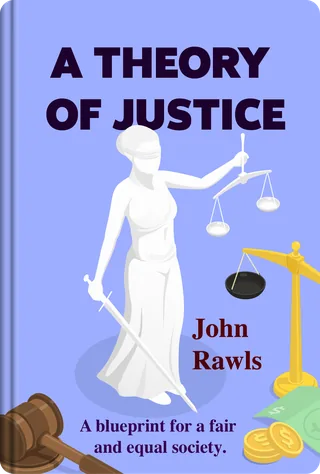
3A Theory of Justice

A Theory of Justice

John Rawls

Imagine a fair society built without privilege, where impartial laws protect freedom and recognise every person as a moral equal.

14 min

Listen to the intro

1:43

What is A Theory of Justice about?

A Theory of Justice (1971) is one of the most important works of political philosophy of the twentieth century. John Rawls asks what principles a fair society should follow, and invites readers to imagine choosing them from behind a veil of ignorance, without knowing their own place in society. He argues for equal basic liberties for all and for arranging inequalities so that they benefit the least advantaged.

Who should read A Theory of Justice?

  • Students of political philosophy, law or ethics
  • Policymakers shaping fairer laws and public institutions
  • Anyone who wonders what makes a society truly just
4Dark Towers

Dark Towers

David Enrich

Enter the hidden world of a powerful bank where risky deals, secrecy, and political influence expose the dangers of unchecked power.

16 min

Listen to the intro

0:45

What is Dark Towers about?

Dark Towers (2020) investigates the history of Deutsche Bank, one of the world’s largest banks, and how its pursuit of growth led to a long series of scandals. David Enrich describes risky deals, weak oversight, and the bank’s lending relationship with Donald Trump over many years. The book shows how a culture that rewarded profit above caution damaged a major institution.

Who should read Dark Towers?

  • Finance professionals curious about how big banks go wrong
  • Leaders building cultures that balance profit with caution
  • Readers who enjoy investigative stories of corporate scandal
5Gentle and Lowly

Gentle and Lowly

Dane Ortlund

Experience Jesus as gentle and compassionate, finding rest, grace, and comfort in a faith that embraces human weakness.

14 min

Listen to the intro

1:53

What is Gentle and Lowly about?

Gentle and Lowly (2020) examines the compassion and mercy at the heart of Christian teachings about Jesus. It offers reassurance to readers facing weakness or hardship and emphasises the importance of approaching faith with trust and humility.

Who should read Gentle and Lowly?

  • Christians who feel weighed down by their own failings
  • Anyone facing hardship who longs for comfort and rest
  • Readers curious about Christian teachings on mercy and compassion
6The Zone of Interest

The Zone of Interest

Martin Amis

Enter the machinery of totalitarian power and witness how ordinary people adapt to cruelty, denial, and moral corruption while claiming innocence.

15 min

Listen to the intro

1:46

What is The Zone of Interest about?

The Zone of Interest (2014) is a novel set in a Nazi concentration camp during the Second World War. Martin Amis tells the story through three narrators, including a camp commander and a prisoner forced to work in the camp, to show how ordinary people take part in or adapt to terrible crimes. The novel explores moral responsibility and the capacity for cruelty, and inspired an award-winning film in 2023.

Who should read The Zone of Interest?

  • Readers drawn to literary fiction about moral responsibility
  • Anyone curious how ordinary people become complicit in atrocity
  • Viewers of the 2023 film seeking its source
7Get It Together

Get It Together

Jesse Watters

Find clarity amid media and cultural pressure by facing challenges with discipline and taking ownership of your choices.

17 min

Listen to the intro

1:49

What is Get It Together about?

Get It Together (2021) is a conservative commentator’s take on American politics, media, and culture. Jesse Watters combines humour, interviews, and personal stories to criticise what he sees as the excesses of progressive politics and to argue for common sense, personal responsibility, and traditional values. The book reflects the style that made him a familiar voice on American cable television.

Who should read Get It Together?

  • Readers curious about conservative views on American culture
  • Anyone who values personal responsibility and common sense
  • Media followers interested in American political commentary
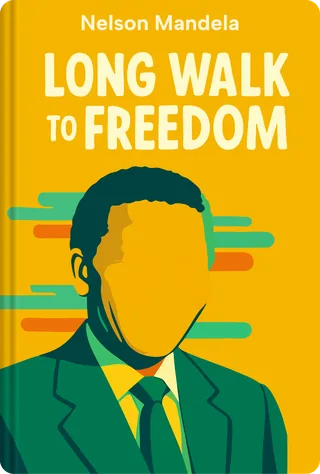
8Long Walk to Freedom

Long Walk to Freedom

Nelson Mandela

Follow Nelson Mandela’s journey from 27 years in prison to South Africa’s presidency, revealing the courage, forgiveness, and resilience behind his fight for freedom.

15 min

Listen to the intro

0:54

What is Long Walk to Freedom about?

Long Walk to Freedom (1994) is the autobiography of Nelson Mandela, who led the struggle against apartheid in South Africa. He describes his childhood, his education and work as a lawyer, his political activism, and his twenty-seven years in prison, followed by his release and election as the country’s first democratically elected president. The book is an inspiring story of courage, perseverance, and reconciliation.

Who should read Long Walk to Freedom?

  • Readers inspired by true stories of courage and perseverance
  • Leaders seeking lessons in forgiveness and reconciliation
  • Anyone interested in South Africa's struggle against apartheid
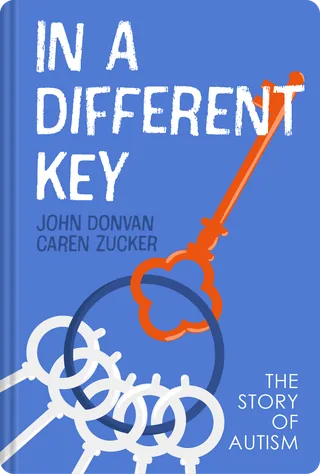
9In a Different Key

In a Different Key

John Donvan and Caren Zucker

Trace the history of autism through the people who challenged misconceptions and fought for greater understanding, dignity, and acceptance.

16 min

Listen to the intro

0:55

What is In a Different Key about?

In a Different Key (2016) tells the history of autism, from the first child to be formally diagnosed in the United States to the present day. John Donvan and Caren Zucker describe how understanding of autism changed over time, the doctors and researchers who shaped it, and the parents and advocates who fought for acceptance, education, and rights. The book was a finalist for the Pulitzer Prize.

Who should read In a Different Key?

  • Parents and families of children on the autism spectrum
  • Teachers and therapists who work with autistic individuals
  • Readers curious about how medicine and society understand difference
10Hawai’i

Hawai’i

Sumner La Croix

Trace Hawaii’s transformation from ancient kingdom to modern state, shaped by outside forces, economic change, culture, and local resilience.

21 min

Listen to the intro

1:23

What is Hawai’i about?

Hawai’i (2019) tells the economic and political history of the Hawaiian Islands over eight hundred years. Sumner La Croix explains how Hawaiian society was organised before contact with outsiders, how trade, sugar plantations, and foreign influence transformed the islands, and how Hawai’i became part of the United States. The book shows how land, power, and institutions shaped the islands’ development.

Who should read Hawai’i?

  • History readers curious about Pacific island kingdoms
  • Economics students exploring how institutions shape nations
  • Anyone interested in land, power and foreign influence
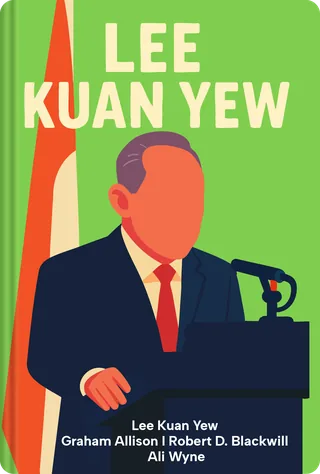
11Lee Kuan Yew

Lee Kuan Yew

Lee Kuan Yew, Graham Allison, Robert D. Blackwill and Ali Wyne

Enter Lee Kuan Yew’s strategic mind through sharp insights on China, the United States, global power, economic development, and leadership.

20 min

Listen to the intro

1:23

What is Lee Kuan Yew about?

Lee Kuan Yew (2013) gathers the views of Lee Kuan Yew, Singapore’s founding prime minister, on China, the United States, globalisation, democracy, and leadership. Drawn from his speeches, interviews, and writings, the book presents his direct assessments of the forces shaping the world. The editors organise his insights into clear themes for leaders and general readers.

Who should read Lee Kuan Yew?

  • Policymakers navigating the rivalry between China and the US
  • Leaders seeking lessons from Singapore's rise to prosperity
  • Anyone curious how a statesman reads global power shifts
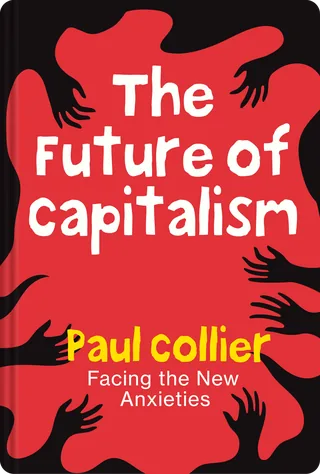
12The Future of Capitalism

The Future of Capitalism

Paul Collier

Reimagine capitalism through practical reforms that reduce division, restore shared prosperity, and strengthen responsibility and community.

17 min

Listen to the intro

1:31

What is The Future of Capitalism about?

The Future of Capitalism (2018) examines the deep divisions that have opened up in modern societies between cities and struggling regions, between the highly educated and others, and between rich and poor countries. Paul Collier argues that capitalism can still work for everyone if it is guided by shared values, mutual obligation, and practical policies. He offers ideas for restoring fairness and a sense of common purpose.

Who should read The Future of Capitalism?

  • Policymakers seeking practical ways to heal social divides
  • Business leaders rethinking their duty to wider society
  • Anyone troubled by growing gaps between rich and poor
13Dune

Dune

Frank Herbert

Enter a brutal desert world where Paul Atreides confronts power, faith, and destiny as rival forces battle for its most valuable resource.

18 min

Listen to the intro

1:48

What is Dune about?

Dune (1965) is a science fiction novel set on Arrakis, a harsh desert planet that is the only source of a valuable substance called spice. After his family is betrayed, young Paul Atreides flees into the desert and joins its native people, the Fremen, as rival powers fight for control of the planet. The novel explores power, politics, religion, ecology, and destiny, and is one of the best-selling science fiction books ever written.

Who should read Dune?

  • Science fiction fans seeking a timeless epic
  • Readers curious about power, politics, and resource conflicts
  • Anyone drawn to desert worlds and survival stories
14Moneyland

Moneyland

Oliver Bullough

Enter the hidden world where the ultra-rich move wealth beyond laws and borders, fuelling corruption and weakening democracy.

18 min

Listen to the intro

1:03

What is Moneyland about?

Moneyland (2018) reveals how wealthy and corrupt individuals hide their money across borders using offshore companies, secret accounts, and legal loopholes. Oliver Bullough calls this hidden world Moneyland, a place where rules for ordinary people do not apply to the very rich. He explains the harm this causes to countries and ordinary citizens and what can be done to stop it.

Who should read Moneyland?

  • Readers curious how the ultra-rich hide their wealth
  • Finance, law and compliance professionals fighting financial crime
  • Anyone concerned about corruption and its cost to society
15On Palestine

On Palestine

Noam Chomsky and Ilan Pappé

Examine Palestine’s past, present, and future through a critical dialogue on occupation, displacement, global politics, justice, equality, and peace.

21 min

Listen to the intro

1:12

What is On Palestine about?

On Palestine (2015) brings together conversations and reflections by Noam Chomsky and Ilan Pappé on Palestinian history, rights, and the continuing search for justice and peace. The authors examine the conditions in Gaza and the West Bank, the influence of international powers, and the ways media and political language shape public understanding of the situation. The book also considers how education, international solidarity, and peaceful civic action can contribute to a more just future.

Who should read On Palestine?

  • Readers seeking a deeper understanding of the Palestinian cause
  • Students of history, politics, and international relations
  • Anyone curious how media shapes views on Palestine
16The Gulag Archipelago 1918-1956

The Gulag Archipelago 1918-1956

Aleksandr Solzhenitsyn

Enter the brutal world of Stalin’s Soviet labour camps through survivor testimony, historical investigation, and a powerful defence of truth, conscience, and human resilience.

19 min

Listen to the intro

1:38

What is The Gulag Archipelago 1918-1956 about?

The Gulag Archipelago 1918-1956 (1973) is a powerful account of the Soviet system of forced labour camps. Drawing on his own years as a prisoner and the testimony of hundreds of others, Aleksandr Solzhenitsyn describes arrests, interrogations, and life in the camps, revealing the scale of suffering under Soviet rule. The book had a major impact on how the world understood the Soviet Union.

Who should read The Gulag Archipelago 1918-1956?

  • History readers curious about Soviet rule under Stalin
  • Anyone who values truth and conscience under pressure
  • Readers seeking stories of human endurance through suffering
17Good Economics for Hard Times

Good Economics for Hard Times

Abhijit Banerjee and Esther Duflo

Cut through economic myths with evidence and human stories that reveal practical paths toward fairer, more resilient societies.

15 min

Listen to the intro

0:47

What is Good Economics for Hard Times about?

Good Economics for Hard Times (2019) applies careful economic research to some of today’s most debated issues, including immigration, trade, economic growth, inequality, and climate change. Abhijit Banerjee and Esther Duflo show that many popular beliefs about these topics are not supported by evidence, and offer practical, humane ideas for policies that could improve people’s lives and restore trust.

Who should read Good Economics for Hard Times?

  • Policymakers seeking evidence-based solutions to social problems
  • Readers curious about immigration, trade and inequality debates
  • Anyone who questions popular economic myths and assumptions
18A Woman in the Crossfire

A Woman in the Crossfire

Samar Yazbek

Witness Syria’s 2011 uprising through Samar Yazbek’s firsthand account of peaceful protest, brutal repression, ordinary courage, and war’s human cost.

19 min

Listen to the intro

1:55

What is A Woman in the Crossfire about?

A Woman in the Crossfire (2012) is Samar Yazbek’s diary of the first months of the Syrian uprising in 2011. Moving between demonstrations, hospitals, and conversations with ordinary people, she records the fear, courage, and suffering she witnessed as peaceful protests were met with force. The book won the PEN Pinter Prize for an International Writer of Courage and offers a powerful firsthand account of a turning point in Syria’s history.

Who should read A Woman in the Crossfire?

  • Readers seeking firsthand accounts of Syria's 2011 uprising
  • Journalists and writers interested in reporting under pressure
  • Anyone seeking the human stories behind news headlines
19The War on Normal People

The War on Normal People

Andrew Yang

Understand how automation is reshaping work and widening inequality, and explore practical ways to rebuild opportunity in a changing economy.

18 min

Listen to the intro

1:16

What is The War on Normal People about?

The War on Normal People (2018) warns that automation and artificial intelligence are rapidly replacing millions of jobs, especially for workers without college degrees. Andrew Yang describes how this shift is already affecting communities and argues that society must respond with new ideas. He makes the case for a universal basic income and a more human-centred economy that values people beyond their jobs.

Who should read The War on Normal People?

  • Workers worried about automation replacing their jobs
  • Policymakers exploring universal basic income and economic reform
  • Anyone curious how AI will reshape communities
20The Righteous Mind

The Righteous Mind

Jonathan Haidt

Decode why good people disagree by exploring the moral instincts behind fairness, loyalty, authority, purity, liberty, politics, and religion.

19 min

Listen to the intro

1:27

What is The Righteous Mind about?

The Righteous Mind (2012) explores why good people are divided by politics and religion. Social psychologist Jonathan Haidt argues that moral judgements come mainly from intuition, with reasoning following afterward, and describes several moral foundations, including care, fairness, loyalty, authority, and sanctity, that different groups emphasise in different ways. The book encourages readers to understand opposing views with greater empathy.

Who should read The Righteous Mind?

  • Anyone puzzled by heated disagreements over politics and religion
  • Leaders who want to bridge divides within diverse teams
  • Readers curious about the psychology behind moral judgments

Related topics

Questions about Modern Political Issues

What is a good book to start with on modern political issues?

A strong starting point is On Palestine, which offers a concise and critical dialogue on occupation, displacement and justice. If you prefer the story of a leader, Nasser: The Last Arab gives a balanced portrait of a figure whose influence still shapes the Middle East.

What will I learn from modern political issues books?

You will learn how leaders make decisions under pressure, how wars and revolutions affect ordinary people, and how great powers compete for influence. Titles like New Cold Wars and The Age of Surveillance Capitalism also show how technology and information are reshaping politics today.

Who are these summaries for?

They suit any reader who wants to understand current events beyond the headlines, whether a student, a professional or a curious citizen. Those interested in the region's own story will find personal accounts such as I Saw Ramallah and Desert Warrior especially rewarding.

Get the key ideas from the world's best books in about 15 minutes

Free account · One free summary every day