Get started

Topic

The best 107 Policy & Governance summaries

Policy and governance is about how states are built, led and held together, from the counsel of ancient advisers to the decisions of modern presidents, chancellors and kings, and it helps readers in the region make sense of the choices that shape their own societies and neighbourhoods. The books here range from classic works of statecraft such as The Muqaddimah and The Arthashastra to portraits of leaders like King Faisal, Lee Kuan Yew and Angela Merkel, alongside histories of wars, empires and the long question of Palestine. Readers can use these ideas to judge leadership more clearly, understand why nations rise or falter, and follow current affairs with deeper historical context.

1Orientalism

Orientalism

Edward W. Said

Uncover how Western portrayals of the East created enduring stereotypes and turned knowledge into an instrument of political and cultural power.

21 min

Listen to the intro

2:30

What is Orientalism about?

Orientalism (1978) is one of the most influential books of the twentieth century. Edward W. Said shows how Western scholars, writers, and politicians created a distorted image of the Arab and Islamic world, presenting it as mysterious, backward, and in need of Western control. He argues that this way of seeing supported colonial power, and his work changed how the world studies culture, history, and the Middle East.

Who should read Orientalism?

  • Students of history, politics, or Middle Eastern studies
  • Readers curious how the West came to see Arabs and Muslims
  • Anyone who questions Western stereotypes about the Muslim world
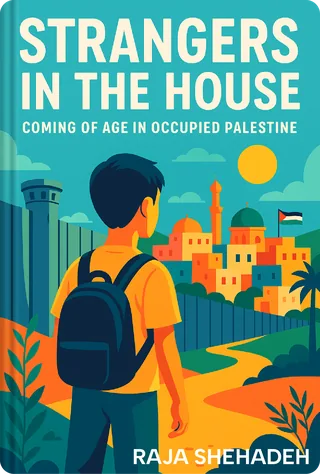
2Strangers in the House

Strangers in the House

Raja Shehadeh

Experience life in occupied Ramallah through a moving memoir of family, identity, resistance, and a son’s complex bond with his politically active father.

18 min

Listen to the intro

1:28

What is Strangers in the House about?

Strangers in the House (2002) is Raja Shehadeh’s memoir of growing up in Ramallah and coming of age under Israeli occupation. He describes his complex relationship with his father, a prominent lawyer who was killed in 1985, and his own decision to follow him into law. The book explores family, memory, exile, and the daily realities of life under occupation.

Who should read Strangers in the House?

  • Readers curious about daily life in occupied Palestine
  • Sons and daughters with complex bonds to their fathers
  • Law students drawn to justice and human rights
3Destiny Disrupted

Destiny Disrupted

Tamim Ansary

Revisit world history through the rise, ideas, and influence of Islamic civilisation, revealing its vital role in humanity’s shared story.

24 min

Listen to the intro

1:10

What is Destiny Disrupted about?

Destiny Disrupted (2009) retells world history from the perspective of the Islamic world. Beginning with the life of Prophet Muhammad (PBUH) and the early Muslim community, Tamim Ansary traces the rise of Islamic civilisation, its achievements in science and culture, its encounters with Europe, and the challenges of the modern era. The book helps readers understand how Muslims have seen their own history.

Who should read Destiny Disrupted?

  • History lovers seeking a non-Western view of the past
  • Anyone curious how Muslims understand their own history
  • Students exploring Islamic civilization's role in world history
4Dune

Dune

Frank Herbert

Enter a brutal desert world where Paul Atreides confronts power, faith, and destiny as rival forces battle for its most valuable resource.

18 min

Listen to the intro

1:48

What is Dune about?

Dune (1965) is a science fiction novel set on Arrakis, a harsh desert planet that is the only source of a valuable substance called spice. After his family is betrayed, young Paul Atreides flees into the desert and joins its native people, the Fremen, as rival powers fight for control of the planet. The novel explores power, politics, religion, ecology, and destiny, and is one of the best-selling science fiction books ever written.

Who should read Dune?

  • Science fiction fans seeking a timeless epic
  • Readers curious about power, politics, and resource conflicts
  • Anyone drawn to desert worlds and survival stories
5World Order

World Order

Henry Kissinger

Understand how diplomacy, power, ideology, and national interests have shaped global order across civilisations and history.

17 min

Listen to the intro

1:02

What is World Order about?

World Order (2014) examines how different civilisations have understood international order and why the world struggles to agree on shared rules today. Henry Kissinger traces the European balance-of-power system that grew out of the Peace of Westphalia, and compares it with the traditions of Asia, the Middle East, and the United States. The book asks how a stable global order can be built in an age of rising powers and new technologies.

Who should read World Order?

  • Students of international relations and diplomatic history
  • Diplomats and policymakers navigating a shifting global landscape
  • Anyone curious why nations struggle to agree today
6For a New Liberty

For a New Liberty

Murray Rothbard

Rethink the limits of government through a bold libertarian vision built on individual freedom, voluntary exchange, and market-led institutions.

16 min

Listen to the intro

1:02

What is For a New Liberty about?

For a New Liberty (1973) presents a detailed case for libertarianism, the view that individual liberty and voluntary exchange should replace most functions of government. Murray Rothbard argues that services such as education, roads, and security could be provided through private markets, and applies this approach to economic and social issues. The book is considered a founding text of modern libertarian thought.

Who should read For a New Liberty?

  • Students of political philosophy exploring libertarian thought
  • Economics readers curious about markets providing public services
  • Anyone questioning how far government power should extend
7A Passion for Leadership

A Passion for Leadership

Robert Gates

Transform slow, broken organisations from within by cutting bureaucracy, empowering people, and leading with clarity and courage.

19 min

Listen to the intro

1:44

What is A Passion for Leadership about?

A Passion for Leadership (2016) shares lessons on reforming large organisations, drawn from Robert Gates’s fifty years of public service. He explains how leaders can bring real change to big institutions by setting a clear vision, building support, listening to people at every level, and treating employees with respect. The practical advice applies to government agencies, universities, and businesses alike.

Who should read A Passion for Leadership?

  • Leaders tasked with reforming large, slow-moving institutions
  • Government officials seeking to cut bureaucracy and red tape
  • Managers who want to drive change through their people
8Empire

Empire

Niall Ferguson

Examine how the British Empire shaped globalisation, capitalism, politics, and culture while leaving a lasting legacy of achievement, exploitation, and injustice.

24 min

Listen to the intro

1:12

What is Empire about?

Empire (2003) offers a sweeping history of the British Empire and its role in shaping the modern world. Niall Ferguson examines how the empire spread trade, capital, language, law, and systems of government, while also discussing slavery, famine, and violence carried out in its name. The book presents a much-debated argument about the empire’s lasting legacy.

Who should read Empire?

  • History lovers curious about how Britain shaped today's world
  • Students of colonialism weighing its achievements against its injustices
  • Readers interested in the roots of globalization and capitalism
9Revenge of the Tipping Point

Revenge of the Tipping Point

Malcolm Gladwell

Understand how ideas and behaviours spread through social media and complex networks, and why small actions can spark sweeping social change under the right conditions.

19 min

Listen to the intro

1:52

What is Revenge of the Tipping Point about?

Revenge of the Tipping Point (2024) revisits the ideas of Malcolm Gladwell’s first book to examine the darker side of social epidemics. Through stories that include a wave of bank robberies, medical fraud, and the opioid crisis, Gladwell explores how small groups of people, the proportions within communities, and the shared narratives he calls overstories can drive trends to spread, and how understanding these forces can help societies intervene.

Who should read Revenge of the Tipping Point?

  • Policymakers trying to curb harmful social trends
  • Marketers studying how ideas spread through networks
  • Readers who enjoyed Gladwell's original The Tipping Point
10How Economics Explains the World

How Economics Explains the World

Andrew Leigh

Decode everyday choices, global trends, and social change through economic ideas that reveal the hidden forces shaping human behaviour.

23 min

Listen to the intro

2:07

What is How Economics Explains the World about?

How Economics Explains the World (2024) uses economics to tell the story of human history, from the first farmers and early trade to the industrial revolution and the modern global economy. Andrew Leigh shows how ideas such as incentives, specialisation, and innovation help explain why some societies grew rich and others did not. The book is a short, lively introduction to economic history.

Who should read How Economics Explains the World?

  • History lovers curious how wealth shaped civilizations
  • Beginners wanting a lively introduction to economic ideas
  • Anyone wondering why some nations grew rich and others didn't
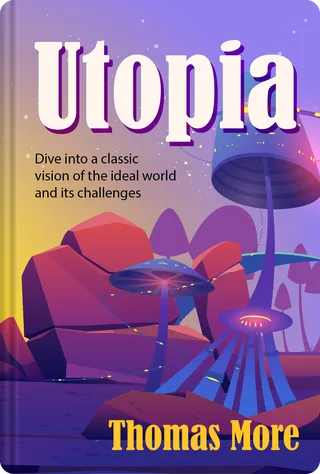
11Utopia

Utopia

Thomas More

Imagine a society built on reason, equality, and shared responsibility while rethinking justice, power, and human nature.

16 min

Listen to the intro

1:11

What is Utopia about?

Utopia (1516) describes an imaginary island society organised around reason, shared property, religious tolerance, and the common good. Through the traveller Raphael Hythloday, Thomas More contrasts this ideal community with the injustice, greed, and inequality of sixteenth-century Europe. The book gave the world the word utopia and remains a lasting inspiration for debates about the perfect society and its dangers.

Who should read Utopia?

  • Students of political philosophy and the history of ideas
  • Readers curious about what makes a society truly just
  • Anyone weighing the promise and dangers of ideal societies
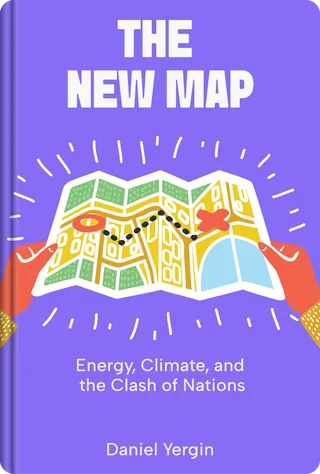
12The New Map

The New Map

Daniel Yergin

See how oil, gas, renewables, and technology are reshaping global power and driving the geopolitical tensions of a new era.

19 min

Listen to the intro

0:47

What is The New Map about?

The New Map (2020) explains how energy is reshaping global politics and the balance of power. Daniel Yergin examines the American shale revolution, the rivalry between the United States, China, and Russia, the changing geopolitics of the Middle East, and the rise of electric cars and renewable energy. The book shows how the race for energy and the push to address climate change are redrawing the map of the world.

Who should read The New Map?

  • Energy professionals tracking shifts in oil and gas markets
  • Anyone curious about rivalry between the US, China and Russia
  • Readers wanting to understand the Middle East's changing role
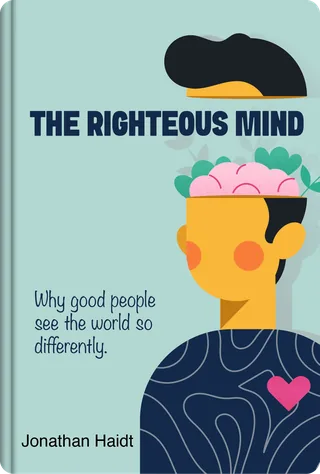
13The Righteous Mind

The Righteous Mind

Jonathan Haidt

Decode why good people disagree by exploring the moral instincts behind fairness, loyalty, authority, purity, liberty, politics, and religion.

19 min

Listen to the intro

1:27

What is The Righteous Mind about?

The Righteous Mind (2012) explores why good people are divided by politics and religion. Social psychologist Jonathan Haidt argues that moral judgements come mainly from intuition, with reasoning following afterward, and describes several moral foundations, including care, fairness, loyalty, authority, and sanctity, that different groups emphasise in different ways. The book encourages readers to understand opposing views with greater empathy.

Who should read The Righteous Mind?

  • Anyone puzzled by heated disagreements over politics and religion
  • Leaders who want to bridge divides within diverse teams
  • Readers curious about the psychology behind moral judgments
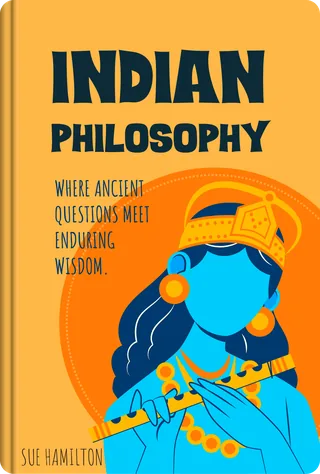
14Indian Philosophy

Indian Philosophy

Sue Hamilton

Journey through Indian philosophy to explore the mind, suffering, liberation, and timeless insights into the self and reality.

20 min

Listen to the intro

1:31

What is Indian Philosophy about?

Indian Philosophy (2001) is a short introduction to the major schools of thought that developed in ancient and classical India. Sue Hamilton explains how thinkers in the Hindu, Buddhist, and Jain traditions approached questions about knowledge, the self, reality, and the path to liberation from suffering. The book presents these ideas clearly for readers new to the subject and shows how they differ from Western philosophy.

Who should read Indian Philosophy?

  • Students new to philosophy beyond the Western tradition
  • Readers curious how Hindu, Buddhist and Jain thinkers reasoned
  • Anyone comparing Eastern and Western ideas about knowledge and reality
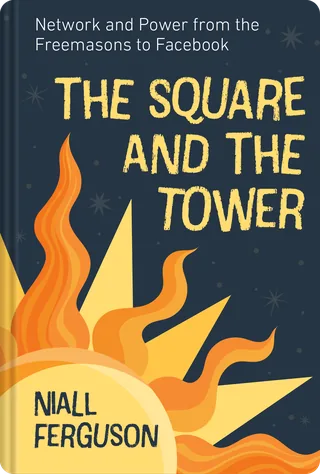
15The Square and the Tower

The Square and the Tower

Niall Ferguson

Uncover how hidden networks shape history and why real power often flows beyond official institutions.

17 min

Listen to the intro

1:42

What is The Square and the Tower about?

The Square and the Tower (2017) retells history as a struggle between two kinds of power: networks, symbolised by the town square where people meet freely, and hierarchies, symbolised by the tower of rulers. Niall Ferguson shows how informal networks of traders, thinkers, and revolutionaries have repeatedly challenged established authorities, and explains what this means in today’s world of social media and global connections.

Who should read The Square and the Tower?

  • History lovers curious about the forces behind major events
  • Leaders who want to understand informal influence in organizations
  • Anyone wondering how social media reshapes power today
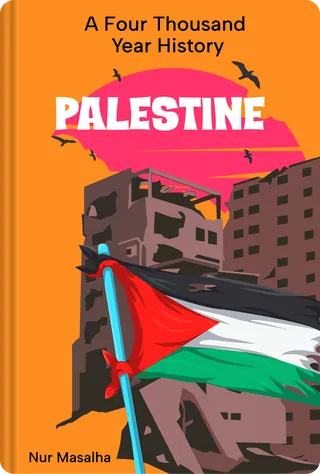
16Palestine

Palestine

Nur Masalha

Trace 4,000 years of Palestinian history, identity, and cultural continuity through archaeology, language, and historical evidence that challenge narratives of erasure.

24 min

Listen to the intro

1:25

What is Palestine about?

Palestine (2018) presents an extensive history of Palestine, tracing its name, geography, communities, and cultural identity across approximately four thousand years. Nur Masalha draws on historical records, archaeology, maps, inscriptions, and other sources to demonstrate the deep and continuous connection between the land and its people. The book offers a detailed perspective on how Palestinian identity developed through different eras while preserving its enduring historical roots.

Who should read Palestine?

  • History lovers curious about Palestine's ancient past
  • Students researching Palestinian identity and cultural heritage
  • Anyone seeking evidence that challenges narratives of erasure
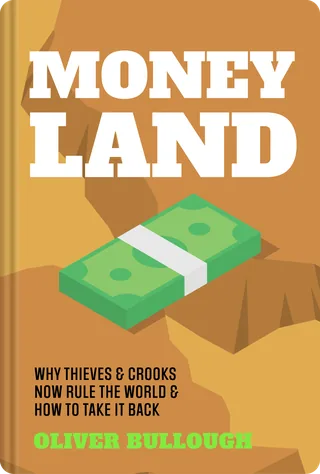
17Moneyland

Moneyland

Oliver Bullough

Enter the hidden world where the ultra-rich move wealth beyond laws and borders, fuelling corruption and weakening democracy.

18 min

Listen to the intro

1:03

What is Moneyland about?

Moneyland (2018) reveals how wealthy and corrupt individuals hide their money across borders using offshore companies, secret accounts, and legal loopholes. Oliver Bullough calls this hidden world Moneyland, a place where rules for ordinary people do not apply to the very rich. He explains the harm this causes to countries and ordinary citizens and what can be done to stop it.

Who should read Moneyland?

  • Readers curious how the ultra-rich hide their wealth
  • Finance, law and compliance professionals fighting financial crime
  • Anyone concerned about corruption and its cost to society
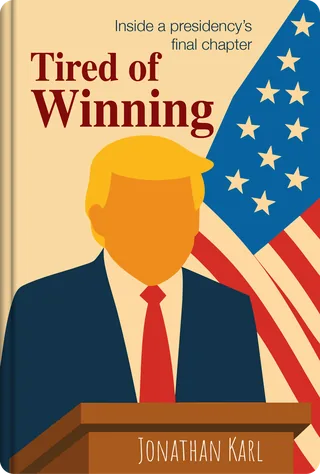
18Tired of Winning

Tired of Winning

Jonathan Karl

Examine how one leader’s enduring influence reshapes his party and nation, revealing the democratic costs of loyalty, misinformation, and division.

17 min

Listen to the intro

2:03

What is Tired of Winning about?

Tired of Winning (2023) examines Donald Trump’s continuing influence over the Republican Party after he left the White House in 2021. ABC News correspondent Jonathan Karl draws on interviews with officials and insiders to describe the party’s internal struggles, the aftermath of the 2020 election, and the events of January 6. The book explores how loyalty and political power shaped one of America’s two major parties.

Who should read Tired of Winning?

  • Readers following American politics since the 2020 election
  • Students of political parties, loyalty and power
  • Anyone curious how misinformation and division strain democracies
19The Sleepwalkers

The Sleepwalkers

Christopher Clark

Trace how nationalism, alliances, and political misjudgements led Europe into World War I while its leaders remained blind to the approaching disaster.

22 min

Listen to the intro

1:27

What is The Sleepwalkers about?

The Sleepwalkers (2012) explains how Europe went to war in 1914. Christopher Clark traces the complex web of alliances, rivalries, and decisions among the great powers in the years before the First World War, and shows how leaders on all sides, uncertain and short-sighted, stumbled into a catastrophe none of them fully intended. The book is widely praised as a masterful work of history.

Who should read The Sleepwalkers?

  • History lovers curious about how World War I began
  • Students of international relations and diplomacy
  • Leaders who want to avoid strategic blind spots
20Get It Together

Get It Together

Jesse Watters

Find clarity amid media and cultural pressure by facing challenges with discipline and taking ownership of your choices.

17 min

Listen to the intro

1:49

What is Get It Together about?

Get It Together (2021) is a conservative commentator’s take on American politics, media, and culture. Jesse Watters combines humour, interviews, and personal stories to criticise what he sees as the excesses of progressive politics and to argue for common sense, personal responsibility, and traditional values. The book reflects the style that made him a familiar voice on American cable television.

Who should read Get It Together?

  • Readers curious about conservative views on American culture
  • Anyone who values personal responsibility and common sense
  • Media followers interested in American political commentary

Related topics

Questions about Policy & Governance

What is a good book to start with on policy and governance?

The Muqaddimah is an excellent starting point, as Ibn Khaldun explains how social cohesion, leadership and economics drive the rise and fall of states. For a modern view of practical statecraft, Lee Kuan Yew offers sharp insights on development and global power.

What will I learn from policy and governance books?

You will learn how leaders make decisions under pressure, how alliances and miscalculations lead to conflict, and how institutions endure or collapse. Titles such as The Sleepwalkers and The Fate of Rome show how political choices and wider forces combine to shape history.

Who are these summaries for?

They suit students, professionals and curious readers who want to understand government, leadership and international affairs without reading every book in full. They are especially useful for anyone following regional politics, with titles like King Faisal of Saudi Arabia and Desert Warrior offering perspectives from the Arab world.

Get the key ideas from the world's best books in about 15 minutes

Free account · One free summary every day