Get started

Topic

The best 133 Productivity summaries

Productivity is about getting the right work done with less strain, a pressing need for professionals, freelancers and business owners across the region who juggle long hours, family commitments and fast-changing markets. The books here range from practical time-management and delegation guides to works on building systems in a business, working remotely, entering a state of focus and keeping calm under pressure. Readers can use these ideas to set clearer priorities, hand off low-value tasks, protect their energy and make steady progress on what matters most.

1Work Clean

Work Clean

Dan Charnas

Bring the discipline of professional kitchens to your work through focused preparation and clear systems that reduce stress and improve performance.

16 min

Listen to the intro

0:57

What is Work Clean about?

Work Clean (2016) applies the secret of professional kitchens, mise-en-place, to everyday work. Dan Charnas explains how great chefs plan ahead, arrange their spaces and tools, clean as they go, and finish what they start, and shows how anyone can use the same discipline to manage time, reduce stress, and get more done. The book turns kitchen wisdom into a practical system for organised, focused work.

Who should read Work Clean?

  • Professionals overwhelmed by scattered tasks and constant deadlines
  • Anyone wanting a practical system for organized work
  • Team leaders seeking calmer, more focused daily routines
2The Skill Code

The Skill Code

Matt Beane

Build lasting expertise through challenge, feedback, and deliberate practice, and stay valuable in a world increasingly shaped by AI.

16 min

Listen to the intro

1:31

What is The Skill Code about?

The Skill Code (2024) warns that new technologies, especially artificial intelligence and automation, can quietly block the traditional ways people learn skills from experts. Matt Beane shows that skills develop best through challenge, complexity, and connection with experienced mentors, and explains how intelligent machines can disrupt that process. He offers practical ideas for protecting and rebuilding skill development at work.

Who should read The Skill Code?

  • Managers who train and develop junior talent
  • Professionals worried about staying relevant as AI spreads
  • Learning and development leaders redesigning workplace training
3Agile Selling

Agile Selling

Jill Konrath

Stay ahead in fast-changing markets by learning quickly, adapting to buyer needs, and selling with agility, curiosity, and credibility.

21 min

Listen to the intro

1:24

What is Agile Selling about?

Agile Selling (2014) shows salespeople how to succeed when products, markets, and buyers keep changing. Jill Konrath explains how to learn new information quickly, understand buyers’ real priorities, create value in every conversation, and build a mindset that turns setbacks into progress. The book is especially helpful for people starting a new sales role or selling into unfamiliar markets.

Who should read Agile Selling?

  • Salespeople starting a new role or territory
  • Sellers entering unfamiliar markets or industries
  • Professionals who want to learn and adapt quickly
4Take Back Your Brain

Take Back Your Brain

Kara Loewentheil

Rewrite the beliefs shaped by social conditioning to make clearer choices, build confidence, and live with greater freedom.

14 min

Listen to the intro

1:39

What is Take Back Your Brain about?

Take Back Your Brain (2024) examines how social expectations and repeated messages can shape a person’s thoughts, confidence, and decisions. Kara Loewentheil offers tools for identifying unhelpful beliefs, questioning the inner critic, managing difficult emotions, and choosing more constructive patterns of thought. The book encourages readers to think independently and define success according to their own values.

Who should read Take Back Your Brain?

  • Anyone whose harsh inner critic undermines their confidence
  • People who make choices to meet others' expectations
  • Professionals wanting to define success by their own values
5Mastery

Mastery

George Leonard

Master any skill through patience, purposeful practice, and small, consistent efforts that create lasting growth and fulfilment.

14 min

Listen to the intro

1:26

What is Mastery about?

Mastery (1991) explains that true excellence comes from loving the long journey of practice, not from chasing quick results. George Leonard describes the plateaus where progress seems to stop, and warns against three common traps: the dabbler, the obsessive, and the hacker. He offers five keys to mastery, instruction, practice, surrender, intentionality, and the edge, that apply to sports, work, and every area of life.

Who should read Mastery?

  • Learners stuck on a frustrating progress plateau
  • Anyone who keeps dropping new hobbies too soon
  • Professionals building deep skills for long-term growth
6Time Smart

Time Smart

Ashley Whillans

Reclaim your time by setting better boundaries and prioritising what brings genuine happiness, meaning, and fulfilment.

12 min

Listen to the intro

1:19

What is Time Smart about?

Time Smart (2020) shows that many people today feel poor in time, and that this constant rush harms happiness and health even more than a lack of money. Drawing on her research, Ashley Whillans explains the hidden time traps that steal our hours and offers simple, science-based strategies to find more free time, spend it well, and value time over money when making everyday choices.

Who should read Time Smart?

  • Busy professionals who always feel short on time
  • Anyone torn between earning more and living more
  • Parents juggling work, family and personal commitments
715 Secrets Successful People Know About Time Management

15 Secrets Successful People Know About Time Management

Kevin Kruse

Master 15 time-management secrets that sharpen focus, eliminate distractions, protect your energy, and turn priorities into meaningful results.

20 min

Listen to the intro

1:25

What is 15 Secrets Successful People Know About Time Management about?

15 Secrets Successful People Know About Time Management (2015) shares practical habits drawn from interviews with successful entrepreneurs, athletes, and high achievers. Kevin Kruse explains ideas such as focusing on your most important task each day, working from a calendar rather than a to-do list, protecting your time, and handling email and meetings wisely. The book helps readers get more done with less stress.

Who should read 15 Secrets Successful People Know About Time Management?

  • Professionals overwhelmed by email, meetings and endless tasks
  • Entrepreneurs who want to focus on what matters most
  • Anyone who wants to achieve more with less stress
8How to Be an Adult in Relationships

How to Be an Adult in Relationships

David Richo

Build deeper, healthier relationships through five mindful practices that replace fear and control with freedom, acceptance, and love.

17 min

Listen to the intro

1:12

What is How to Be an Adult in Relationships about?

How to Be an Adult in Relationships (2002) explains how emotional maturity makes close relationships healthier and more fulfilling. Drawing on psychology and mindfulness, David Richo describes five key needs he calls the five A’s: attention, acceptance, appreciation, affection, and allowing. The book shows how learning to give and receive these can replace fear and control with trust and genuine connection.

Who should read How to Be an Adult in Relationships?

  • Married couples who want a calmer, more trusting bond
  • Anyone who struggles with fear or the need to control
  • People seeking emotional maturity with family and close friends
9How to Break Up with Your Phone

How to Break Up with Your Phone

Catherine Price

Reset your relationship with your smartphone in 30 days, reduce compulsive checking, reclaim your attention, and strengthen your focus.

8 min

Listen to the intro

0:53

What is How to Break Up with Your Phone about?

How to Break Up with Your Phone (2018) explains how smartphones and apps are designed to capture our attention and why constant checking affects focus, memory, sleep, and relationships. Catherine Price then offers a practical 30-day plan to reset your relationship with your phone, not by giving it up, but by using it intentionally and reclaiming time for the things that matter most.

Who should read How to Break Up with Your Phone?

  • Anyone who checks their phone without thinking
  • Professionals struggling to focus amid constant notifications
  • Parents wanting more present time with family
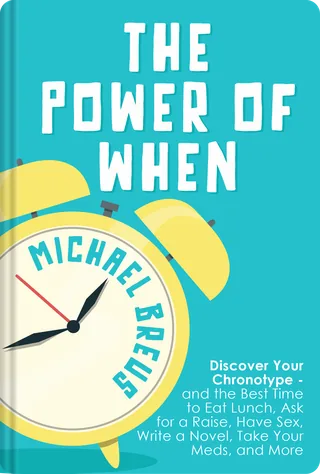
10The Power of When

The Power of When

Michael Breus

Match sleep, meals, work, and connection to your biological clock to improve energy, focus, and daily well-being.

14 min

Listen to the intro

1:40

What is The Power of When about?

The Power of When (2016) shows that the timing of our daily activities matters as much as what we do. Michael Breus explains four chronotypes, the bear, lion, wolf, and dolphin, each with its own natural rhythm for sleep and energy. He helps readers identify their type and find the best times to wake, work, exercise, eat, and make important decisions.

Who should read The Power of When?

  • Professionals who want to work at their peak hours
  • Anyone who struggles with poor sleep or low energy
  • People who want better timing for meals, exercise and decisions
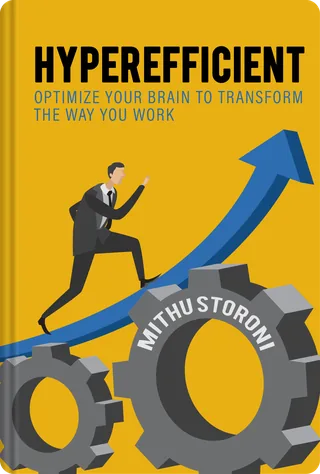
11Hyperefficient

Hyperefficient

Mithu Storoni

Work with your brain, not against it, using strategic focus and restorative breaks to boost creativity, energy, and performance.

14 min

Listen to the intro

1:35

What is Hyperefficient about?

Hyperefficient (2024) argues that many modern workers push their brains in ways that lead to exhaustion rather than better results. Drawing on neuroscience, Mithu Storoni explains that the brain works best when we match our tasks to its natural states and rhythms, alternating deep focus with real rest and managing stress wisely. The book offers practical strategies to think more clearly, work more efficiently, and avoid burnout.

Who should read Hyperefficient?

  • Knowledge workers feeling drained despite working long hours
  • Professionals who want sharper focus without burning out
  • Anyone curious how neuroscience can improve daily productivity
12Work Rules!

Work Rules!

Laszlo Bock

Build a workplace where people thrive through Google-inspired lessons on trust, freedom, and data-driven people practices.

19 min

Listen to the intro

1:36

What is Work Rules! about?

Work Rules! (2015) shares the ideas behind Google’s approach to hiring, managing, and developing people. Laszlo Bock explains how the company used data and experiments to find what really helps employees succeed, including hiring carefully, giving people freedom, rewarding fairly, and creating a culture of transparency. He shows how organisations of any size can apply these lessons.

Who should read Work Rules!?

  • HR leaders rethinking how they hire and develop talent
  • Managers who want teams built on trust and freedom
  • Founders building a fair, transparent culture from day one
13Raise Your Game

Raise Your Game

Alan Stein Jr. and Jon Sternfeld

Elevate your performance through the discipline, focus, and intentional habits that help elite athletes and leaders reach their potential.

17 min

Listen to the intro

1:06

What is Raise Your Game about?

Raise Your Game (2019) applies lessons from elite sports to leadership and business. Alan Stein Jr. draws on his years training top basketball players to show how the best performers master the fundamentals, practise consistently, stay coachable, and put the team first. The book offers practical habits for self-awareness, discipline, and leadership that anyone can use to perform at a higher level.

Who should read Raise Your Game?

  • Team leaders who want to build a winning culture
  • Professionals seeking disciplined habits to perform at their best
  • Coaches and athletes taking sports lessons into the workplace
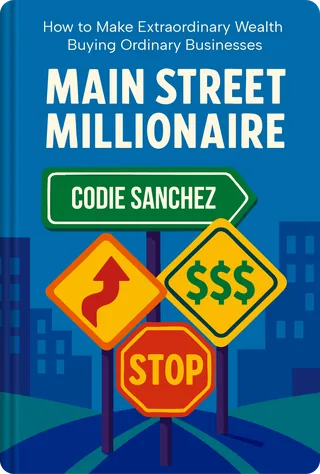
14Main Street Millionaire

Main Street Millionaire

Codie Sanchez

Build wealth by acquiring overlooked small businesses, creating steady cash flow, negotiating smarter deals, and growing them for long-term freedom.

18 min

Listen to the intro

1:20

What is Main Street Millionaire about?

Main Street Millionaire (2024) argues that one of the most reliable paths to wealth is buying and improving small, established businesses rather than starting from scratch or chasing risky startups. Codie Sanchez explains how to find these so-called boring businesses, evaluate them, finance a purchase, and run them better. The book offers a practical guide to building income and ownership.

Who should read Main Street Millionaire?

  • Employees who want to own a business without starting one
  • Investors seeking steady cash flow instead of risky startups
  • Aspiring entrepreneurs avoiding risky startups and starting from scratch
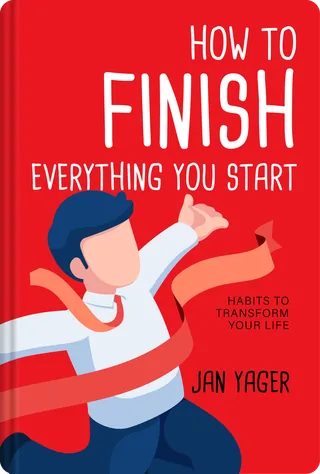
15How to Finish Everything You Start

How to Finish Everything You Start

Jan Yager

Turn unfinished goals into completed projects with practical strategies that strengthen focus, consistency, and follow-through.

15 min

Listen to the intro

1:18

What is How to Finish Everything You Start about?

How to Finish Everything You Start (2019) examines the habits and obstacles that cause people to abandon tasks before completing them. It provides practical methods for setting priorities, managing distractions, maintaining motivation, and turning unfinished plans into achievable steps.

Who should read How to Finish Everything You Start?

  • Anyone with a pile of half-finished projects
  • Professionals who lose focus before reaching deadlines
  • Students who struggle to stay motivated until completion
16Life Time

Life Time

Russell G. Foster

Align your daily timing with your body clock to improve sleep, mood, energy, health, and long-term resilience.

16 min

Listen to the intro

1:13

What is Life Time about?

Life Time (2022) explains how the body’s internal clock controls sleep, energy, mood, and health. Russell G. Foster, a leading expert on circadian rhythms, shows how shift work, artificial light, and irregular routines disrupt this clock and increase the risk of illness. He offers practical, science-based advice on light, sleep, meal timing, and daily habits to help readers feel and function better.

Who should read Life Time?

  • Shift workers struggling with irregular sleep and fatigue
  • Anyone who wants better sleep, energy, and mood
  • Health-conscious readers curious about the science of body clocks
17Boost!

Boost!

Michael Bar-Eli

Apply sports psychology to work: set clear goals, build confidence, avoid biases and manage pressure the way top athletes and coaches do.

17 min

Listen to the intro

1:26

What is Boost! about?

Boost! (2016) applies lessons from sports psychology to management and everyday work. Michael Bar-Eli draws on research about athletes and coaches to explore how people perform under pressure, make decisions, set goals, and stay motivated. The book shows how insights from the playing field, such as avoiding biases and managing stress, can help professionals and teams achieve better results.

Who should read Boost!?

  • Managers who want their teams to perform under pressure
  • Sports fans curious how athletic insights apply at work
  • Professionals who struggle with stress and tough decisions
18The Everyday Hero Manifesto

The Everyday Hero Manifesto

Robin Sharma

Turn everyday choices into quiet heroism through courage, kindness, discipline, and purpose that create a life of meaning and impact.

15 min

Listen to the intro

1:20

What is The Everyday Hero Manifesto about?

The Everyday Hero Manifesto (2021) encourages readers to bring out their best in every area of life, not just at work. Robin Sharma shares short, practical lessons on creativity, productivity, discipline, health, and kindness, along with personal stories and memorable ideas. The book argues that anyone can live heroically by doing ordinary things with excellence, courage, and generosity, one day at a time.

Who should read The Everyday Hero Manifesto?

  • Professionals seeking excellence beyond their working hours
  • Anyone wanting stronger daily discipline and productivity habits
  • Readers looking for short, practical lessons on living well
19Stop Overthinking

Stop Overthinking

Nick Trenton

Quiet overthinking and anxiety with practical techniques that bring greater clarity, calm, and confidence to everyday life.

19 min

Listen to the intro

1:17

What is Stop Overthinking about?

Stop Overthinking (2021) is a practical guide to breaking cycles of excessive thinking, worry, and mental stress. Nick Trenton explains how overthinking begins, how it affects decision-making and emotional wellbeing, and why certain thoughts become repetitive. The book presents twenty-three techniques for calming the mind, recognising unhelpful thought patterns, focusing on the present, and responding to challenges with greater clarity.

Who should read Stop Overthinking?

  • Anyone caught in loops of worry and rumination
  • Professionals whose decisions stall under endless second-guessing
  • Readers seeking practical tools for a calmer mind
20The 4-Hour Workweek

The 4-Hour Workweek

Tim Ferriss

Escape endless work by using automation, delegation, and smarter systems to build income, freedom, and a life rich in experiences.

19 min

Listen to the intro

0:55

What is The 4-Hour Workweek about?

The 4-Hour Workweek (2007) challenges the traditional path of working for decades and saving happiness for retirement. Tim Ferriss shows how to eliminate low-value tasks, automate income, delegate work, and negotiate remote arrangements in order to design a life with more freedom, travel, and meaningful experiences. The book introduced ideas such as lifestyle design and mini-retirements to a generation of entrepreneurs.

Who should read The 4-Hour Workweek?

  • Employees who feel trapped in the nine-to-five routine
  • Entrepreneurs who want to automate income and delegate work
  • Anyone who dreams of more freedom, time and travel

Related topics

Questions about Productivity

What is a good book to start with on productivity?

15 Secrets Successful People Know About Time Management is a clear, practical entry point covering focus, distractions and priorities. If you run a business or lead a team, Buy Back Your Time shows how delegating low-value tasks frees you for your strongest work.

What will I learn from productivity books?

You will learn how to plan your day, cut work that adds little value and build systems so tasks do not depend on you alone. Titles such as The E-Myth Revisited and Flow also show how structure and deep focus lead to better results with less stress.

Who are these summaries for?

They suit employees, managers, entrepreneurs and freelancers who want to use their time better. They also help anyone working from home or feeling stuck, with titles like The New Corner Office and Start Now, Get Perfect Later.

Get the key ideas from the world's best books in about 15 minutes

Free account · One free summary every day