Get started

Topic

The best 34 Teaching Methods summaries

Teaching Methods explores how people learn and how parents, teachers and mentors can help them learn better, a question that matters across the region as families and schools seek education that builds real skills and character rather than memorisation alone. The books here range from classroom reform and Montessori-inspired parenting to the science of memory, deliberate practice and talent, alongside critical looks at what formal schooling does and does not achieve. Readers can use these ideas to guide their children's curiosity, coach students or colleagues more effectively, and design their own study and practice with greater purpose.

1The Little Book of Talent

The Little Book of Talent

Daniel Coyle

Sharpen any skill with 52 short, research-backed tips, from practising in small chunks to learning from mistakes and watching experts closely.

16 min

Listen to the intro

1:11

What is The Little Book of Talent about?

The Little Book of Talent (2012) is a short, practical handbook of fifty-two tips for improving skills in any field. Daniel Coyle draws on his research into talent hotbeds and top performers to offer clear advice, such as practising in small chunks, focusing on mistakes, watching experts closely, and building good habits. The book is designed to be used again and again as a guide to steady improvement.

Who should read The Little Book of Talent?

  • Learners who want to master a new skill faster
  • Coaches and teachers who help others build skills
  • Anyone stuck at a plateau in their practice
2The Element

The Element

Ken Robinson, with Lou Aronica

Find where your natural talents meet your deepest passions to unlock greater creativity, confidence, purpose, and potential.

19 min

Listen to the intro

1:28

What is The Element about?

The Element (2009) explores what happens when people find their element, the place where natural talent meets personal passion. Ken Robinson shares stories of well-known people who discovered their calling, often after struggling in school, and explains how education systems can overlook creativity and different kinds of intelligence. The book encourages readers of all ages to discover their strengths and pursue what truly inspires them.

Who should read The Element?

  • Anyone searching for work that feels truly meaningful
  • Parents and teachers who want to nurture hidden talents
  • Students who feel school overlooks their real strengths
3Range

Range

David Epstein

Turn broad curiosity and diverse experience into greater creativity, adaptability, and resilience in a world built around specialisation.

17 min

Listen to the intro

1:01

What is Range about?

Range (2019) challenges the popular belief that success comes from specialising early. David Epstein shows that in many fields, people who sample widely, try different activities, and develop broad skills often become more creative and adaptable. With examples from sports, science, music, and business, he explains why generalists thrive in a complex and changing world.

Who should read Range?

  • Professionals worried they changed careers too often
  • Parents pressured to make their children specialize early
  • Curious learners with interests across many different fields
4Limitless

Limitless

Jim Kwik

Unlock greater focus, memory, and mental energy through practical habits and learning techniques that accelerate skills and elevate performance.

20 min

Listen to the intro

0:54

What is Limitless about?

Limitless (2020) offers practical methods for learning faster, remembering more, and unlocking your mental potential. Jim Kwik presents a framework built on three elements: mindset, motivation, and methods. He shares techniques for improving focus, memory, reading speed, and study habits, along with advice on sleep, nutrition, and daily routines that support a healthy brain.

Who should read Limitless?

  • Students who want to study smarter and remember more
  • Professionals who need to learn new skills quickly
  • Anyone who struggles with focus, memory, or mental fatigue
5Raising Critical Thinkers

Raising Critical Thinkers

Julie Bogart

Raise thoughtful children who question confidently, evaluate information clearly, and approach difficult issues with compassion and respect.

17 min

Listen to the intro

1:15

What is Raising Critical Thinkers about?

Raising Critical Thinkers (2022) gives parents practical ways to help children think for themselves in a world full of information and opinions. Julie Bogart explains how to encourage curiosity, help kids examine their own assumptions, understand different viewpoints, and evaluate sources carefully. With activities for different ages, the book shows how everyday conversations, reading, and play can build strong thinking skills.

Who should read Raising Critical Thinkers?

  • Parents who want children to think for themselves
  • Teachers helping students evaluate information and sources wisely
  • Families seeking everyday activities that build thinking skills
6The Art of Talking with Children

The Art of Talking with Children

Rebecca Rolland

Turn everyday conversations into meaningful learning that strengthens your child’s creativity, empathy, and critical thinking.

19 min

Listen to the intro

1:37

What is The Art of Talking with Children about?

The Art of Talking with Children (2022) shows parents and teachers how everyday conversations can help children think, learn, and grow emotionally. Rebecca Rolland describes different kinds of conversations, from playful and imaginative to reflective and difficult, and explains how to ask better questions and truly listen. The book offers practical examples for children of different ages.

Who should read The Art of Talking with Children?

  • Parents who want deeper, more meaningful talks with children
  • Teachers seeking to build critical thinking through dialogue
  • Caregivers facing difficult topics with children of any age
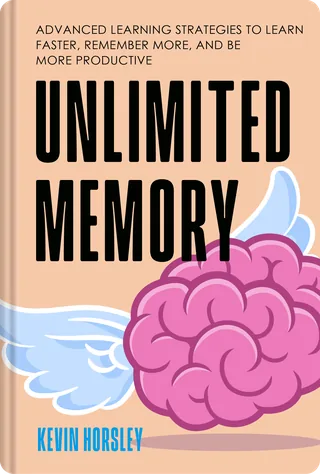
7Unlimited Memory

Unlimited Memory

Kevin Horsley

Train your mind to learn faster, remember more, and stay focused with practical techniques that strengthen clarity, confidence, and productivity.

16 min

Listen to the intro

1:48

What is Unlimited Memory about?

Unlimited Memory (2014) teaches practical techniques for improving concentration, organising information, and remembering names, numbers, speeches, and study material. Kevin Horsley explains methods such as visualisation, association, mental journeys, and linking unfamiliar information to memorable images. The book emphasises that memory is not simply a fixed talent, but a skill that can improve through focused attention, effective methods, and regular practice.

Who should read Unlimited Memory?

  • Students who want to study smarter and retain more
  • Professionals who struggle to remember names and numbers
  • Speakers who want to present without relying on notes
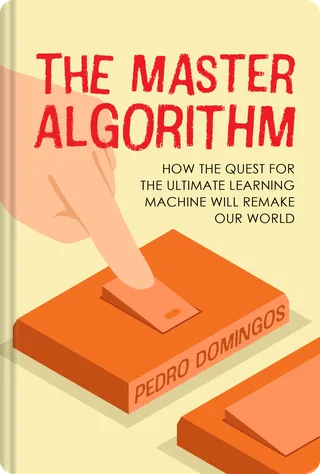
8The Master Algorithm

The Master Algorithm

Pedro Domingos

Explore the search for a universal learning algorithm and how machine learning is transforming science, business, and everyday life.

20 min

Listen to the intro

1:16

What is The Master Algorithm about?

The Master Algorithm (2015) explains how machine learning works and why it is transforming business, science, and daily life. Pedro Domingos describes five major schools of thought in machine learning, each inspired by a different field such as neuroscience, evolution, statistics, logic, and analogy. He argues that combining them could produce a single master algorithm able to learn almost anything from data.

Who should read The Master Algorithm?

  • Professionals curious about how machine learning actually works
  • Business leaders exploring how data can drive decisions
  • Students considering a career in artificial intelligence
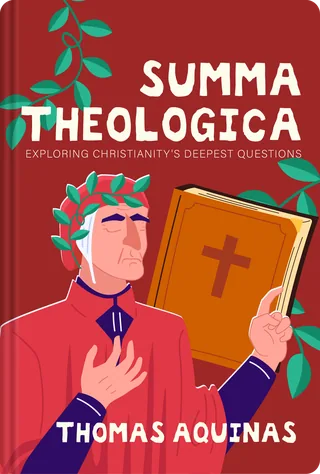
9Summa Theologica

Summa Theologica

Thomas Aquinas

Examine life’s deepest questions through reason and faith, uncovering how morality and purpose guide a meaningful way of living.

14 min

Listen to the intro

1:26

What is Summa Theologica about?

Summa Theologica (1265–1274) is the best-known work of Thomas Aquinas and one of the most influential texts of medieval philosophy and Christian theology. Written as an orderly series of questions, objections, and replies, it addresses the existence and nature of God, ethics, human nature, law, and virtue. Aquinas drew heavily on Aristotle and on Muslim philosophers such as Ibn Sina and Ibn Rushd, and left the work unfinished at his death.

Who should read Summa Theologica?

  • Students of philosophy exploring medieval thought and its roots
  • Readers curious how Ibn Sina and Ibn Rushd shaped Europe
  • Anyone weighing how reason and faith answer life's big questions
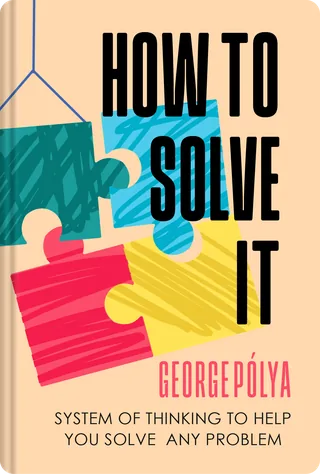
10How to Solve It

How to Solve It

George Pólya

Solve problems with greater clarity and confidence using a timeless method for understanding challenges, creating smart plans, and thinking creatively.

18 min

Listen to the intro

1:42

What is How to Solve It about?

How to Solve It (1945) is a classic guide to solving problems in mathematics and beyond. George Pólya presents a simple four-step method: understand the problem, devise a plan, carry out the plan, and look back to check and learn. With practical questions and techniques such as working backward and solving simpler related problems, the book has helped generations of students and teachers think more clearly.

Who should read How to Solve It?

  • Students who struggle with math or logic problems
  • Teachers who want to build stronger thinking skills
  • Anyone who wants a clear method for tackling problems
11The Case Against Education

The Case Against Education

Bryan Caplan

Question the true value of education and discover why schooling may signal ability more often than it builds useful skills.

24 min

Listen to the intro

2:22

What is The Case Against Education about?

The Case Against Education (2018) argues that much of what students learn in school is never used in their careers, and that degrees are often valued mainly as a signal to employers. Bryan Caplan examines the costs and benefits of education for individuals and society, and suggests that spending less on formal schooling and more on practical and vocational training could be wiser.

Who should read The Case Against Education?

  • Students weighing whether a degree is worth the cost
  • Policymakers deciding how to fund schools and training
  • Employers who rely on degrees when hiring
12The Bible Recap

The Bible Recap

Tara-Leigh Cobble

See the Bible as one connected story by understanding its context and themes, turning daily reading into deeper insight and reflection.

16 min

Listen to the intro

1:23

What is The Bible Recap about?

The Bible Recap (2020) is a structured companion designed to help readers understand the Bible through a yearlong reading plan. Each section summarises the day’s passages, explains their historical and spiritual context, and highlights their place within the broader biblical narrative. The book aims to make regular scripture reading more understandable and consistent while encouraging readers to focus on the character of God and the central message of each passage.

Who should read The Bible Recap?

  • Christians committed to reading the whole Bible in a year
  • Readers who struggle to understand the context of biblical passages
  • Bible study groups wanting a structured daily reading companion
13How to Take Smart Notes

How to Take Smart Notes

Sönke Ahrens

Transform note-taking with the Zettelkasten method, connecting ideas over time to deepen insight, spark creativity, and produce original work.

16 min

Listen to the intro

1:17

What is How to Take Smart Notes about?

How to Take Smart Notes (2017) introduces a note-taking system that helps students, writers, and researchers think more clearly and produce better work. Sönke Ahrens explains the Zettelkasten method used by the sociologist Niklas Luhmann, in which ideas are written as short linked notes that build a growing network of knowledge. The book shows how good notes make writing and learning easier.

Who should read How to Take Smart Notes?

  • Students who struggle to turn reading into writing
  • Researchers and writers building a lasting network of ideas
  • Anyone who forgets most of what they read
14Orientalism

Orientalism

Edward W. Said

Uncover how Western portrayals of the East created enduring stereotypes and turned knowledge into an instrument of political and cultural power.

21 min

Listen to the intro

2:30

What is Orientalism about?

Orientalism (1978) is one of the most influential books of the twentieth century. Edward W. Said shows how Western scholars, writers, and politicians created a distorted image of the Arab and Islamic world, presenting it as mysterious, backward, and in need of Western control. He argues that this way of seeing supported colonial power, and his work changed how the world studies culture, history, and the Middle East.

Who should read Orientalism?

  • Students of history, politics, or Middle Eastern studies
  • Readers curious how the West came to see Arabs and Muslims
  • Anyone who questions Western stereotypes about the Muslim world
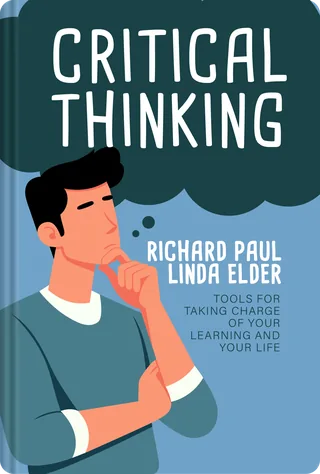
15Critical Thinking

Critical Thinking

Richard Paul and Linda Elder

Elevate your thinking by questioning assumptions, analysing information clearly, and making sharper decisions with greater purpose.

16 min

Listen to the intro

1:46

What is Critical Thinking about?

Critical Thinking (2006) introduces practical tools for examining assumptions, evaluating evidence, asking clear questions, and reaching well-supported conclusions. It encourages readers to recognise bias, consider different viewpoints, and apply consistent intellectual standards to everyday decisions.

Who should read Critical Thinking?

  • Professionals who make important decisions under pressure
  • Students wanting to evaluate arguments and evidence carefully
  • Anyone who wants to spot bias in their thinking
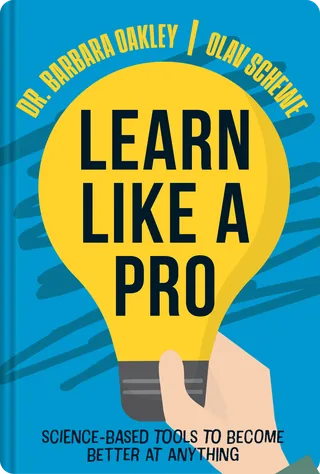
16Learn Like a Pro

Learn Like a Pro

Barbara Oakley and Olav Schewe

Learn more deeply through cognitive science techniques that sharpen practice, strengthen memory, improve study habits, and sustain motivation.

18 min

Listen to the intro

0:59

What is Learn Like a Pro about?

Learn Like a Pro (2021) is a practical guide to learning more effectively, whether for school, work, or personal interest. Barbara Oakley and Olav Schewe explain proven techniques such as active recall, spaced repetition, and avoiding procrastination, along with tips on focus, note-taking, reading, and preparing for tests. The book makes the science of learning easy to understand and apply.

Who should read Learn Like a Pro?

  • Students preparing for exams who want better results
  • Professionals who need to master new skills quickly
  • Anyone who struggles with procrastination or poor focus
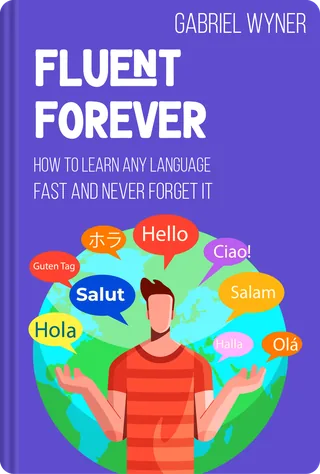
17Fluent Forever

Fluent Forever

Gabriel Wyner

Learn languages faster through pronunciation training, visual memory, and spaced repetition that build natural, lasting fluency.

19 min

Listen to the intro

1:04

What is Fluent Forever about?

Fluent Forever (2014) presents a method for learning any language and remembering it for good. Gabriel Wyner, who learned several languages as an adult, recommends starting with pronunciation, learning words through images rather than translation, and using spaced repetition flashcards to review at the right moments. The book offers a practical system for reaching fluency faster and with more enjoyment.

Who should read Fluent Forever?

  • Adults starting a new language from scratch
  • Learners who forget new vocabulary soon after studying
  • Anyone seeking a practical, enjoyable path to fluency
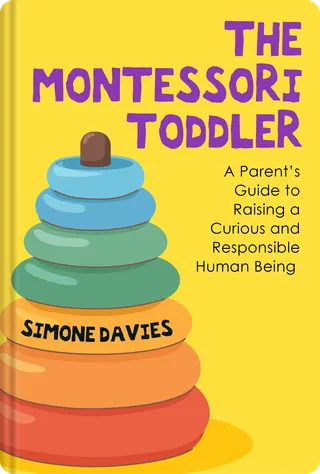
18The Montessori Toddler

The Montessori Toddler

Simone Davies

Nurture your toddler’s independence, curiosity, and emotional growth through a gentle Montessori approach designed for a calmer home.

19 min

Listen to the intro

1:39

What is The Montessori Toddler about?

The Montessori Toddler (2019) shows parents how to apply Montessori principles at home to raise curious, confident, and responsible young children. Simone Davies explains how to set up a child-friendly home, choose simple activities that build independence, and respond calmly to tantrums and everyday challenges. The book encourages parents to observe their children closely and support them with respect and patience.

Who should read The Montessori Toddler?

  • Parents of toddlers seeking calmer ways to handle tantrums
  • Caregivers who want to raise independent, curious children
  • Anyone wanting to bring Montessori principles into the home
19Thirty Million Words

Thirty Million Words

Dana Suskind

Shape your child’s developing brain through everyday conversations that strengthen language, deepen connection, and inspire lifelong learning.

16 min

Listen to the intro

0:50

What is Thirty Million Words about?

Thirty Million Words (2015) shows that the words children hear in their earliest years shape how their brains develop. Dana Suskind explains research suggesting that children from different homes hear very different amounts of language by age four, and how this affects learning later in life. She offers a simple approach for parents: tune in, talk more, and take turns in conversation with young children.

Who should read Thirty Million Words?

  • Parents of babies and toddlers under four
  • Early childhood educators shaping young minds daily
  • Expectant parents preparing for their child's development
20Jewish Literacy

Jewish Literacy

Rabbi Joseph Telushkin

Explore Judaism’s defining ideas, stories, and traditions, and see how its enduring values continue to shape identity and meaning today.

18 min

Listen to the intro

1:01

What is Jewish Literacy about?

Jewish Literacy (1991) is a wide-ranging reference guide to the history, beliefs, and practices of Judaism. Rabbi Joseph Telushkin organises more than three hundred short entries on key figures, texts, holidays, and events, from ancient times to the modern era. Written for general readers, the book explains important terms and ideas in clear, accessible language.

Who should read Jewish Literacy?

  • Readers curious about Judaism's history, beliefs, and practices
  • Students of comparative religion seeking a clear reference
  • Anyone wanting to understand key Jewish terms and figures

Related topics

Questions about Teaching Methods

What is a good book to start with on teaching methods?

The Talent Code is an accessible starting point, explaining how deep practice, good coaching and the right environment turn potential into skill. For a broader view of reforming schools, Creative Schools offers a clear case for more personalised learning.

What will I learn from teaching methods books?

You will learn how attention, memory and practice shape learning, and how to structure lessons, feedback and challenges so knowledge lasts. Titles such as How We Learn and Learn Better turn research on the brain into practical steps for teachers and learners alike.

Who are these summaries for?

They suit teachers, parents, trainers and managers who guide others, as well as students who want to study more wisely. Parents of young children will find The Montessori Toddler especially useful, while those raising adolescents can turn to The Teenage Brain.

Get the key ideas from the world's best books in about 15 minutes

Free account · One free summary every day