Get started

Topic

The best 60 Future Technology summaries

Future Technology explores how artificial intelligence, automation, quantum computing and data networks are reshaping work, business and daily life, a shift that matters greatly in a region investing heavily in digital transformation and national visions for the coming decade. The books here range from strategy guides on competing with AI and studies of disruptive innovation to inside stories of companies like Tesla and Amazon, alongside thoughtful works on surveillance, the hidden costs of clean energy and the long history of information. Readers can use these ideas to future-proof their careers, strengthen the human skills machines cannot replace, and lead their organisations through technological change with clarity and confidence.

1The Future of the Mind

The Future of the Mind

Michio Kaku

Explore the future of the mind through brain-computer interfaces, memory transfer, telepathy, and technologies that could transform human cognition.

19 min

Listen to the intro

1:15

What is The Future of the Mind about?

The Future of the Mind (2014) explores how science may soon understand and enhance the human brain. Michio Kaku describes real research on recording memories, controlling machines with thoughts, reading brain signals, and boosting intelligence, and considers what these advances could mean for society. Written in an accessible and exciting style, the book brings neuroscience and physics together to imagine the future of the mind.

Who should read The Future of the Mind?

  • Students curious about neuroscience and how the brain works
  • Tech enthusiasts following brain-computer interfaces and future innovations
  • Anyone wondering how science could reshape human thinking
2Human/Machine

Human/Machine

Daniel Newman and Olivier Blanchard

Combine AI and automation with human creativity and strategy to drive innovation, strengthen business, and navigate digital transformation.

18 min

Listen to the intro

1:35

What is Human/Machine about?

Human/Machine (2019) explores how people and intelligent technologies can work together rather than compete. Daniel Newman and Olivier Blanchard explain how artificial intelligence, automation, and smart devices are changing business and daily life, and argue that the future belongs to organisations that combine human creativity and judgement with the speed and precision of machines.

Who should read Human/Machine?

  • Business leaders planning their company's digital transformation
  • Professionals worried that automation might replace their jobs
  • Anyone curious how AI is reshaping work and life
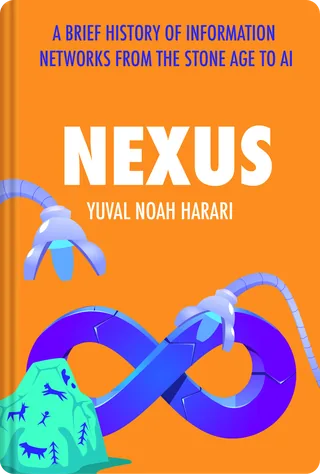
3Nexus

Nexus

Yuval Noah Harari

Trace how information networks, from language and writing to the internet and AI, built civilisations and continue to shape humanity’s future.

22 min

Listen to the intro

1:12

What is Nexus about?

Nexus (2024) traces the history of information networks, from stories and written records to printing, mass media, and artificial intelligence. Yuval Noah Harari argues that more information does not automatically lead to truth or wisdom, and that information networks have often been used to build power and order. He warns that artificial intelligence may bring unprecedented risks and calls for strong safeguards.

Who should read Nexus?

  • Anyone curious how information shaped human history
  • Policymakers and leaders weighing the risks of AI
  • Readers flooded with news who want sharper judgment
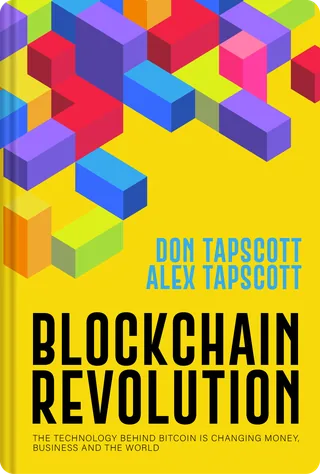
4Blockchain Revolution

Blockchain Revolution

Don Tapscott and Alex Tapscott

Imagine a more transparent digital world where blockchain removes intermediaries, restores trust, and gives people control over data and value.

16 min

Listen to the intro

1:30

What is Blockchain Revolution about?

Blockchain Revolution (2016) explains how blockchain, the technology behind digital currencies such as Bitcoin, could transform finance, business, and government. Don Tapscott and Alex Tapscott describe blockchain as a secure, shared record of transactions that could reduce the need for intermediaries, protect personal data, and make systems more transparent. The book also discusses the risks and obstacles that the technology must overcome.

Who should read Blockchain Revolution?

  • Business leaders exploring how new technology reshapes industries
  • Government officials seeking more transparent public systems
  • Anyone curious about the technology behind digital currencies
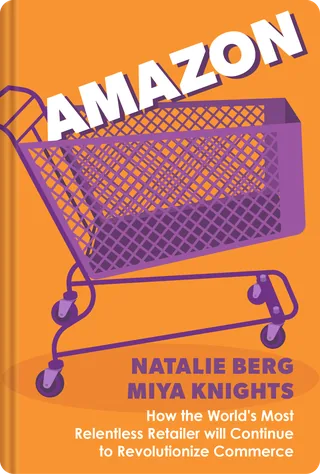
5Amazon

Amazon

Natalie Berg & Miya Knights

Go inside Amazon’s rise to discover the strategies that transformed retail, customer expectations, and the future of shopping.

18 min

Listen to the intro

1:51

What is Amazon about?

Amazon (2019) explains how Amazon grew from an online bookstore into one of the world’s most powerful retailers. Natalie Berg & Miya Knights examine the company’s focus on customers, its use of data and technology, its logistics network, and its expansion into areas such as groceries and smart devices. The book also explores what other retailers can learn and how shopping may change in the future.

Who should read Amazon?

  • Retail managers competing against Amazon's growing dominance
  • Entrepreneurs building customer-focused e-commerce businesses
  • Anyone curious about the future of shopping
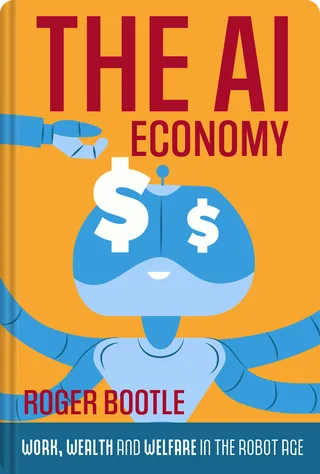
6The AI Economy

The AI Economy

Roger Bootle

Prepare for the economic shifts AI will bring to work and markets, and learn how businesses and workers can adapt.

17 min

Listen to the intro

1:01

What is The AI Economy about?

The AI Economy (2019) examines how artificial intelligence and robots will affect jobs, wages, and economic growth. Roger Bootle takes a balanced view, arguing that fears of mass unemployment may be exaggerated, while recognising that many jobs and skills will change. He discusses what education, government policy, and individuals can do to prepare for a future shaped by intelligent machines.

Who should read The AI Economy?

  • Professionals worried about AI replacing their jobs
  • Business leaders planning for automation and workforce change
  • Policymakers and educators shaping how people prepare for AI
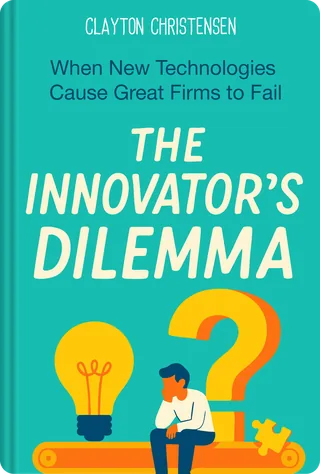
7The Innovator’s Dilemma

The Innovator’s Dilemma

Clayton Christensen

Understand why successful companies miss disruptive innovation and how leaders can recognise transformative change before competitors redefine the market.

16 min

Listen to the intro

1:33

What is The Innovator’s Dilemma about?

The Innovator’s Dilemma (1997) explains why successful, well-managed companies often fail when new technologies emerge. Clayton Christensen shows that by focusing on their best customers and highest profits, leading firms can overlook simpler, cheaper innovations that start small and later take over the market. His theory of disruptive innovation became one of the most influential ideas in business.

Who should read The Innovator’s Dilemma?

  • Executives leading established companies through technological change
  • Entrepreneurs building simpler, cheaper alternatives to market leaders
  • Strategists who want to spot disruption early
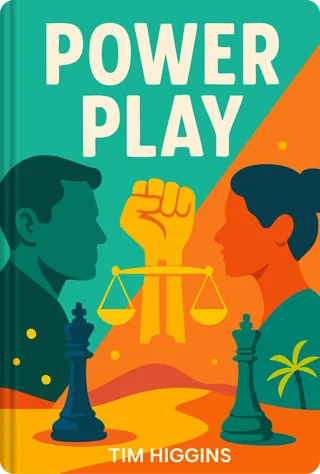
8Power Play

Power Play

Tim Higgins

Go behind Tesla’s rise to see how Elon Musk’s bold decisions, intense leadership, and high-risk gambles transformed the global auto industry.

14 min

Listen to the intro

0:59

What is Power Play about?

Power Play (2021) tells the dramatic inside story of Tesla’s rise from a small startup to one of the world’s most valuable car companies. Tim Higgins describes the risky bets, near-bankruptcies, production struggles, and bold vision that shaped the company under Elon Musk’s leadership, as well as its battle with traditional carmakers. The book offers lessons in innovation, ambition, and risk.

Who should read Power Play?

  • Entrepreneurs building ambitious startups against established competitors
  • Leaders weighing bold bets against the risk of failure
  • Anyone curious about how Tesla disrupted the car industry
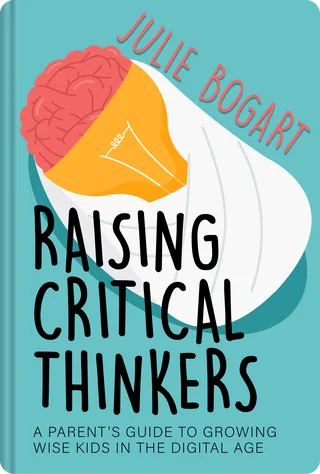
9Raising Critical Thinkers

Raising Critical Thinkers

Julie Bogart

Raise thoughtful children who question confidently, evaluate information clearly, and approach difficult issues with compassion and respect.

17 min

Listen to the intro

1:15

What is Raising Critical Thinkers about?

Raising Critical Thinkers (2022) gives parents practical ways to help children think for themselves in a world full of information and opinions. Julie Bogart explains how to encourage curiosity, help kids examine their own assumptions, understand different viewpoints, and evaluate sources carefully. With activities for different ages, the book shows how everyday conversations, reading, and play can build strong thinking skills.

Who should read Raising Critical Thinkers?

  • Parents who want children to think for themselves
  • Teachers helping students evaluate information and sources wisely
  • Families seeking everyday activities that build thinking skills
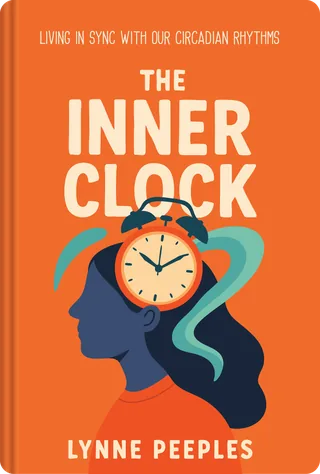
10The Inner Clock

The Inner Clock

Lynne Peeples

Align your daily habits with your biological clock to improve sleep, mood, energy, focus, and long-term health.

15 min

Listen to the intro

0:58

What is The Inner Clock about?

The Inner Clock (2024) explores the body’s natural daily rhythms and how modern life disrupts them. Lynne Peeples explains how light, darkness, meal times, and sleep schedules influence nearly every system in the body, from mood and metabolism to immunity. She shows how artificial light and irregular routines can harm health, and offers practical ways to live in better harmony with our internal clocks.

Who should read The Inner Clock?

  • Shift workers whose schedules disrupt their sleep
  • Anyone who feels tired despite sleeping enough hours
  • Health-conscious readers curious about light, meals and body rhythms
11Crossing the Chasm

Crossing the Chasm

Geoffrey Moore

Take innovative products mainstream by mastering the positioning, timing, and customer insight needed to cross the adoption gap.

14 min

Listen to the intro

1:13

What is Crossing the Chasm about?

Crossing the Chasm (1991) explains why many innovative technology products win early enthusiasts but fail to reach mainstream customers. Geoffrey Moore describes the gap, or chasm, between early adopters and the pragmatic majority, and shows how companies can cross it by focusing on one target market, delivering a complete solution, and building strong positioning. It remains a classic guide for startups and product teams.

Who should read Crossing the Chasm?

  • Startup founders scaling beyond their first enthusiastic customers
  • Product managers preparing a technology product for mainstream markets
  • Marketers who want sharper positioning for innovative products
12The Age of Cryptocurrency

The Age of Cryptocurrency

Paul Vigna and Michael J. Casey

See how digital currencies and blockchain redefine trust, reshape global markets, and challenge the foundations of traditional finance.

16 min

Listen to the intro

1:03

What is The Age of Cryptocurrency about?

The Age of Cryptocurrency (2015) explains how Bitcoin and the technology behind it work, and why they could change the way money moves around the world. Paul Vigna and Michael J. Casey trace the origins of digital currency, describe the people and companies building this new system, and discuss its potential benefits and risks for banks, businesses, and ordinary people.

Who should read The Age of Cryptocurrency?

  • Finance professionals curious how blockchain could reshape banking
  • Entrepreneurs exploring new ways to move money globally
  • Anyone wanting a clear introduction to Bitcoin's foundations
13The Master Algorithm

The Master Algorithm

Pedro Domingos

Explore the search for a universal learning algorithm and how machine learning is transforming science, business, and everyday life.

20 min

Listen to the intro

1:16

What is The Master Algorithm about?

The Master Algorithm (2015) explains how machine learning works and why it is transforming business, science, and daily life. Pedro Domingos describes five major schools of thought in machine learning, each inspired by a different field such as neuroscience, evolution, statistics, logic, and analogy. He argues that combining them could produce a single master algorithm able to learn almost anything from data.

Who should read The Master Algorithm?

  • Professionals curious about how machine learning actually works
  • Business leaders exploring how data can drive decisions
  • Students considering a career in artificial intelligence
14Brave New World

Brave New World

Aldous Huxley

Enter a perfected future where manufactured happiness replaces freedom, love, and individuality, revealing the human cost of comfort and control.

19 min

Listen to the intro

2:08

What is Brave New World about?

Brave New World (1932) imagines a future World State where people are produced in laboratories, conditioned from birth to accept their social class, and kept content through comfort and constant distraction. When an outsider raised far from this society arrives, he challenges its values and exposes what has been lost. Aldous Huxley’s novel explores freedom, individuality, and the dangers of sacrificing human dignity for stability.

Who should read Brave New World?

  • Readers curious about classic dystopian fiction and its warnings
  • Anyone weighing the trade-off between comfort and freedom
  • Students exploring how technology and control shape society
15Remote Work Revolution

Remote Work Revolution

Tsedal Neeley

Lead remote teams with confidence using research-backed strategies for stronger collaboration, communication, and performance.

15 min

Listen to the intro

1:51

What is Remote Work Revolution about?

Remote Work Revolution (2021) is a practical guide to leading and working in teams that are spread across different locations. Tsedal Neeley answers common questions about remote work, such as how to build trust without meeting in person, keep people productive, choose the right digital tools, and manage global teams across cultures. Based on years of research, the book helps leaders make remote and hybrid work successful.

Who should read Remote Work Revolution?

  • Managers leading teams spread across different locations
  • Employees adjusting to remote or hybrid work
  • Leaders building trust within multicultural global teams
16Scary Smart

Scary Smart

Mo Gawdat

Confront how rapidly advancing AI could redefine humanity’s future and why shaping it ethically is a responsibility shared by us all.

16 min

Listen to the intro

1:45

What is Scary Smart about?

Scary Smart (2021) examines the future of artificial intelligence and the role each of us plays in shaping it. Mo Gawdat argues that AI will soon become far more intelligent than humans, and that machines will learn their values by watching how people behave. He calls on readers to model kindness, fairness, and responsibility, so that the intelligent machines of the future work for the good of humanity.

Who should read Scary Smart?

  • Anyone curious about where artificial intelligence is heading
  • Parents and educators shaping values in a digital age
  • Tech professionals concerned about the ethics of AI
17Technofeudalism

Technofeudalism

Yanis Varoufakis

See how Big Tech is replacing competitive capitalism with a digital order built on platforms, control, and rent extraction.

15 min

Listen to the intro

0:55

What is Technofeudalism about?

Technofeudalism (2023) argues that capitalism has been quietly replaced by something new. Yanis Varoufakis explains how big technology platforms act like digital landlords, collecting rent from the businesses and users who depend on them, while central banks’ policies after 2008 helped fuel their rise. Written as a letter to his father, the book explores what this shift means for markets, work, democracy, and our freedom.

Who should read Technofeudalism?

  • Entrepreneurs who depend on big platforms to reach customers
  • Economics students curious about what follows traditional capitalism
  • Anyone uneasy about how much Big Tech controls
18The Skill Code

The Skill Code

Matt Beane

Build lasting expertise through challenge, feedback, and deliberate practice, and stay valuable in a world increasingly shaped by AI.

16 min

Listen to the intro

1:31

What is The Skill Code about?

The Skill Code (2024) warns that new technologies, especially artificial intelligence and automation, can quietly block the traditional ways people learn skills from experts. Matt Beane shows that skills develop best through challenge, complexity, and connection with experienced mentors, and explains how intelligent machines can disrupt that process. He offers practical ideas for protecting and rebuilding skill development at work.

Who should read The Skill Code?

  • Managers who train and develop junior talent
  • Professionals worried about staying relevant as AI spreads
  • Learning and development leaders redesigning workplace training
19The Future of Humanity

The Future of Humanity

Michio Kaku

Imagine humanity’s future beyond Earth through space colonisation, advanced AI, genetic engineering, and interstellar travel.

21 min

Listen to the intro

0:47

What is The Future of Humanity about?

The Future of Humanity (2018) explores whether humans could one day live beyond Earth. Michio Kaku describes how we might build settlements on the Moon and Mars, explore the moons of Jupiter and Saturn, travel to other stars, and extend human life with new technology. Grounded in real physics and current research, the book offers an inspiring and imaginative look at humanity’s long-term future in space.

Who should read The Future of Humanity?

  • Space enthusiasts curious about life on Mars and beyond
  • Students drawn to physics, astronomy and future technology
  • Readers who wonder where science may take humanity next
20AI for Business Leaders

AI for Business Leaders

Michael Ramsay

Apply AI confidently to drive growth and innovation while navigating its practical, ethical, and strategic challenges.

21 min

Listen to the intro

1:47

What is AI for Business Leaders about?

AI for Business Leaders (2024) introduces artificial intelligence from the perspective of managers and organisational decision makers. It explains how leaders can identify useful applications, evaluate opportunities and limitations, prepare their teams, and adopt new tools responsibly while keeping business goals at the centre of the process.

Who should read AI for Business Leaders?

  • Executives planning to adopt AI across their organization
  • Managers preparing their teams for new AI tools
  • Entrepreneurs seeking responsible ways to drive growth with AI

Related topics

Questions about Future Technology

What is a good book to start with on future technology?

The Innovator's Dilemma is a strong starting point, explaining why successful companies often miss disruptive change and how leaders can spot it early. For a broader view of where the world is heading, 2030 outlines the demographic, technological and economic forces reshaping how we live and work.

What will I learn from future technology books?

You will learn how AI and data are changing strategy, markets and jobs, as in Competing In The Age Of AI and The AI Economy. You will also gain a balanced view of technology's risks, from personal data and privacy to the human cost of the materials behind modern devices.

Who are these summaries for?

They suit professionals, managers and students who want to stay relevant as technology transforms their fields. Anyone concerned about their career can benefit from titles like The Human Edge and Future Fit, which focus on the lasting human strengths that matter more as machines advance.

Get the key ideas from the world's best books in about 15 minutes

Free account · One free summary every day