Get started

Topic

The best 28 Anthropology summaries

Anthropology studies how human societies form, believe, trade, travel and remember, and for readers in the Middle East it offers a way to see their own heritage, from Ibn Khaldun's ideas on social cohesion to the long story of Arab identity, alongside the cultures of the wider world. The books gathered here range from classic works of social theory and sweeping histories of civilization to memoirs of exile and accounts of encounters between peoples, such as the Vikings, the Mongols and the islands of the Pacific. With these ideas, readers can better understand why communities rise and decline, question stereotypes about the East and the West, and approach other cultures, and their own, with greater depth and fairness.

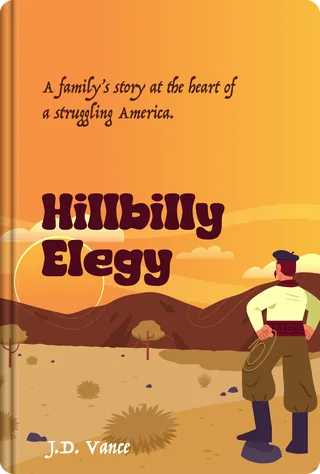
1Hillbilly Elegy

Hillbilly Elegy

J.D. Vance

Follow a journey beyond generational hardship, revealing how family, identity, and resilience can reshape a life and break painful cycles.

15 min

Listen to the intro

0:56

What is Hillbilly Elegy about?

Hillbilly Elegy (2016) is J.D. Vance’s memoir of growing up in a struggling working-class family in Middletown, Ohio, with roots in the Appalachian region of Kentucky. He describes the instability of his childhood, the steady support of his grandparents, and his path through the Marine Corps, Ohio State University, and Yale Law School. The book also reflects on the economic and social challenges facing many communities in America’s industrial heartland.

Who should read Hillbilly Elegy?

  • Readers curious about working-class life in America's industrial heartland
  • Anyone working to break cycles of family hardship
  • Mentors and educators supporting young people from difficult homes
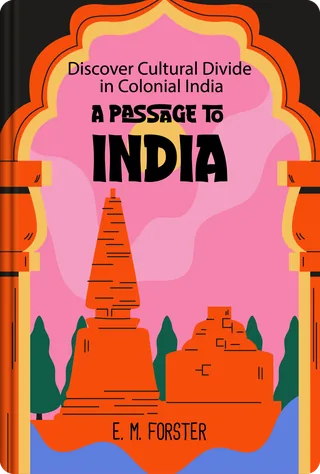
2A Passage to India

A Passage to India

E. M. Forster

Enter colonial India, where prejudice, cultural misunderstanding, and unequal power test the limits of friendship between British and Indian people.

16 min

Listen to the intro

1:06

What is A Passage to India about?

A Passage to India (1924) is set in British-ruled India and follows the friendship between Dr. Aziz, a warm and generous Indian doctor, and several English visitors. When a trip to the mysterious Marabar Caves ends with Aziz wrongly accused of a crime, the case divides the town and exposes the deep mistrust between rulers and ruled. E. M. Forster’s classic novel explores friendship, prejudice, and the barriers that separate people.

Who should read A Passage to India?

  • Readers curious about colonial history and its lasting effects
  • Anyone building friendships across cultures and backgrounds
  • Literature lovers seeking a classic about prejudice and justice
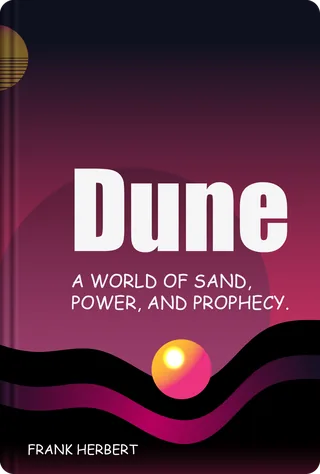
3Dune

Dune

Frank Herbert

Enter a brutal desert world where Paul Atreides confronts power, faith, and destiny as rival forces battle for its most valuable resource.

18 min

Listen to the intro

1:48

What is Dune about?

Dune (1965) is a science fiction novel set on Arrakis, a harsh desert planet that is the only source of a valuable substance called spice. After his family is betrayed, young Paul Atreides flees into the desert and joins its native people, the Fremen, as rival powers fight for control of the planet. The novel explores power, politics, religion, ecology, and destiny, and is one of the best-selling science fiction books ever written.

Who should read Dune?

  • Science fiction fans seeking a timeless epic
  • Readers curious about power, politics, and resource conflicts
  • Anyone drawn to desert worlds and survival stories
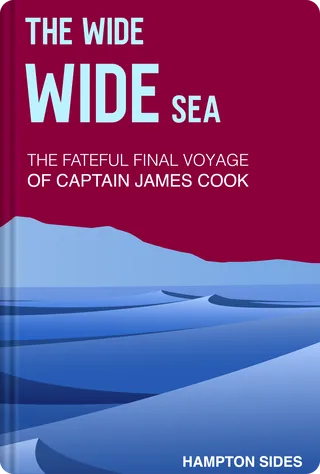
4The Wide Wide Sea

The Wide Wide Sea

Hampton Sides

Follow Captain James Cook’s final voyage, where exploration, ambition, empire, and cultural misunderstanding converge in tragedy.

23 min

Listen to the intro

1:33

What is The Wide Wide Sea about?

The Wide Wide Sea (2024) follows the final voyage of the British explorer Captain James Cook, who set out in 1776 to search for a northern sea route between the Atlantic and the Pacific. Hampton Sides describes the ship’s journey across the Pacific, Cook’s encounters with the peoples of the islands, and the tensions that led to his death in Hawaii in 1779. The book explores exploration, ambition, empire, and cultural misunderstanding.

Who should read The Wide Wide Sea?

  • History lovers drawn to the age of exploration
  • Readers curious about clashes between empires and cultures
  • Anyone fascinated by great sea voyages and adventure
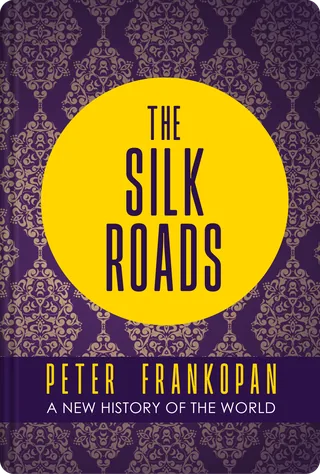
5The Silk Roads

The Silk Roads

Peter Frankopan

Trace how ancient trade routes made the East a centre of wealth, power, and culture—and how their enduring legacy continues to shape today’s changing world.

24 min

Listen to the intro

1:59

What is The Silk Roads about?

The Silk Roads (2015) retells world history by placing the trade routes connecting Asia, the Middle East, and Europe at its centre. Peter Frankopan explains how these routes carried not only silk and valuable goods, but also religions, scientific knowledge, political ideas, diseases, and armies. Moving from ancient empires to the modern struggle for energy and influence, the book challenges the traditional Europe-centred view of history and shows how the lands along the Silk Roads have shaped global civilisation.

Who should read The Silk Roads?

  • History lovers seeking a fresh, non-European perspective
  • Anyone curious how trade shaped religions and ideas
  • Professionals following today's global competition for energy and influence
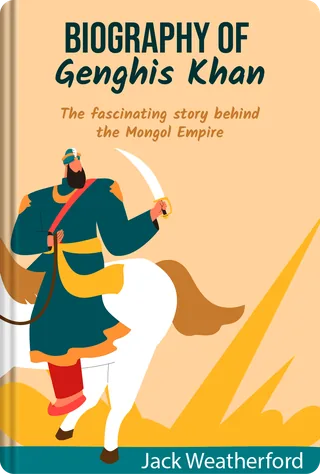
6Biography of Genghis Khan

Biography of Genghis Khan

Jack Weatherford

Rethink Genghis Khan as a transformative leader whose conquests reshaped trade, communication, governance, and the foundations of the modern world.

24 min

Listen to the intro

1:41

What is Biography of Genghis Khan about?

Biography of Genghis Khan (2004) reexamines the life of Genghis Khan and the empire he founded. Jack Weatherford traces how a young outcast named Temüjin united the Mongol tribes and built the largest land empire in history, and argues that the empire also connected distant regions through trade, communication, and the exchange of ideas. The book challenges the view of the Mongols as mere destroyers while acknowledging the devastation of their conquests.

Who should read Biography of Genghis Khan?

  • History lovers curious about the Mongol Empire's real legacy
  • Leaders studying how one outcast united rival tribes
  • Anyone interested in how trade and ideas shaped today's world
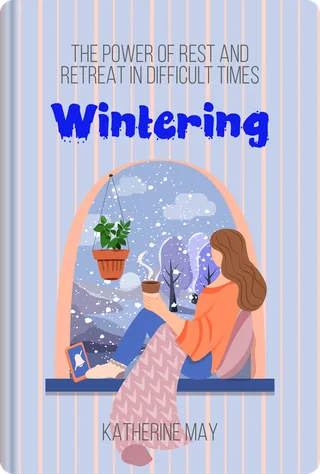
7Wintering

Wintering

Katherine May

Embrace life’s quieter seasons to find healing, restore strength, and move forward with greater clarity through rest and nature’s rhythms.

20 min

Listen to the intro

2:20

What is Wintering about?

Wintering (2020) is a gentle reflection on the difficult seasons of life, such as illness, loss, or times of exhaustion. Katherine May draws on her own experiences and on lessons from nature, where plants and animals slow down and rest during winter. She argues that these periods of withdrawal are natural and necessary, and that allowing ourselves to rest can help us recover and grow stronger.

Who should read Wintering?

  • Anyone going through illness, loss, or exhaustion
  • People who feel guilty for slowing down
  • Readers seeking comfort in nature's seasonal rhythms
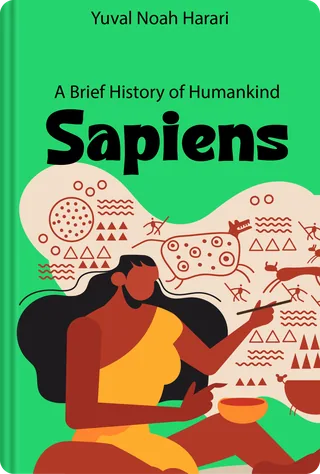
8Sapiens

Sapiens

Yuval Noah Harari

Trace humanity’s rise through shared beliefs, cooperation, and technology while rethinking progress and our place in the future.

18 min

Listen to the intro

0:41

What is Sapiens about?

Sapiens (2011) surveys the history of humanity from early communities to the interconnected societies of the modern world. Yuval Noah Harari examines how language, shared stories, agriculture, political institutions, trade, science, and technology shaped cooperation on a large scale. By moving across long periods of history, the book invites readers to question familiar assumptions about progress, power, happiness, and the choices that may shape humanity’s future.

Who should read Sapiens?

  • History lovers seeking the big picture of humanity
  • Leaders curious how large groups learn to cooperate
  • Anyone questioning what progress and happiness really mean
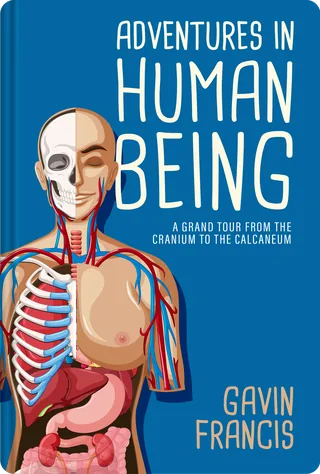
9Adventures in Human Being

Adventures in Human Being

Gavin Francis

Journey through the human body with a doctor whose global stories connect anatomy to culture, suffering, and what it means to be human.

14 min

Listen to the intro

1:14

What is Adventures in Human Being about?

Adventures in Human Being (2015) takes readers on a journey through the human body, one part at a time. Gavin Francis combines stories from his work as a doctor with history, literature, art, and philosophy to explore the brain, the heart, the skin, the hands, and more. The book reveals the body as a place of wonder and shows how medicine connects science with the human stories behind every patient.

Who should read Adventures in Human Being?

  • Medical students seeking the human side of medicine
  • Curious readers fascinated by how the body works
  • Lovers of history, literature and art connecting science
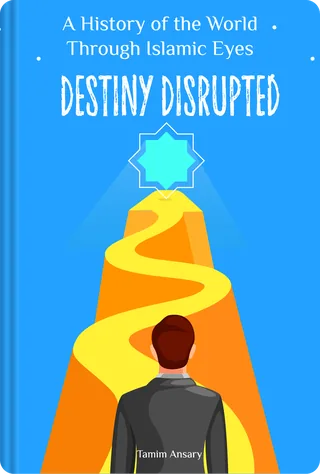
10Destiny Disrupted

Destiny Disrupted

Tamim Ansary

Revisit world history through the rise, ideas, and influence of Islamic civilisation, revealing its vital role in humanity’s shared story.

24 min

Listen to the intro

1:10

What is Destiny Disrupted about?

Destiny Disrupted (2009) retells world history from the perspective of the Islamic world. Beginning with the life of Prophet Muhammad (PBUH) and the early Muslim community, Tamim Ansary traces the rise of Islamic civilisation, its achievements in science and culture, its encounters with Europe, and the challenges of the modern era. The book helps readers understand how Muslims have seen their own history.

Who should read Destiny Disrupted?

  • History lovers seeking a non-Western view of the past
  • Anyone curious how Muslims understand their own history
  • Students exploring Islamic civilization's role in world history
11The Work of Art in the Age of Mechanical Reproduction

The Work of Art in the Age of Mechanical Reproduction

Walter Benjamin

Explore how mechanical reproduction transforms art’s uniqueness, turning it into a powerful force for mass communication and political influence.

15 min

Listen to the intro

2:12

What is The Work of Art in the Age of Mechanical Reproduction about?

The Work of Art in the Age of Mechanical Reproduction (1935) is one of the most influential essays on art and technology. Walter Benjamin argues that when artworks can be copied endlessly through photography and film, they lose their unique presence, which he calls their aura. He explores how new technologies change the way people experience art and how art can be used for political purposes.

Who should read The Work of Art in the Age of Mechanical Reproduction?

  • Art and media students exploring technology's cultural impact
  • Creators wondering how endless copies change their work's value
  • Anyone curious how images shape public opinion and politics
12Hawai’i

Hawai’i

Sumner La Croix

Trace Hawaii’s transformation from ancient kingdom to modern state, shaped by outside forces, economic change, culture, and local resilience.

21 min

Listen to the intro

1:23

What is Hawai’i about?

Hawai’i (2019) tells the economic and political history of the Hawaiian Islands over eight hundred years. Sumner La Croix explains how Hawaiian society was organised before contact with outsiders, how trade, sugar plantations, and foreign influence transformed the islands, and how Hawai’i became part of the United States. The book shows how land, power, and institutions shaped the islands’ development.

Who should read Hawai’i?

  • History readers curious about Pacific island kingdoms
  • Economics students exploring how institutions shape nations
  • Anyone interested in land, power and foreign influence
13Arabs

Arabs

Tim Mackintosh-Smith

Trace 3,000 years of Arab civilisation and discover how language, faith, and history shaped its identity, unity, and divisions.

25 min

Listen to the intro

1:20

What is Arabs about?

Arabs (2019) tells the three-thousand-year story of the Arab people, from ancient tribes and kingdoms to the rise of great empires and the modern Arab world. Tim Mackintosh-Smith shows how the Arabic language, poetry, and a shared culture have united Arabs across vast distances and centuries. The book offers a rich, sympathetic, and wide-ranging portrait of Arab history and civilisation.

Who should read Arabs?

  • History lovers curious about the full sweep of Arab civilization
  • Arab readers seeking a deeper understanding of their identity
  • Anyone fascinated by how language and poetry unite peoples
14This Is Your Mind on Plants

This Is Your Mind on Plants

Michael Pollan

Explore how opium, caffeine, and mescaline alter consciousness and why societies embrace some mind-changing substances while banning others.

18 min

Listen to the intro

1:28

What is This Is Your Mind on Plants about?

This Is Your Mind on Plants (2021) investigates the complex relationship between people and plants that can influence attention, physical sensations, and perception. Michael Pollan examines how history, culture, science, and public policy determine which plant substances societies accept, restrict, or misunderstand. By combining personal investigation with scientific and historical research, the book encourages readers to think more carefully about how plants can affect the mind and why attitudes toward them change across places and generations.

Who should read This Is Your Mind on Plants?

  • Readers curious about how plants shape human consciousness
  • Policy students examining why societies ban certain substances
  • Coffee drinkers wanting to understand caffeine's effect on them
15Wabi Sabi

Wabi Sabi

Beth Kempton

Embrace the Japanese philosophy of wabi-sabi to find beauty in imperfection, release perfectionism, and live with greater calm, meaning, and joy.

18 min

Listen to the intro

1:46

What is Wabi Sabi about?

Wabi Sabi (2018) introduces the Japanese idea of finding beauty in imperfection, simplicity, and the natural cycle of change. Beth Kempton explains how this way of seeing can help readers let go of perfectionism, accept life’s ups and downs, and appreciate the present. She offers practical ideas for applying it to home, work, relationships, and personal growth.

Who should read Wabi Sabi?

  • Perfectionists worn out by impossible standards
  • Anyone struggling to accept life's ups and downs
  • Busy professionals seeking calm and simplicity at home and work
16The Muqaddimah

The Muqaddimah

Ibn Khaldūn

Discover Ibn Khaldun’s timeless explanation of how social cohesion, leadership, economics, and environment drive the rise and fall of civilisations.

22 min

Listen to the intro

1:14

What is The Muqaddimah about?

The Muqaddimah (1377) is the famous introduction to Ibn Khaldūn’s history of the world and one of the most important works of Arab and Islamic thought. It explains how societies rise and fall, introducing the concept of asabiyyah, or social cohesion, and examining economics, politics, education, and the development of cities. Many scholars regard it as a founding work of sociology and the philosophy of history.

Who should read The Muqaddimah?

  • Students of history, sociology, or political science
  • Leaders curious why nations and civilizations rise and fall
  • Readers exploring the heritage of Arab and Islamic thought
17To Have Or To Be?

To Have Or To Be?

Erich Fromm

Shift from possessing more to living more deeply through authentic connection, shared experience, and a renewed sense of meaning.

16 min

Listen to the intro

1:18

What is To Have Or To Be? about?

To Have Or To Be? (1976) contrasts two basic ways of living: the having mode, focused on owning, consuming, and controlling, and the being mode, focused on growth, sharing, and genuine experience. Erich Fromm argues that modern consumer society pushes people toward having, leaving them anxious and unfulfilled, and calls for a society built around human well-being and meaningful connection.

Who should read To Have Or To Be??

  • Anyone feeling empty despite owning more
  • Readers questioning consumer culture and its pressures
  • People seeking deeper meaning in relationships and life
18Guns, Germs and Steel

Guns, Germs and Steel

Jared Diamond

Understand how geography, agriculture, technology, and disease shaped the rise of civilisations, global power, and inequality rather than race.

18 min

Listen to the intro

1:20

What is Guns, Germs and Steel about?

Guns, Germs and Steel (1997) asks why some societies came to dominate others throughout history. Jared Diamond argues that the answer lies not in differences between peoples but in geography and environment, such as which regions had plants and animals suitable for farming, and how easily ideas and crops could spread. The book won the Pulitzer Prize and changed how many people understand world history.

Who should read Guns, Germs and Steel?

  • History lovers curious why some nations grew powerful
  • Students exploring how geography shapes economies and societies
  • Anyone questioning the roots of global inequality
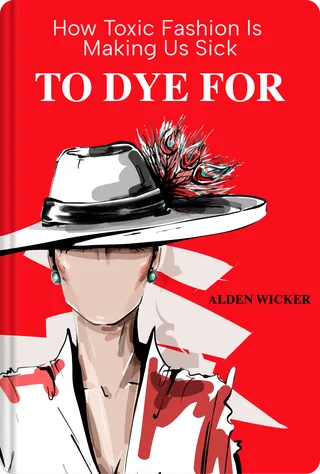
19To Dye For

To Dye For

Alden Wicker

Uncover the chemicals hidden in modern clothing and their potential impact on human health, the environment, and everyday life.

16 min

Listen to the intro

1:40

What is To Dye For about?

To Dye For (2023) investigates the hidden health risks of the chemicals used to make modern clothing. Alden Wicker explains how dyes, finishes, and other substances in everyday garments may affect the skin, hormones, and long-term health, and why the fashion industry is so poorly regulated. The book also offers practical advice for choosing safer clothing and pushing for better standards.

Who should read To Dye For?

  • Parents choosing safer clothes for their children
  • People with skin sensitivities or unexplained health symptoms
  • Shoppers who want to know what's in their clothes
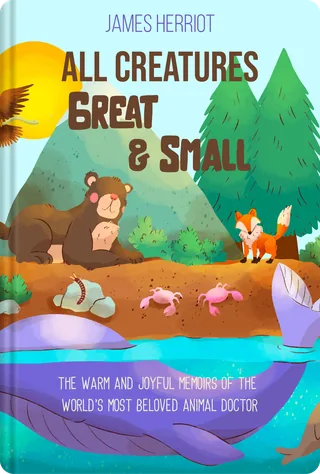
20All Creatures Great and Small

All Creatures Great and Small

James Herriot

Join a young veterinarian in Yorkshire for heartwarming, humorous stories of rural life and the powerful bond between people and animals.

18 min

Listen to the intro

1:01

What is All Creatures Great and Small about?

All Creatures Great and Small (1972) is a warm and funny account of life as a young country veterinarian in the Yorkshire Dales of England in the 1930s. James Herriot describes caring for cows, horses, dogs, and cats, and the colourful farmers and townspeople he meets along the way. The book celebrates kindness, hard work, and the bond between people and animals, and inspired popular television series.

Who should read All Creatures Great and Small?

  • Animal lovers who enjoy warm, funny true stories
  • Aspiring veterinarians curious about real life in practice
  • Readers seeking gentle escapes into rural countryside life

Related topics

Questions about Anthropology

What is a good book to start with on anthropology?

The Muqaddimah is an excellent starting point, as Ibn Khaldun explains how social cohesion, leadership and environment shape the rise and fall of civilizations. For a broad modern overview, Sapiens traces how shared beliefs and cooperation allowed humanity to spread across the world.

What will I learn from anthropology books?

You will learn how geography, faith, language and technology shape the identity and fortunes of peoples, as shown in Guns, Germs and Steel and Arabs. You will also see how cultures portray one another, a theme examined closely in Orientalism.

Who are these summaries for?

They suit curious readers who want to understand human societies, history and identity without reading lengthy academic volumes. Students, professionals and anyone interested in the heritage of the region and its place in the world story will find them useful.

Get the key ideas from the world's best books in about 15 minutes

Free account · One free summary every day