Get started

Topic

The best 21 Religion in Society summaries

Religion in Society explores how faith shapes identity, history, politics and everyday life, a question that matters deeply in a region where belief remains central to family, community and public life. The books here range from biographies of Prophet Mohammad (PBUH) and histories of Islamic civilization to studies of Judaism and Christianity, reflections on faith in an age of science, and accounts of how religion intersects with power in places like Iran and Myanmar. Readers can use these ideas to understand their own tradition more deeply, engage respectfully with other faiths, and make sense of the role religion plays in today's world.

1Morality

Morality

Jonathan Sacks

See how responsibility, empathy, and shared values shape stronger individuals, healthier communities, and a more meaningful world.

21 min

Listen to the intro

1:18

What is Morality about?

Morality (2020) argues that modern societies have lost a shared sense of moral responsibility, leaving people more isolated, anxious, and divided. Jonathan Sacks explores how the shift from we to I has affected families, communities, markets, politics, and online life. Drawing on religion, philosophy, and history, the book calls for a renewed commitment to the common good, built on trust, cooperation, and care for one another.

Who should read Morality?

  • Anyone worried about loneliness and division in modern society
  • Parents and educators who want to nurture shared values
  • Community leaders seeking to rebuild trust and cooperation
2Religion for Atheists

Religion for Atheists

Alain de Botton

Draw practical wisdom from religious traditions without adopting their doctrines, finding meaning, comfort, and connection through ritual and community.

16 min

Listen to the intro

1:39

What is Religion for Atheists about?

Religion for Atheists (2012) considers what people outside formal religious practice might learn from the traditions and institutions of religion. Alain de Botton examines community, education, art, architecture, gratitude, and moral reflection, arguing that these elements address enduring human needs. The book does not ask readers to adopt a particular faith, but invites them to study how religious communities have preserved meaning, belonging, discipline, and mutual care across generations.

Who should read Religion for Atheists?

  • Readers curious how religious traditions sustain community and meaning
  • Community builders seeking lessons in belonging and mutual care
  • Educators and designers exploring ritual, art and moral reflection
3Why Religion?

Why Religion?

Elaine Pagels

Explore why faith still matters in an age of science, offering meaning, comfort, and perspective when reason alone falls short.

16 min

Listen to the intro

1:31

What is Why Religion? about?

Why Religion? (2018) combines personal memoir with reflections on loss, hope, spiritual tradition, and the human search for meaning. The book considers how religious understanding can help people face suffering and major changes in life.

Who should read Why Religion??

  • Anyone coping with grief or a painful loss
  • Readers exploring how faith and science can coexist
  • People searching for meaning during major life changes
4Letters to a Young Muslim

Letters to a Young Muslim

Omar Saif Ghobash

A father’s thoughtful letters guide young Muslims through faith, identity, doubt, and life in the modern world.

14 min

Listen to the intro

1:31

What is Letters to a Young Muslim about?

Letters to a Young Muslim (2017) is a series of letters from Omar Saif Ghobash to his eldest son about growing up as a Muslim in today’s world. He addresses questions of faith, identity, responsibility, and how to respond to extremism, encouraging young people to think carefully and take ownership of their beliefs. The book offers a thoughtful and personal perspective on living with both conviction and openness.

Who should read Letters to a Young Muslim?

  • Young Muslims seeking to own their faith thoughtfully
  • Parents guiding children through questions of faith and identity
  • Anyone countering extremism with balanced, open-minded conviction
5Jewish Literacy

Jewish Literacy

Rabbi Joseph Telushkin

Explore Judaism’s defining ideas, stories, and traditions, and see how its enduring values continue to shape identity and meaning today.

18 min

Listen to the intro

1:01

What is Jewish Literacy about?

Jewish Literacy (1991) is a wide-ranging reference guide to the history, beliefs, and practices of Judaism. Rabbi Joseph Telushkin organises more than three hundred short entries on key figures, texts, holidays, and events, from ancient times to the modern era. Written for general readers, the book explains important terms and ideas in clear, accessible language.

Who should read Jewish Literacy?

  • Readers curious about Judaism's history, beliefs, and practices
  • Students of comparative religion seeking a clear reference
  • Anyone wanting to understand key Jewish terms and figures
6Islam

Islam

Karen Armstrong

Trace Islam’s evolution across fourteen centuries, from Prophet Muhammad (PBUH) to the modern world, and explore its enduring ideals and global influence.

25 min

Listen to the intro

1:24

What is Islam about?

Islam (2000) is a concise history of Islam from the revelation received by Prophet Muhammad (PBUH) in the seventh century to the modern world. Karen Armstrong traces the early Muslim community, the great caliphates and empires, the development of Islamic law and thought, and the challenges Muslims faced in the colonial and modern periods. The book aims to give Western readers a fair and informed understanding of Islam.

Who should read Islam?

  • Readers seeking a concise overview of Islamic history
  • Anyone explaining Islam to non-Muslim friends or colleagues
  • Students curious how Western scholars view Muslim civilization
7Myanmar's Enemy Within

Myanmar's Enemy Within

Francis Wade

Uncover how fear, nationalism, propaganda, and silence normalised violence against Myanmar’s Muslim minorities and allowed injustice to take root.

18 min

Listen to the intro

1:53

What is Myanmar's Enemy Within about?

Myanmar's Enemy Within (2017) investigates how nationalism, political change, and divisions over identity contributed to the persecution of the Rohingya in Myanmar. It provides historical and social context for understanding exclusion, displacement, and the dangers of hostility toward minority communities.

Who should read Myanmar's Enemy Within?

  • Readers seeking to understand the Rohingya crisis
  • Anyone concerned with minority rights and justice
  • Students of nationalism, propaganda and identity conflicts
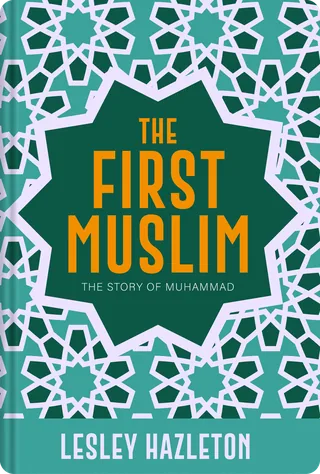
8The First Muslim

The First Muslim

Lesley Hazleton

Encounter the life of Prophet Muhammad (PBUH) through a human and historical lens, revealing how struggle, conviction, and moral courage shaped the birth of Islam.

21 min

Listen to the intro

0:56

What is The First Muslim about?

The First Muslim (2013) presents a biographical interpretation of the life of Prophet Mohammad (PBUH), tracing his journey from his early years in Mecca through revelation, migration, community building, and leadership. Lesley Hazleton places major events within their historical and social setting and seeks to make the narrative accessible to general readers. The book represents the author’s historical perspective and is not a substitute for recognised Islamic sources.

Who should read The First Muslim?

  • Readers curious about a historical perspective on the Prophet (PBUH)
  • History students exploring the social context of early Islam
  • Anyone comparing an author's perspective with recognized Islamic sources
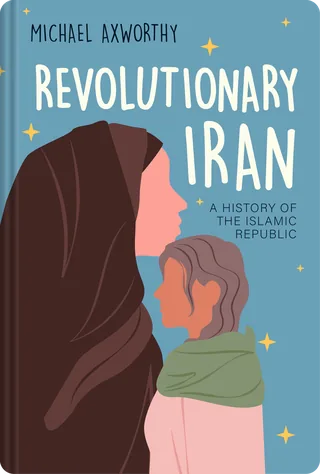
9Revolutionary Iran

Revolutionary Iran

Michael Axworthy

Trace Iran’s revolutionary journey to understand how ideology, religion, power, and historical memory continue to shape its identity and global choices.

19 min

Listen to the intro

1:52

What is Revolutionary Iran about?

Revolutionary Iran (2013) presents a modern history of Iran from the revolution of 1979 through the political and social developments that followed. It examines leadership, institutions, war, reform movements, and the changing relationship between the state and Iranian society.

Who should read Revolutionary Iran?

  • Readers seeking to understand modern Iran's political evolution
  • Students of Middle Eastern history and international relations
  • Analysts and journalists following Iran's regional and global role
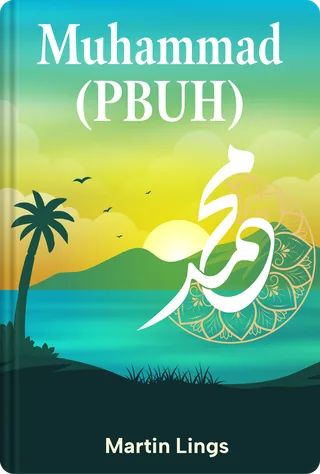
10Muhammad (PBUH)

Muhammad (PBUH)

Martin Lings

Explore the life, mission, and enduring legacy of Prophet Muhammad (PBUH) through a beautifully written account grounded in classical Islamic sources.

18 min

Listen to the intro

1:19

What is Muhammad (PBUH) about?

Muhammad (PBUH) (1983) is a biography of Prophet Muhammad (PBUH) based on the earliest Arabic sources, including the classical works of sira. Martin Lings tells the story of the Prophet’s life in clear, graceful prose, from his early years in Makkah and the first revelation to the migration to Madinah and the spread of Islam. The book is widely admired for its accuracy, respect, and readability.

Who should read Muhammad (PBUH)?

  • Anyone seeking a reliable, readable biography of the Prophet (PBUH)
  • Readers wanting to deepen their love for the Prophet (PBUH)
  • Students of Islamic history and the classical sira
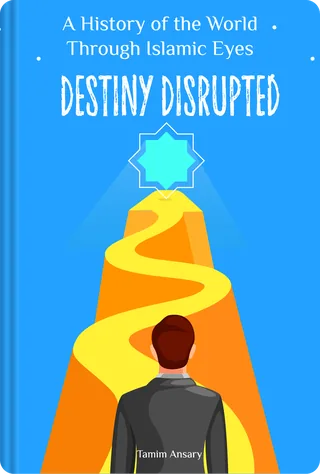
11Destiny Disrupted

Destiny Disrupted

Tamim Ansary

Revisit world history through the rise, ideas, and influence of Islamic civilisation, revealing its vital role in humanity’s shared story.

24 min

Listen to the intro

1:10

What is Destiny Disrupted about?

Destiny Disrupted (2009) retells world history from the perspective of the Islamic world. Beginning with the life of Prophet Muhammad (PBUH) and the early Muslim community, Tamim Ansary traces the rise of Islamic civilisation, its achievements in science and culture, its encounters with Europe, and the challenges of the modern era. The book helps readers understand how Muslims have seen their own history.

Who should read Destiny Disrupted?

  • History lovers seeking a non-Western view of the past
  • Anyone curious how Muslims understand their own history
  • Students exploring Islamic civilization's role in world history
12Children of Ash and Elm

Children of Ash and Elm

Neil Price

Enter the Viking world through archaeology, history, and myth, uncovering a complex culture of belief, ritual, honour, travel, and imagination.

22 min

Listen to the intro

1:47

What is Children of Ash and Elm about?

Children of Ash and Elm (2020) is a comprehensive history of the Vikings based on the latest archaeological discoveries. Neil Price looks beyond the popular image of raiders to explore how Viking-age people lived, including their families, social structures, trade networks, beliefs, and long-distance journeys. The book offers a vivid, detailed picture of a complex and fascinating culture.

Who should read Children of Ash and Elm?

  • History lovers curious about life beyond the Viking raids
  • Students of archaeology and early European civilizations
  • Anyone fascinated by ancient trade routes and long journeys
13Seculosity

Seculosity

David Zahl

Examine how modern pressures around success, identity, and self-worth fuel anxiety, and find a healthier sense of meaning through grace, rest, and freedom from constant self-optimisation.

13 min

Listen to the intro

1:11

What is Seculosity about?

Seculosity (2019) examines how people in increasingly secular societies continue to pursue religious forms of identity, meaning, and salvation through everyday activities. David Zahl argues that careers, parenting, technology, food, politics, romance, and leisure can become substitute religions that constantly demand achievement and personal perfection. The book explores the anxiety created by the feeling of never being successful, attractive, productive, or virtuous enough, and presents acceptance, compassion, and grace as alternatives to endless self-justification.

Who should read Seculosity?

  • Professionals exhausted by constant pressure to achieve more
  • Parents who feel they are never doing enough
  • Anyone seeking meaning beyond productivity, status and self-improvement
14A History of God

A History of God

Karen Armstrong

Trace how ideas of God evolved across Judaism, Christianity, and Islam in response to history, suffering, wonder, and humanity’s search for meaning.

17 min

Listen to the intro

1:40

What is A History of God about?

A History of God (1993) traces changing ideas about God across the histories of Judaism, Christianity, and Islam. It examines how religious thought developed in response to cultural, intellectual, and political changes over many centuries.

Who should read A History of God?

  • Readers curious about the history of religious thought
  • Students of comparative religion and theology
  • Anyone exploring how Judaism, Christianity and Islam developed
15The Life of Saladin

The Life of Saladin

Beha Ed-Din Ibn Shaddad

Trace Saladin’s rise as a unifying leader during the Crusades and uncover how his strategy, justice, and chivalry shaped one of history’s most enduring legacies.

16 min

Listen to the intro

1:13

What is The Life of Saladin about?

The Life of Saladin (1897) presents an intimate account of Salah al-Din al-Ayyubi’s character, leadership, military campaigns, religious devotion, and final years. Based largely on direct observation, the book describes his struggle against the Crusaders, the recovery of Jerusalem, and his encounters with the forces of the Third Crusade. It also reveals his generosity, discipline, sense of justice, and relationships with soldiers, scholars, and political allies. The original medieval biography was written by a close companion of Salah al-Din and published in this English translation in 1897.

Who should read The Life of Saladin?

  • History enthusiasts curious about the Crusades and Jerusalem
  • Leaders seeking lessons in justice, unity and discipline
  • Readers who want an eyewitness portrait of Saladin
16A Brief History of Thought

A Brief History of Thought

Luc Ferry

Trace the evolution of Western philosophy and see how its greatest traditions confront life’s enduring questions of meaning, freedom, mortality, and wisdom.

18 min

Listen to the intro

1:06

What is A Brief History of Thought about?

A Brief History of Thought (2006) introduces the great ideas of Western philosophy through one central question: how can we live well once we know we will die? Luc Ferry traces the answers offered by Greek Stoicism, Christianity, modern humanism, and postmodern thinkers such as Nietzsche and Heidegger. Written with clarity for general readers, the book shows philosophy as a search for wisdom and a good life.

Who should read A Brief History of Thought?

  • Beginners curious about the big ideas of Western philosophy
  • Readers reflecting on meaning, mortality and living well
  • Students seeking a clear overview of major thinkers
17Mere Christianity

Mere Christianity

C.S. Lewis

Examine the rational case for Christian faith through timeless questions of morality, human nature, and life’s deeper meaning.

18 min

Listen to the intro

1:32

What is Mere Christianity about?

Mere Christianity (1952) presents C.S. Lewis’s explanation and defence of the central beliefs shared by many Christian traditions. Developed from radio talks delivered during the Second World War, the book discusses morality, faith, human nature, forgiveness, and spiritual transformation. Lewis uses everyday examples and logical arguments to make complex religious ideas accessible to general readers.

Who should read Mere Christianity?

  • Readers curious how Christians explain their core beliefs
  • Students of comparative religion and moral philosophy
  • Anyone reflecting on questions of morality and human nature
18Gentle and Lowly

Gentle and Lowly

Dane Ortlund

Experience Jesus as gentle and compassionate, finding rest, grace, and comfort in a faith that embraces human weakness.

14 min

Listen to the intro

1:53

What is Gentle and Lowly about?

Gentle and Lowly (2020) examines the compassion and mercy at the heart of Christian teachings about Jesus. It offers reassurance to readers facing weakness or hardship and emphasises the importance of approaching faith with trust and humility.

Who should read Gentle and Lowly?

  • Christians who feel weighed down by their own failings
  • Anyone facing hardship who longs for comfort and rest
  • Readers curious about Christian teachings on mercy and compassion
19What Is the Bible?

What Is the Bible?

Rob Bell

See the Bible as a living conversation about justice, love, and meaning, inviting a deeper and more honest engagement with faith.

17 min

Listen to the intro

1:47

What is What Is the Bible? about?

What Is the Bible? (2017) introduces the Bible as a diverse collection of stories, poetry, history, and spiritual reflection. It encourages readers to consider the historical context of its texts and the enduring questions they raise about faith, justice, and human life.

Who should read What Is the Bible??

  • Readers curious about the Bible's history and literary forms
  • Christians seeking a more reflective reading of scripture
  • Students of religion exploring sacred texts in historical context
20The Bible Recap

The Bible Recap

Tara-Leigh Cobble

See the Bible as one connected story by understanding its context and themes, turning daily reading into deeper insight and reflection.

16 min

Listen to the intro

1:23

What is The Bible Recap about?

The Bible Recap (2020) is a structured companion designed to help readers understand the Bible through a yearlong reading plan. Each section summarises the day’s passages, explains their historical and spiritual context, and highlights their place within the broader biblical narrative. The book aims to make regular scripture reading more understandable and consistent while encouraging readers to focus on the character of God and the central message of each passage.

Who should read The Bible Recap?

  • Christians committed to reading the whole Bible in a year
  • Readers who struggle to understand the context of biblical passages
  • Bible study groups wanting a structured daily reading companion

Related topics

Questions about Religion in Society

What is a good book to start with on religion in society?

Destiny Disrupted is an excellent starting point, as it retells world history through the rise and influence of Islamic civilization. For a broader view across the Abrahamic faiths, A History of God traces how ideas of God developed in Judaism, Christianity and Islam.

What will I learn from books on religion in society?

You will learn how faith has shaped civilizations, political movements and personal identity over centuries. Titles such as Revolutionary Iran and Myanmar's Enemy Within show how religion interacts with power, nationalism and the treatment of minorities.

Who are these summaries for?

They suit anyone curious about the place of faith in history and modern life, from students and professionals to parents and young people. Young Muslims navigating questions of identity may find Letters to a Young Muslim especially helpful.

Get the key ideas from the world's best books in about 15 minutes

Free account · One free summary every day