
You are in a meeting and a colleague goes quiet right after you speak. Ten minutes later you are still wondering what that silence meant. Psychology will not give you a certain answer, but it will teach you to ask better questions about what you saw.
Most people who want to start with psychology open a search page, see fifty titles, and close it again. The problem is rarely a lack of interest. It is that nobody tells you which book to read first.
So here is a reading order instead of a list. Five summaries, each one building on the last: how to read the people around you, the emotions underneath their behavior, what makes effort feel good, why some people grow while others freeze, and the question all of it serves.
Each summary takes about 15 minutes. You can listen to it on the drive home or read it before bed. And each one leaves you with a single idea you can test today, not someday.
Why the order matters
Psychology is easier to absorb when it moves outward to inward. You begin by watching other people, because that is the easiest place to practice. Then you turn to the feelings behind the behavior, including your own. Only after that does it make sense to ask what helps you do your best work, and what holds you back.
The last step is the biggest question: what is all this effort for? That is why the list ends with Viktor Frankl and not with a productivity trick.
What psychology can and cannot do for you
Be honest with yourself before you start. A psychology book will not fix your life in a week, and it will not turn you into someone who reads minds. These books describe patterns in how people tend to think and behave. They are lenses, not verdicts.
Used well, a lens helps you pause before you react, notice what you would have missed, and choose a better response. That is a modest promise, and it is a real one.
How to use this list
Do not read all five in one weekend. Take one summary, try its idea for a few days, and only then move to the next. One idea that you actually tried is worth more than five that you only understood.
If you prefer to read in Arabic, every title below is available in Arabic as well as English, in audio and in text.
Start with the first summary today
Try a free summaryYou get a free summary every day, in Arabic or English, in audio or text.The five summaries, in reading order
Start at the top and work down. Each one prepares you for the next.
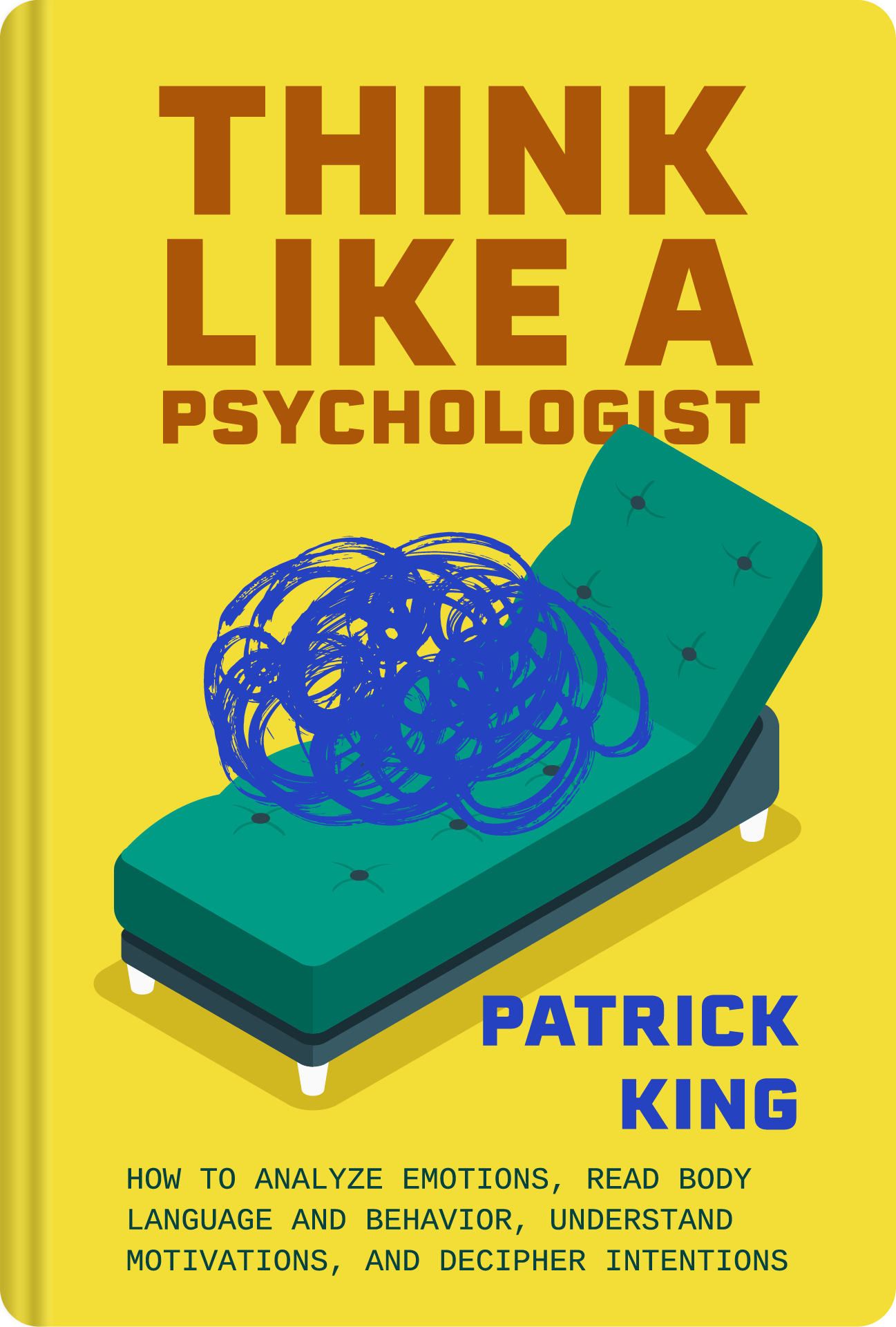 Think Like a PsychologistPatrick KingYou take away a set of practical ideas for noticing behavior more carefully and recognizing common thinking patterns, without trying to diagnose anyone.Listen to the summary →
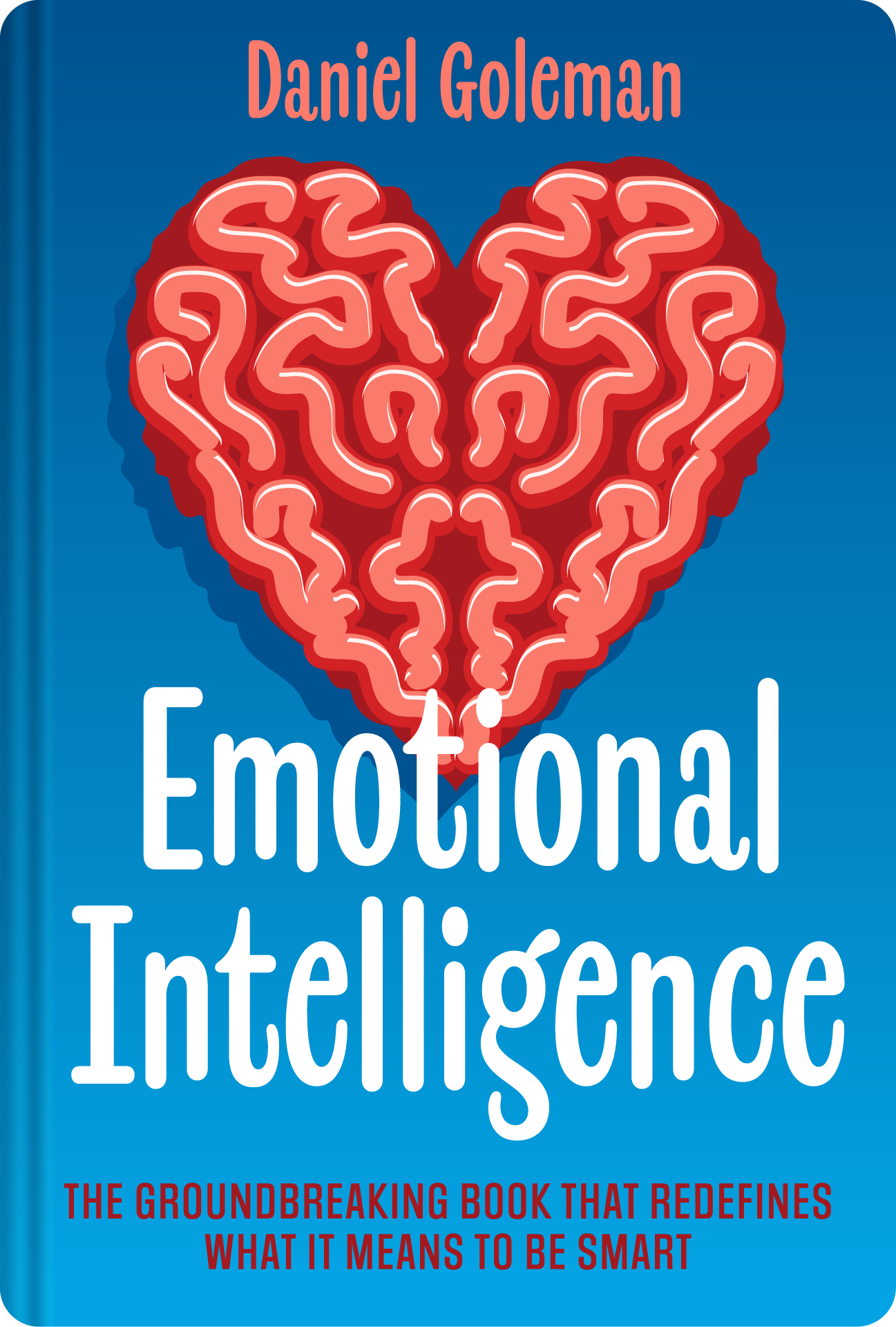 Emotional IntelligenceDaniel GolemanYou take away Goleman's five elements of emotional intelligence (self-awareness, self-regulation, motivation, empathy and social skills) and the point that they can be developed at any age.Listen to the summary →
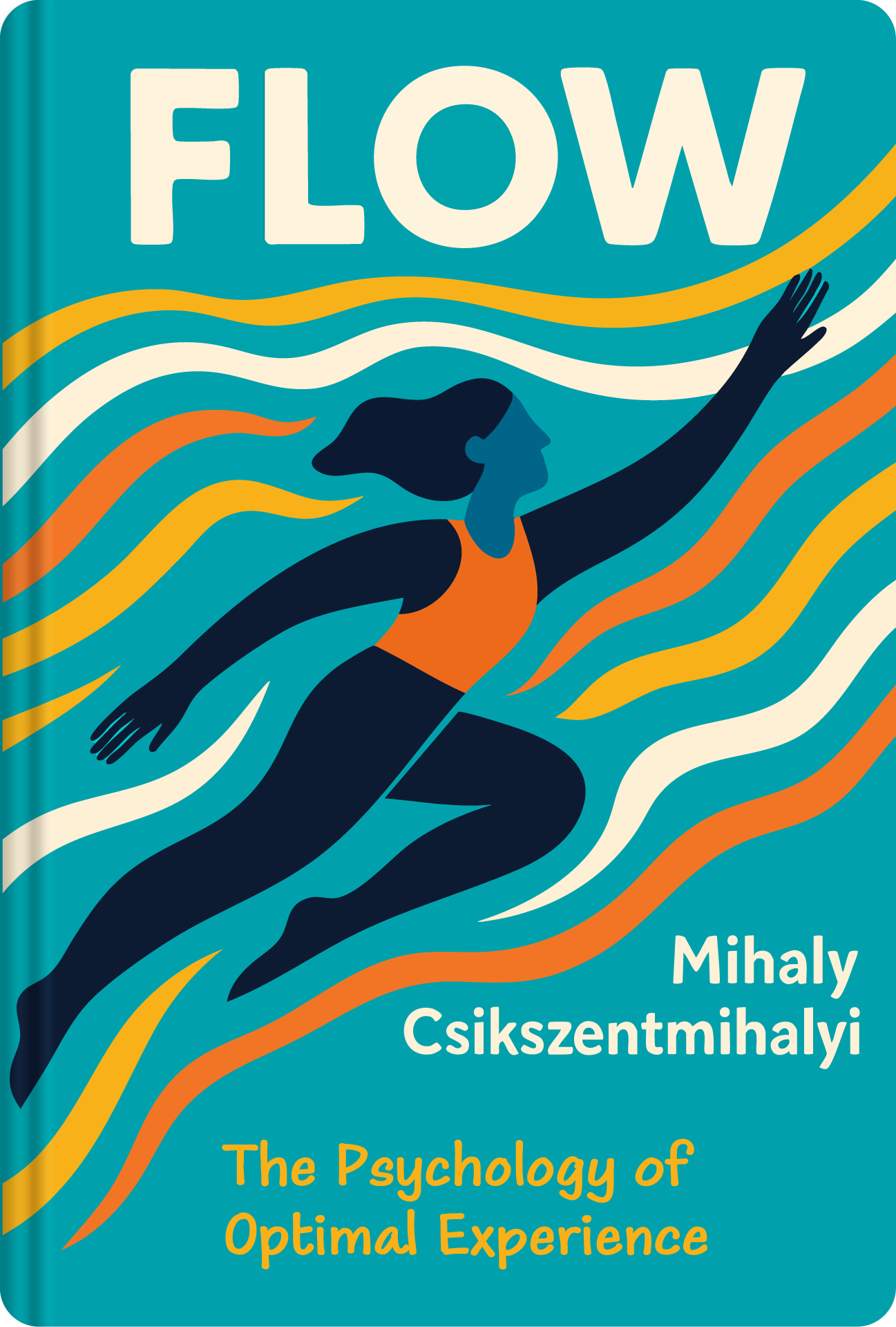 FlowMihaly CsikszentmihalyiYou take away the idea that flow happens when your skills match a meaningful challenge, with clear goals and immediate feedback.Listen to the summary →
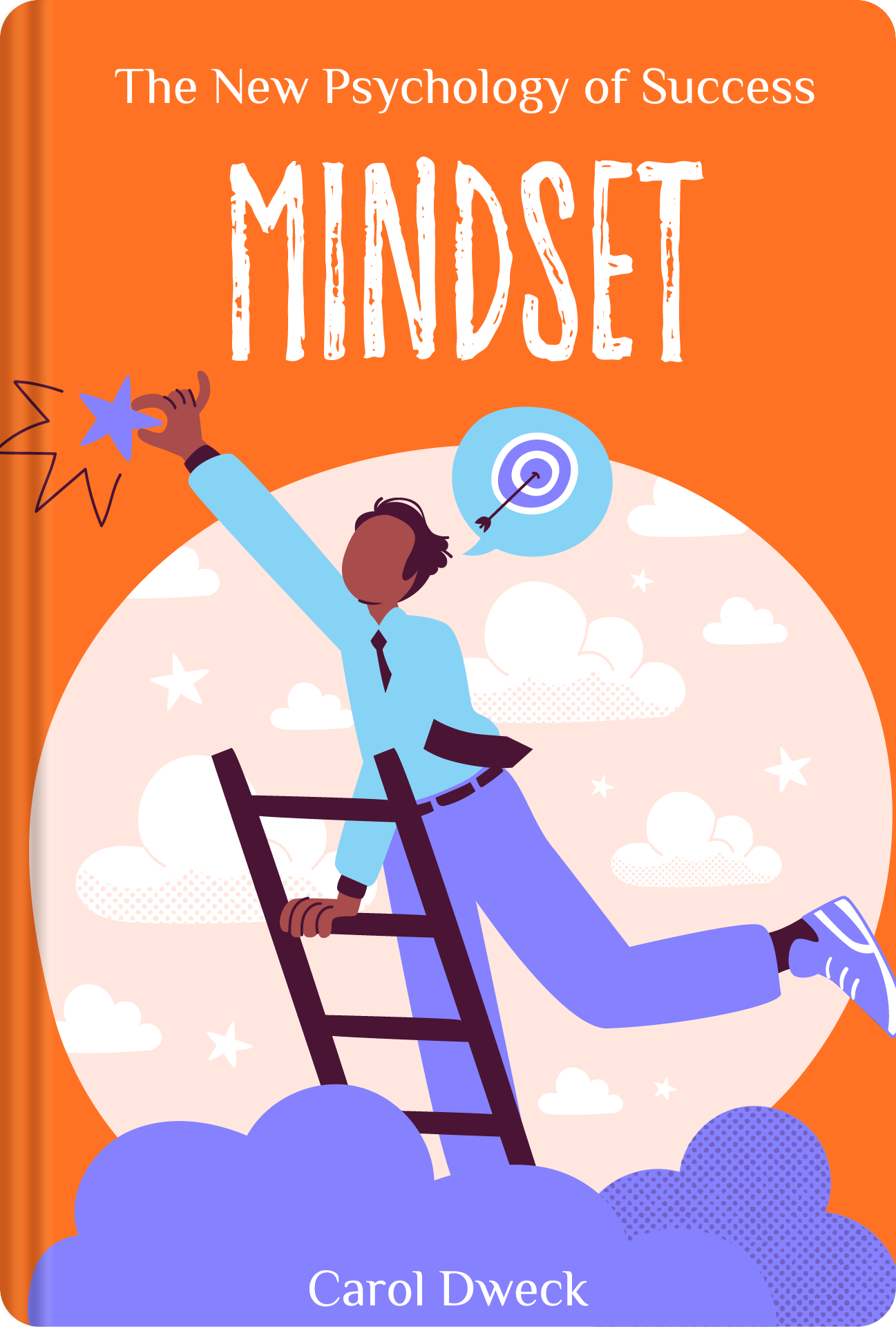 MindsetCarol DweckYou take away the difference between a fixed mindset and a growth mindset, and why treating ability as something you can develop changes how you handle failure.Listen to the summary →
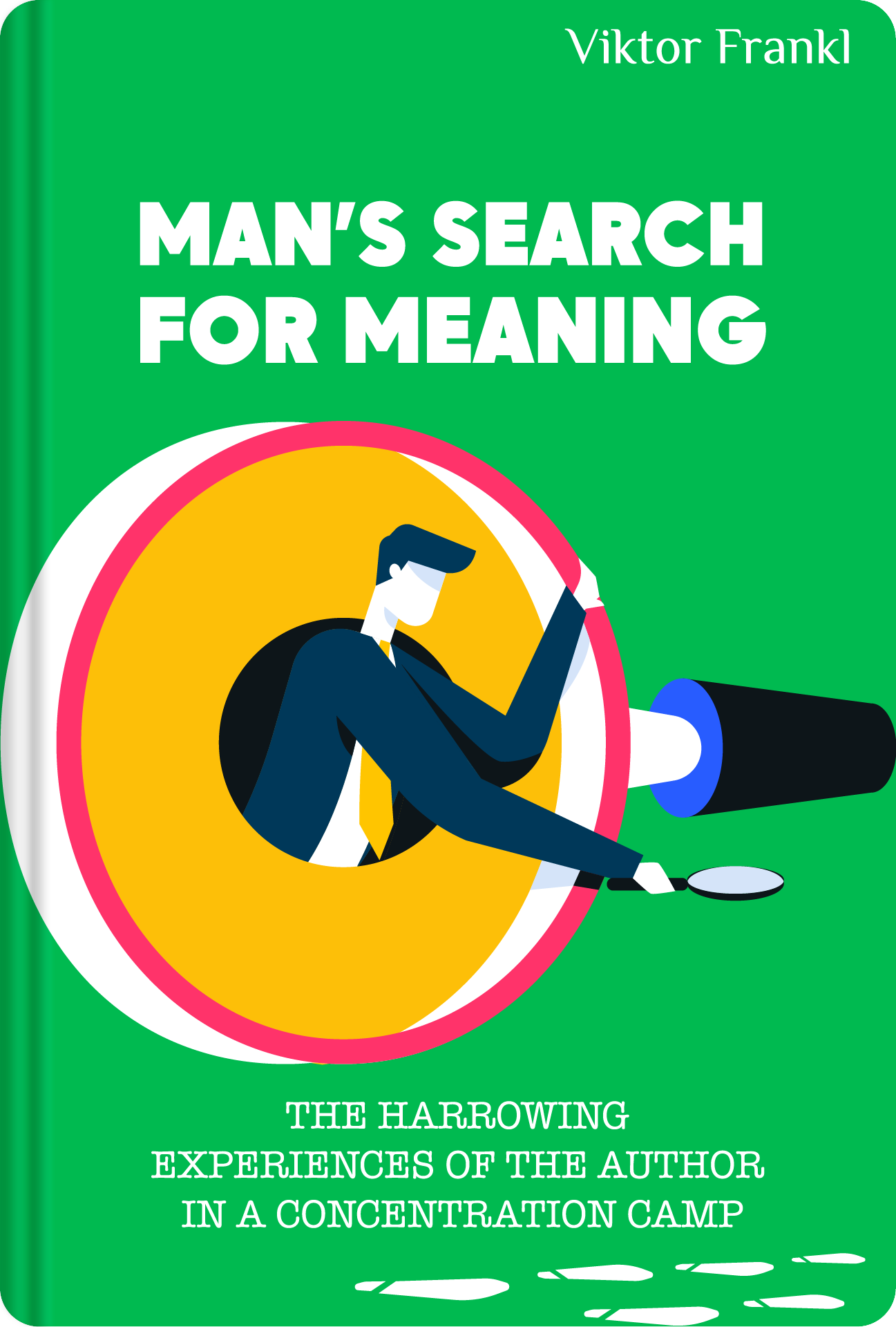 Man’s Search for MeaningViktor FranklYou take away Frankl's observation that a sense of purpose helped people endure even the hardest suffering, and his view that the search for meaning is a primary force in human life.Listen to the summary →
A five-day experiment
Take one idea per day, in the same order. Each is small enough to try between lunch and your next task.
- Day one, from Think Like a Psychologist: in one conversation, observe before you interpret. Notice what the person actually did or said, and hold your guess about why for later.
- Day two, from Emotional Intelligence: when you feel irritated or anxious, stop and name the feeling in one word before you act on it.
- Day three, from Flow: pick one task and make it clearer. Write down exactly what done looks like, and check your progress as you go.
- Day four, from Mindset: when something goes wrong, replace "I'm not good at this" with "I haven't learned this yet, so what is my next step?"
- Day five, from Man's Search for Meaning: write one sentence about who or what your effort is for. Read it again tomorrow morning.
At the end of the week, notice which day changed something, even slightly. That is the book to go deeper into first.
Start with people, move to feelings, and end with meaning.
Ready to read all five?
Start your free 14 daysNearly 1,000 summaries in Arabic and English. The yearly plan includes 14 days free, and you can cancel anytime.Questions people ask
What are the best psychology books for beginners?
There is no single best, but a good start is five books in this order: Think Like a Psychologist, Emotional Intelligence, Flow, Mindset and Man's Search for Meaning. They move from understanding others, to understanding emotions, to effort, growth and purpose. Durar has a 15-minute summary of each.
Can I learn psychology from summaries instead of full books?
A summary gives you the main ideas and helps you decide which book deserves your full attention. Many readers use summaries to choose, then read the original of the one that spoke to them most. It is a starting point, not a replacement for the whole book.
Will reading psychology help me understand other people?
It can help you notice more and judge less quickly, which improves how you communicate. It cannot tell you exactly what someone is thinking, and it should never be used to diagnose people. Think of it as a tool for better questions, not a way to read minds.