
Drive an hour out of the city, switch off the engine and lie back on the cool sand. Without the city lights, the sky fills with more stars than you thought existed, and the Milky Way stretches across it like a river of light.
Moments like that bring the oldest questions back. How did all this begin? How big is it? What is time, really? Is there anything out there we have not imagined yet?
Our region has a long history with those questions. Many of the brightest stars still carry Arabic names, such as Aldebaran, Altair and Betelgeuse, because astronomers writing in Arabic recorded and studied them centuries ago. Today the region has new space ambitions of its own, including the UAE's Hope probe, which reached orbit around Mars in 2021.
You do not need a physics degree to enjoy the answers modern science has found so far. These five summaries, each about fifteen minutes, take some of the most popular science books ever written and make them clear: the Big Bang and black holes, the story of the cosmos, hidden dimensions, the real science behind science fiction, and the discoveries likely to shape this century. At the end there is a reading order for one curious evening a week.
The biggest questions, in plain language
Stephen Hawking's A Brief History of Time became one of the best-selling science books in history because it took the hardest questions seriously and still spoke to ordinary readers. How did the universe begin? What happens inside a black hole? Why does time seem to move in only one direction?
Carl Sagan's Cosmos, written alongside his famous television series, adds the human story: the birth of stars and galaxies, the origins of life on Earth, and the great thinkers who helped us understand our place in the universe. Both books share a sense of wonder that is contagious.
More dimensions than we can see
Michio Kaku has a gift for making advanced physics exciting. In Hyperspace he explains the idea that our universe may have more dimensions than the three we experience, and how that idea could help unite the forces of nature.
Along the way he explores wormholes, parallel universes and time travel. Some of these ideas may never be proven, but thinking about them stretches the imagination in a way few subjects can.
Science fiction, science fact
In Physics of the Impossible, Kaku sorts famous science-fiction ideas, such as force fields, invisibility, teleportation and time travel, into three classes: those that may become possible this century, those that may take thousands of years, and those that break the known laws of physics.
Physics of the Future looks ahead to the year 2100. Based on interviews with hundreds of scientists, it considers coming advances in computers, artificial intelligence, medicine, energy and space travel, and how they might change daily life. It is a fascinating way to think about the world your children will grow up in.
Wonder is a good habit
Learning about the scale of the universe has a way of putting daily worries in perspective. A difficult week at work looks different next to a galaxy of hundreds of billions of stars.
For many readers, that wonder also deepens a sense of awe at creation. Science explains how things work. Curiosity about it is one of the most natural and rewarding habits a person can build, and it is a wonderful one to share with children.
Start with a free summary today
Read today's free summaryA free summary every day, in Arabic or English, audio or text.Five summaries, in the order we would read them
Start with Hawking and Sagan for the foundations, then let Michio Kaku take you into hidden dimensions and the future.
 A Brief History of TimeStephen HawkingYou explore the Big Bang, black holes, the nature of time and the search for a theory that unites all of physics, in language general readers can follow.Listen to the summary →
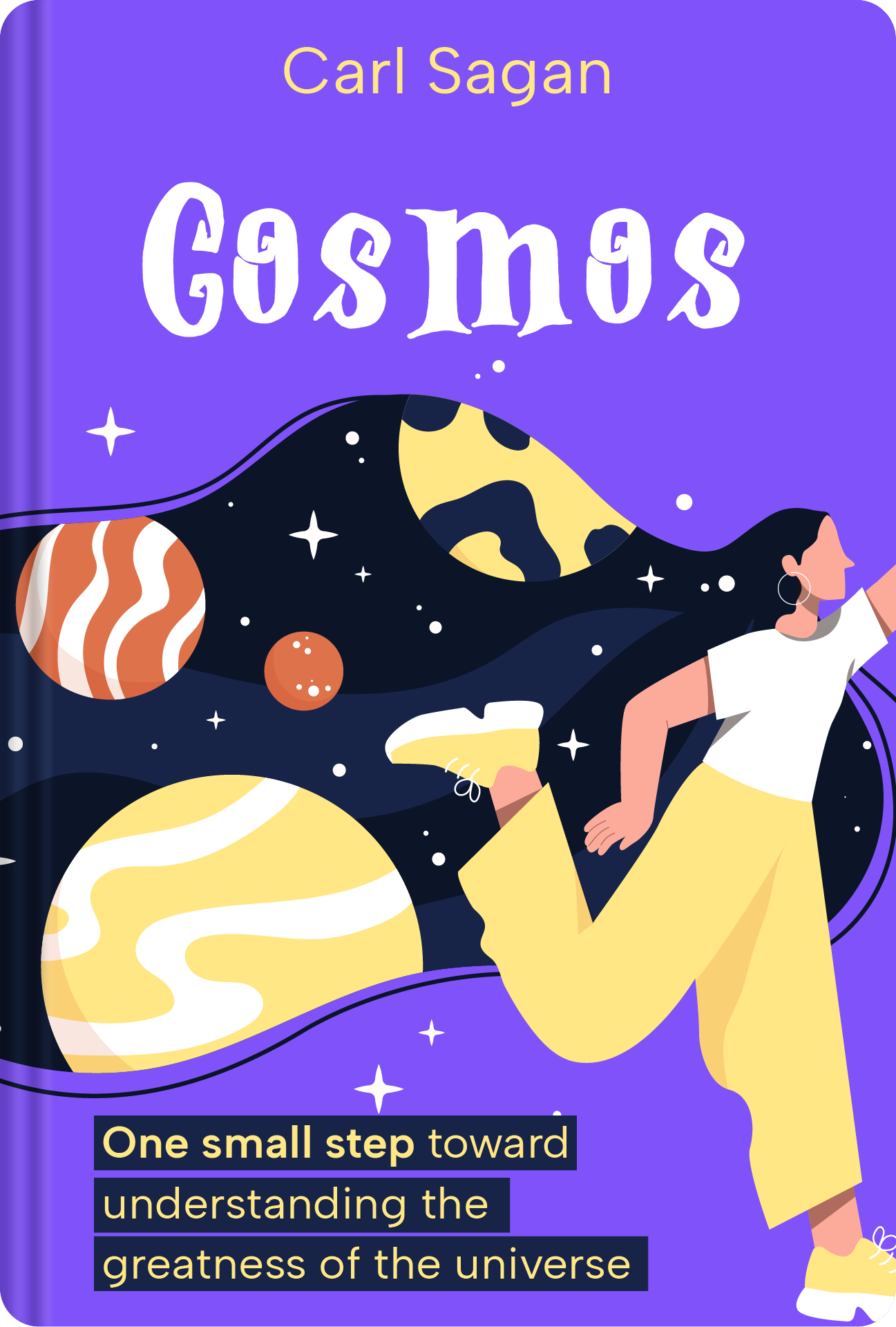 CosmosCarl SaganYou travel through the birth of stars and galaxies, the origins of life on Earth and the thinkers who helped humanity understand its place in the cosmos.Listen to the summary →
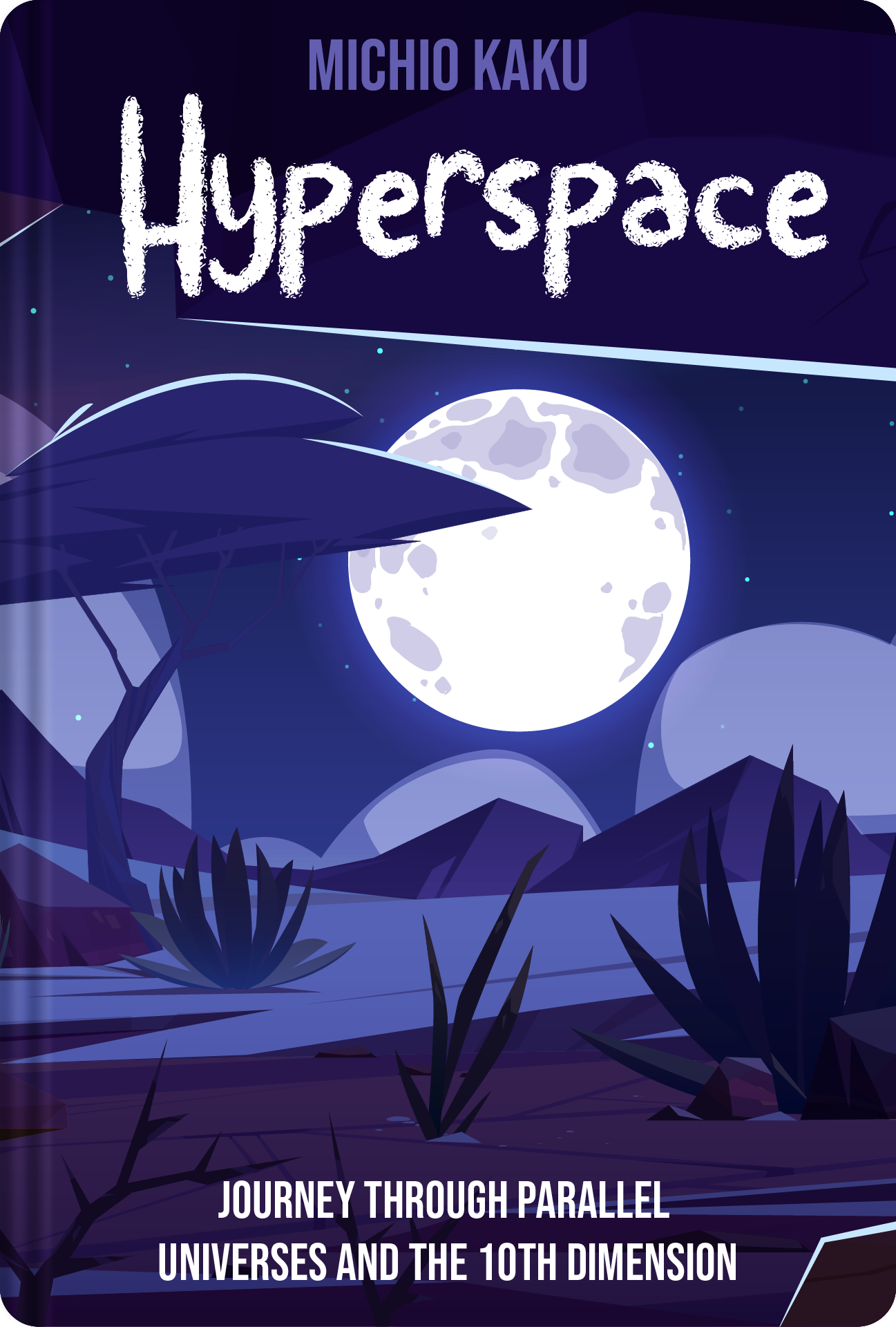 HyperspaceMichio KakuYou discover the idea that the universe may have more dimensions than the three we see, and how it connects to wormholes, parallel universes and time travel.Listen to the summary →
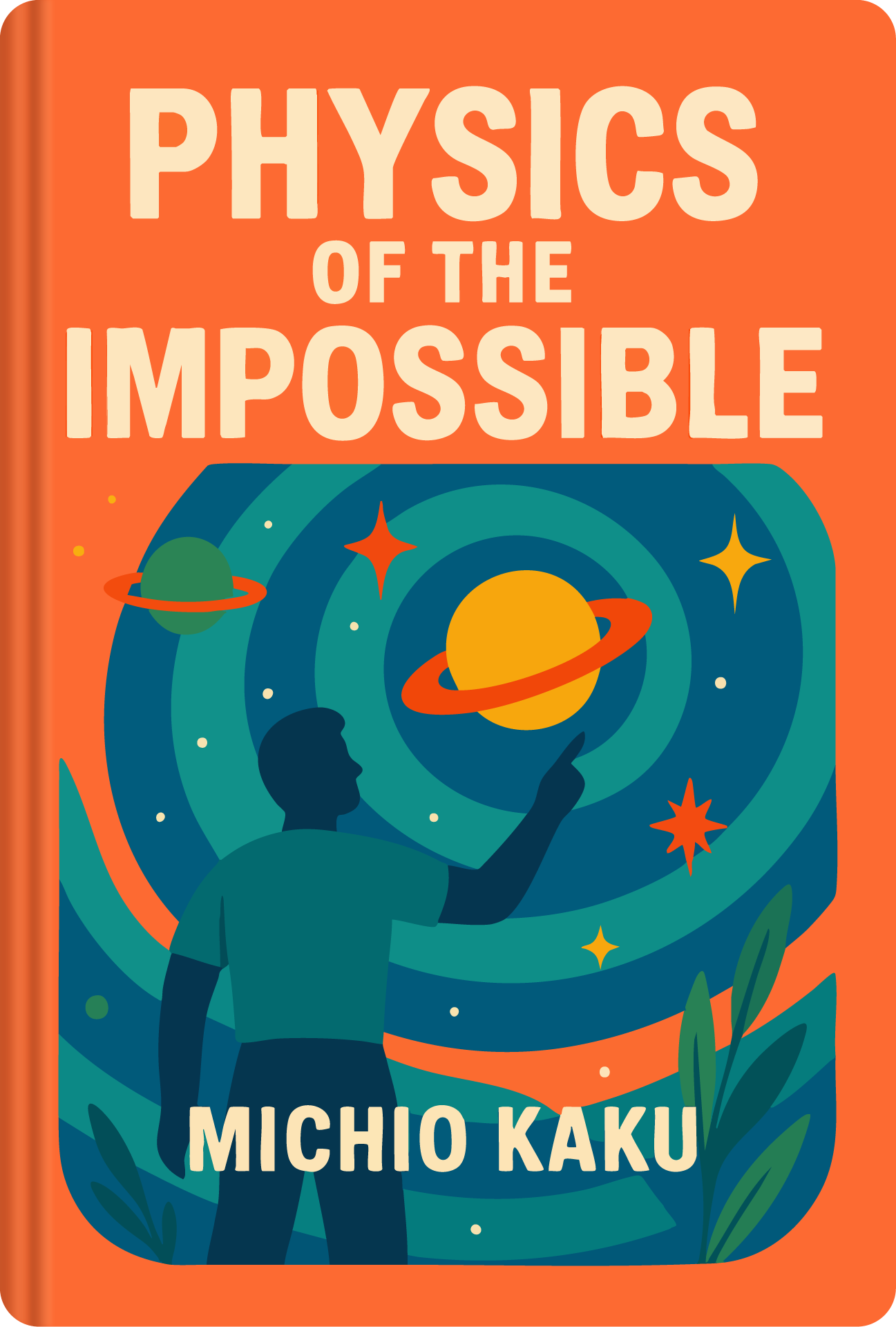 Physics of the ImpossibleMichio KakuYou see which science-fiction ideas, from invisibility to time travel, may be possible within this century, in thousands of years, or never under known physics.Listen to the summary →
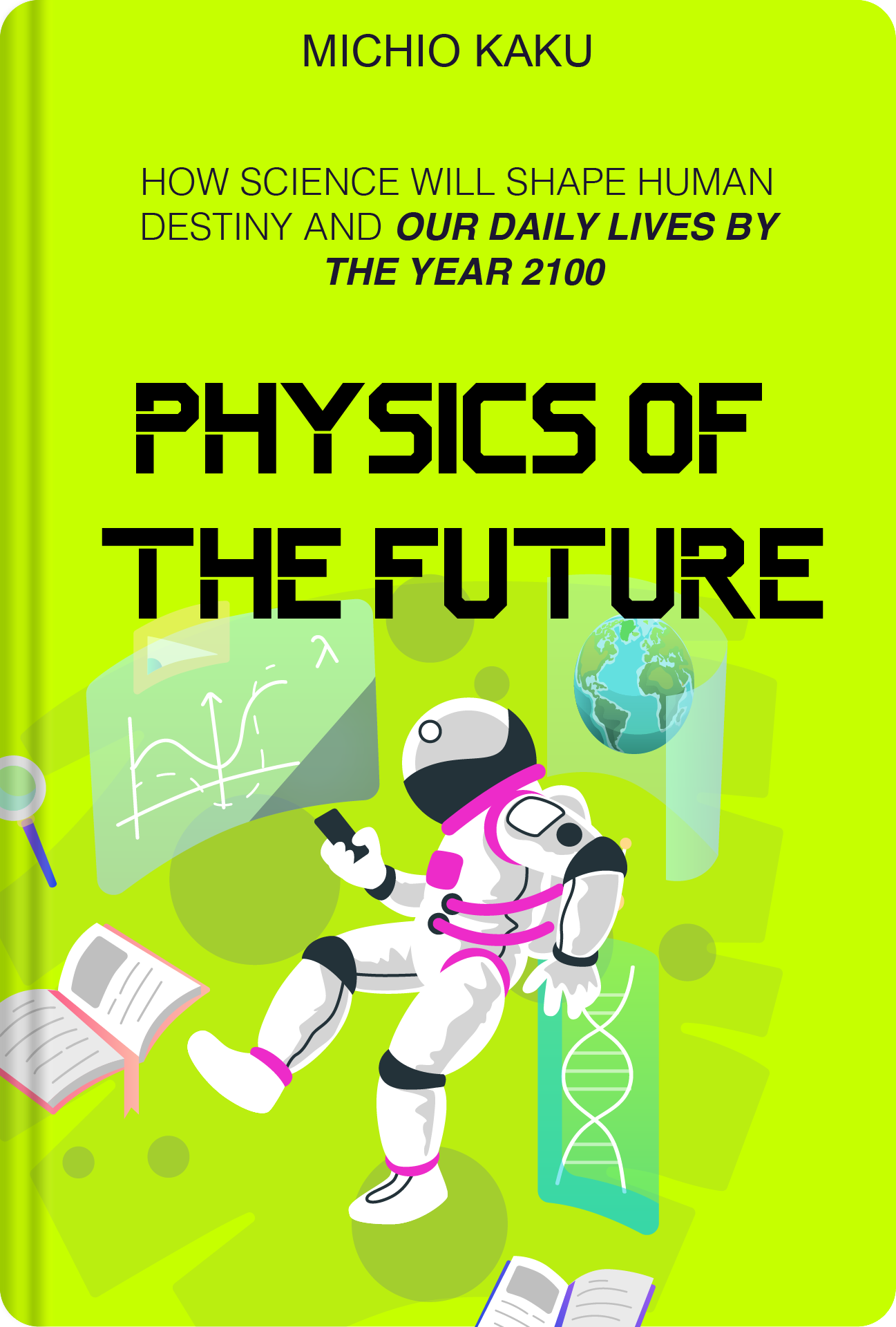 Physics of the FutureMichio KakuYou get a forecast of how computers, AI, medicine, nanotechnology, energy and space travel could change daily life by 2100, based on interviews with hundreds of scientists.Listen to the summary →
One curious evening a week
Five weeks, five summaries, about fifteen minutes each. Pair each one with something you can do or see.
- Week 1: A Brief History of Time. Then step outside and find the brightest star you can see. Look up its name.
- Week 2: Cosmos. Then find the Moon tonight and notice where it sits compared with last week.
- Week 3: Hyperspace. Then try to explain the idea of an extra dimension to a friend or a child in two minutes.
- Week 4: Physics of the Impossible. Then pick your favourite science-fiction idea and decide which of Kaku's three classes it belongs to.
- Week 5: Physics of the Future. Then write down one change you expect to see in your lifetime, and keep the note.
After five weeks you will look at the night sky differently, and you will have more interesting conversations at the next family gathering.
Look up tonight. Then read what we know so far.
Try Durar free for 14 days
Start your 14-day trialNearly 1,000 summaries in Arabic and English on the yearly plan. Cancel anytime.Questions people ask
Is A Brief History of Time hard to understand?
It covers deep ideas, but Hawking wrote it for general readers. The fifteen-minute summary explains the Big Bang, black holes and the nature of time in clear, simple language.
What is the best book about the universe for beginners?
Carl Sagan's Cosmos and Stephen Hawking's A Brief History of Time are two of the most popular science books ever published and are excellent starting points.
Which stars have Arabic names?
Many bright stars keep names that come from Arabic, including Aldebaran, Altair and Betelgeuse, a reminder of the long tradition of astronomy written in Arabic.