
You come home after a long day and snap at someone you love over something small. Ten minutes later you feel terrible, and you cannot quite explain where the anger came from.
Or it happens at night. The lights are off, the house is quiet, and your mind replays a conversation from three days ago, word by word, looking for what you should have said.
Most of us were taught to manage our emotions by ignoring them, pushing through, or feeling guilty for having them at all. It works for a while, until it does not. Feelings that are never understood tend to come out sideways: in irritation, in sleepless nights, in a tiredness that rest does not fix.
Emotional intelligence is often described as reading other people. It starts earlier than that, with reading yourself. These five summaries, each about fifteen minutes, show how to understand what your emotions are telling you, how to stop feeling ashamed of them, how to quiet an overthinking mind, how to care for others without drowning in their feelings, and how to recover when you are running on empty. At the end there is a three-question check-in you can do each evening.
Emotions are messengers, not enemies
Karla McLaren's central idea is freeing: every emotion carries information. Anger often signals that a boundary has been crossed. Fear points to something that needs attention. Sadness tells you that something mattered to you. Even shame and joy have something to say.
When you treat a feeling as a message instead of a problem, the question changes from “How do I make this stop?” to “What is this trying to tell me?” That small shift is often enough to calm the storm and show you what to do next.
Faith and feelings are not opposites
Many of us carry an unspoken belief that strong emotions mean weak faith, or that a grateful person should never feel sad, anxious or angry. That belief adds a second layer of guilt on top of the first feeling.
Alison Cook's approach, which combines psychology with faith-based insight, is helpful here. Name what you feel honestly, steady yourself, then act with courage. Feeling something difficult is human. What we do with the feeling is where our values show.
When the mind will not switch off
Overthinking feels like problem-solving, but it rarely solves anything. It circles. Nick Trenton explains how these loops begin and why certain thoughts repeat, then offers practical techniques to notice the pattern, return to the present and respond with more clarity.
The same is true for burnout, which often looks like an emotional problem but starts as a pattern of neglecting your own needs. Rest helps, but lasting recovery usually means clearer priorities and healthier boundaries.
Caring without carrying everything
In close families and tight communities, we often absorb the moods of everyone around us. That empathy is a gift, but without limits it becomes exhausting. Psychiatrist Judith Orloff shows how to understand others deeply while protecting your own energy.
A note of care: these summaries support emotional awareness and everyday wellbeing. They do not replace professional help. If what you are carrying feels too heavy, speaking to a qualified counsellor or doctor is a sign of strength.
Start with a free summary today
Read today's free summaryA free summary every day, in Arabic or English, audio or text.Five summaries, in the order we would read them
Start with the first to learn the language of your feelings. Then follow the order, or go straight to overthinking or burnout if that is where you are today.
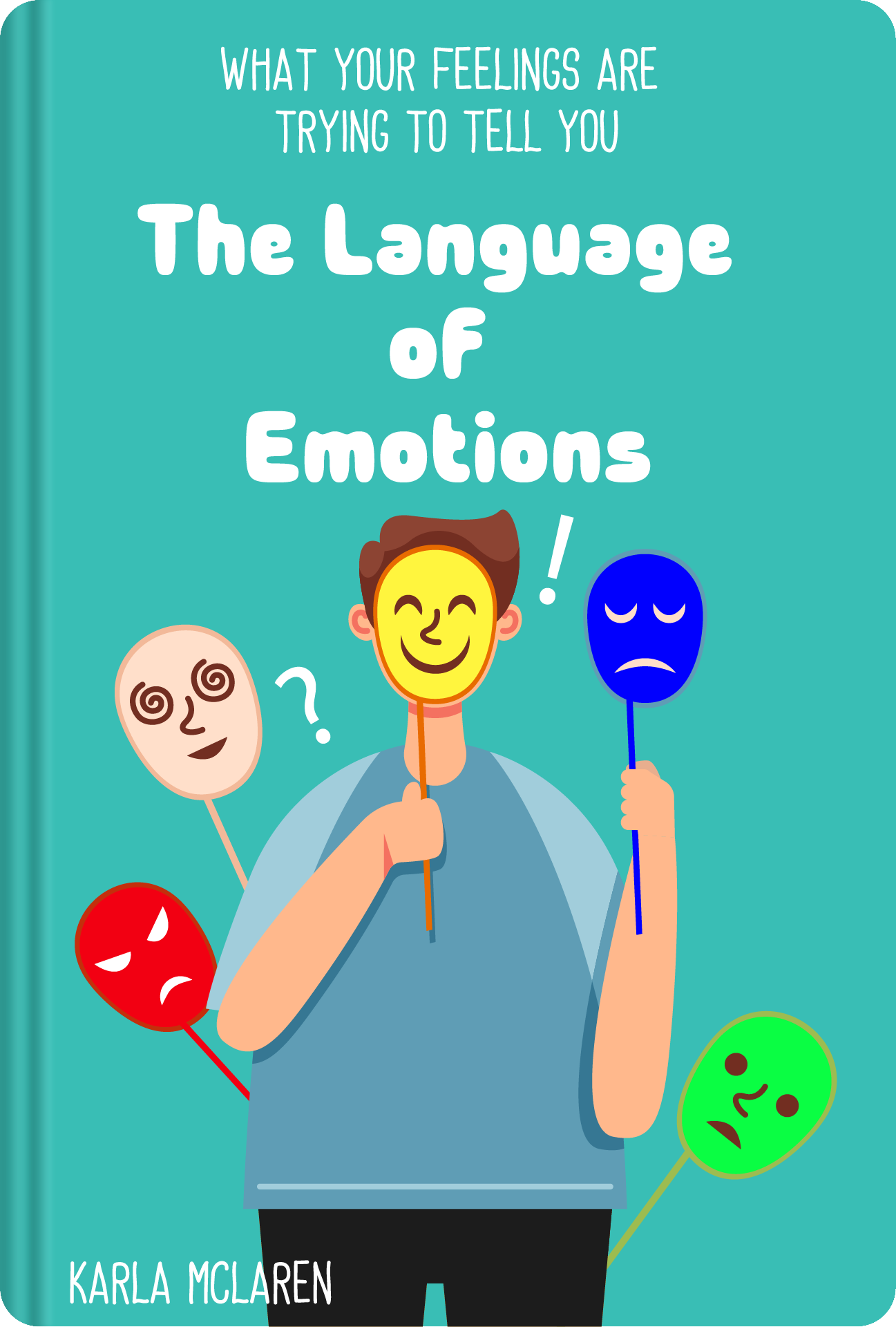 The Language of EmotionsKarla McLarenYou learn what each emotion, from anger and fear to sadness, shame and joy, is trying to tell you, and how to respond with skill instead of suppressing it.Listen to the summary →
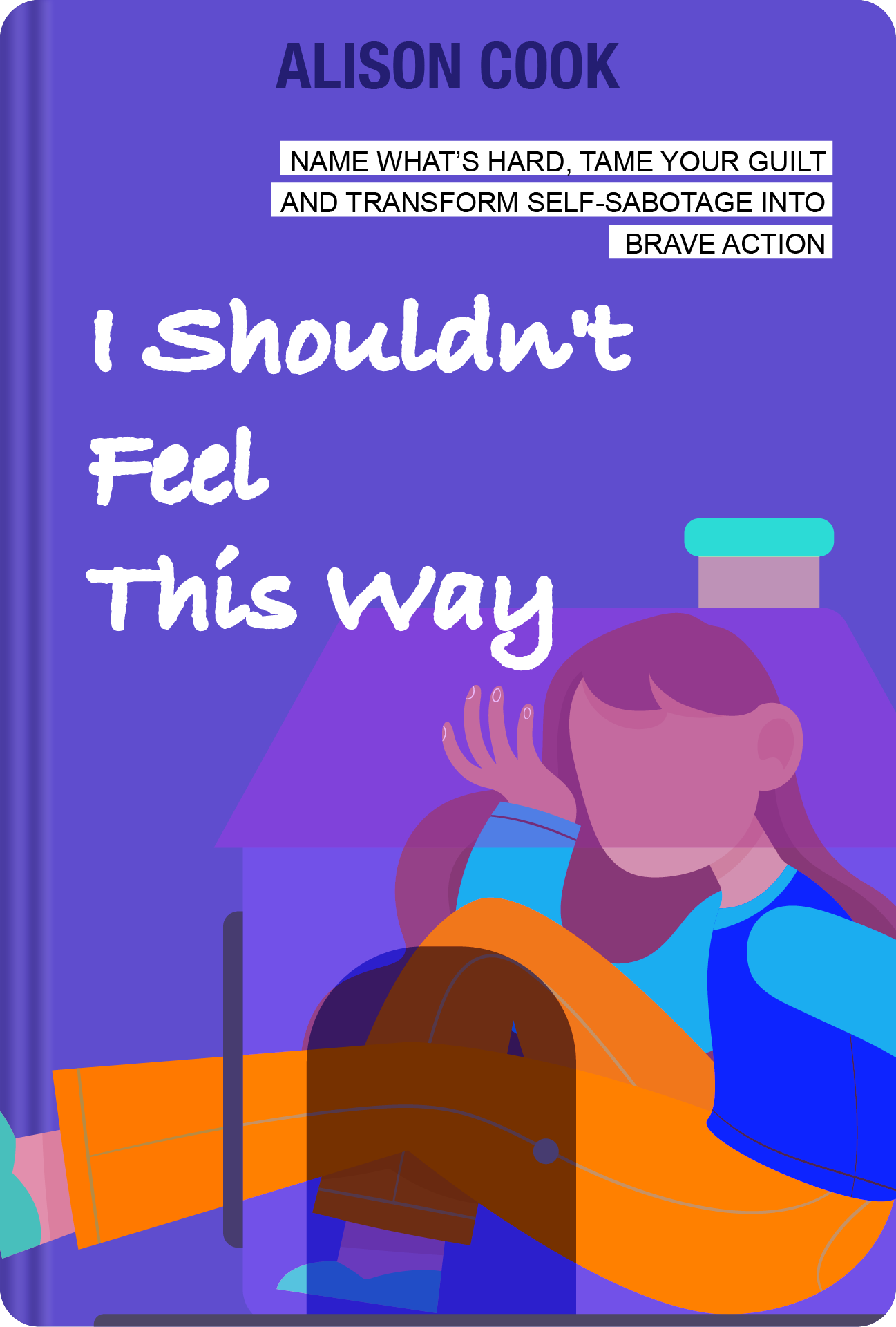 I Shouldn't Feel This WayAlison CookYou get a method for naming difficult and conflicting emotions without shame or false guilt, then turning them into clear and courageous action, drawing on psychology and faith-based insight.Listen to the summary →
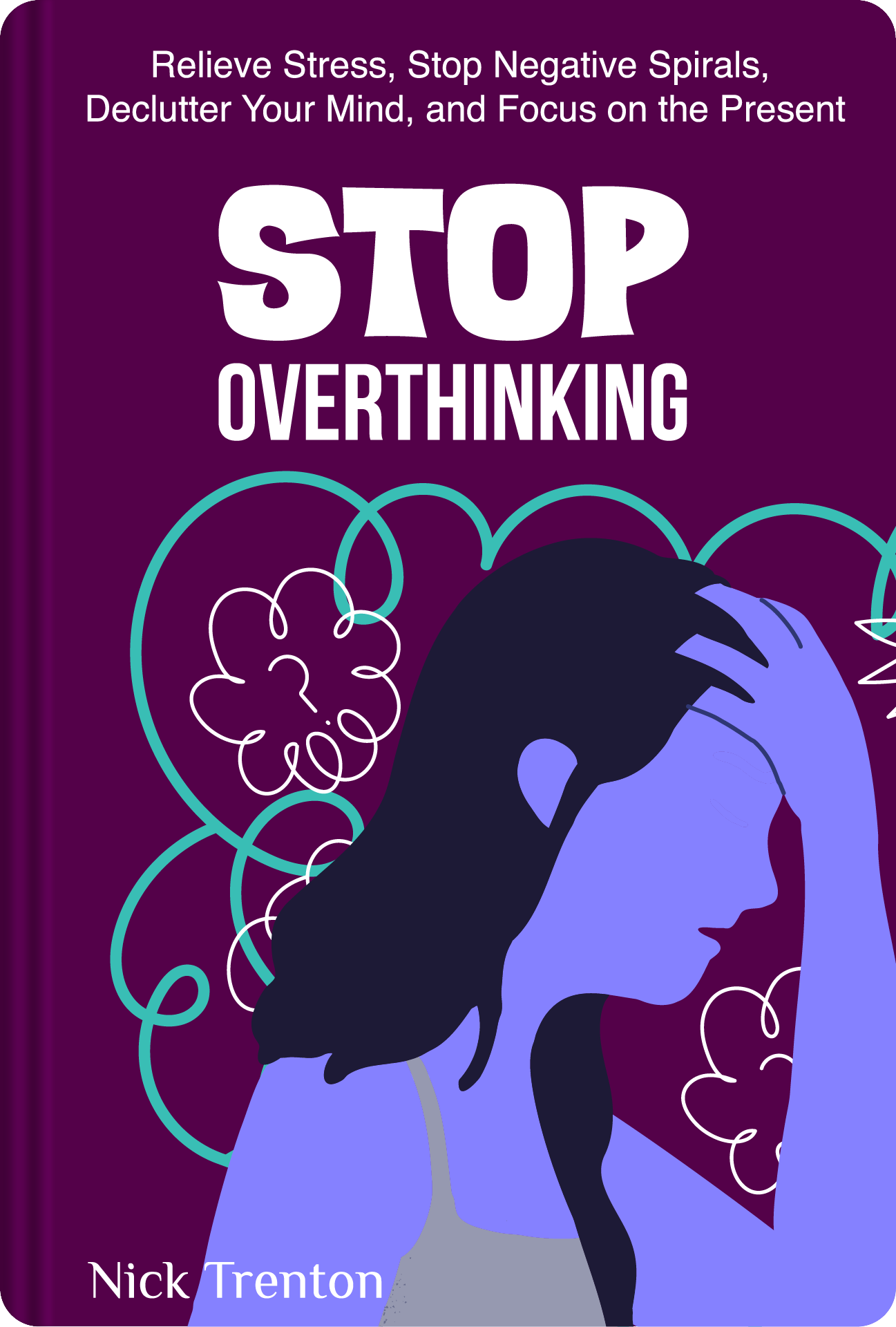 Stop OverthinkingNick TrentonYou see how overthinking begins and why some thoughts keep repeating, with practical techniques for calming the mind and focusing on the present.Listen to the summary →
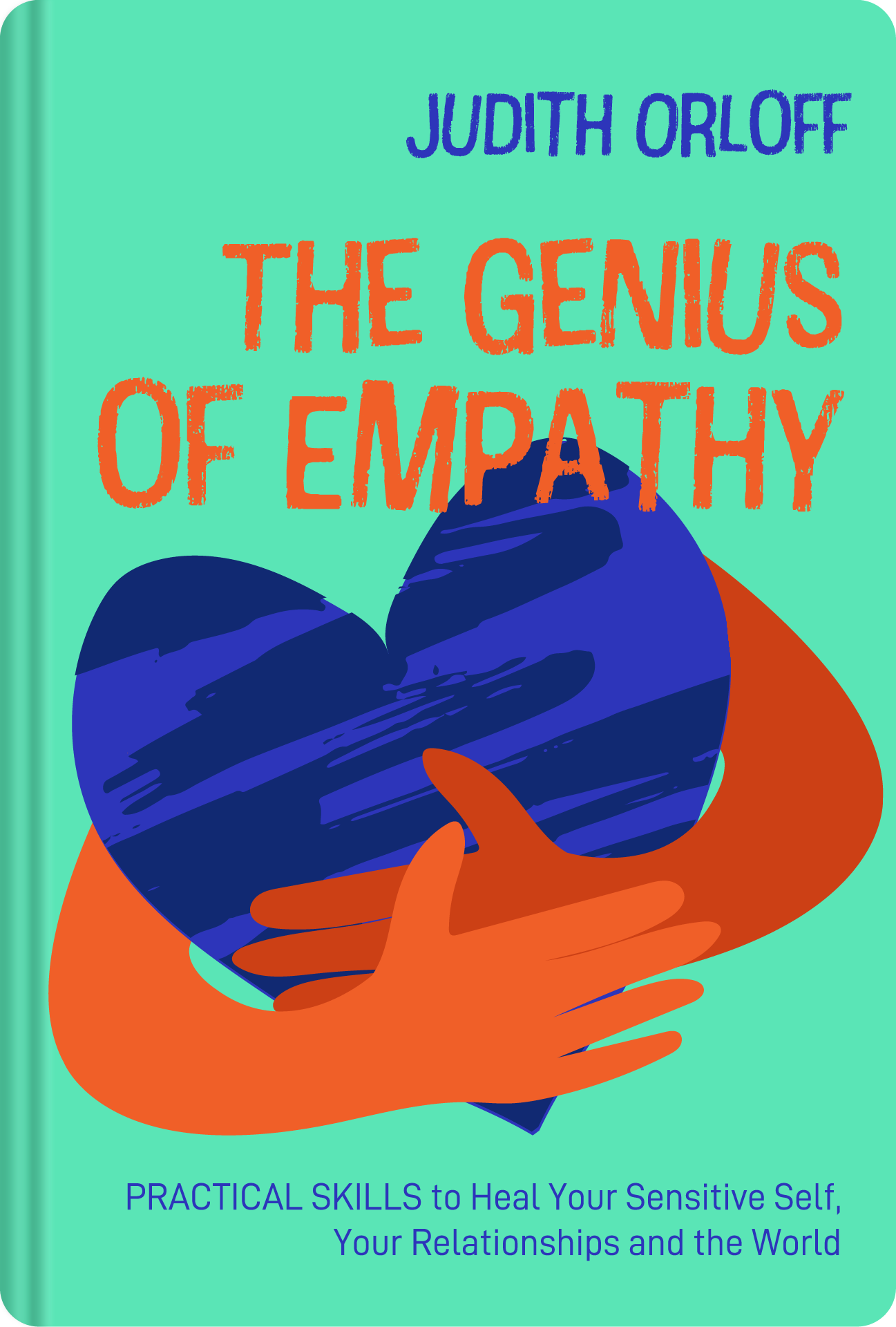 The Genius of EmpathyJudith OrloffYou discover how to understand others deeply while setting healthy boundaries, protecting your energy and avoiding emotional exhaustion.Listen to the summary →
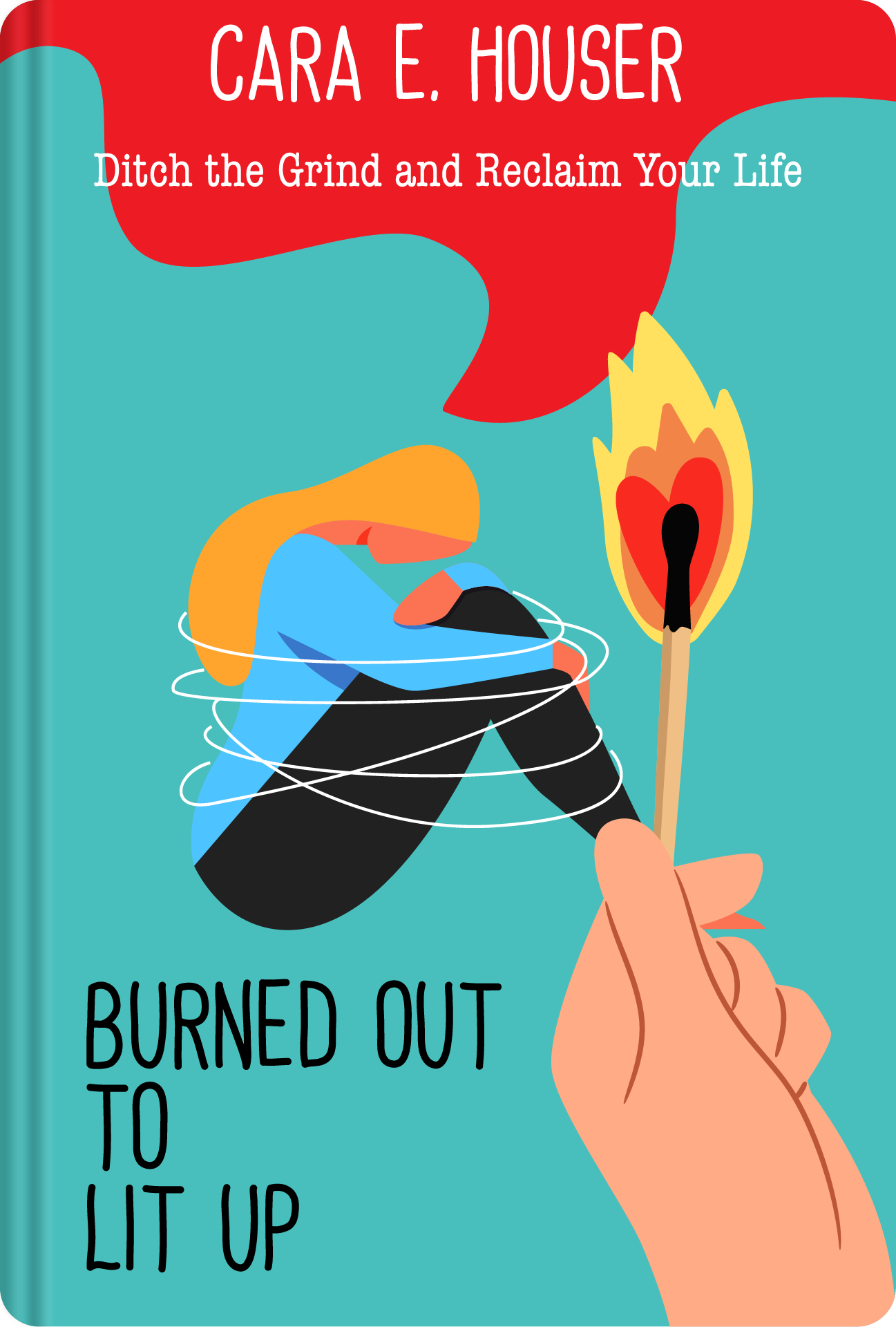 Burned Out to Lit UpCara E. HouserYou find a practical path out of exhaustion: spotting the habits that make you neglect your own needs, restoring energy, clarifying priorities and setting healthier boundaries.Listen to the summary →
A three-question evening check-in
Take five minutes before sleep, every evening for one week. Write the answers in your notes app or a small notebook. Short answers are fine.
- Question 1: What was the strongest feeling I had today? Name it as precisely as you can, not just “bad” or “stressed”.
- Question 2: What was it trying to tell me? A need, a boundary, a worry or something that mattered to me.
- Question 3: What is one small thing I can do tomorrow in response? A conversation, a rest, a boundary or simply letting it go.
- At the end of the week, read all seven entries together and look for patterns: the same time of day, the same people, the same triggers.
Most people never look at their feelings this closely. After one week you will understand yourself better, and the people around you will notice the difference.
A feeling you understand is much easier to carry than one you fight.
Try Durar free for 14 days
Start your 14-day trialNearly 1,000 summaries in Arabic and English on the yearly plan. Cancel anytime.Questions people ask
What is emotional intelligence?
It is the ability to recognise, understand and manage your own emotions and to understand the emotions of others. It starts with naming what you feel. The Language of Emotions summary explains what each emotion is trying to tell you.
How can I stop overthinking at night?
Notice the loop, write the thought down and bring your attention back to the present, for example to your breathing. The Stop Overthinking summary offers practical techniques for this.
Can a summary replace therapy?
No. These summaries can build awareness and give you useful tools, but they do not replace professional help. If your feelings are overwhelming, please speak to a qualified counsellor or doctor.