
It is Sunday night. The week is about to start again, and a thought you have had before comes back: what if I built something of my own? Then the second thought arrives right behind it: and what if it fails?
You are not short of ideas. Most people with a job and a phone have three or four. What stops you is the fear of spending money, upsetting the family, or looking foolish in front of people who know you.
The good news is that starting small is not a smaller version of the dream. It is the safer version. You keep your salary, you spend very little, and you let real customers tell you whether you are on the right track.
Here are five summaries, in the order that makes sense for a first year. Each one removes one piece of the risk.
First, accept that the idea is the easy part
Many people wait for the perfect idea before they begin. They think the idea is the business. It is not. An idea is a few words in your notes app. The business is everything that happens after: showing up on the slow days, choosing the right partner, learning what customers actually want, and carrying on when something goes wrong.
This is a relief, not a warning. If the idea is not the hard part, you do not need a brilliant one. You need a decent one and the willingness to work on it.
Test before you spend, and sell to the people you already know
Before you rent a shop, order stock or pay for a logo, find out whether anyone wants what you are planning. This can cost almost nothing. Talk to ten people who might buy. Post an offer in a WhatsApp group. Take a pre-order for something you have not made yet. Real evidence from real customers is worth more than weeks of planning.
Your first customers will most likely come from your own circle: colleagues, relatives, old classmates, the friend of a friend. There is nothing small about that. In our part of the world, trust travels through people you know, and a recommendation on WhatsApp often does more than any advert.
Your phone is enough to start. A product list, a photo, a price and a message to the right ten people is a real first test.
Keep it small, keep it boring, keep your job
The businesses that quietly make money are often not exciting. A cleaning service, a repair shop, a tutoring service, a delivery route, a service that helps busy people with paperwork. Dull on the outside, steady on the inside, because people need them every month.
If you want to start next to your salary, the same idea applies. Choose one clear offer, one small group of customers, and a way of working that fits into the hours you actually have: an hour before work, a weekend morning, the evening after the children are asleep.
This also makes the conversation at home easier. It is much simpler to say "I am trying something small on the side while I keep my job" than "I am leaving everything for a dream."
Start with one free summary
Read today's free summaryDurar gives you a free summary every day. Try one on your commute and see if the format suits you.The five summaries, in reading order
Each takes about fifteen minutes to read or listen to. A drive to work is enough for one.
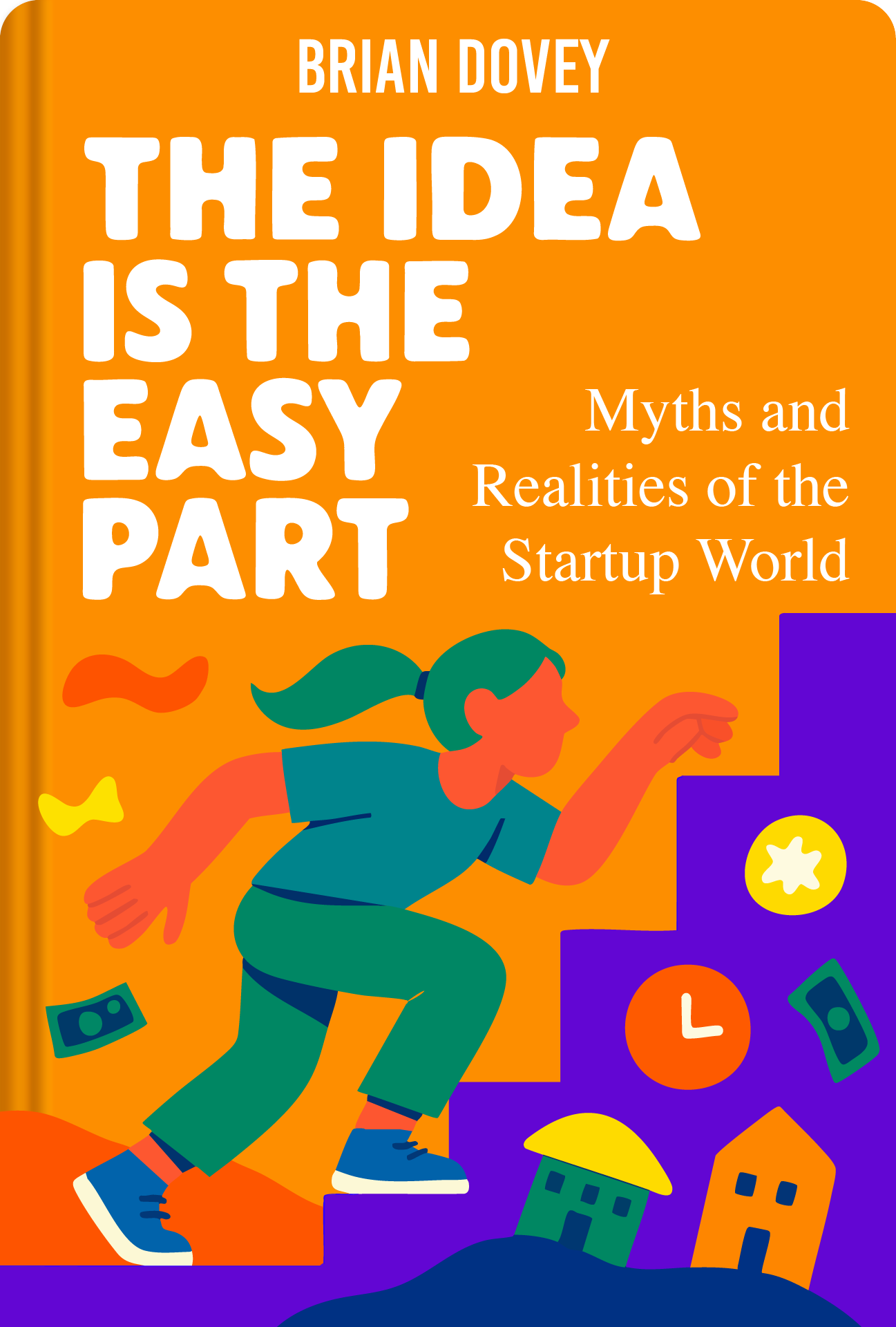 The idea is the easy partBrian DoveyYou come away understanding that execution, good judgement, resilience and the right partners matter more than the first spark of an idea.Listen to the summary →
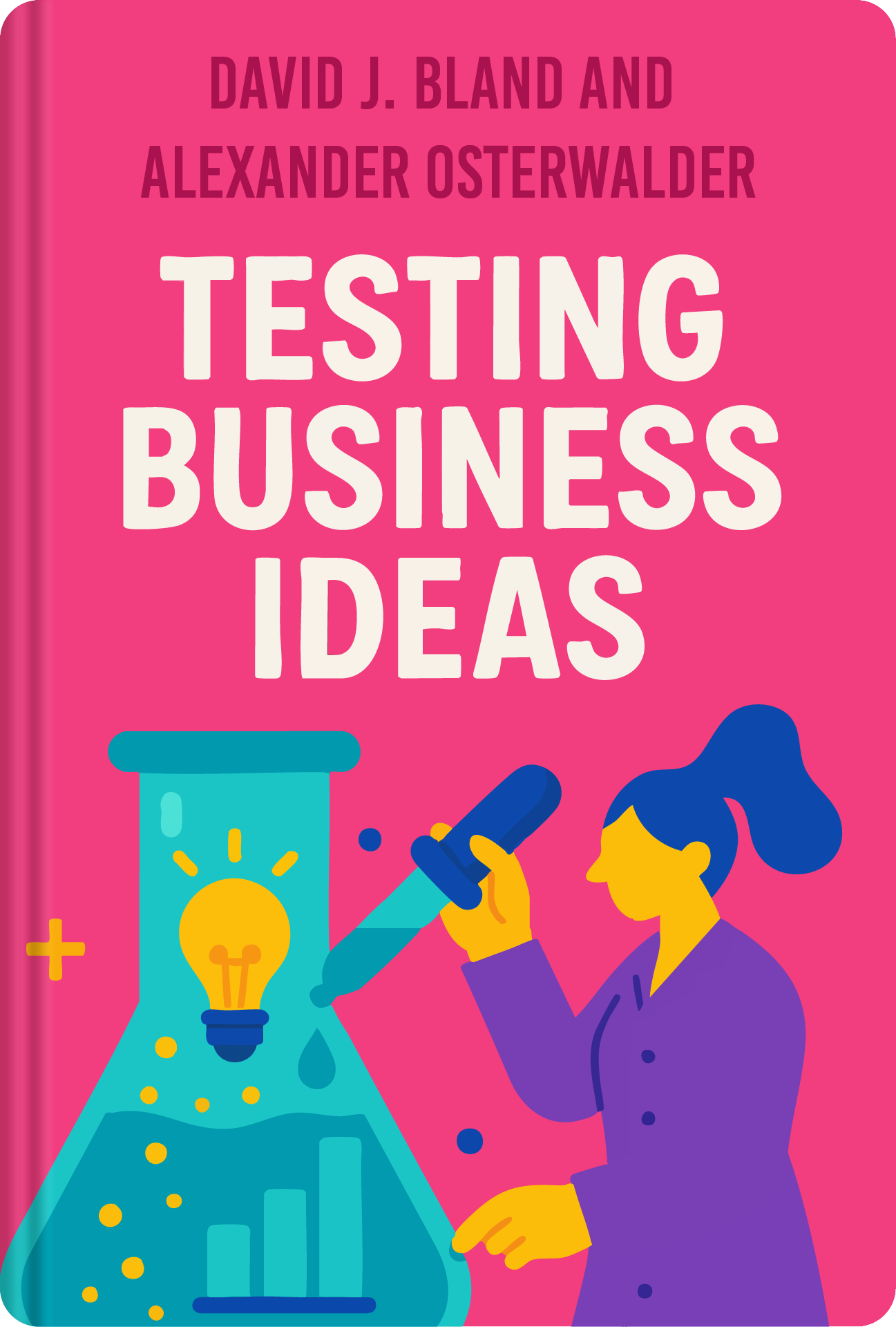 Testing Business IdeasDavid J. Bland and Alexander OsterwalderYou learn how to find the assumptions behind your idea and test them with real customer evidence, using a set of forty-four experiments, before you invest heavily.Listen to the summary →
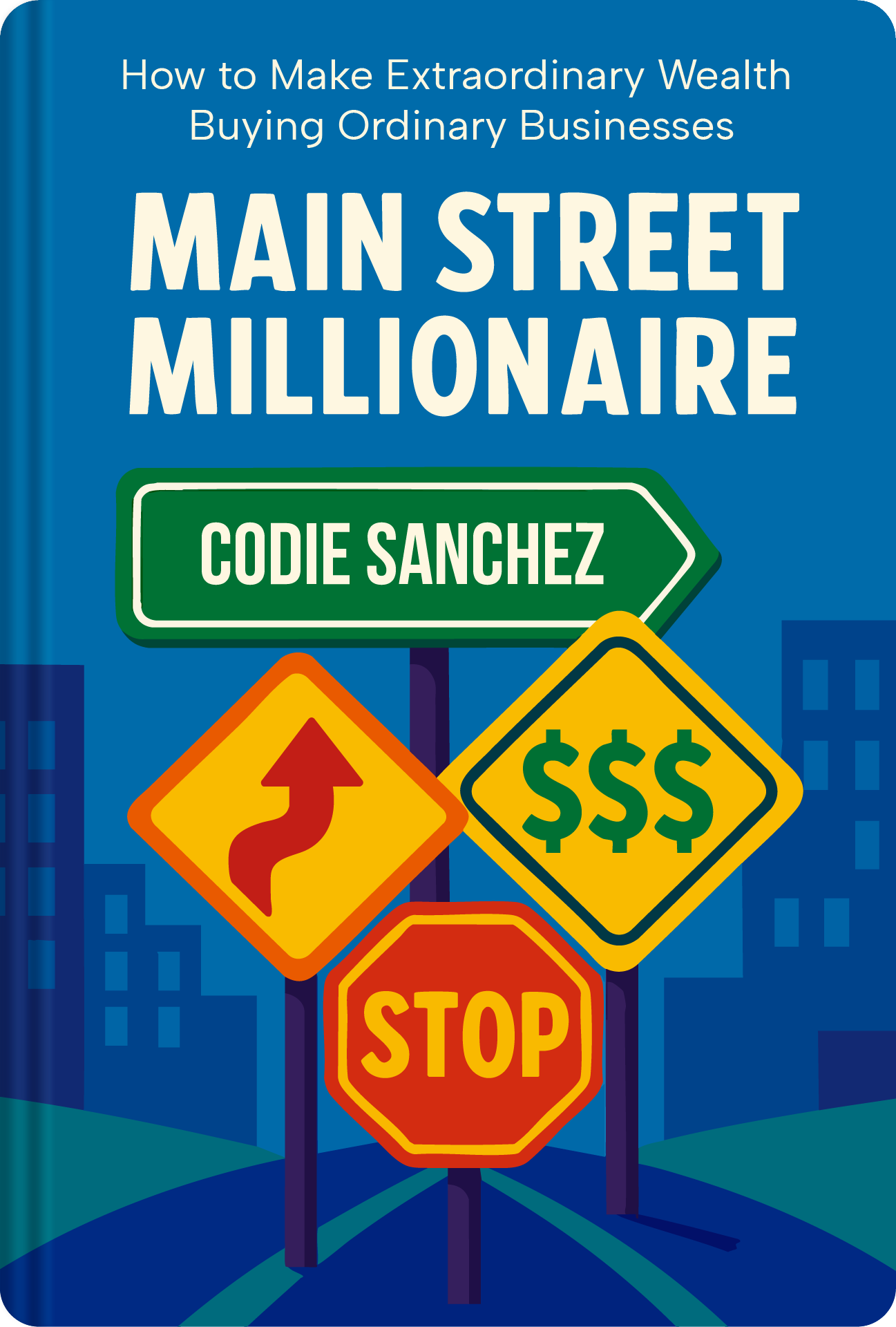 Main Street MillionaireCodie SanchezYou see why buying and improving a small, established, so-called boring business can be a more reliable route to income than starting from nothing.Listen to the summary →
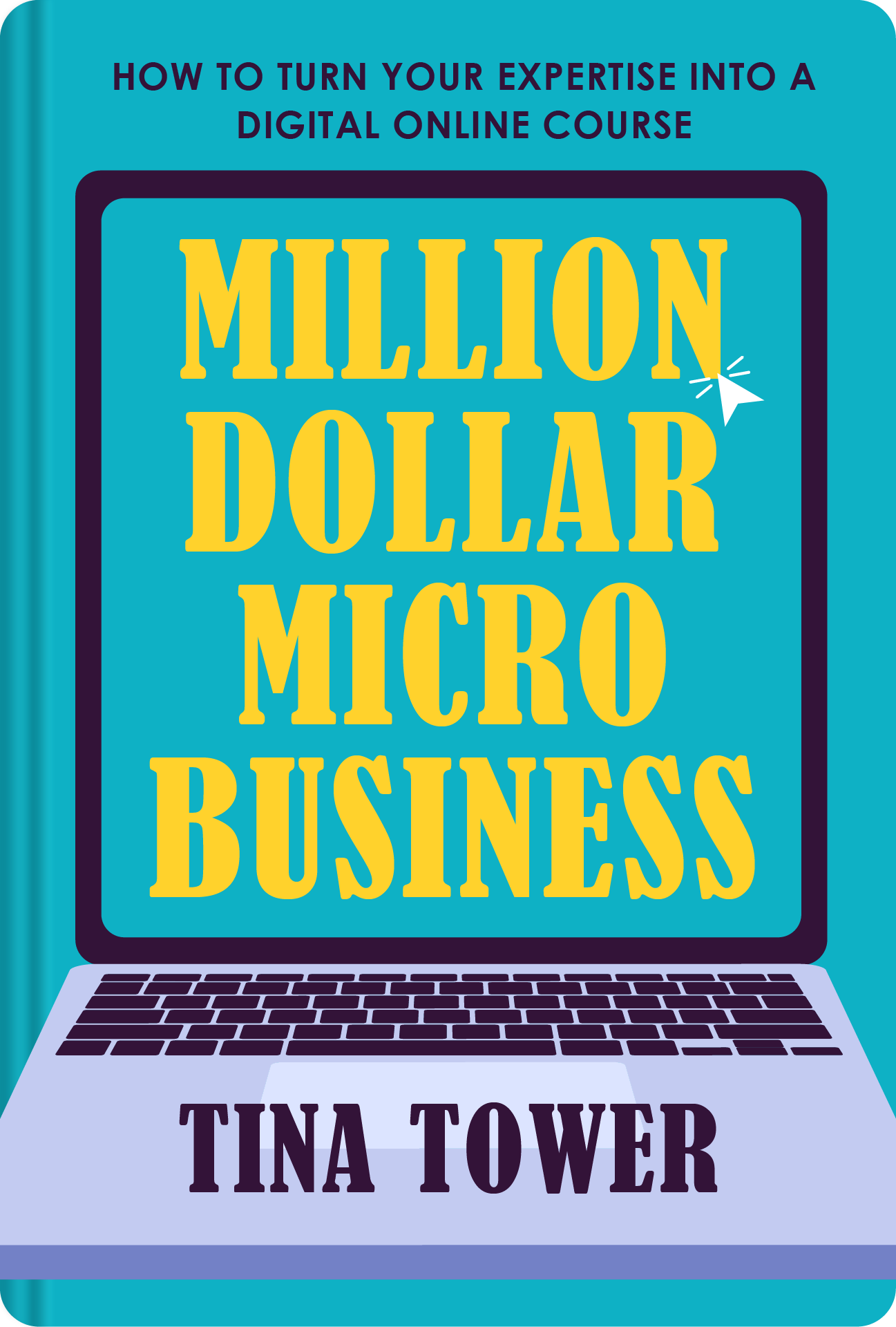 Million Dollar Micro BusinessTina TowerYou get a practical framework for turning your expertise into a focused digital business with simple systems and a small team, rather than a big company.Listen to the summary →
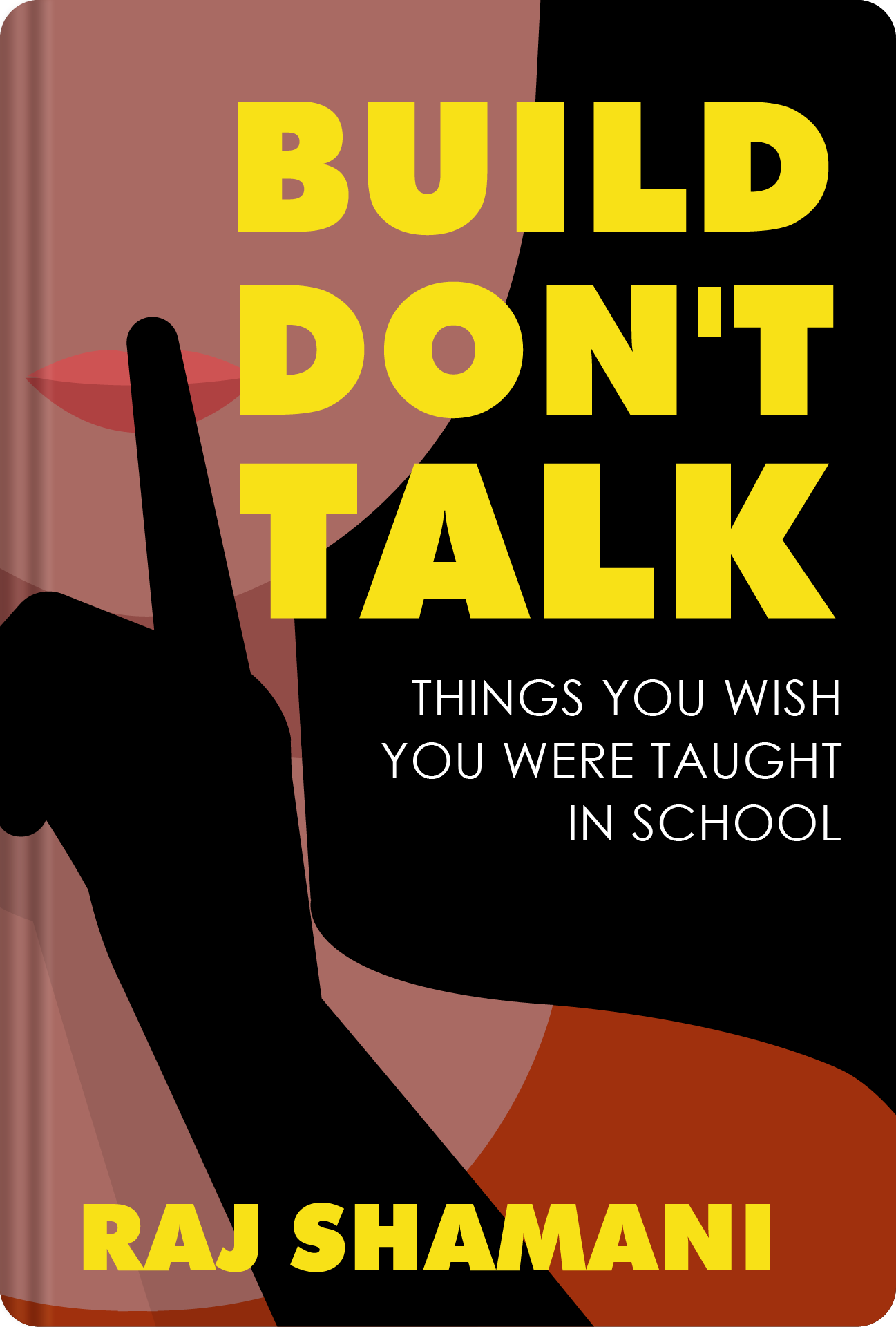 Build, Don't TalkRaj ShamaniYou are pushed to stop planning endlessly and start building something real that can be tested and improved, and to let results speak louder than promises.Listen to the summary →
Your first ninety days: test, sell one, repeat
You do not need a business plan for this. You need three simple loops, repeated.
- Days 1 to 30, test: write your idea in one sentence. Talk to ten people who might buy it. Offer it to them in a message and note who says yes, who hesitates and why.
- Days 31 to 60, sell one: deliver your first order to one real customer, even at a small price. Ask what they liked and what they would change.
- Days 61 to 90, repeat: fix the one thing that came up most, then sell to the next five people. Keep a simple note of what you earned and what you spent.
At the end of ninety days you will know something you cannot know today: whether people will pay, and whether you enjoy the work. Both answers are useful, and you will have kept your salary the whole time.
You do not need to be ready. You need to be small enough to start this week.
Nearly 1,000 summaries, in Arabic and English
Start your 14 days freeAudio and text, about fifteen minutes each. Try the yearly plan free for 14 days and cancel anytime.Questions people ask
How can I start a business with little money?
Start with something that costs almost nothing to try: an offer sent to ten people you know, a pre-order, or a simple service you can deliver with your phone. Keep your job, test the idea first, and only spend once someone has shown they will pay.
Can I start a side business while working a full-time job?
Yes. Choose one clear offer and one small group of customers, and fit the work into the hours you really have, such as an early hour before work or a weekend morning. A small, steady start is easier to sustain than a sudden jump.
What is the best way to test a business idea cheaply?
Write down what must be true for your idea to work, then test the riskiest part first. Speak to potential customers, offer the product before it exists, or run a very small trial. The summary of Testing Business Ideas covers forty-four such experiments.