
Your phone has three hundred contacts and twelve group chats. It is Thursday night, and there is nobody you feel you could call just to sit together.
Adult loneliness is far more common than people admit. University ends and friends scatter to different cities. You move for a job and know nobody in the new place. Marriage, children and work fill the calendar, and the friendships that once happened by themselves slowly fade.
None of this means something is wrong with you. Friendship after school simply stops happening automatically. It needs a little intention, and that is something anyone can learn.
These five summaries, each about fifteen minutes, look at connection from every side: where modern loneliness comes from, small daily practices that deepen relationships, how to truly understand another person, how first impressions work, and how introverts can connect without pretending to be someone else. At the end there is a four-week plan to rebuild your circle, one small step at a time.
Loneliness is a modern story, not a personal failure
Historian Fay Bound Alberti shows that loneliness, as we understand it today, is a relatively modern idea. It grew alongside big changes in how people live: industry, cities, individualism and, more recently, technology and social media.
Seeing it this way takes away some of the shame. If many people feel the same thing, it is not because they are unlikeable. It is because the way we live makes connection less automatic than it used to be.
Connection is something you build
The Joy of Connections, by Ruth Westheimer, Allison Gilbert and Pierre Lehu, offers one hundred practical ways to feel less alone. Its core idea is encouraging: meaningful connection is not something you wait to find. You create it through small acts of attention, generosity and initiative.
That might mean sending the first message, inviting someone for coffee after Friday prayer, or joining a group built around something you enjoy. Small social risks, taken regularly, add up.
Being seen is what people remember
David Brooks argues that the most important social skill is making another person feel truly seen. He explains how to ask better questions, listen with care and stay with people when life is hard.
First impressions matter too. Nicholas Boothman describes how open body language, eye contact, warmth and attentive listening help people connect in the first moments. And if you are an introvert, Matthew Pollard shows that preparation, genuine curiosity and a simple plan for conversations can make meeting people a strength rather than a strain.
Our communities give us a head start
We have traditions that make connection easier: the open majlis, the weekly family gathering, the neighbour who sends food during Ramadan. If you have moved away from all of that for work or study, it can feel like losing a whole support system at once.
Rebuild it on purpose. Join a mosque study circle, a sports club or a volunteer group. Say yes to the colleague's invitation. Visit the elderly neighbour. Friendships among colleagues, neighbours and old classmates are the quiet foundation of a good life.
Start with a free summary today
Read today's free summaryA free summary every day, in Arabic or English, audio or text.Five summaries, in the order we would read them
Start with the first to understand loneliness, then move to the practical summaries on building and deepening connections.
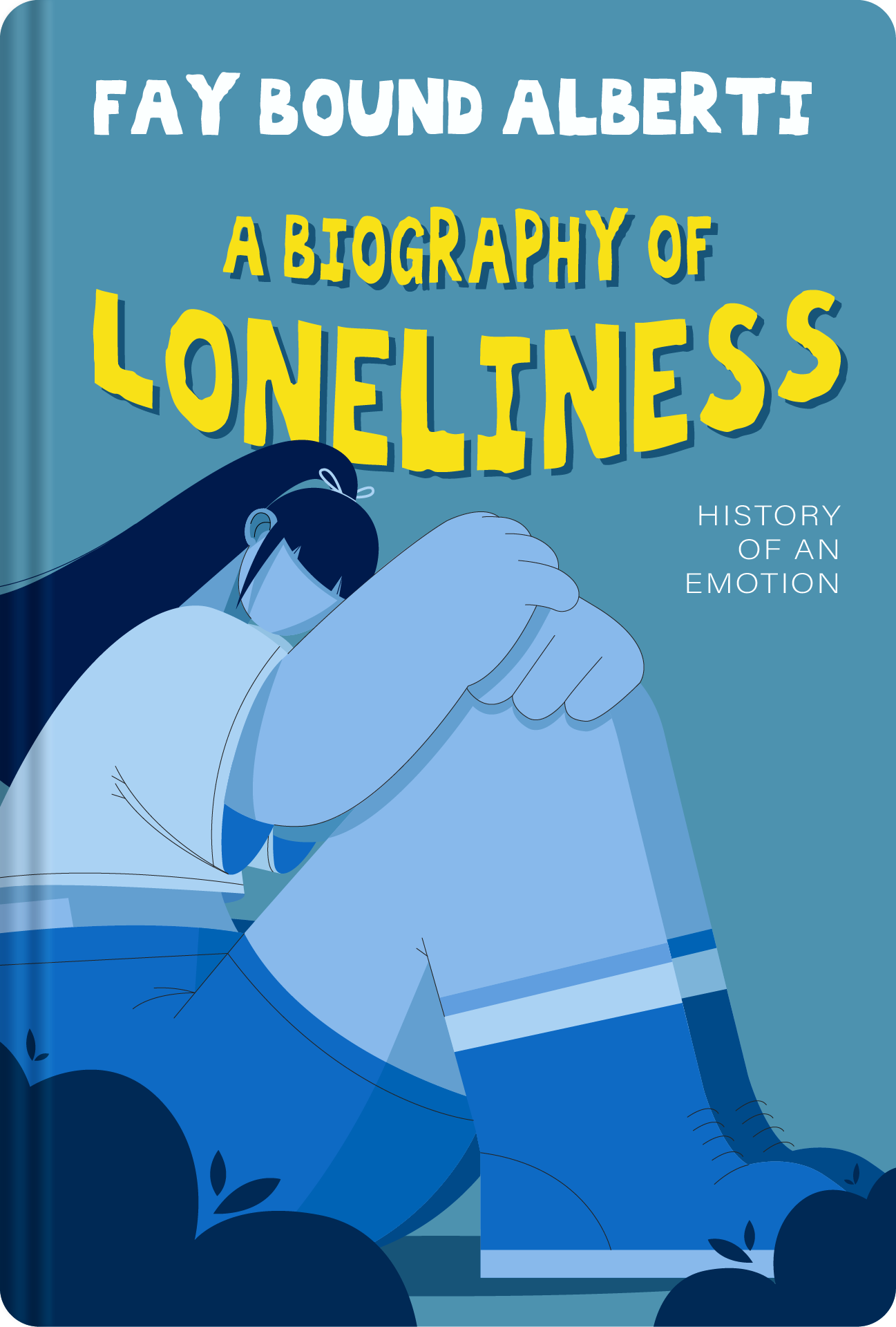 A Biography of LonelinessFay Bound AlbertiYou see how loneliness grew with changes in religion, industry, individualism and technology, and how it affects the mind and body.Listen to the summary →
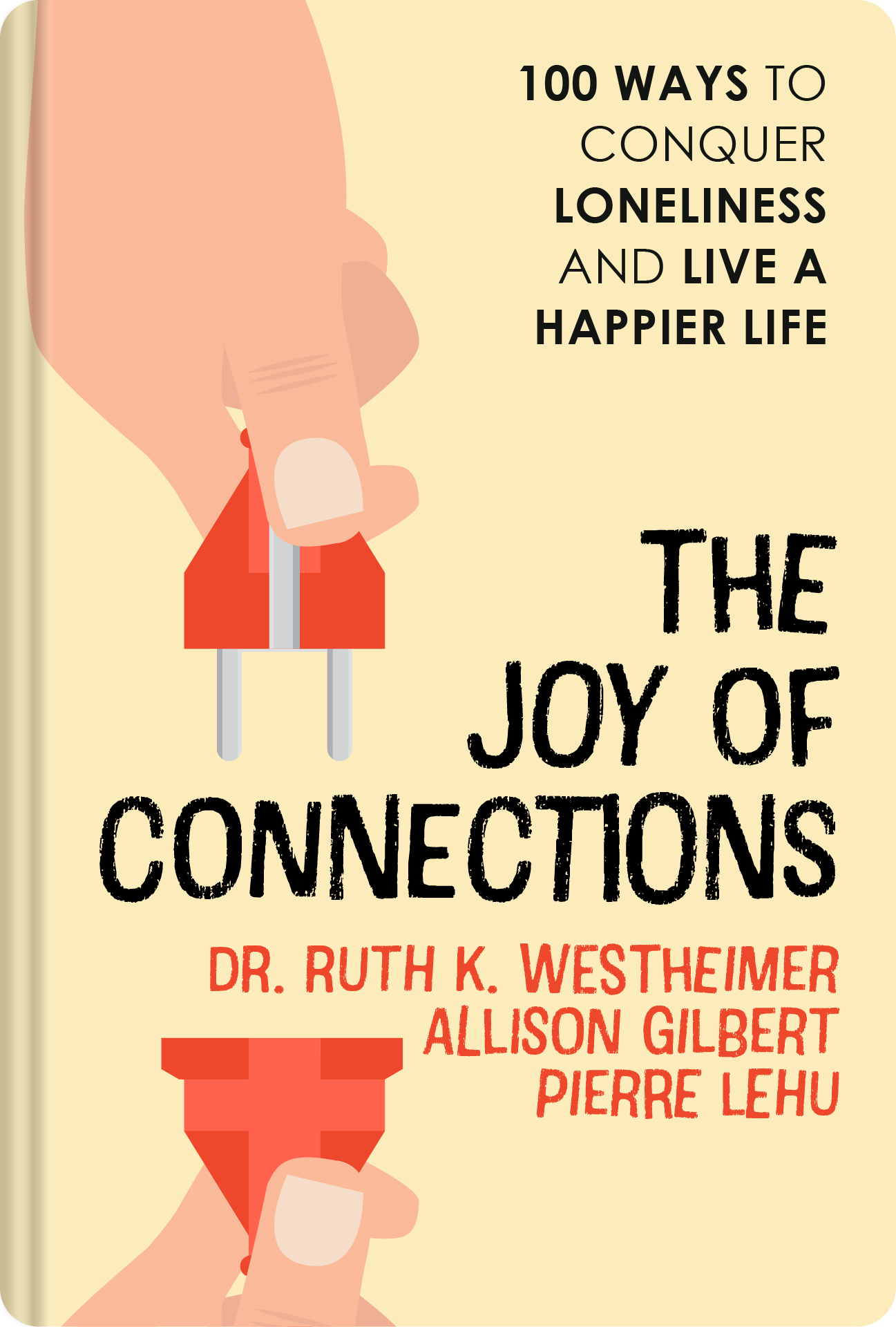 The Joy of ConnectionsRuth Westheimer, Allison Gilbert and Pierre LehuYou get one hundred practical ways to build a more connected life by strengthening existing relationships, meeting new people and taking small social risks.Listen to the summary →
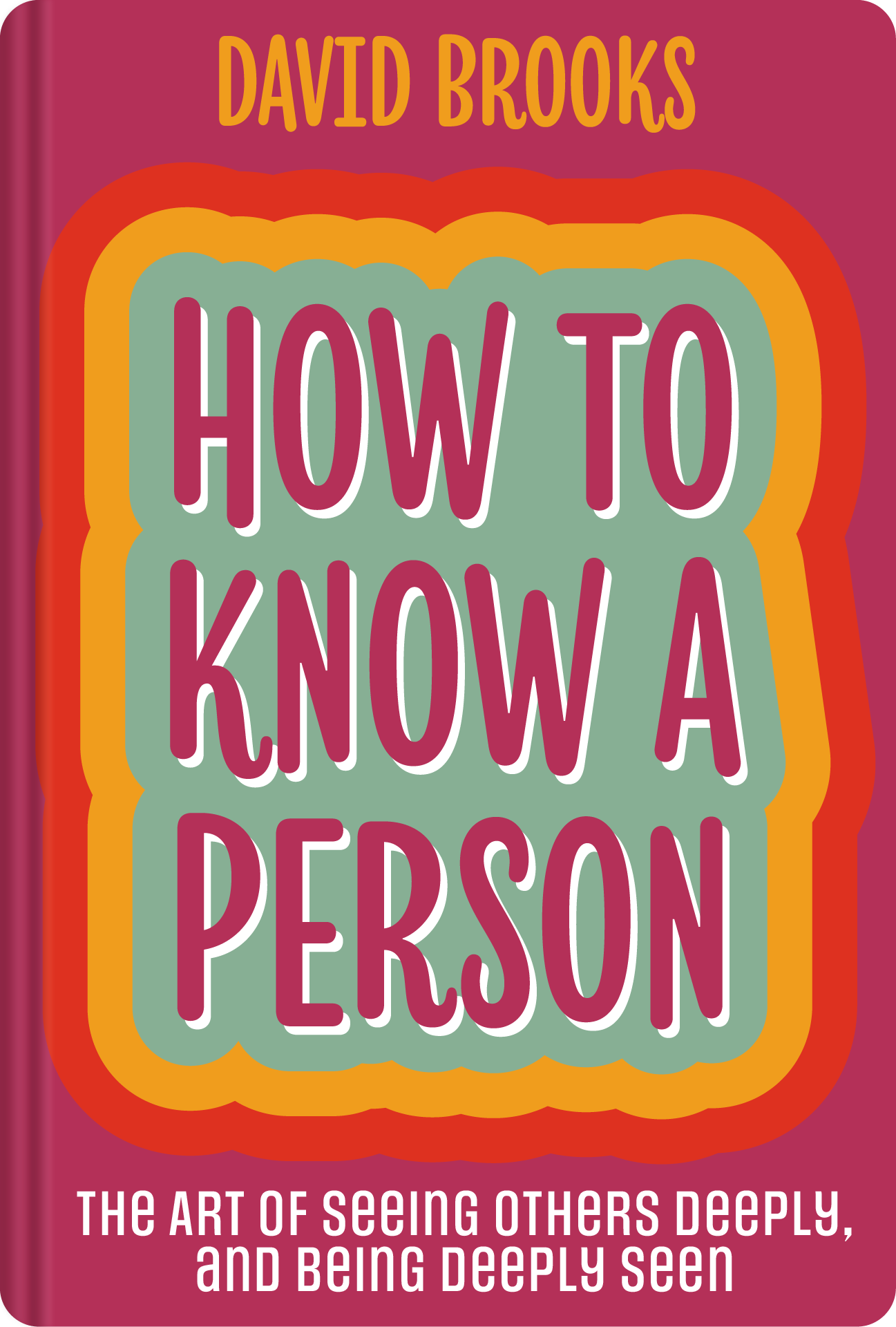 How to Know a PersonDavid BrooksYou learn to ask better questions, listen with care, stay with people in hard times and make others feel genuinely seen.Listen to the summary →
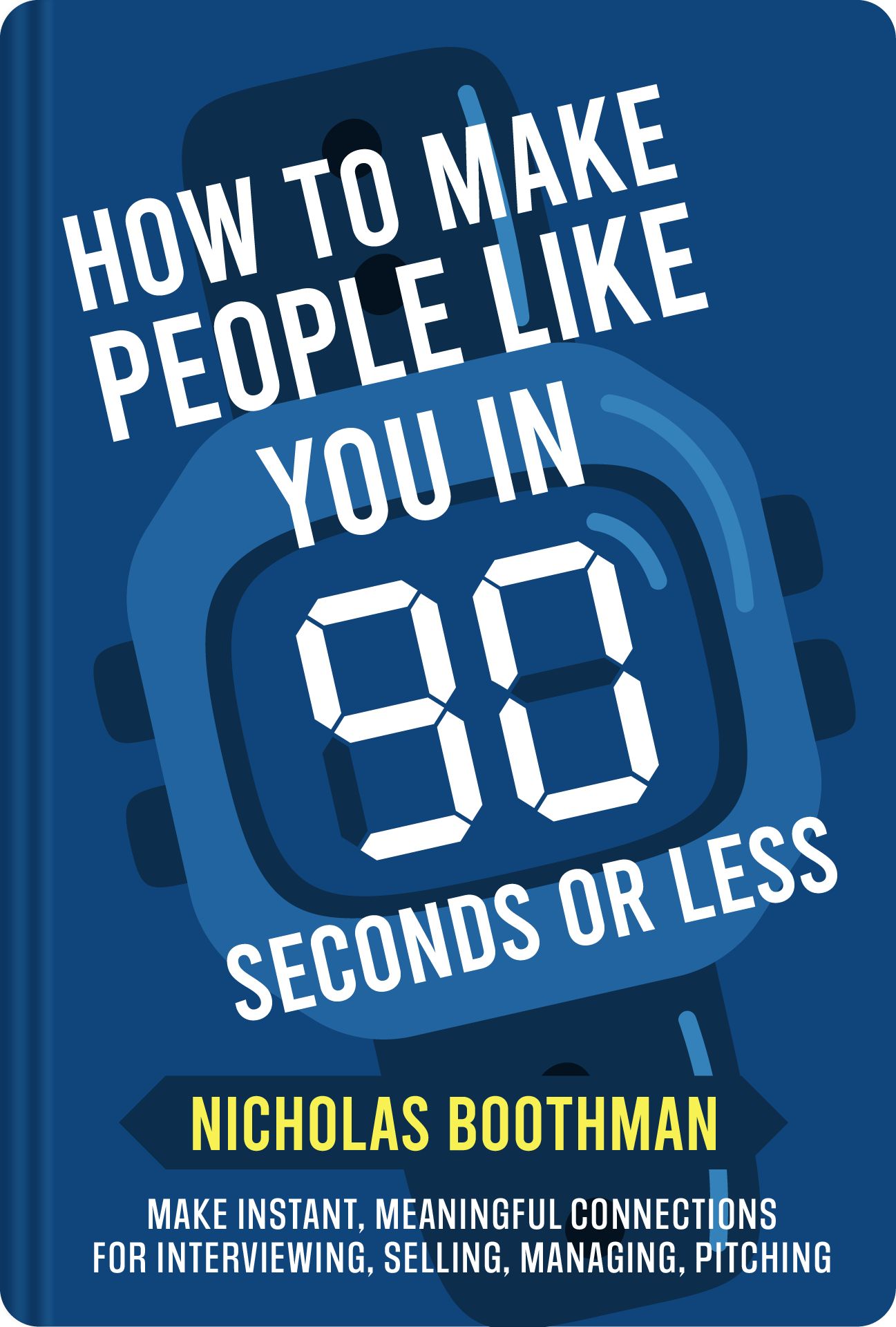 How to Make People Like You in 90 Seconds or LessNicholas BoothmanYou discover how open body language, eye contact, a warm attitude and attentive listening help you make a positive first impression and build rapport quickly.Listen to the summary →
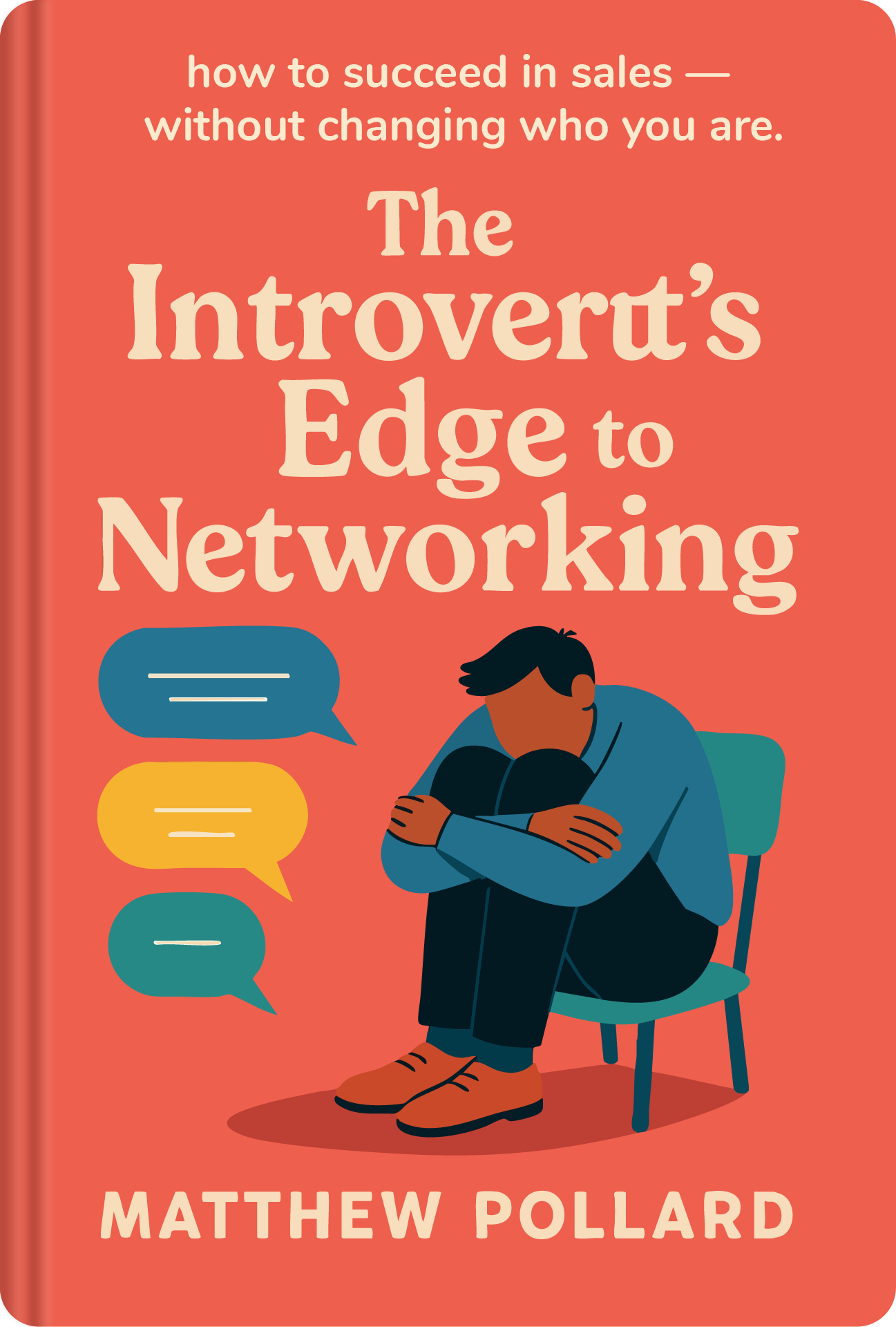 The Introvert’s Edge to NetworkingMatthew PollardYou find out how introverts can build strong relationships without pretending to be outgoing, through preparation, curiosity, careful listening and a clear system for conversations.Listen to the summary →
A four-week reconnection plan
One small action each week. None of them takes more than an hour, and each one makes the next easier.
- Week 1, one message: write to someone you have lost touch with. Mention a specific memory and ask how they are.
- Week 2, one invitation: invite one person for coffee, a walk or a meal. Keep it simple and set a date.
- Week 3, one new circle: join a group that meets regularly around something you enjoy, a class, a sport or a study circle.
- Week 4, one deep conversation: with a friend or relative, ask a real question, such as “What has been on your mind lately?”, and listen fully.
Friendship grows from repeated small moments. Four weeks is enough to feel the difference, and to want to keep going.
There is always room for one more in the circle. Sometimes you have to make the first move.
Try Durar free for 14 days
Start your 14-day trialNearly 1,000 summaries in Arabic and English on the yearly plan. Cancel anytime.Questions people ask
Why is it so hard to make friends as an adult?
Because friendship no longer happens automatically, as it did at school or university. It needs time and intention. The Joy of Connections summary offers practical ways to build new relationships step by step.
How can I overcome loneliness?
Start small: one message, one invitation, one group that meets regularly. Understanding that loneliness is common, as A Biography of Loneliness shows, can also ease the feeling that something is wrong with you.
Can introverts be good at making connections?
Yes. Introverts often listen well and prepare carefully, which are real strengths. The Introvert's Edge to Networking summary explains how to use them without pretending to be someone else.