
A curious teenager in Seattle spends every free hour at a school computer, long before most people had ever touched one. A few years later he and his friend Paul Allen found a company called Microsoft.
Stories like that are easy to admire and hard to learn from. We see the famous result and miss the years of practice, the failures, the arguments and the lucky breaks that came before it.
Good biographies fix that. They show founders as real people who made mistakes, changed their minds and grew. That makes their lessons usable, whether you are building a start-up, leading a team or simply trying to do excellent work in your job.
These five summaries, each about fifteen minutes, follow five different stories: Bill Gates's early years in his own words, Steve Jobs's long journey from impulsive founder to thoughtful leader, Amazon's obsession with customers, Pixar's culture of honest feedback, and Elon Musk's extraordinary ambition and its costs. At the end there are five questions to ask yourself before you start something ambitious.
Curiosity comes first
In Source Code, Bill Gates describes a childhood full of curiosity and reading, and his first experiences with computers long before they were everyday tools. Family, education and hard work all played a part, and so did his friendship with Paul Allen.
The lesson is not to drop out of university. It is that deep interest, practised early and often, compounds. Many great careers start with someone who simply could not stop learning about one thing.
Failure can be the beginning
Becoming Steve Jobs challenges the simple image of Jobs as a difficult genius. It shows his failures, the years he spent away from Apple, his leadership of Pixar, and how much he changed before returning to transform Apple.
Pixar's own story, told by co-founder Ed Catmull in Creativity, Inc., adds another lesson. Great work comes from a culture where people can give honest feedback, including in its famous Braintrust meetings, and where early failures are treated as part of making something good.
Start with the customer
Amazon grew from an online bookstore into one of the world's most powerful retailers. Natalie Berg and Miya Knights explain how a relentless focus on customers, combined with data, technology and logistics, drove that growth.
You do not need Amazon's scale to use the idea. A small shop that remembers its customers, delivers when it promises and fixes problems quickly is practising the same principle.
Ambition has a price
Walter Isaacson shadowed Elon Musk for two years for his authorised biography. The book follows Musk from a difficult childhood in South Africa to PayPal, Tesla, SpaceX and Twitter, and it shows both his vision and the intensity, risk and conflict that come with it.
That balance matters. Admire the courage, learn from the methods, and also notice the costs to health, relationships and teams. In Riyadh, Dubai and Amman, where the start-up scene is growing fast, young founders often face family expectations around a stable career. These stories help you choose your own path with open eyes.
Start with a free summary today
Read today's free summaryA free summary every day, in Arabic or English, audio or text.Five summaries, in the order we would read them
We have ordered them roughly by era, from the 1970s to today, so you can see how technology and leadership changed along the way.
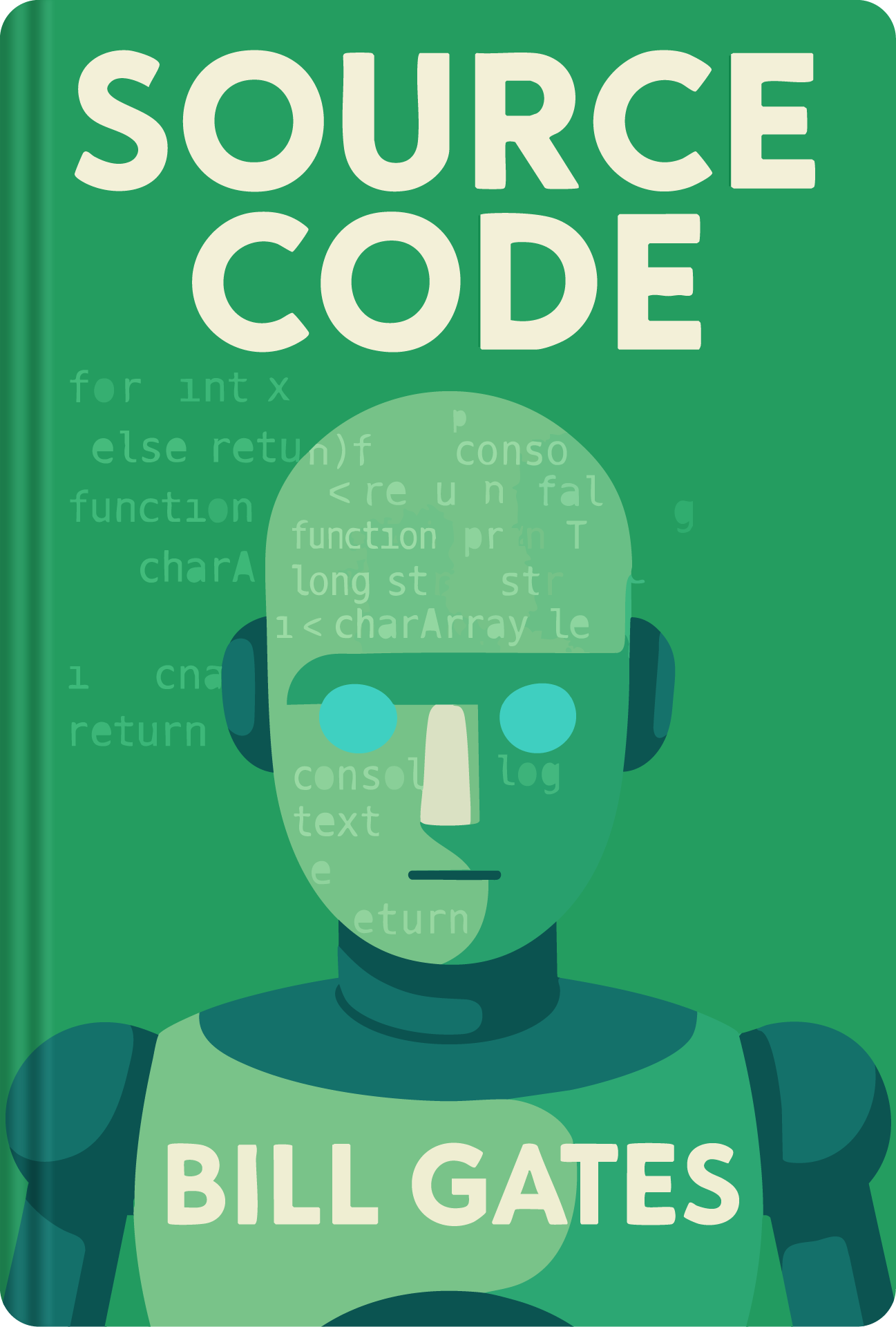 Source CodeBill GatesYou follow Bill Gates from a curious childhood in Seattle through Harvard to founding Microsoft with Paul Allen in 1975, in his own honest account.Listen to the summary →
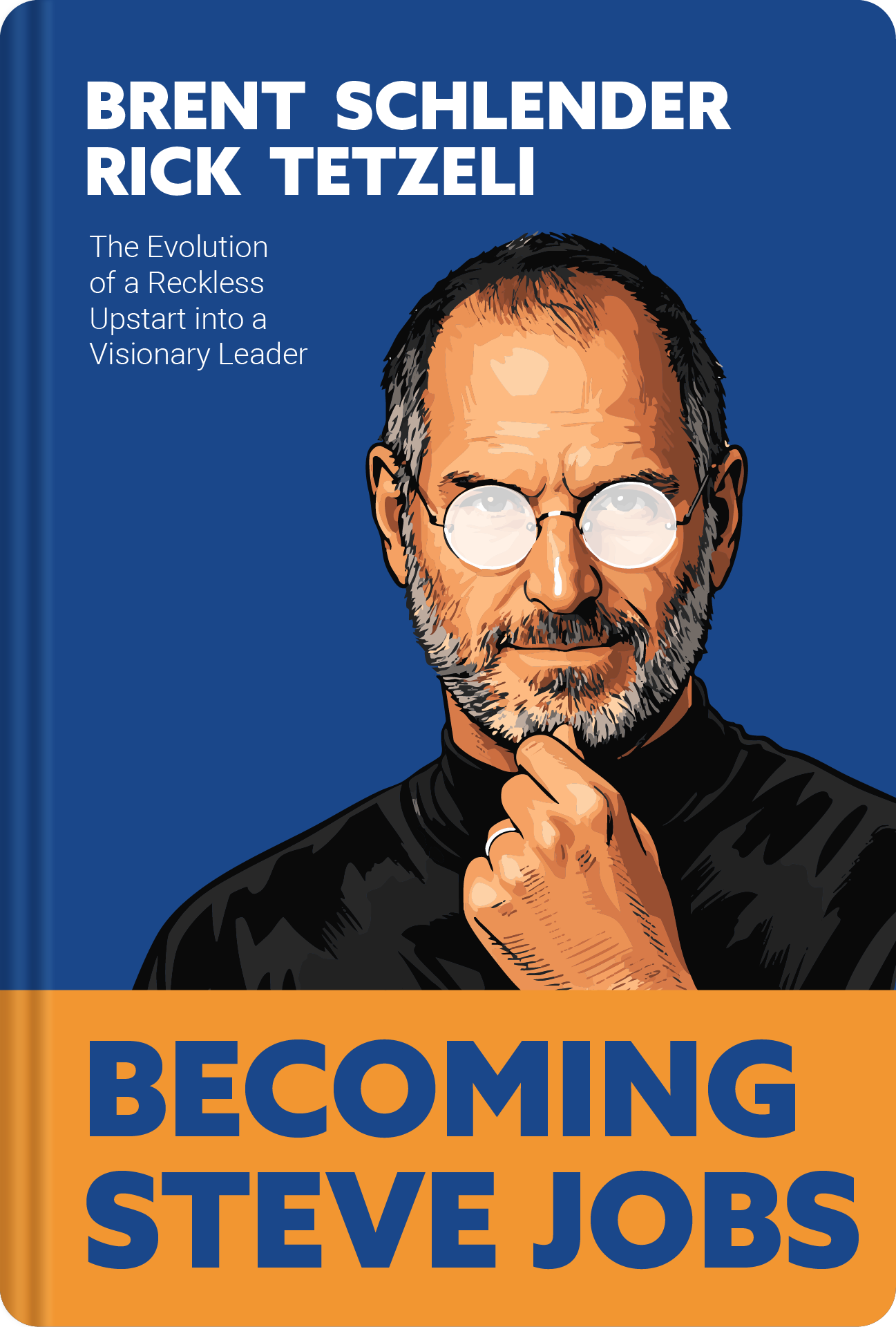 Becoming Steve JobsBrent Schlender and Rick TetzeliYou see how Steve Jobs grew from an impulsive young entrepreneur into a more thoughtful leader through failure, his years at Pixar and his return to Apple.Listen to the summary →
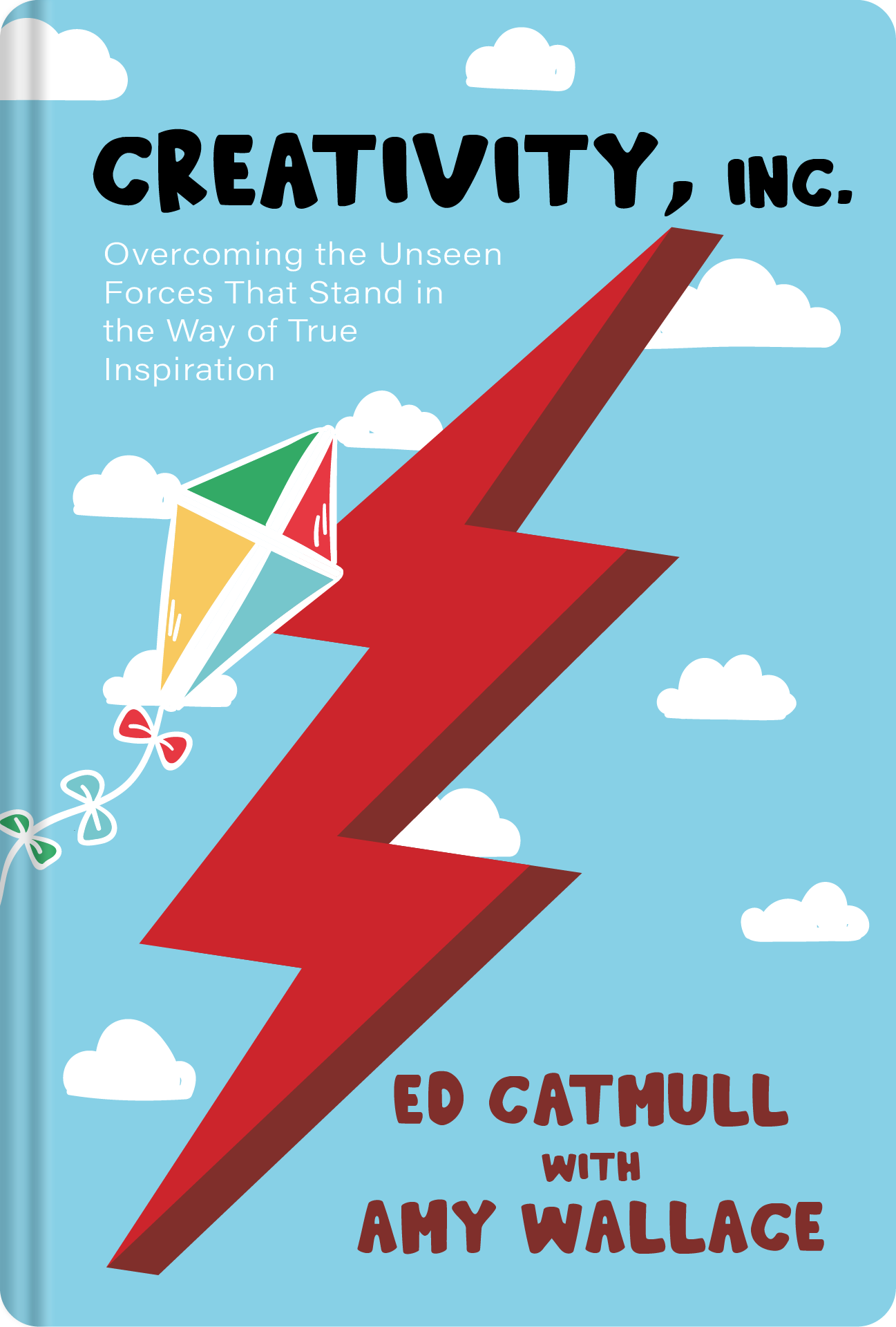 Creativity, Inc.Ed Catmull with Amy WallaceYou learn how Pixar built a culture of honest feedback, including its Braintrust meetings, and how leaders can protect new ideas and learn from failure.Listen to the summary →
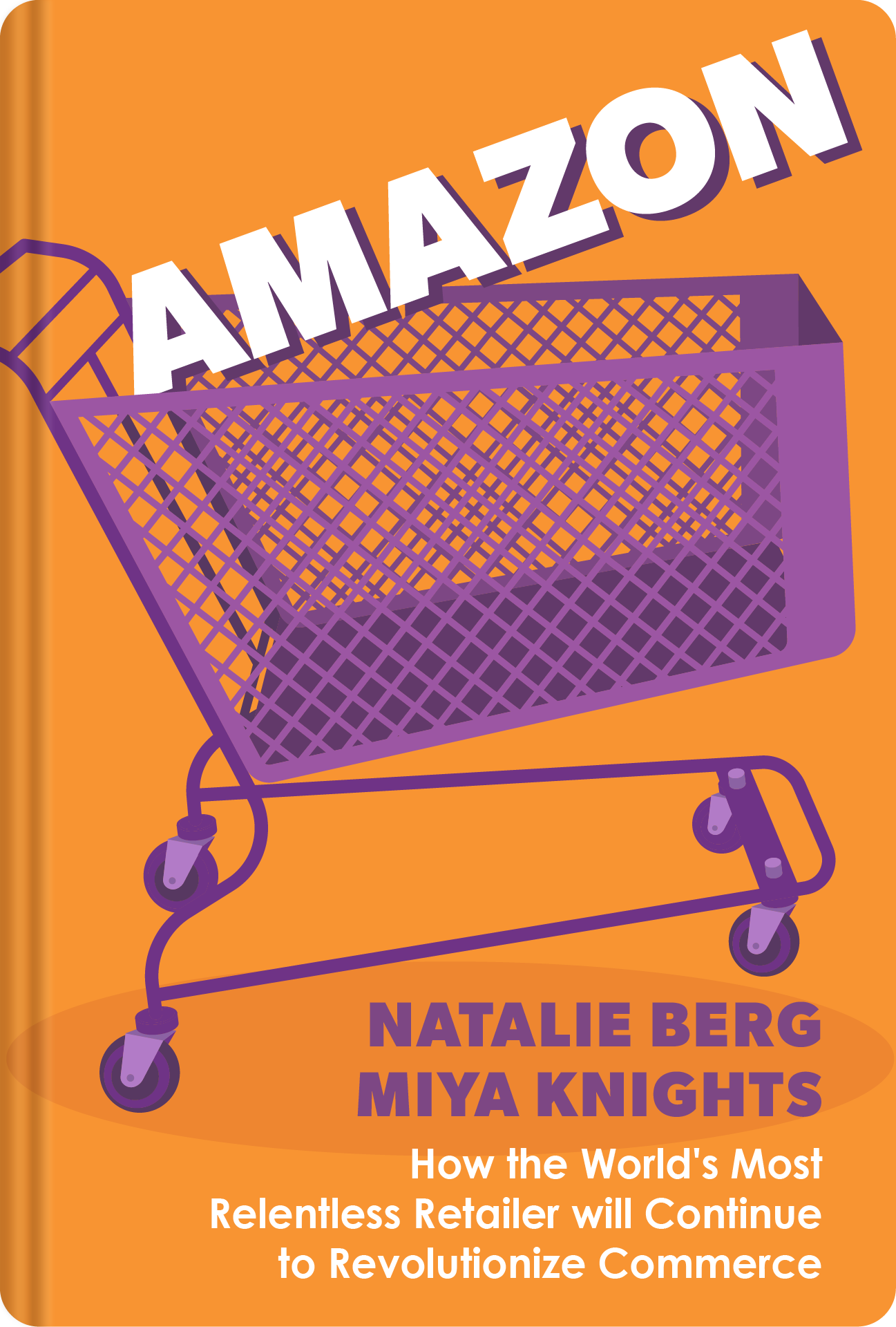 AmazonNatalie Berg & Miya KnightsYou discover how Amazon's focus on customers, data, technology and logistics turned an online bookstore into one of the world's most powerful retailers.Listen to the summary →
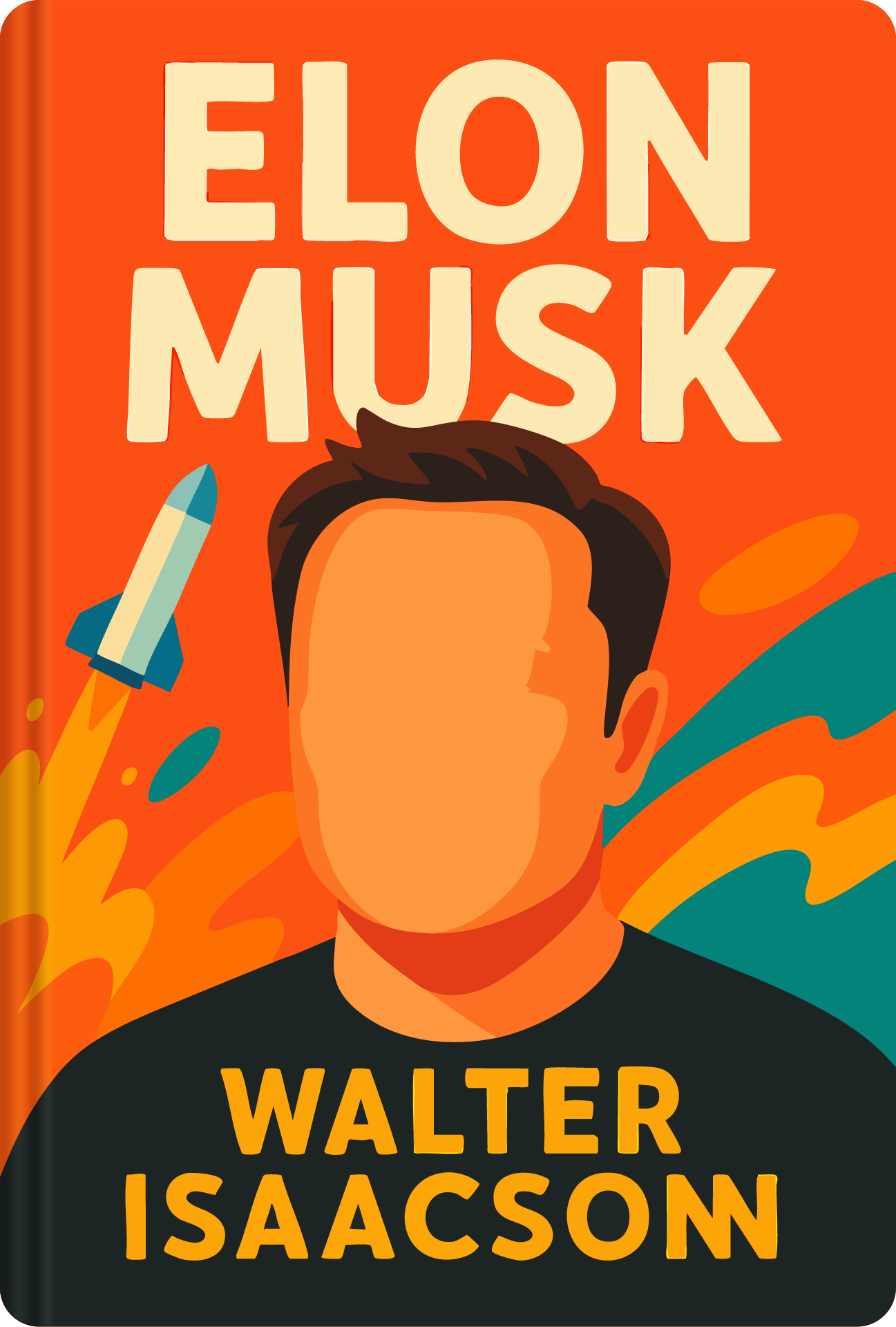 Elon MuskWalter IsaacsonYou get the story of Elon Musk's childhood in South Africa and the ventures that followed, including PayPal, Tesla, SpaceX and Twitter, with his vision, risk-taking and intensity.Listen to the summary →
Five questions before you start something ambitious
Write your answers down. If you are already working on something, answer them for that project.
- What am I so curious about that I would learn it even if nobody paid me?
- Who exactly is my customer, and what would make their life noticeably better?
- Who will give me honest feedback, even when it is uncomfortable to hear?
- If this fails, what will I have learned, and what is my next step?
- What price am I willing to pay in time, money and energy, and what will I protect, such as health and family, no matter what?
Every founder in these stories faced versions of these questions. Answering them early will not guarantee success, but it will make your choices wiser.
Big companies start in small rooms, with someone who refused to stop learning.
Try Durar free for 14 days
Start your 14-day trialNearly 1,000 summaries in Arabic and English on the yearly plan. Cancel anytime.Questions people ask
What can entrepreneurs learn from Steve Jobs?
That failure and setbacks can be part of growth. Becoming Steve Jobs shows how his years away from Apple and his time at Pixar changed him into a more effective leader.
What is Bill Gates's Source Code about?
It is his memoir of his early years, from childhood in Seattle and his first experiences with computers to Harvard and founding Microsoft with Paul Allen in 1975.
Is the Elon Musk biography worth reading?
Walter Isaacson's authorised biography gives a detailed, balanced picture of Musk's vision, risk-taking and intensity. The fifteen-minute summary covers the main story and lessons.