
In Sunday's team meeting, your manager says the words "AI tools" for the third time this month. Across the table, a colleague has already used one to finish in twenty minutes what took you an afternoon. You nod, take notes, and drive home with one question you have not said out loud: where does that leave me?
If that moment sounds familiar, you are in good company. Graduates are about to enter a market that is changing under their feet. People ten or fifteen years into a career are wondering whether their experience still counts. Almost everyone is quietly doing the same arithmetic.
The honest answer is not "you are safe" and it is not "you are finished." It is more useful than both: some tasks will change, some roles will be redesigned, and some human abilities will matter more, not less. The people who do well will be the ones who understand which is which, and start early.
This article walks through five book summaries that, read together, give you a calm picture. They do not promise certainty, and neither do we. What they give you is a way to stop guessing and start deciding, in about fifteen minutes each.
What changes, and what stays human
The AI-fication of Jobs looks at how artificial intelligence changes tasks, professions and the skills people need to stay effective. Huy Nguyen Trieu describes a range of possible outcomes: in some cases professionals become more productive with AI, in others certain roles are displaced or redesigned. Reading it, you stop thinking in terms of "my job survives or disappears" and start thinking in terms of tasks, which ones shift and which ones you can build on.
The Human Edge answers the other half of the question. Its argument is that as AI and automation spread, the skills that make us most human become more valuable. It names four: curiosity, creativity, connection and consciousness. These are not soft extras. They are the abilities the book argues technology cannot replace, and the book offers practical ideas for developing them, whether you lead a team or work on your own.
Put the two together and a useful habit appears. Look at your own week and ask which tasks are routine and which depend on judgement, relationships and original thinking. The first group is where tools will arrive. The second is where you invest.
Build skills that compound
Future Fit takes a practical view of a working world reshaped by technology. Andrea Clarke identifies eight essential human skills, among them curiosity, adaptability, emotional intelligence and communication, and gives advice on building a personal brand and developing these skills across a whole career. The word to hold onto is "across." These are not skills you collect once; they grow with use.
The Skill Code adds something many people overlook: how skill is actually passed on. Matt Beane warns that new technologies, especially AI and automation, can quietly block the traditional ways people learn from experts. Skills develop best through challenge, complexity and connection with experienced mentors, and machines can disrupt that process without anyone noticing.
For a young graduate, this is a reason to seek out real tasks and the people who have done them for years, not just the quickest tool. For a mid-career professional, it is a reminder that you are the mentor someone else needs, and that teaching keeps your own skill sharp.
The bigger picture, so you are not guessing
Much of the worry about AI comes from not knowing the scale of what is coming. The AI Economy gives a counterweight. Roger Bootle looks at how AI and robots will affect jobs, wages and growth, and takes a balanced view: fears of mass unemployment may be exaggerated, even though many jobs and skills will change. He also asks what education, government policy and individuals can do to prepare.
That last point matters in our region, where national transformation programmes are already pushing new sectors, new skills and new expectations of the workforce. You do not need to predict the economy. You need to see that change is a shared project between individuals, employers and governments, and that your part of it is to keep learning on purpose.
Start with one summary today
Read today's free summaryEvery day there is a free summary to read or listen to, in Arabic or English.The five summaries, in the order we suggest reading them
Start with the overview, then the human skills, then how skill is built, and finish with the economy. Each is about fifteen minutes, in Arabic or English, in audio or text.
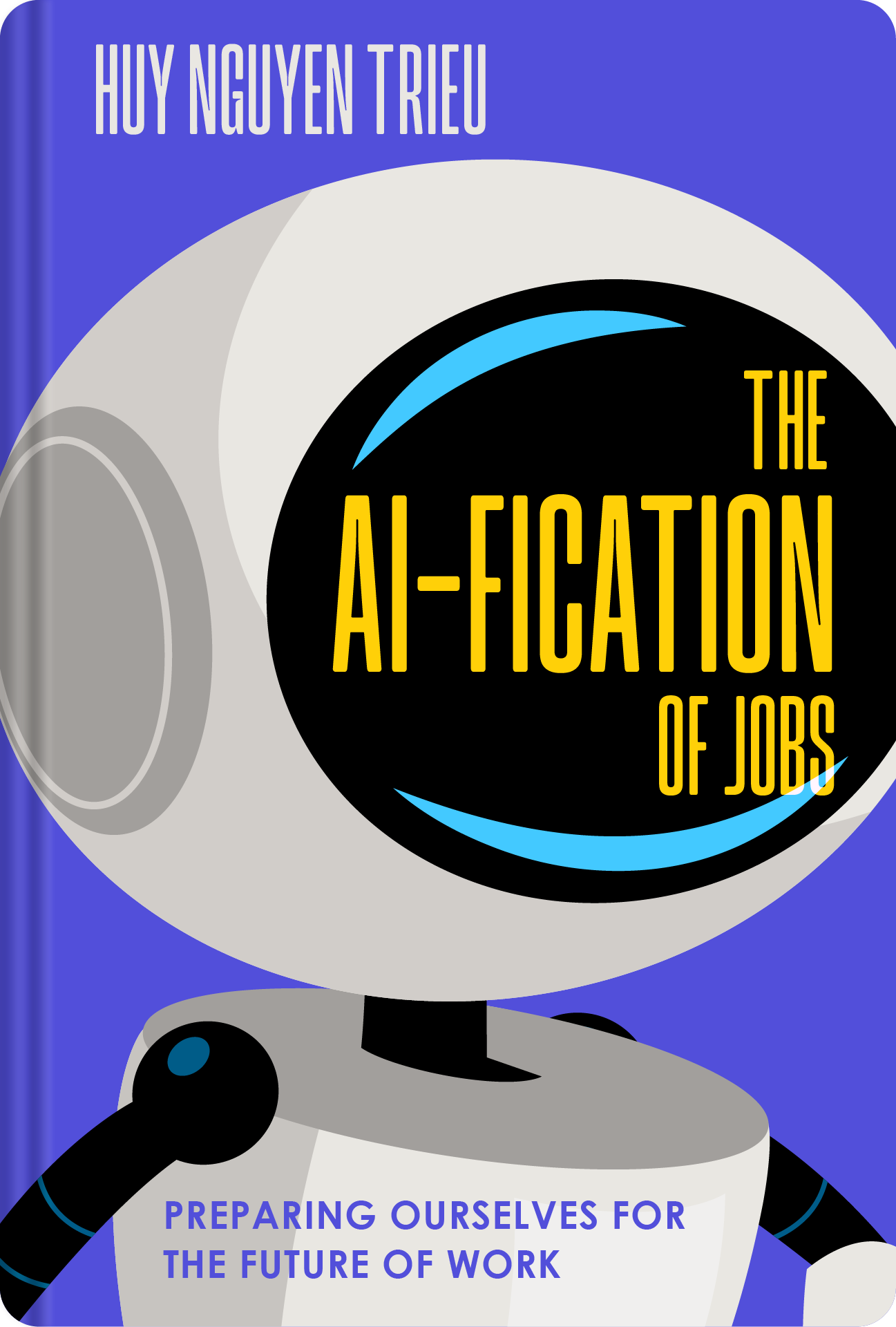 The AI-fication of JobsHuy Nguyen TrieuYou come away with a framework for seeing how AI changes tasks and professions, so you can tell what is shifting from what is not.Listen to the summary →
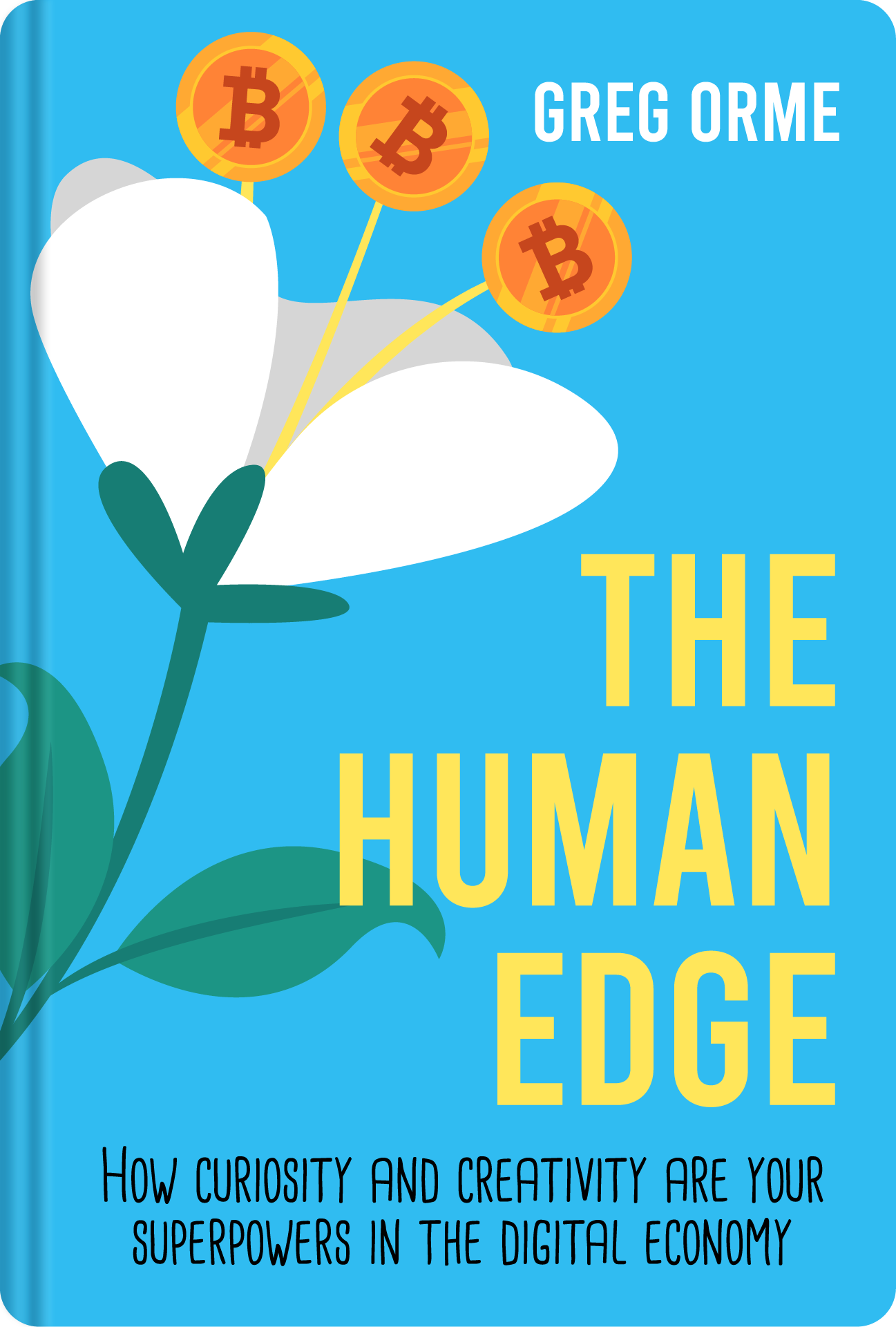 The Human EdgeGreg OrmeYou learn the four human strengths (curiosity, creativity, connection and consciousness) that become more valuable as AI spreads, and how to develop them.Listen to the summary →
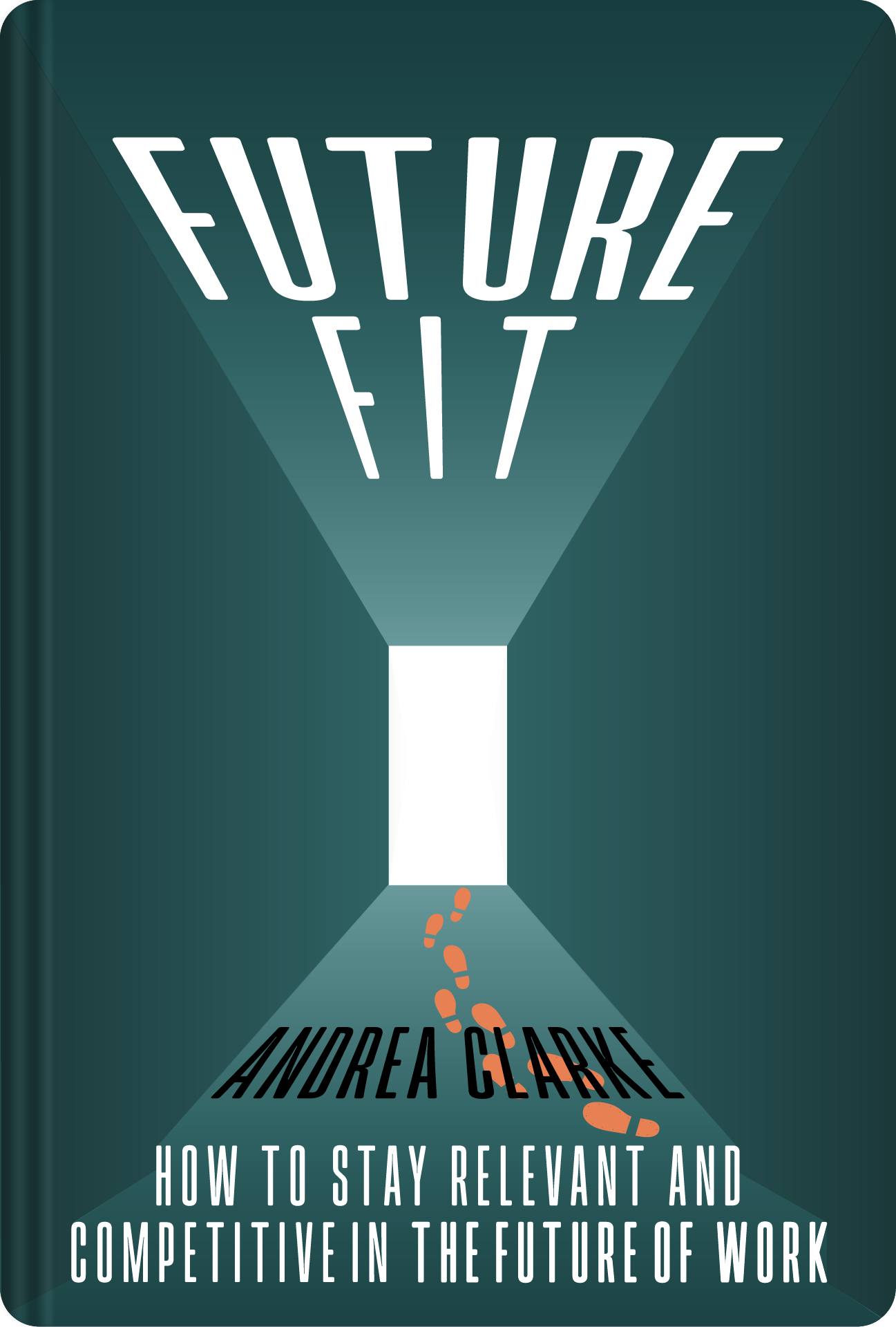 Future FitAndrea ClarkeYou get eight human skills to build over a career, plus practical advice on developing a personal brand.Listen to the summary →
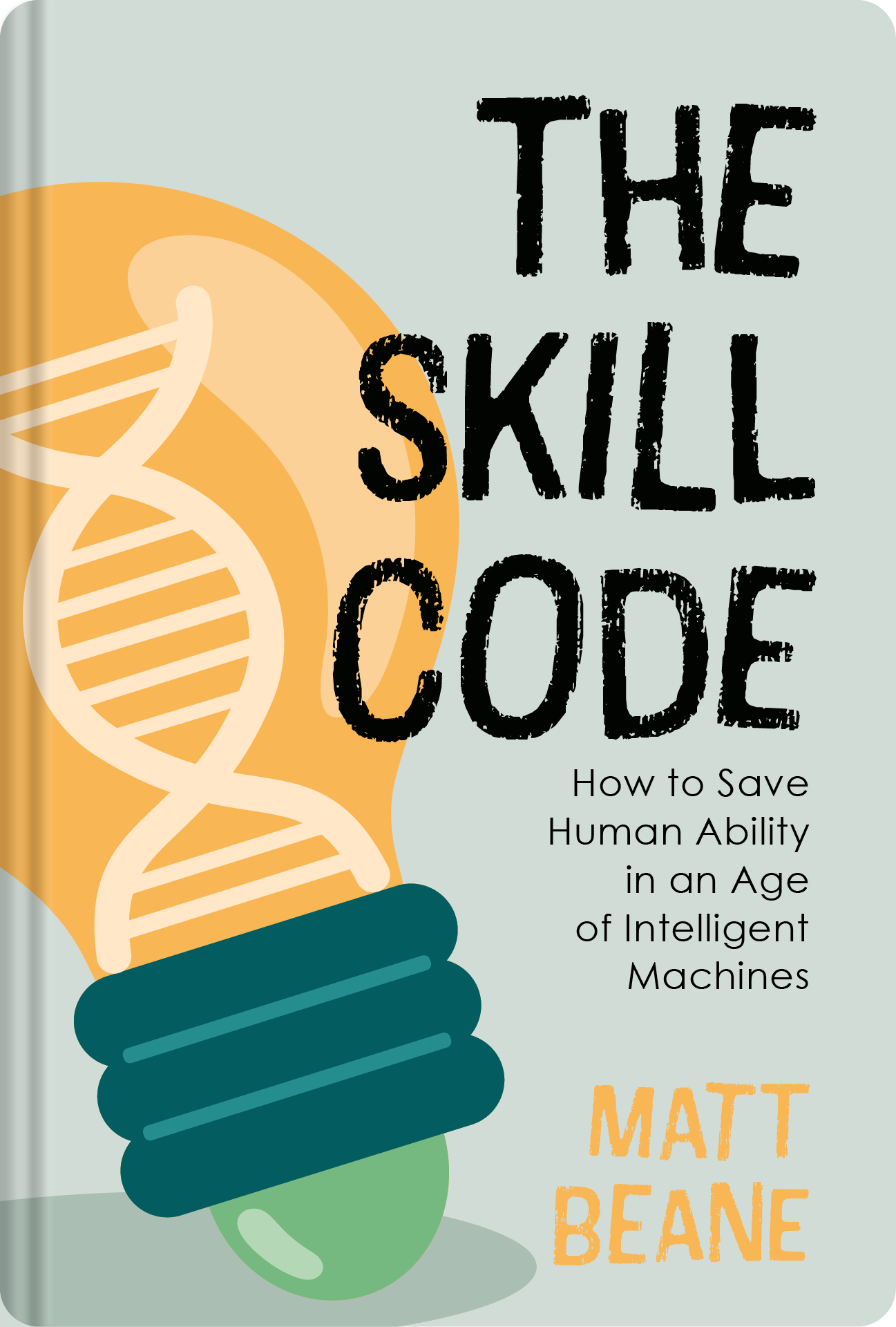 The Skill CodeMatt BeaneYou see why skill grows through challenge, complexity and experienced mentors, and how AI can quietly get in the way of that.Listen to the summary →
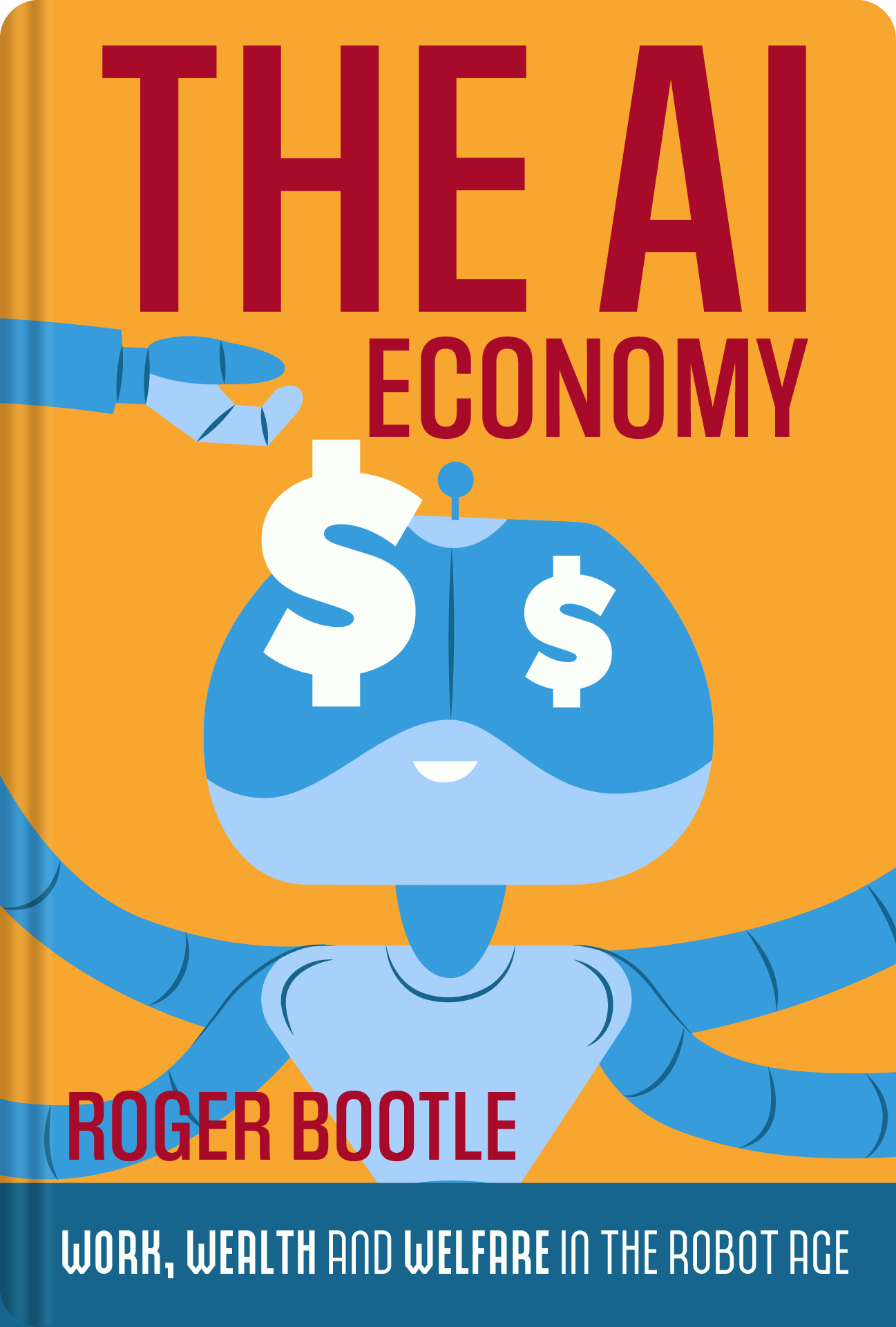 The AI EconomyRoger BootleYou get a balanced view of how AI may affect jobs, wages and growth, and what education, policy and individuals can do about it.Listen to the summary →
A thirty-day plan: one tool, one skill, one conversation
Reading changes nothing until something changes on Monday. Here is a small plan that fits around a full schedule.
- One tool. Pick a single AI tool relevant to your field and use it on a real task each week. The aim is not to master it but to learn what it does well and where it needs a human.
- One skill. Choose one from the human skills in these summaries, such as curiosity or communication, and practise it on purpose. Ask one better question in each meeting, or explain one idea clearly to someone outside your team.
- One conversation. Ask someone more experienced than you for thirty minutes. Bring a specific problem from your work, and ask how they learned to handle it. That is the kind of learning The Skill Code says is worth protecting.
At the end of thirty days, write down what you noticed. You will know more about your own work than you did at the start, and that is the real gain.
You cannot control how fast the tools arrive, but you can decide how fast you learn.
Ready for all five, and nearly a thousand more?
Start your 14 free daysTry the yearly plan free for 14 days. Cancel anytime.Questions people ask
Will AI take my job?
The books in this list do not give a single answer. The AI-fication of Jobs describes outcomes that range from professionals becoming more productive to some roles being displaced or redesigned, and The AI Economy argues that fears of mass unemployment may be exaggerated while many jobs and skills will change. The practical takeaway is to understand which of your tasks are likely to change and to build the human skills that gain value.
Which future skills should I focus on first?
Start with the human skills that appear across these summaries: curiosity, creativity, adaptability, emotional intelligence and communication. The Human Edge and Future Fit between them treat these as the abilities that keep people relevant as technology spreads.
Where should I begin if I only have fifteen minutes a day?
Begin with The AI-fication of Jobs for the overview, then The Human Edge. Each summary takes about fifteen minutes, and you can listen on the drive to work or read it with your coffee. The plan at the end of this article then gives you something concrete to do with what you learned.