
You are sitting in the waiting area, CV folded in your bag, watching the receptionist's phone. Any second now someone will call your name, and the first question will almost certainly be: “Tell me about yourself.”
Few moments in working life carry as much pressure as a job interview. For a graduate, it can feel like the first real test of everything you studied. For someone changing jobs, it can feel like your whole career is being judged in forty-five minutes.
The truth is more encouraging. Interviews are not a test of personality or luck. They are a set of skills: knowing your story, answering clearly, managing nerves and helping the interviewer see what you can bring. All of them can be learned.
These five summaries, each about fifteen minutes, cover the whole journey: getting job-ready, handling the interview itself, understanding your natural interview style, communicating well once you are hired, and building a career that does not have to follow a straight ladder. At the end there is a 48-hour preparation checklist you can use before your next interview.
Ready before the interview
Anastasia de Waal's The Job-Ready Guide starts earlier than most advice: choosing a suitable career path, building useful experience, writing strong applications, and adjusting to the expectations of a new workplace. Many interviews are won or lost before you enter the room.
Practical preparation matters. Know the organisation, know the role and know three specific achievements you can describe in a minute each, with the result you delivered.
Interviews are learnable skills
Sam Owens's I Hate Job Interviews treats the interview as a set of skills rather than a test of personality. It offers frameworks for answering common and unexpected questions, communicating your achievements and managing nerves.
Anna Papalia's Interviewology adds self-knowledge. Candidates have different natural interview styles. When you understand yours, you can adapt to the person across the table and present your strengths with more confidence and authenticity.
Our job market, our questions
Many interviews in the region happen in English, even when everyone in the room speaks Arabic. Prepare your key answers in English aloud, not just in your head. Short, clear sentences beat long, impressive ones.
Think too about the questions that come up often here: why the private sector or why government, why this city, where you see yourself in five years. Salary conversations can be handled politely by giving a researched range and focusing on the value you bring. And if you were not selected, a courteous thank-you message keeps doors open for the future.
After the offer: grow on a squiggly path
Getting the job is the beginning. Ethan Becker and Jon Wortmann's Mastering Communication at Work shows how to organise a message, understand your audience and handle difficult conversations, the skills that decide how quickly you are trusted in a new role.
Helen Tupper and Sarah Ellis's The Squiggly Career reminds us that careers today rarely follow a straight ladder. Sideways moves, new skills and unexpected opportunities are normal. Understanding your strengths and building a network gives you control over a path that will bend more than once.
Start with a free summary today
Read today's free summaryA free summary every day, in Arabic or English, audio or text.Five summaries, in the order we would read them
Read the first three before your next interview, and the last two in your first months in a new role.
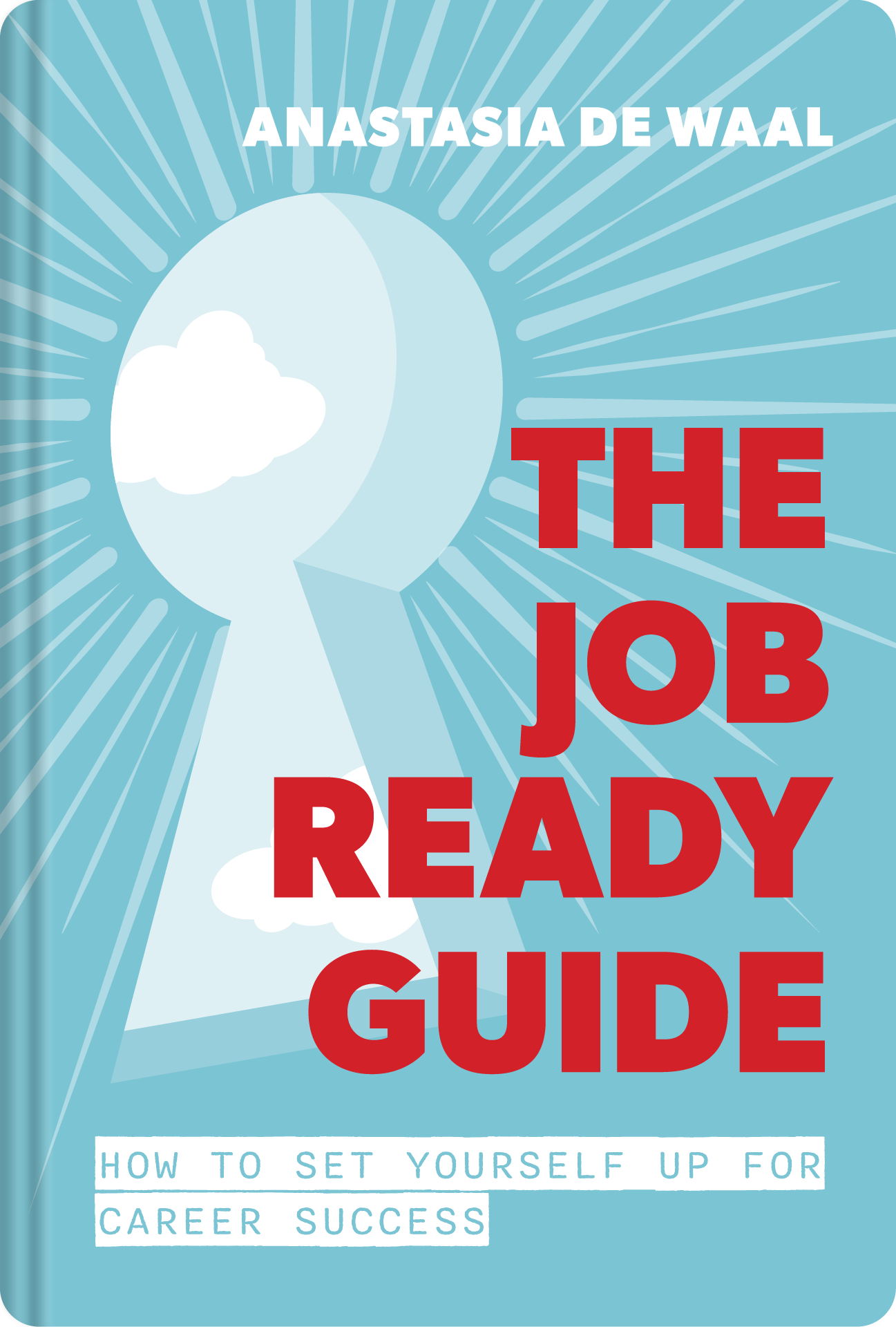 The Job-Ready GuideAnastasia de WaalYou get a practical guide to choosing a career path, building useful experience, writing strong applications, succeeding in interviews and adjusting to a new workplace.Listen to the summary →
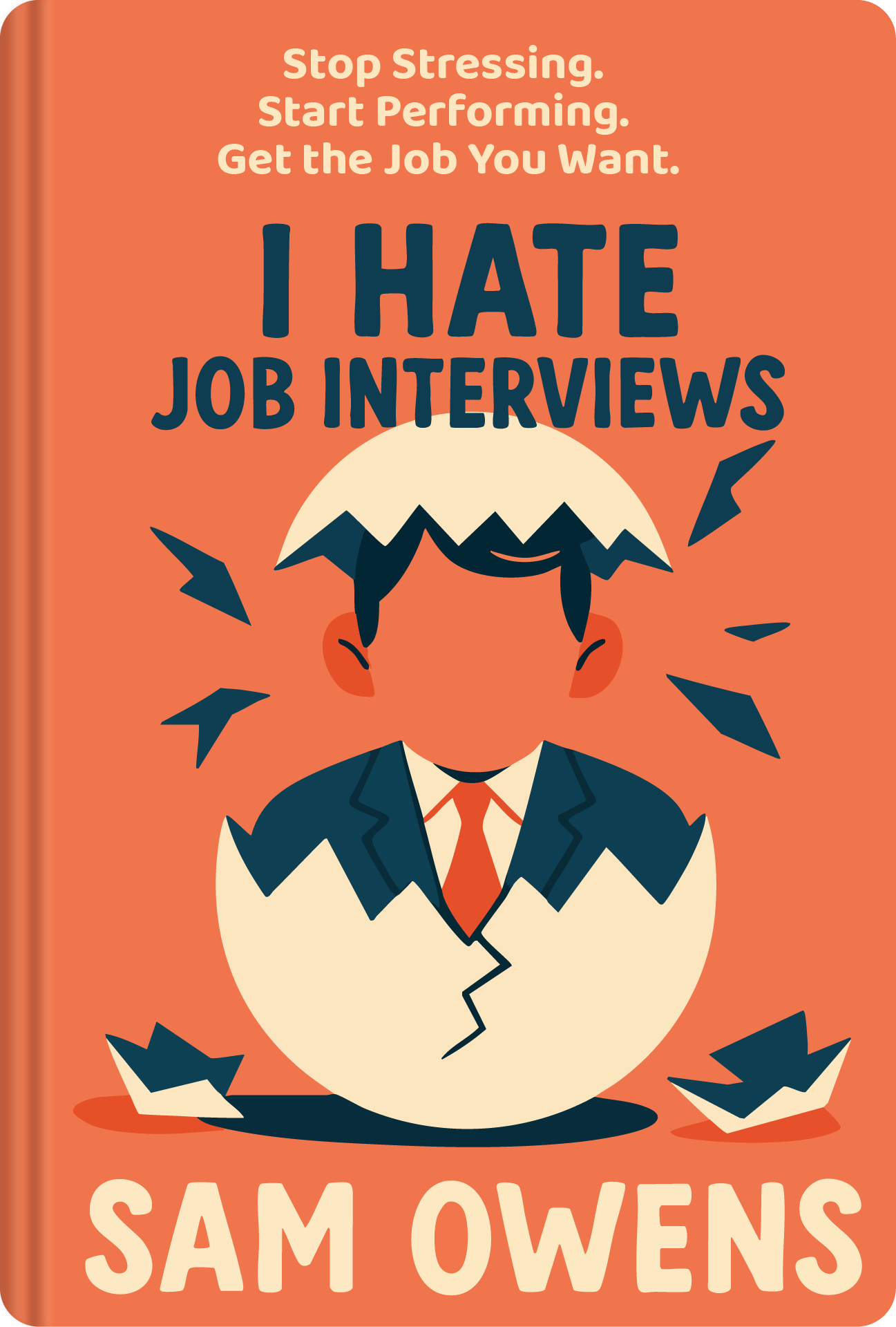 I Hate Job InterviewsSam OwensYou learn frameworks for answering common and unexpected questions, describing your achievements, managing nerves and showing the value you can bring.Listen to the summary →
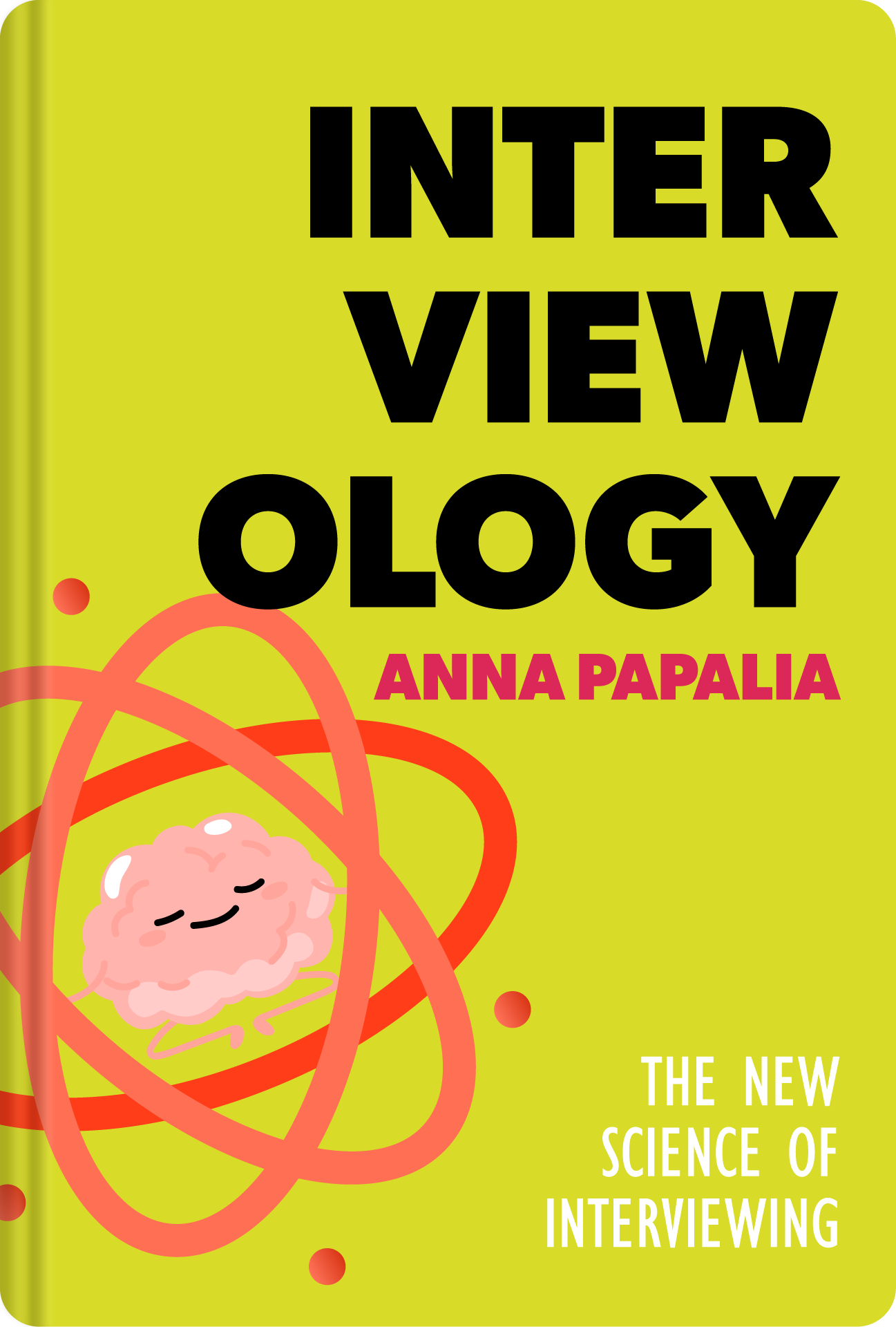 InterviewologyAnna PapaliaYou discover the different interview styles of candidates and interviewers, so you can understand your own tendencies and present your abilities with more confidence.Listen to the summary →
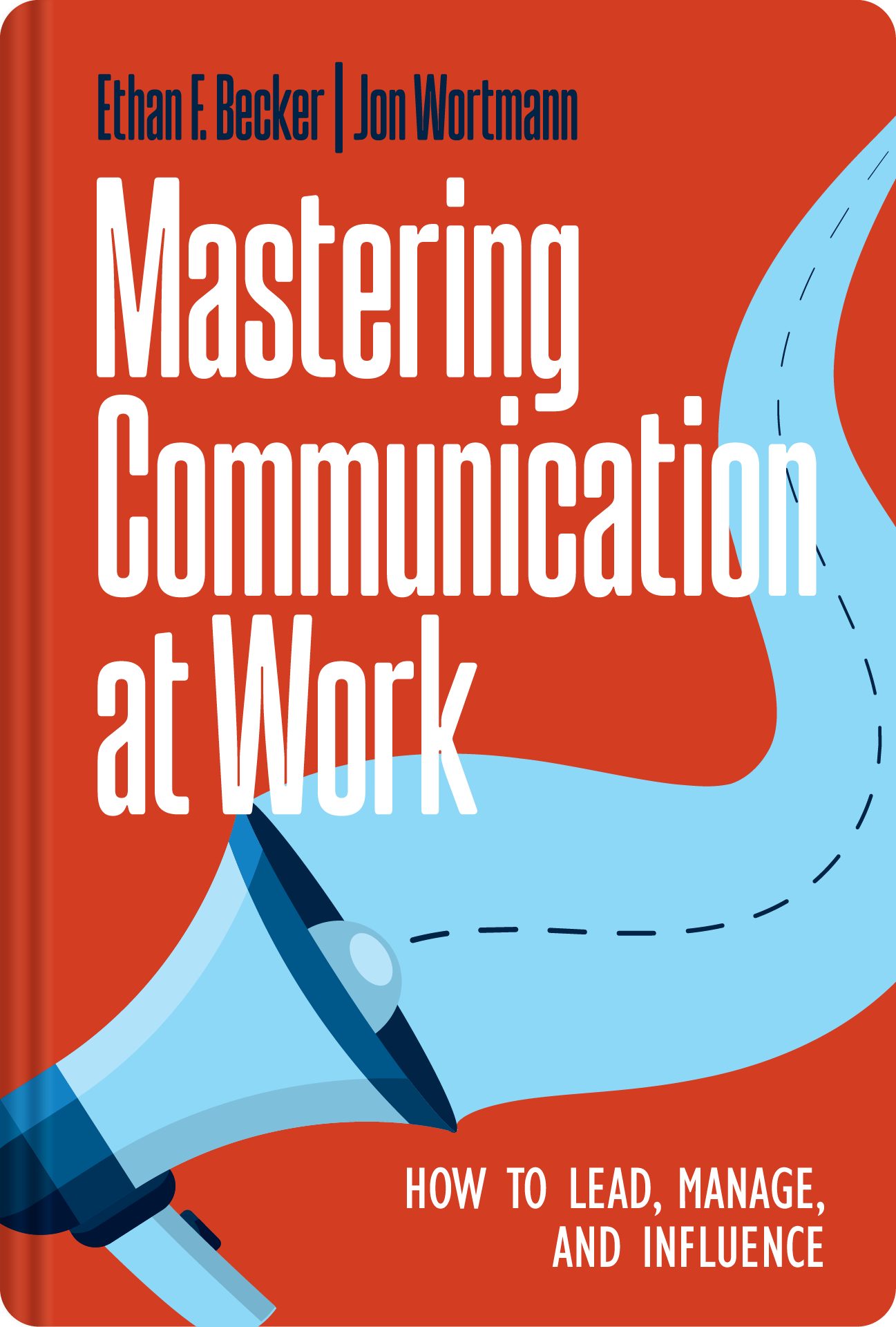 Mastering Communication at WorkEthan Becker and Jon WortmannYou pick up practical methods for communicating clearly at work: organising a message, understanding your audience and handling difficult conversations.Listen to the summary →
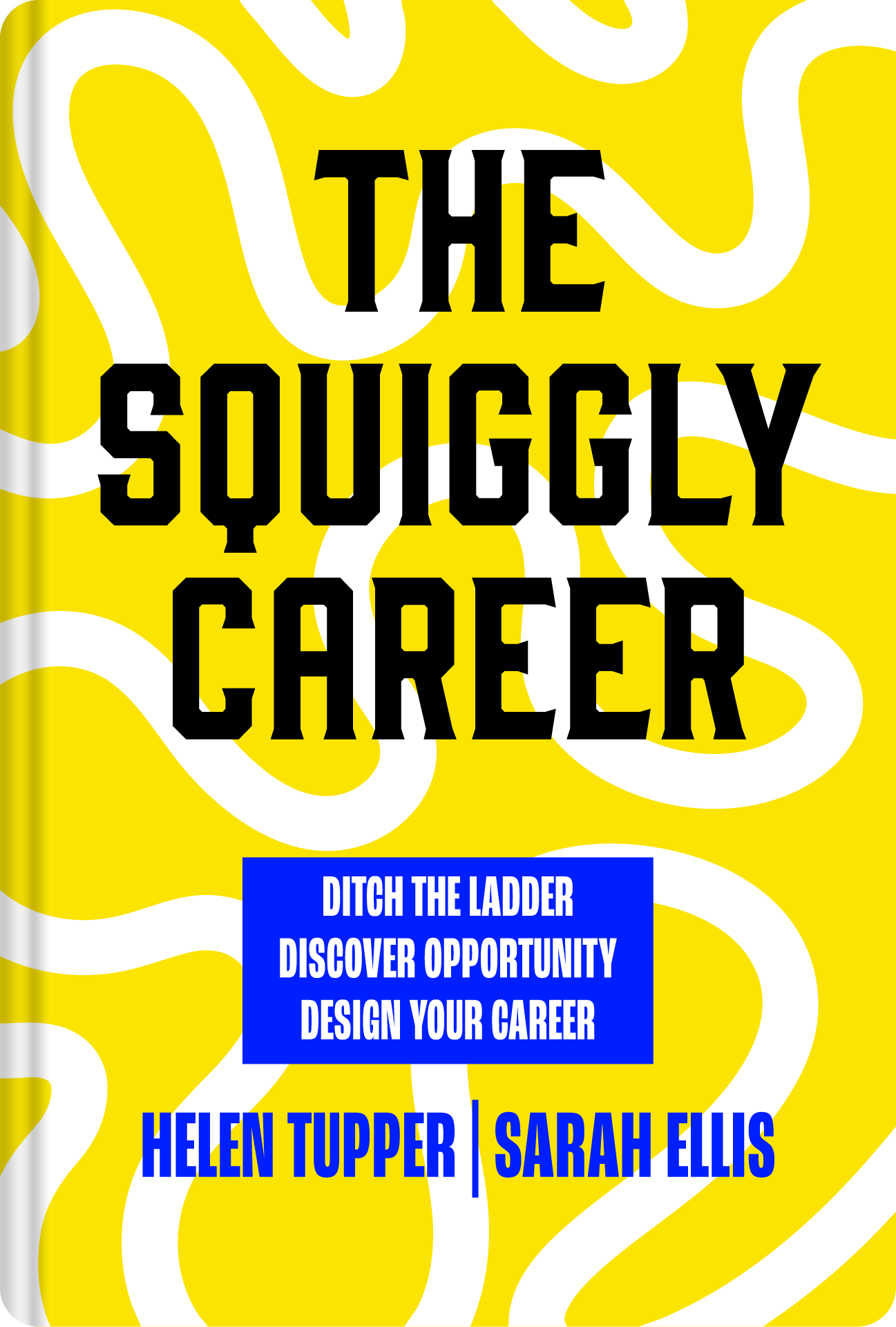 The Squiggly CareerHelen Tupper and Sarah EllisYou see why careers now follow a winding path and how to succeed on it by knowing your strengths, building confidence and networks, and exploring future possibilities.Listen to the summary →
A 48-hour interview preparation checklist
Start two days before the interview. Each step takes less than an hour.
- 48 hours before: read about the organisation, its recent news and the exact role. Write down three reasons you want this job.
- Prepare your answer to “Tell me about yourself” in ninety seconds: who you are, what you have done, why this role. Say it aloud five times.
- Write three achievement stories: the situation, what you did and the result. Use numbers where you honestly can.
- Prepare answers to two hard questions, such as a weakness and a mistake you learned from.
- 24 hours before: prepare two thoughtful questions to ask the interviewer, and plan your route to arrive fifteen minutes early.
- On the day: breathe slowly before you walk in, listen fully to each question, and pause before you answer.
- Afterwards: send a short, polite thank-you message the same day.
Preparation will not remove every nerve, but it will give you something solid to stand on when the first question arrives.
Careers bend. Prepare well for each turn.
Try Durar free for 14 days
Start your 14-day trialNearly 1,000 summaries in Arabic and English on the yearly plan. Cancel anytime.Questions people ask
How do I answer “Tell me about yourself” in an interview?
Keep it to about ninety seconds: who you are professionally, two or three relevant achievements and why you want this role. Practise it aloud. The I Hate Job Interviews summary offers frameworks for this and other common questions.
How can I calm my nerves before a job interview?
Prepare your key stories in advance, practise aloud, arrive early and pause before answering. Nerves usually shrink as preparation grows. Both I Hate Job Interviews and Interviewology cover managing anxiety.
Is it normal for a career not to follow a straight path?
Yes. Most careers today move sideways as well as up. The Squiggly Career summary explains how to use your strengths and network to navigate a winding path with confidence.