
You finish a fifteen-minute summary on the drive to work, and by the evening you can name the book but not much of what it said. That is not a flaw in you or in the summary. It is how memory works, and researchers have measured carefully what helps.
Start with the sceptic's question, because it is a fair one: can fifteen minutes replace a book? No. A full book carries examples, arguments, doubts and stories that no summary can hold.
A summary is something else. It is a first meeting with an idea, a map of what the book argues, short enough to fit between lunch and the afternoon meeting.
The research below explains why that first meeting fades so fast, and why a few minutes later in the week matter more than the fifteen you spent listening. You can use all of it with any book, lecture or set of notes, with or without Durar.
Why do we forget what we read so quickly? The forgetting curve
Picture Sara, a second-year student in Riyadh, listening to a summary about habits on the way to campus. At eight in the morning she could explain the main idea to a friend. By the weekend she remembers that it was about habits, and perhaps one example.
Psychologists call this pattern the forgetting curve. Memory falls steeply in the hours and days after learning, then the drop slows.
The curve is not a verdict on your intelligence. By default, the brain lets go of what it is not asked to use. The useful question is what counts as using it.
Why re-reading feels productive but is not
Most of us answer that question with re-reading. We go back over the notes, play the chapter again, run a highlighter across the page. It feels like work, and it feels like it is working.
The trouble is that familiarity is easy to confuse with memory. The second time through, the words look known and the sentences flow, so the brain reports that the material is stored. Recognising something on the page is not the same as bringing it back with the page closed.
That is why the night-before revision session feels so reassuring and so often disappoints in the exam hall. The reading was smooth. The recall, when it mattered, was not.
The testing effect: what Roediger and Karpicke found in 2006
In 2006 the psychologists Roediger and Karpicke published a simple comparison in Psychological Science. Students studied a prose passage. Some re-read it; others tested themselves on it instead.
Five minutes later, the re-readers remembered more. Re-reading really does win in the short run, which is exactly why it feels so convincing.
When the students were checked again after two days and after one week, the result reversed. Those who had tested themselves remembered more. The effort of pulling the material back out, with nothing in front of them, is what made it last.
Researchers call this the testing effect, or retrieval practice. Testing here does not mean a graded exam. It means any moment when you try to recall something before you look at it again.
Does the testing effect hold up? Two large meta-analyses
One experiment can be a fluke, so it matters that the effect has been checked many times since. In 2014 Rowland combined the studies in a meta-analysis in Psychological Bulletin and found that testing beats re-studying by an average of about half a standard deviation (g = 0.50). The effect was larger when people saw the right answer after trying.
In 2021 Yang and colleagues, also in Psychological Bulletin, looked only at real classrooms: 222 studies covering 48,478 students. Quizzing improved learning by a similar amount, about g = 0.50.
Crucially, it helped with facts, with concepts and with applying ideas. That answers a common objection, that recall only helps you memorise lists. The classroom evidence says it helps understanding too.
Spaced repetition: why the timing of your review matters
The second lever is timing. In 2008 Cepeda and colleagues, writing in Psychological Science, asked when you should first review something if you want to remember it for about a month. The answer was not the same day. The first review worked better a few days after learning.
In 2020 Latimier and colleagues, in Educational Psychology Review, put the two ideas together. Spacing retrieval practice over days beat doing it all in one sitting, with an average effect of g = 0.74.
For busy people, that is reassuring. You do not need more hours. You need a few short moments of recall, placed a few days apart, followed by a check of what you missed.
How to remember what you read from a summary: the first day
So, do book summaries work? As a first exposure, yes; as a replacement for the work of remembering, no. Durar does not yet have quizzes, so the habits below use what exists today: listening and reading, highlights, daily pearls, the weekly goal and re-listening.
Listen, then read. Each summary comes as audio or text, with the text highlighted in time with the voice. Listen first on the drive or a walk, then before you open the text later, ask yourself what the three main ideas were. Try first, then check.
Highlight one line, not ten. At the end, recall the single idea you would keep, then find the passage that says it and highlight it; it is saved under Library > Highlights. Choosing one line forces a decision, and the decision is a small act of recall.
Use the daily pearls as prompts. Daily pearls are short idea cards drawn from the summaries. When one comes from a summary you have heard, pause before reading on and ask what it said next. That pause is retrieval practice in miniature.
Spaced repetition for reading: the week after
Explain it to someone a few days later. On Thursday, over coffee after lunch, tell a colleague or a sibling what Monday's summary argued, in two minutes, without looking. Where you stall is where to look again.
Re-listen a week later, but recall first. Subscribers can download summaries and listen offline, which makes a second listen easy on a flight. Before pressing play, jot down what you remember, then listen for what you missed: Rowland's finding about seeing the answer afterwards, in practice.
Pick the next summary by the same idea. After the summary of Stanislas Dehaene's How We Learn, try Learn Like a Pro by Barbara Oakley and Olav Schewe, or Johann Hari's Stolen Focus on attention. Meeting the same idea from a second author is a natural, spaced review.
If it helps, set a modest weekly goal, say three days a week. You earn a pearl for each summary you finish and move through levels from Bronze to Legend, but there are no streaks and nothing is lost if you miss a day.
Start with today's free summary
Listen to today's summaryOne summary is open to everyone, every day, in Arabic and English, on iPhone, Android and the web.Summaries mentioned in this article
If you want to go further into the science of learning, these four work well in this order. Each is available in Arabic and English.
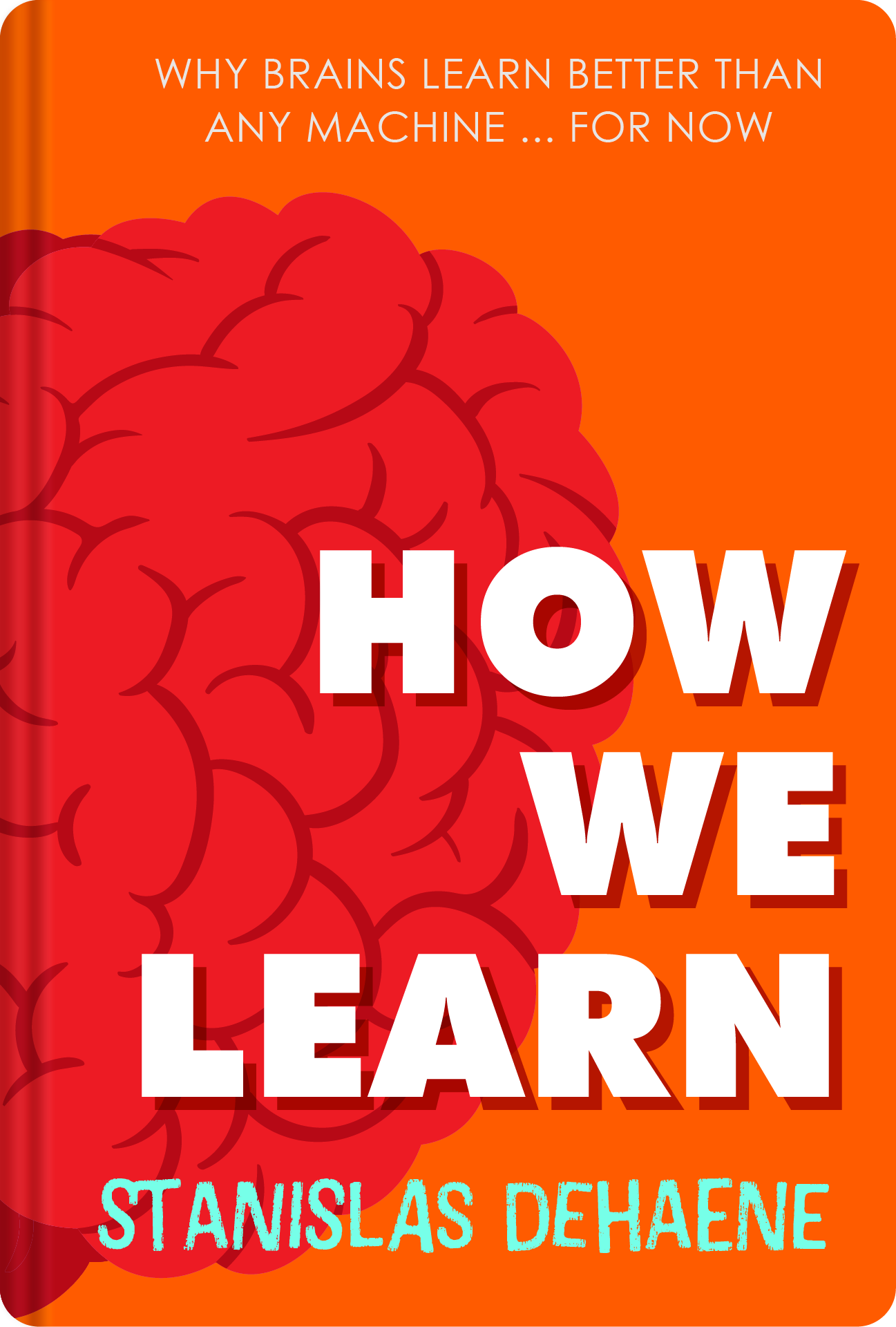 How We LearnStanislas DehaeneStanislas Dehaene describes the four pillars of learning, attention, active engagement, error feedback and consolidation through sleep, with practical lessons for students, parents and teachers.Listen to the summary →
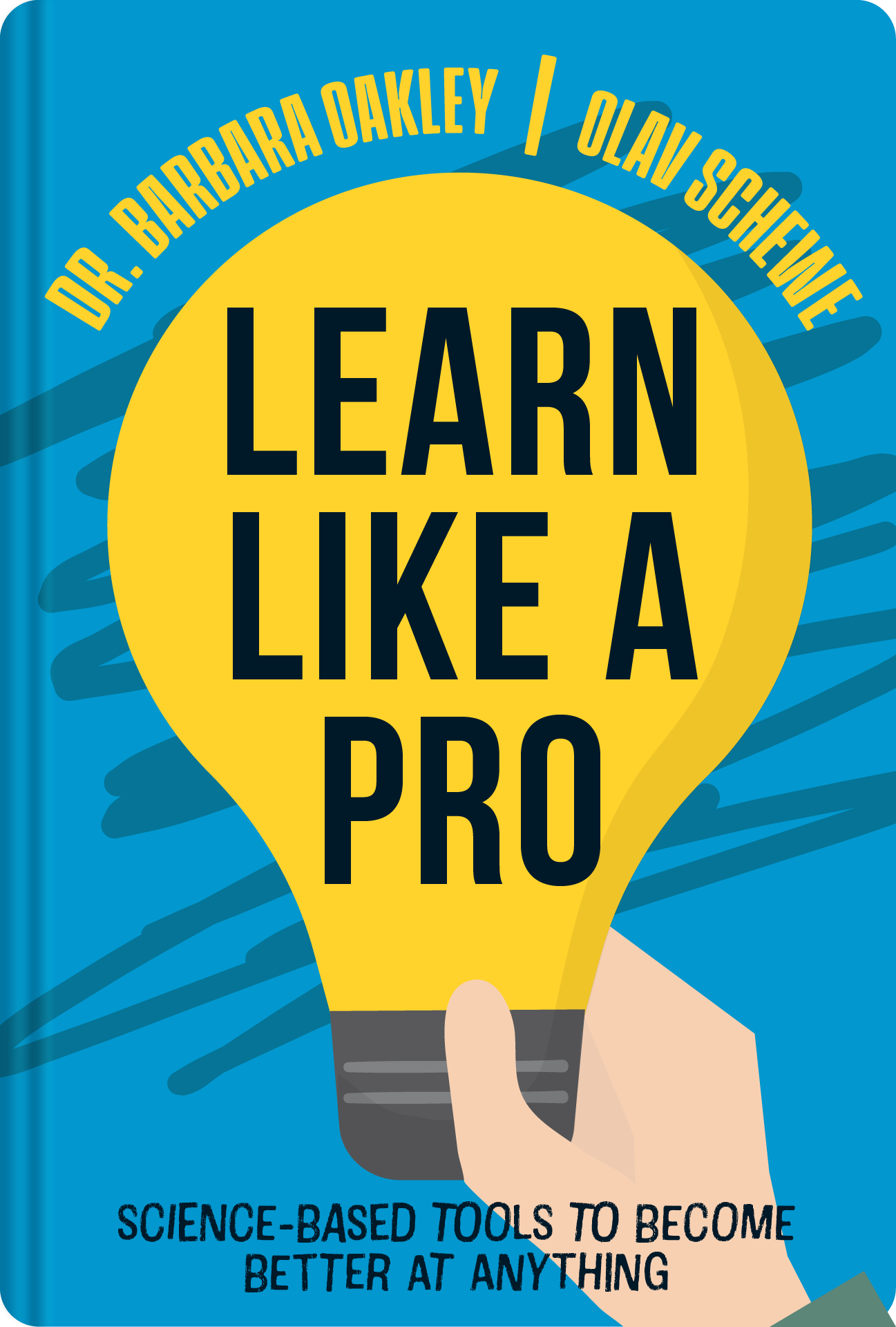 Learn Like a ProBarbara Oakley and Olav ScheweBarbara Oakley and Olav Schewe explain techniques such as active recall and spaced repetition, with tips on focus, note-taking, reading and preparing for tests.Listen to the summary →
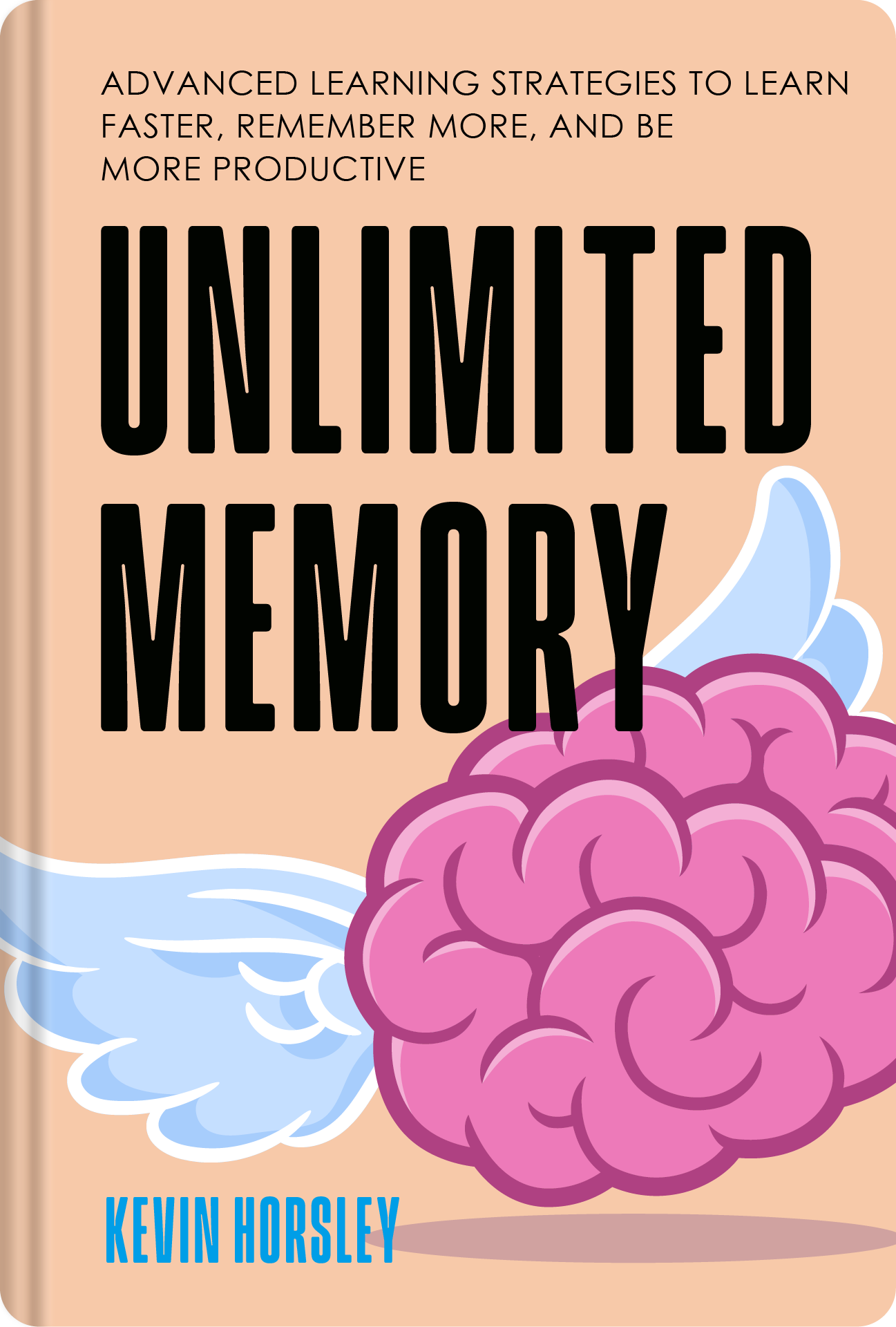 Unlimited MemoryKevin HorsleyKevin Horsley teaches methods such as visualisation, association and mental journeys, and shows that memory is a skill that improves with focused attention and regular practice.Listen to the summary →
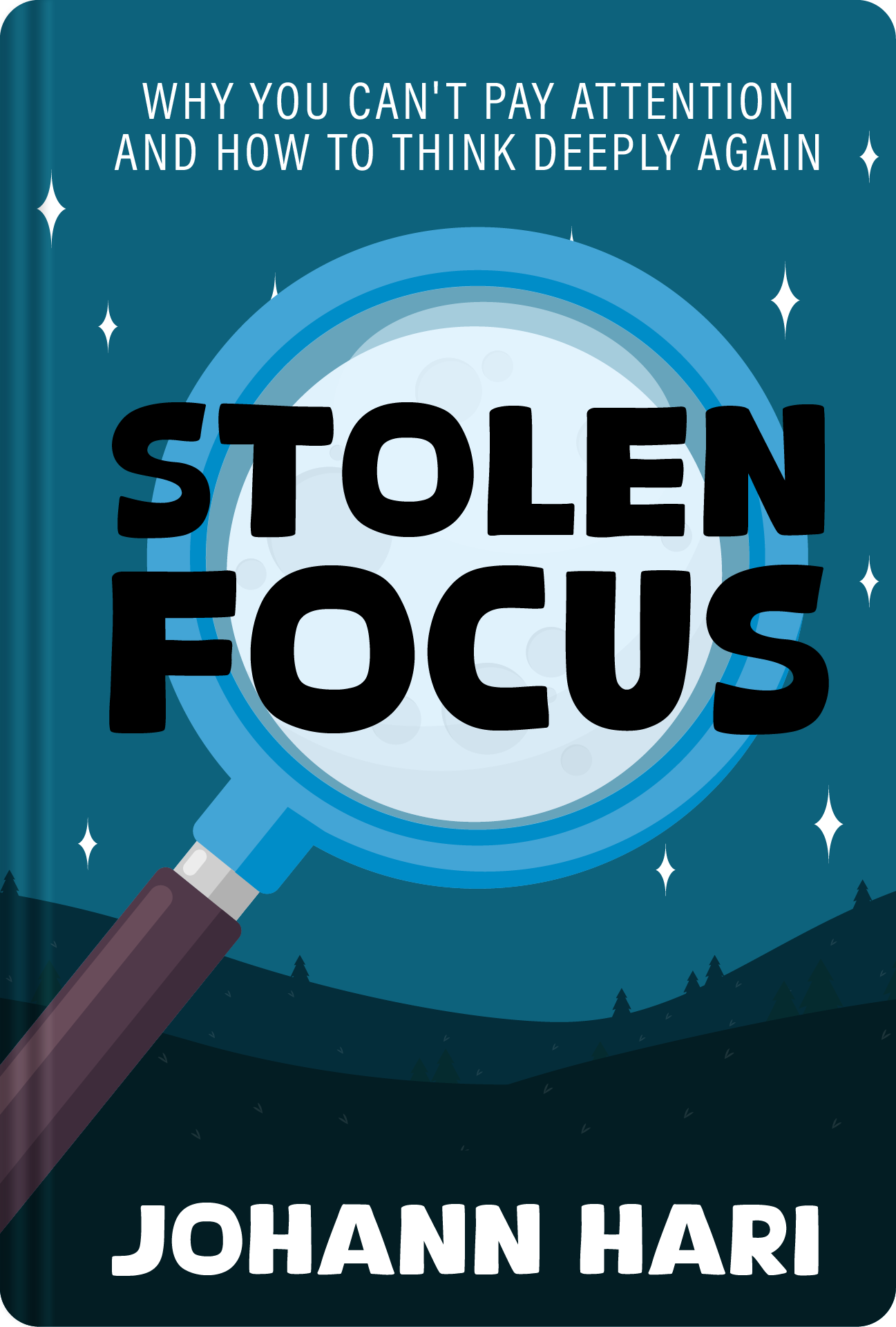 Stolen FocusJohann HariJohann Hari investigates why paying attention feels harder than ever, from constant technology and poor sleep to work cultures built on distraction, and suggests individual and collective steps to reclaim focus.Listen to the summary →
Try this week
Five small steps, none longer than a few minutes beyond the listening itself.
- Monday: listen to one summary (today's free one is fine), then write down three ideas from memory before you look at the text.
- Tuesday: read the text version, check your three ideas against it, and highlight the one line you would keep.
- Thursday: explain the summary to a friend, a sibling or a colleague in two minutes, without notes.
- Next Monday: write down what you still remember, then re-listen and note the gaps.
- Choose your next summary on the same idea, and start the cycle again.
By the end of the week you will have spent perhaps half an hour on one summary, and you will remember far more of it than if you had listened to three.
A summary puts the idea in your head. Remembering it is what you do on Thursday.
Try the yearly plan free for 14 days
Start 14 days free1,000 summaries, new titles every week, offline listening and your highlights in one place. Cancel any time before the 14 days end and nothing is charged.Questions people ask
Do book summaries actually work?
They work as a first exposure to a book's main ideas, not as a replacement for reading it. Research on the testing effect and spacing suggests that what you keep depends mostly on recalling those ideas in the days afterwards.
How can I remember what I read?
Try to recall the main points before you look again, then check what you missed. Roediger and Karpicke (2006) found this beat re-reading after two days and after a week, and Rowland (2014) found it helps most when you see the right answer afterwards.
What is spaced repetition for reading?
It means reviewing at intervals instead of all at once. Cepeda and colleagues (2008) found that to remember something for about a month, the first review works better a few days after learning, and Latimier and colleagues (2020) found spaced retrieval beat doing it in one sitting.
Does Durar have quizzes?
Not yet. You can still practise recall by listening and then reading, highlighting one line, using the daily pearls as prompts and re-listening a week later. Durar has no streaks and no penalty for a missed day.