
It is eleven at night, your exam is at nine, and you are reading the same page for the third time with a yellow highlighter in your hand. Everything looks familiar, so it feels like it is working. Tomorrow, at the exam desk, you will find out how much of it actually stayed.
Most of us study the way we were taught to: re-read, highlight, copy, and cram the night before. It feels like effort, and effort feels like progress. But familiarity is not the same as knowing, and the brain is not fooled for long.
The same problem shows up outside university. Your manager asks you to take over a reporting tool you have never used. A certification is due in three months. Your English needs to be good enough for meetings, and you have only fifteen minutes between commitments.
The good news is that there is real research on how people learn, and it points to a few simple changes. Below are five summaries that cover the ground in a useful order, followed by a seven-day experiment you can run this week.
Why re-reading feels productive and is not
When you re-read a chapter, the words get easier to recognise. That ease is a feeling, not proof that you could explain the idea or use it. The real test is whether you can pull the idea out of your own head with the page closed.
This is why a student can read a chapter four times and still stare at the exam question. Recognising an answer and producing one are different skills, and exams only ask for the second.
What to do instead: a short list
Close the book and write down what you remember. Check what you missed. Try to explain the topic out loud to someone, even an imaginary someone. Do it in short sessions on several days instead of one long night.
These habits feel slower and harder in the moment. That difficulty is the point. It is the part of studying that actually builds memory, which is why the five summaries below keep returning to the same few ideas from different angles.
Learning on the phone between commitments
Most of us do not have long, quiet study blocks. We have the drive to work, the queue at the bank, the ten minutes after lunch, and the quiet hour after the kids are asleep. That is enough, if the time is used well.
One focused fifteen-minute session with a clear question in mind beats an hour of half-attention. Pick one idea, test yourself on it, and stop. Then do it again tomorrow.
Start with one summary today
Read today's free summaryA free summary every day, in Arabic or English, in audio or text. No card needed to begin.Five summaries, in the order worth reading them
Start with how the brain works, then move to methods, then to the habits that keep you going. Each one is about fifteen minutes.
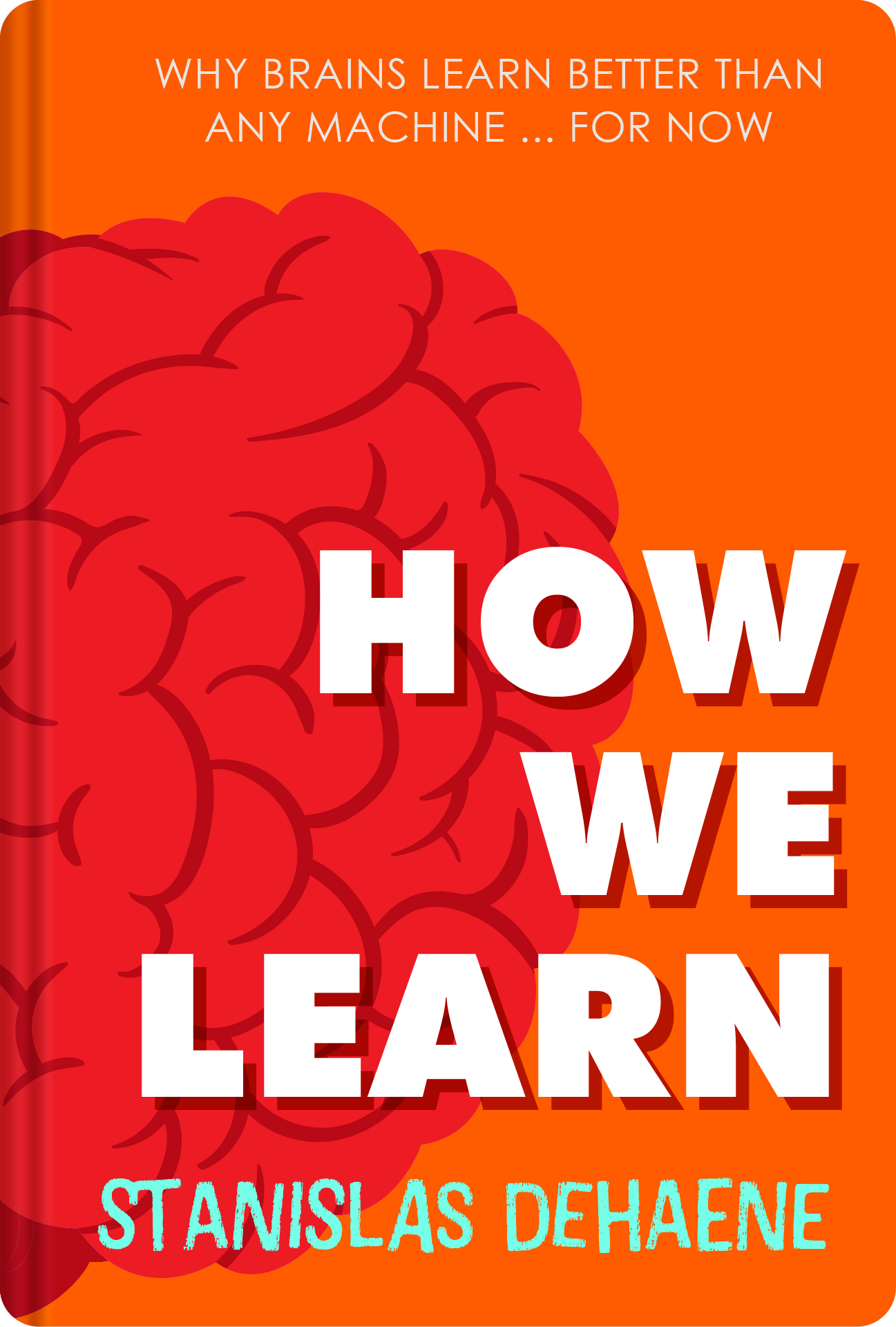 How We LearnStanislas DehaeneYou learn the four pillars of learning (attention, active engagement, error feedback and consolidation through sleep) and why your brain is a better learning machine than you think.Listen to the summary →
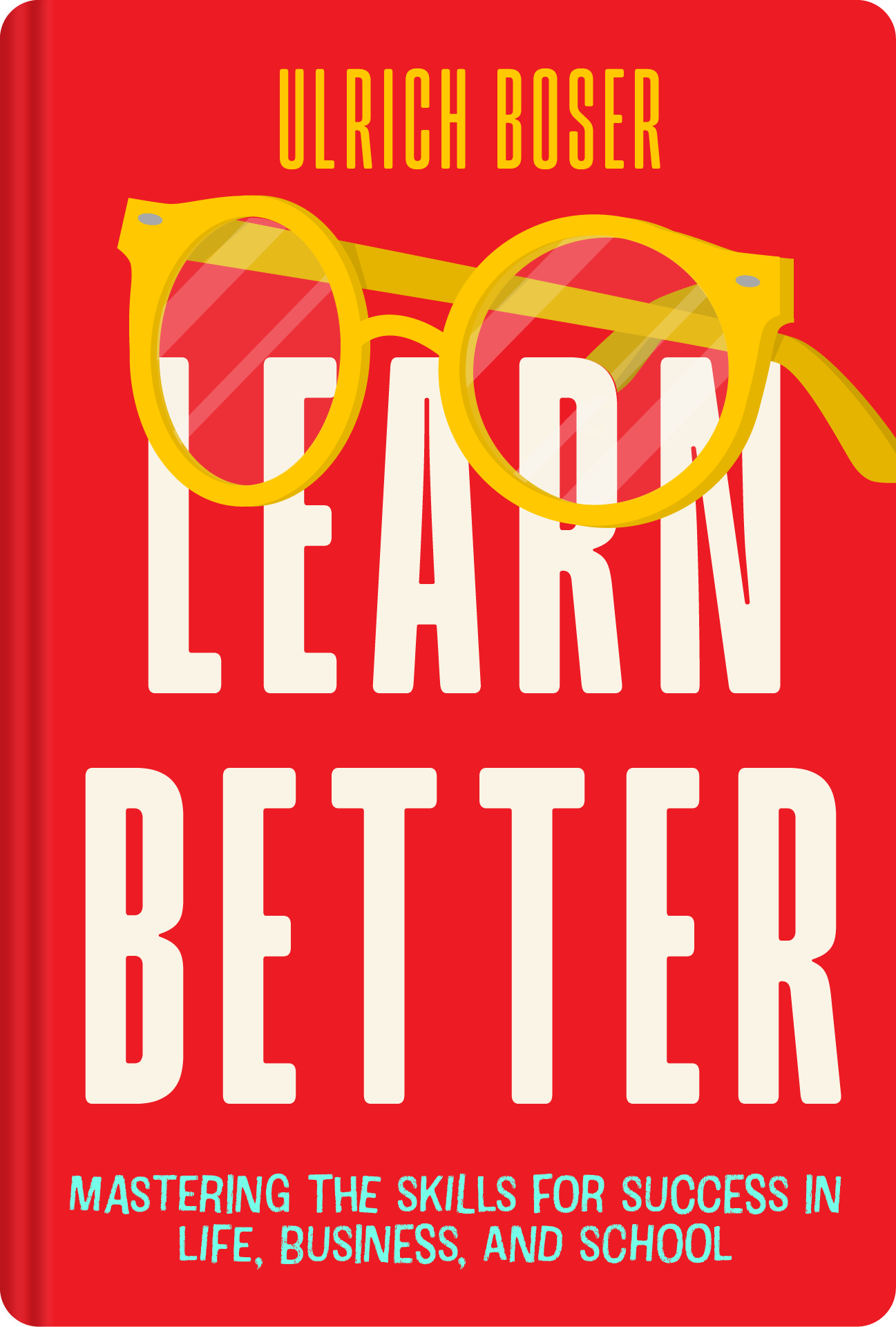 Learn BetterUlrich BoserYou get six practical steps, from valuing what you learn to rethinking your understanding, that treat learning as a skill you can improve.Listen to the summary →
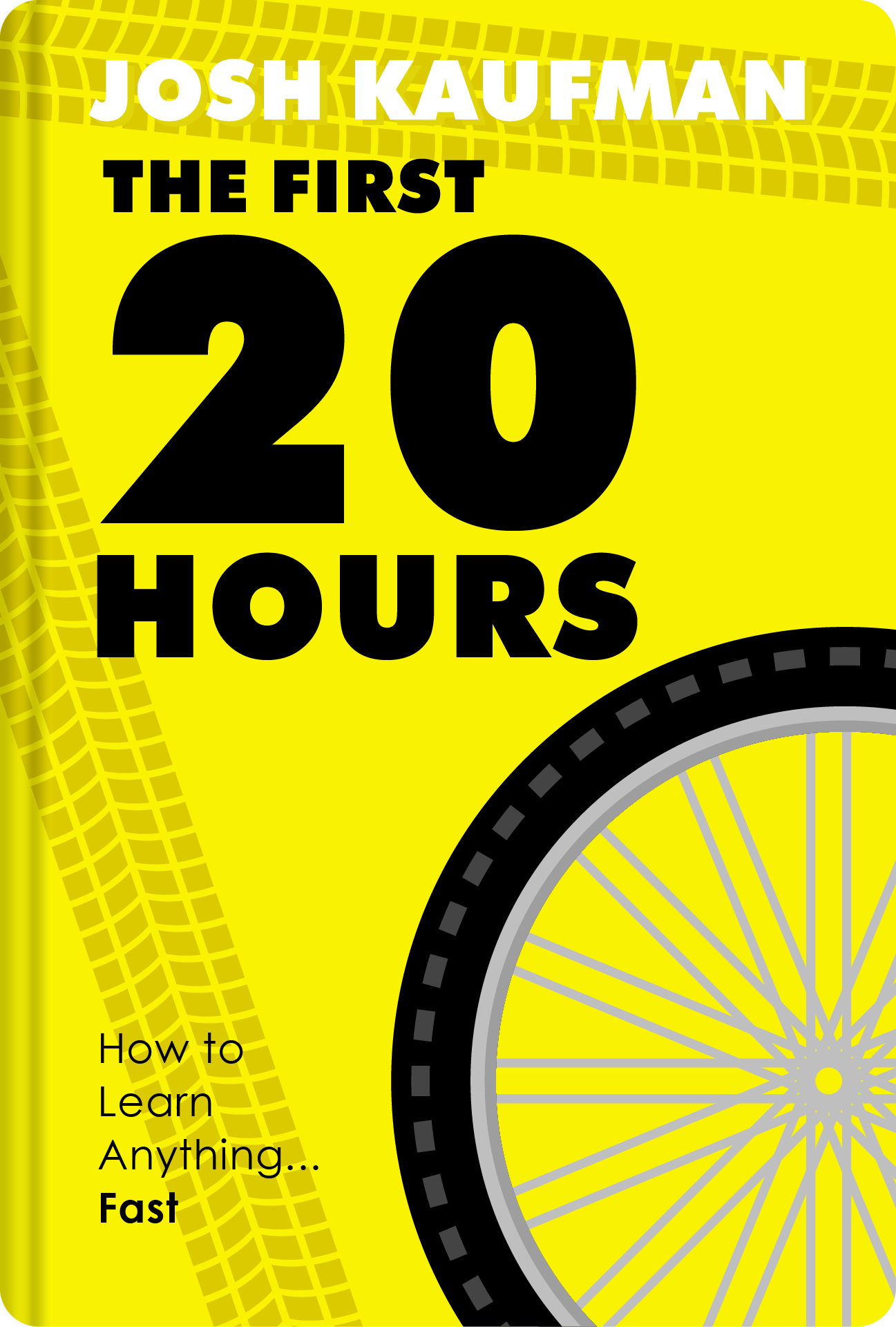 The First 20 HoursJosh KaufmanYou learn a method for breaking a new skill into parts, removing barriers to practice, and committing to twenty focused hours instead of waiting to feel ready.Listen to the summary →
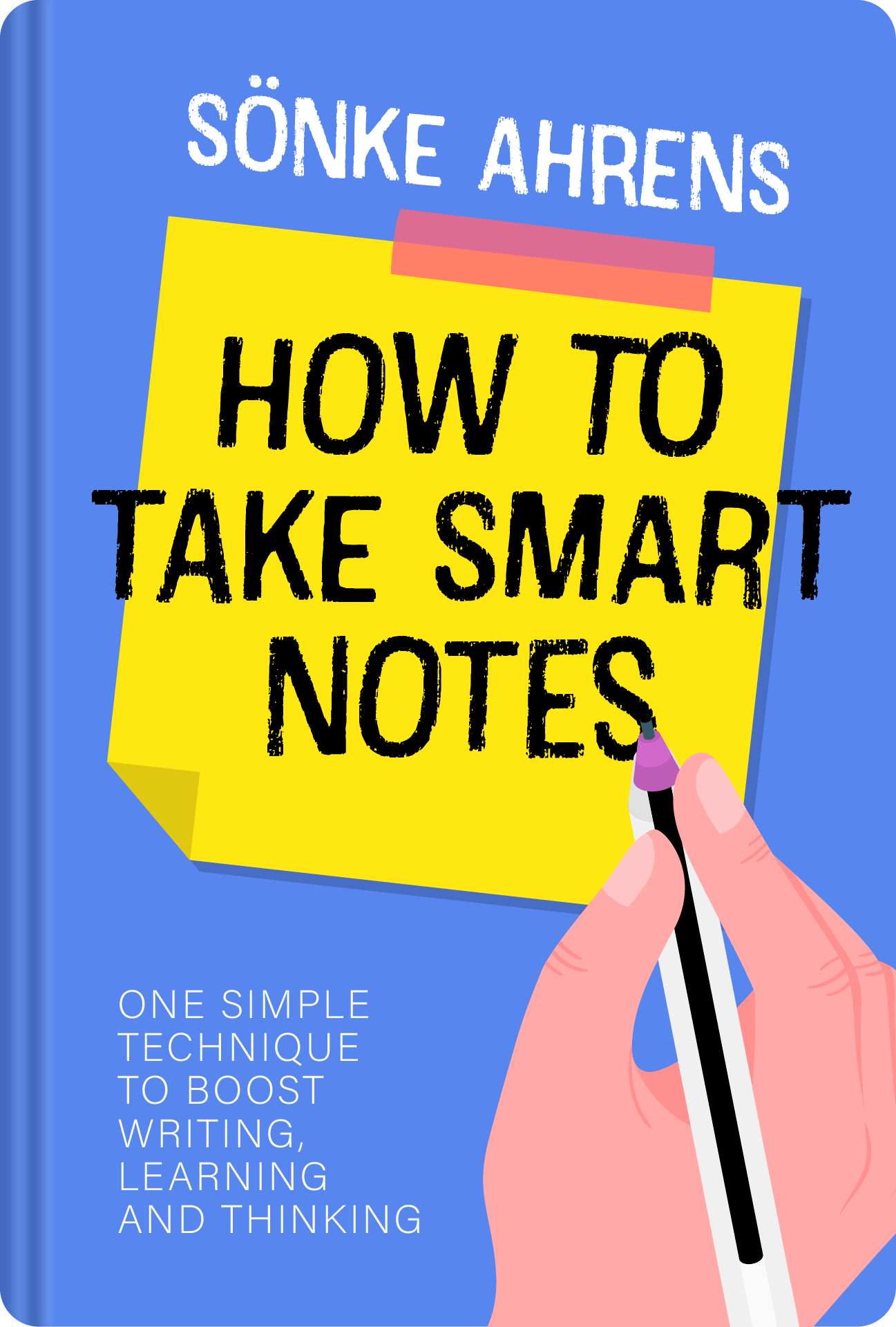 How to Take Smart NotesSönke AhrensYou learn to turn what you read into short linked notes that build into a network of knowledge you can actually write and think with.Listen to the summary →
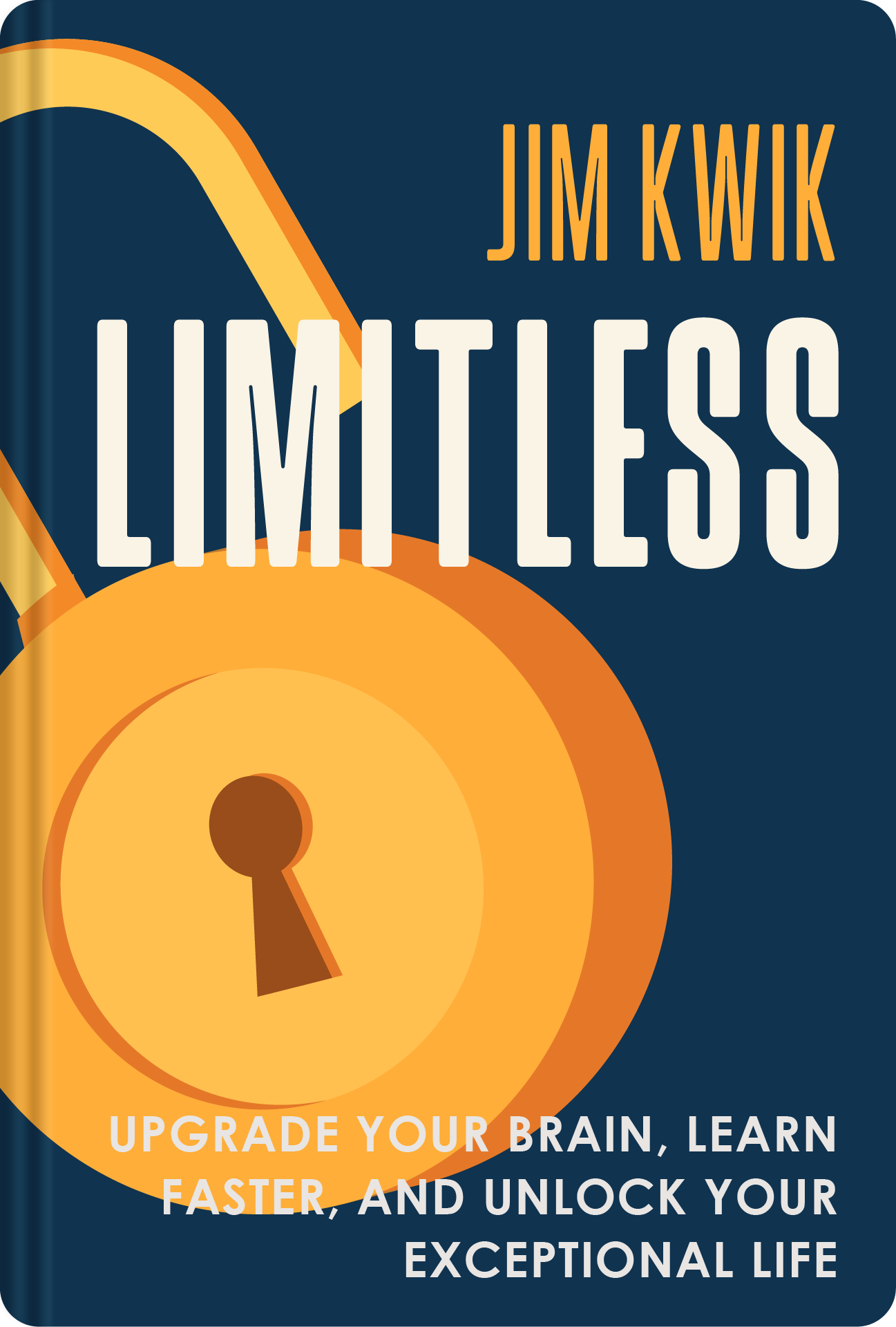 LimitlessJim KwikYou get practical techniques for focus, memory and study habits, built on mindset, motivation and methods, plus advice on sleep and daily routines that support your brain.Listen to the summary →
A seven-day learning experiment
Pick one thing you need to learn this month: an exam topic, a work skill, or English vocabulary. Then, for seven days:
- Day 1: Write down one clear goal and why it matters to you. Then break the topic into five or six small parts.
- Days 2 to 3: Spend fifteen minutes a day on one part. Read or listen once, close it, and write what you remember. Check what you missed.
- Day 4: Explain one part out loud as if teaching a friend. Notice where you get stuck. Those gaps are what to study next.
- Day 5: Write three short notes in your own words from what you learned, and link each one to something you already know.
- Day 6: Test yourself on parts one to three without looking. Go to bed on time, because sleep is when memory settles.
- Day 7: Review what worked and what did not, and keep only the habits that made recall easier.
Notice the difference between how you felt on day one and how much you can recall on day seven. That gap is your own evidence, and it is worth more than any advice.
Learning is a skill, and like any skill it improves with the right practice.
Learn something new in fifteen minutes a day
Try Durar free for 14 daysNearly 1,000 summaries in Arabic and English. Try the yearly plan free for 14 days and cancel anytime.Questions people ask
How do I study effectively for an exam?
Test yourself instead of only re-reading. Close the book, write what you remember, check the gaps, and repeat over several days. Short, spaced sessions beat one long night, and sleep helps what you studied settle.
What are the best books on learning?
Five good starting points are How We Learn, Learn Better, The First 20 Hours, How to Take Smart Notes and Limitless. Together they cover how the brain learns, how to practise, how to start a new skill, how to take useful notes, and how to build focus and memory habits.
Can I really learn a new skill in twenty hours?
Josh Kaufman argues in The First 20 Hours that you do not need ten thousand hours to become reasonably good at something new. His method is to break the skill into parts, learn enough to self-correct, remove barriers to practice, and commit to twenty hours of focused effort. It is about getting started well, not about mastery.