
On the desk is a copy of Thinking, Fast and Slow, its spine already creased. Before anyone writes a word, there is one question to answer: if a busy reader gives this book fifteen minutes on the drive to work, what should they be carrying when they park? Everything in a Durar summary follows from that question.
The question readers ask us most is a fair one: can a summary be trusted? A summary is someone else's choice about what matters. If that choice is careless, you walk away confident about ideas the author never held.
So here is how a Durar summary is made, step by step, from the full book to the highlighted text that follows the narrator's voice. We will also be plain about what a summary cannot do, because that is part of the answer.
If you only want to know how to write a book summary of your own, for a study group, a team meeting or your own notes, most of what follows works with a pen and paper and no app at all.
Choosing a book: will its ideas survive being told briefly?
Durar's library is mostly non-fiction, with a few classic novels. The first test for any book is simple: does it carry ideas that still hold up when someone retells them in fifteen minutes?
Thinking, Fast and Slow, published in 2011, passes easily. Its whole argument rests on one clear structure, a fast, intuitive System 1 and a slow, deliberate System 2, and the rest of the book shows what happens when each one is in charge.
A novel is a different job. Crime and Punishment, from 1866, is not an argument but a story about Rodion Raskolnikov, a poor former law student in Saint Petersburg. A summary can tell you what happens and what the novel is about, but the experience of reading it stays in the book, and we say so.
Reading the whole book, then finding the ideas that carry the argument
Every Durar summary is written by our editorial team, who read the full book. Not the back cover, not the reviews, not someone else's notes. A book's strongest point does not always sit in the opening chapter, and you only find it by reading to the end.
The real work comes after reading: separating the ideas that carry the argument from the ones that decorate it. A useful test is to remove an idea and ask whether the argument still stands. In Kahneman's book, the two systems carry the weight, while anchoring, overconfidence and loss aversion are the examples that show how quick judgements go wrong.
Sometimes the story is the argument. In The Psychology of Money, Morgan Housel sets a caretaker who quietly left millions beside a top executive who lost everything for more. A summary that kept the general rules and dropped those two people would miss what the book is trying to say: that behaviour matters more than formulas.
How to write a book summary in short, clear chapters
Once the key ideas are clear, they are arranged into short chapters, each built around one idea. It suits the way people actually listen: a chapter between two meetings, another while the coffee cools after lunch.
Plain words matter more than clever ones. If the book uses a term like 'anchoring', the summary should make it understandable the first time it appears, not assume the reader already knows it.
Every summary also gets an About text, which says what the book is and who it is for, and it is placed in categories and collections so you can find it again. The About text for The Psychology of Money, for example, tells you plainly that it is about how people think about money and how those thoughts shape their decisions.
Arabic book summaries that read as Arabic, not as a translation
Every summary on Durar exists in both Arabic and English, and you can switch language from the summary page. The two versions carry the same ideas in the same order, but neither is a word-for-word copy of the other. Each is written to read naturally in its own language.
A small example shows the difference. The English About text says Housel's executive lost everything 'for more'. The Arabic says he lost it out of greed for more, which is how an Arabic writer would naturally put it. The idea is identical, and the sentence belongs to its language.
The same care goes into the look of the page. Arabic editions get their own cover with the title in Arabic, designed to read right to left, so التفكير السريع والبطيء sits on its cover as if it had always been an Arabic title.
Review, narration and a highlight that follows the voice
Each summary is reviewed before it is published, and the English uses British spelling throughout. A good review asks hard questions: does every claim come from the book, is anything important missing, and would a first-time reader follow it?
The audio comes in Arabic and English, across about 2,000 tracks. You can change the speed to suit your ear.
Then comes the detail readers notice most: the text is synchronised with the audio word by word, so the highlight follows the voice. If you are practising your English before bed, you can slow the narrator down and read along. Subscribers can also download summaries and listen offline, on a flight or in a car park with no signal.
Are book summaries reliable? What is lost, and what a summary is for
Something is always lost, and pretending otherwise would be dishonest. You lose the author's voice, most of the evidence and the long way round. Kahneman's decades of research with Amos Tversky become a sentence, and the guilt, fever and fear that fill Dostoevsky's pages become a few short paragraphs.
What a summary gives you is the shape of the argument. It helps you decide whether a book deserves a week of your evenings, reminds you what you read years ago, and gives you something solid to discuss with a colleague. Many readers finish a summary and then buy the book, and that is a good outcome.
Reliability also means fixing mistakes. If something looks wrong, you can report it from the app, and corrections reach every reader without an app update. Durar was founded by Jacob Abujaber, an American and Jordanian based in Amman, after 12 years as an electrical engineer in the aerospace industry. Building began in 2024, and the app launched officially in early 2026.
Read today's free summary
Read today's summaryOne summary is open to everyone, every day, in Arabic and English, as audio or text.Summaries mentioned in this article
These three come up in the piece above, and together they show the range: a book of ideas, a book of stories and a classic novel.
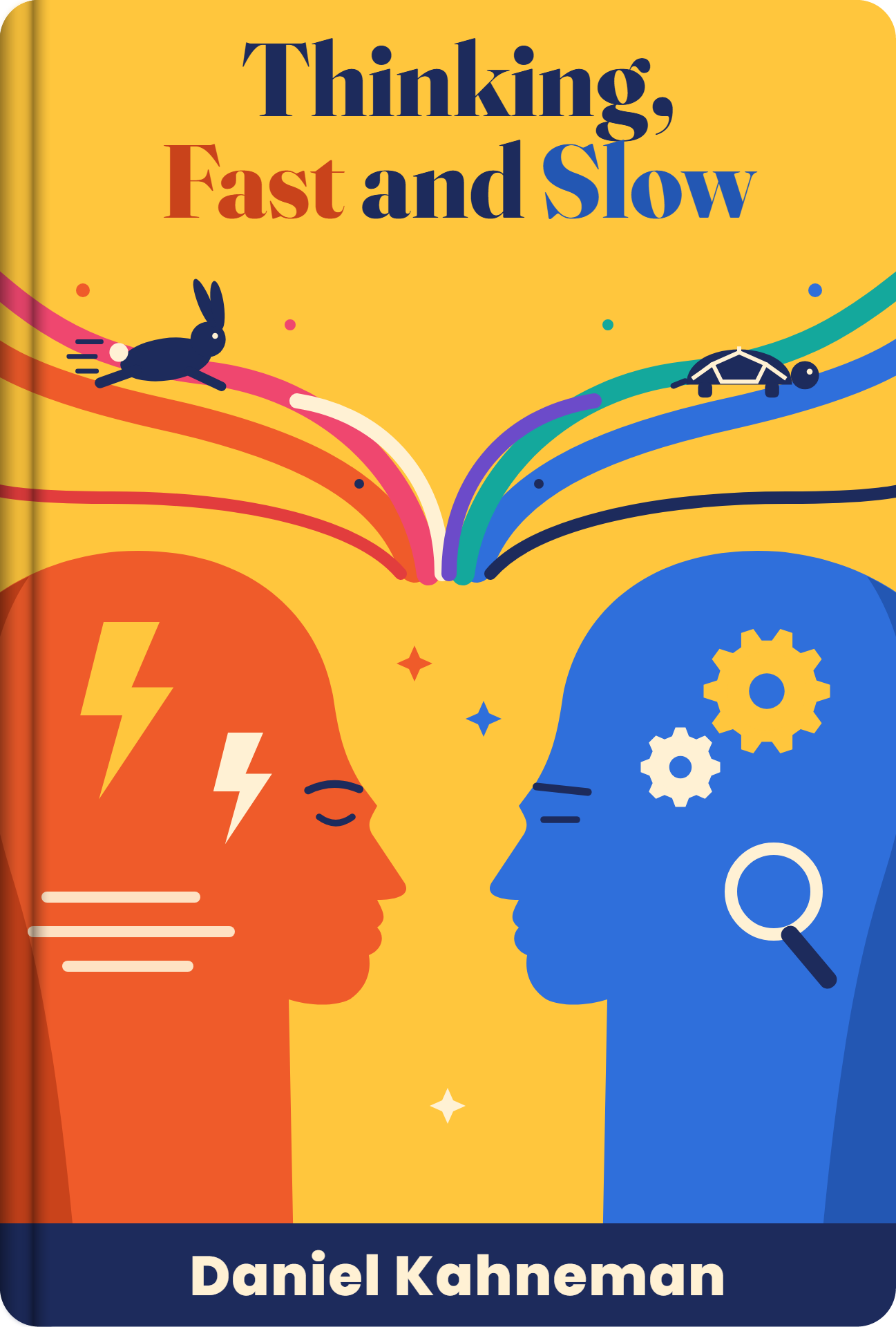 Thinking, Fast and SlowDaniel KahnemanYou come away understanding the fast and slow systems behind your judgements, and how to recognise the moments when slowing down leads to a better decision.Listen to the summary →
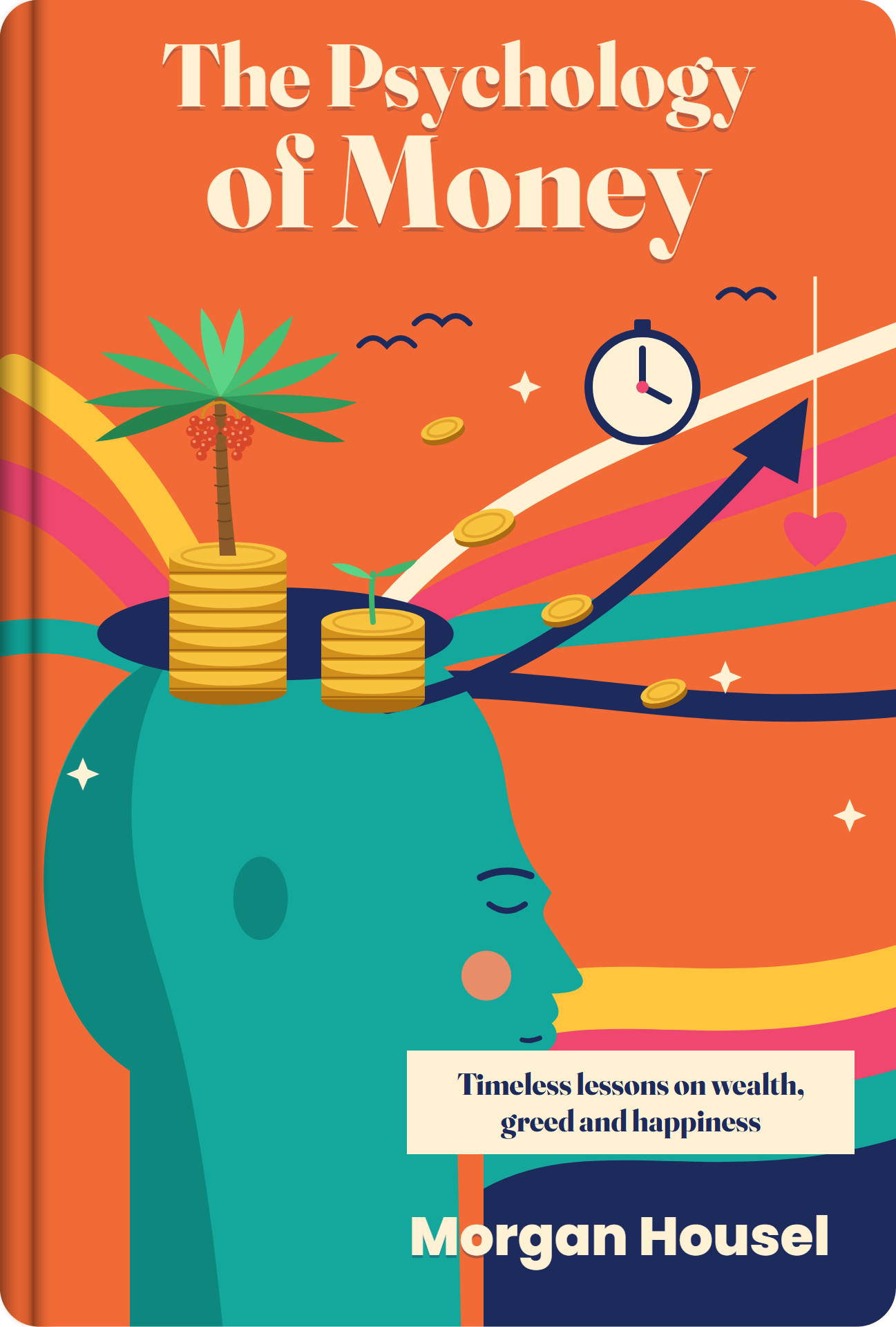 The Psychology of MoneyMorgan HouselYou learn why luck, risk, envy and patience shape your money decisions more than formulas do, told through short stories that stay with you.Listen to the summary →
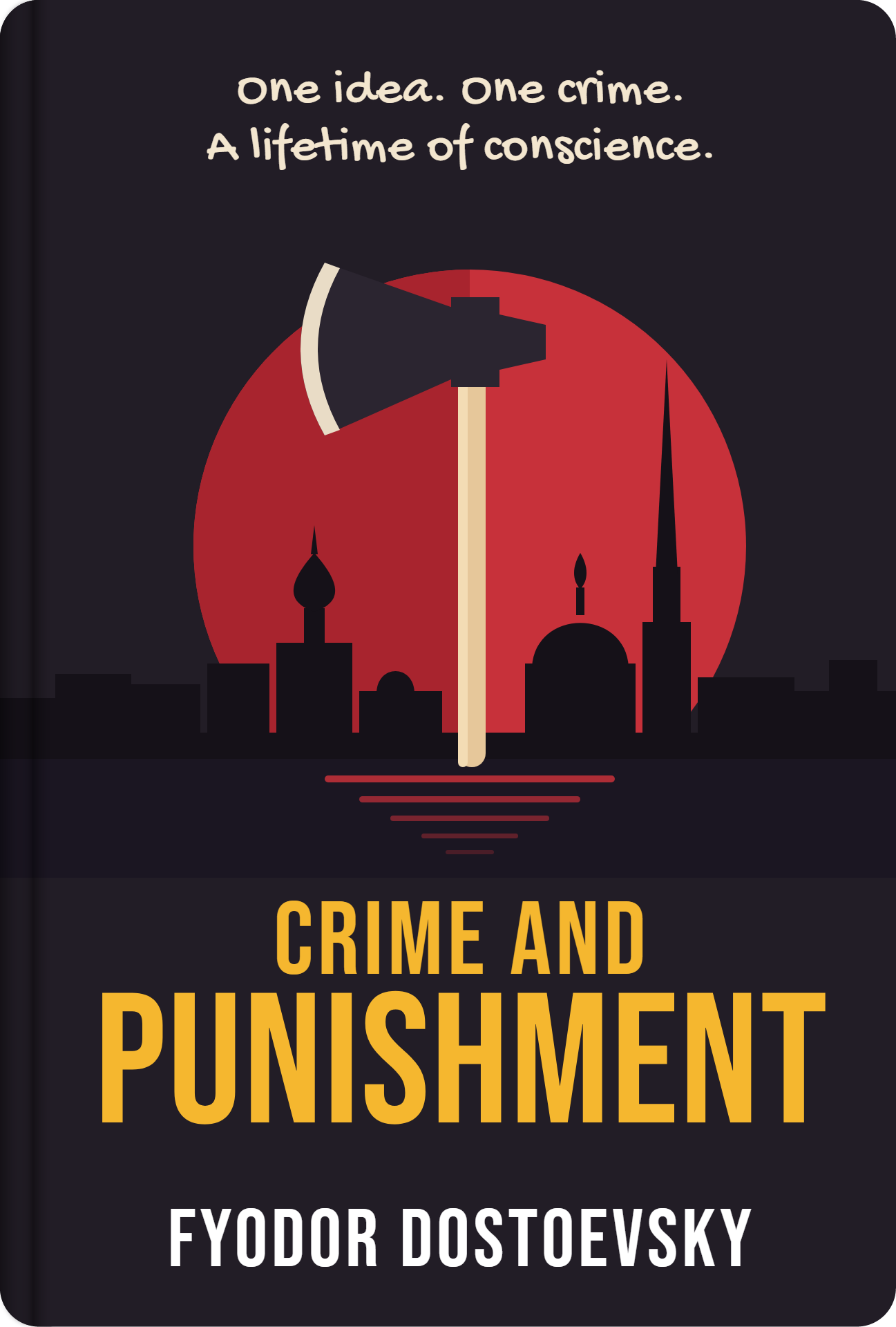 Crime and PunishmentFyodor DostoevskyYou follow Raskolnikov from his crime through guilt and fear, as a shrewd investigator closes in and Sonia leads him toward confession and redemption.Listen to the summary →
Try this week: summarise a book you already know
You do not need an app to practise this. Pick a book you finished in the last year and give it twenty minutes across the week.
- Write one sentence at the top of a page: what should a busy friend walk away with after hearing about this book?
- List every idea you remember, then cross out any idea the argument could survive without. Most people end up with three to five.
- Write each remaining idea as a short chapter of three sentences: the idea, one example from the book, and why it matters.
- Explain the book to a friend or colleague over coffee using only your notes, and watch where they lose interest or ask questions.
- Open the book again and check one claim you made. If you got it wrong, correct your notes.
By Friday you will have a page you can return to, and a clearer sense of how much careful choosing sits behind every honest summary.
A good summary does not replace the book. It tells you, honestly, what the book was trying to say.
Try the yearly plan free for 14 days
Start 14 days free1,000 summaries on phone, tablet and web, with new titles every week. Cancel any time before the 14 days end and nothing is charged.Questions people ask
Are book summaries reliable?
A summary is only as reliable as the reading behind it. At Durar, the editorial team reads the full book, each summary is reviewed before publication, and readers can report problems so corrections reach everyone. A summary still leaves out the author's voice and most of the evidence, so treat it as the shape of the argument, not the whole book.
How does Durar make a book summary?
The editorial team reads the whole book, distils its key ideas into short chapters, and writes an About text saying what the book is and who it is for. The summary is reviewed, narrated in Arabic and English, and synchronised word by word so the highlight follows the voice.
Are Durar's Arabic summaries translated word for word from English?
No. The Arabic and English versions carry the same ideas in the same order, but each is written to read naturally in its own language. Arabic editions also get their own cover with the title in Arabic, designed to read right to left.
Can a 15-minute summary replace reading the book?
No, and it is not meant to. A summary gives you a book's key ideas so you can decide whether to read it in full, remember what you read before, or discuss it with others. With novels like Crime and Punishment especially, the experience of reading stays in the book.