
It is ten at night, the family dinner finally happened, and the plate was generous. Now you are lying down, heavy and wide awake, scrolling, promising yourself that tomorrow will be different. Tomorrow, somehow, looks a lot like today.
Most of us know roughly what a healthier day looks like. The problem is not knowledge. It is that the day is already full: classes, work, traffic, family, a phone that never stops.
You do not need a new life to feel better in your body. You need a few small adjustments, made on the days you actually have. The five summaries below each tackle one part of that: what you eat, why you crave, when you do things, how you move, and what a long healthy life seems to rest on.
None of them asks you to give up the food you grew up with or the table you share with your family. They ask you to notice, adjust and repeat.
The heavy dinner and the afternoon slump
Think about the two moments that wreck a good day. The first is the late, heavy meal that leaves you restless. The second is three in the afternoon, when your eyes close at your desk and the coffee stops working.
These feel like personal weakness, but they are often about habits and timing. What you put on the plate matters. So does the hour you eat it, the hour you sleep and the hour you try to do your hardest work.
The first three summaries below deal with exactly this: food, cravings and timing.
Craving is a habit, not a character flaw
You finish a long day and reach for something sweet, not because you are hungry but because your brain remembers that it felt good last time. That loop can be understood and slowly retrained.
This is a kinder way to think about food than guilt. Instead of fighting yourself every evening, you learn to notice what is really happening and respond differently, one craving at a time.
Sitting all day, and the small fix
Many of us study or work seated for hours, then sit again in the car, then sit again at home. Bodies are made to move, and when they do not, stiffness and aches show up long before old age.
The answer is rarely a punishing workout. It is walking a little more, getting up and down from the floor with ease, and keeping everyday movement alive. Add sleep and a calmer routine, and you start to see what long-term health is built from: ordinary days done well.
Start with a free summary today
Read today's free summaryDurar gives you a free summary every day, in Arabic or English, to read or listen to in about 15 minutes.Five summaries for a body that lasts
Each one takes about 15 minutes to read or listen to, which fits a commute, a lunch break or the quiet before bed. Start with the one that matches your biggest daily struggle.
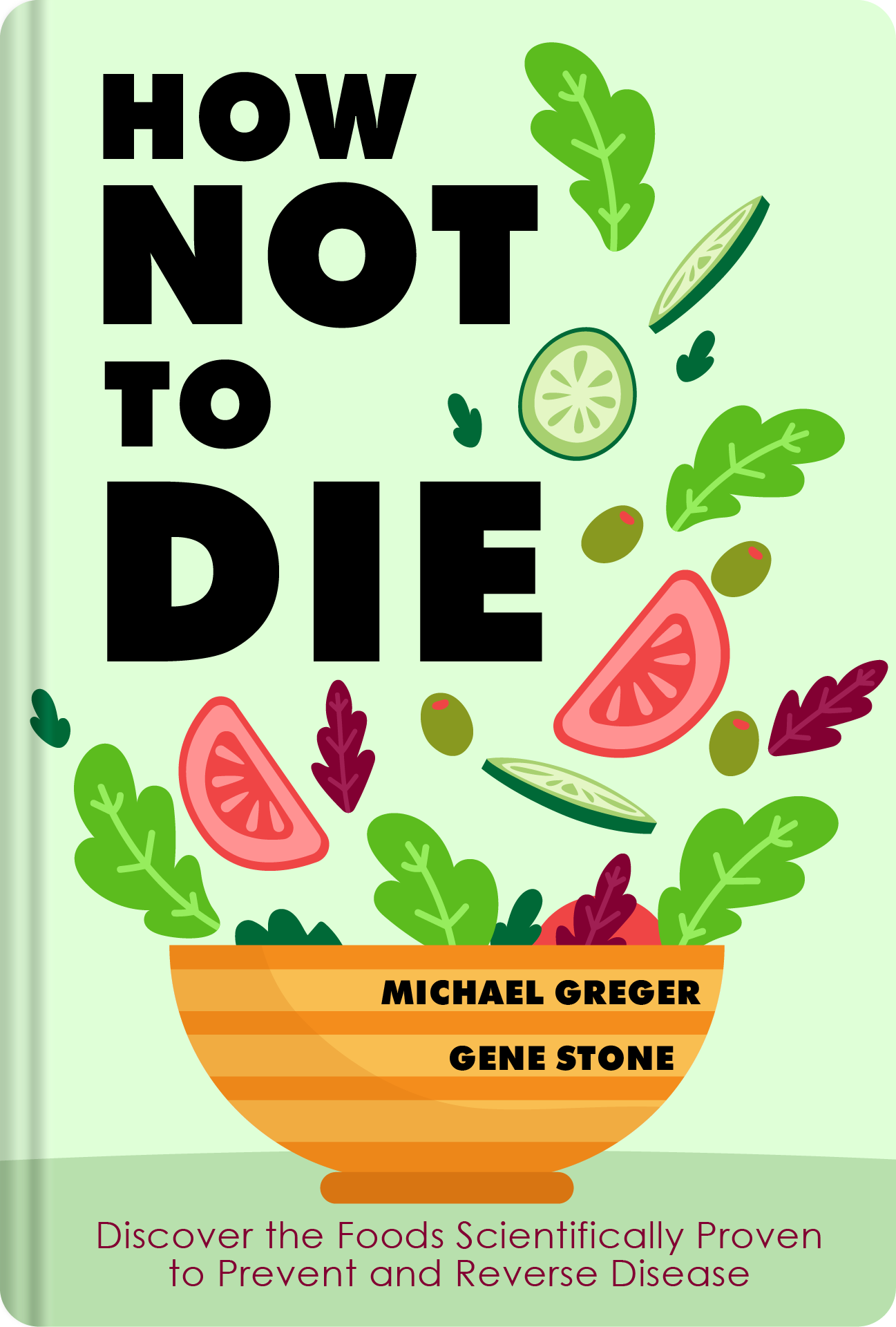 How Not to DieMichael Greger and Gene StoneYou get a research-based case for building meals around vegetables, fruits, beans and whole grains, plus a practical daily checklist for eating better.Listen to the summary →
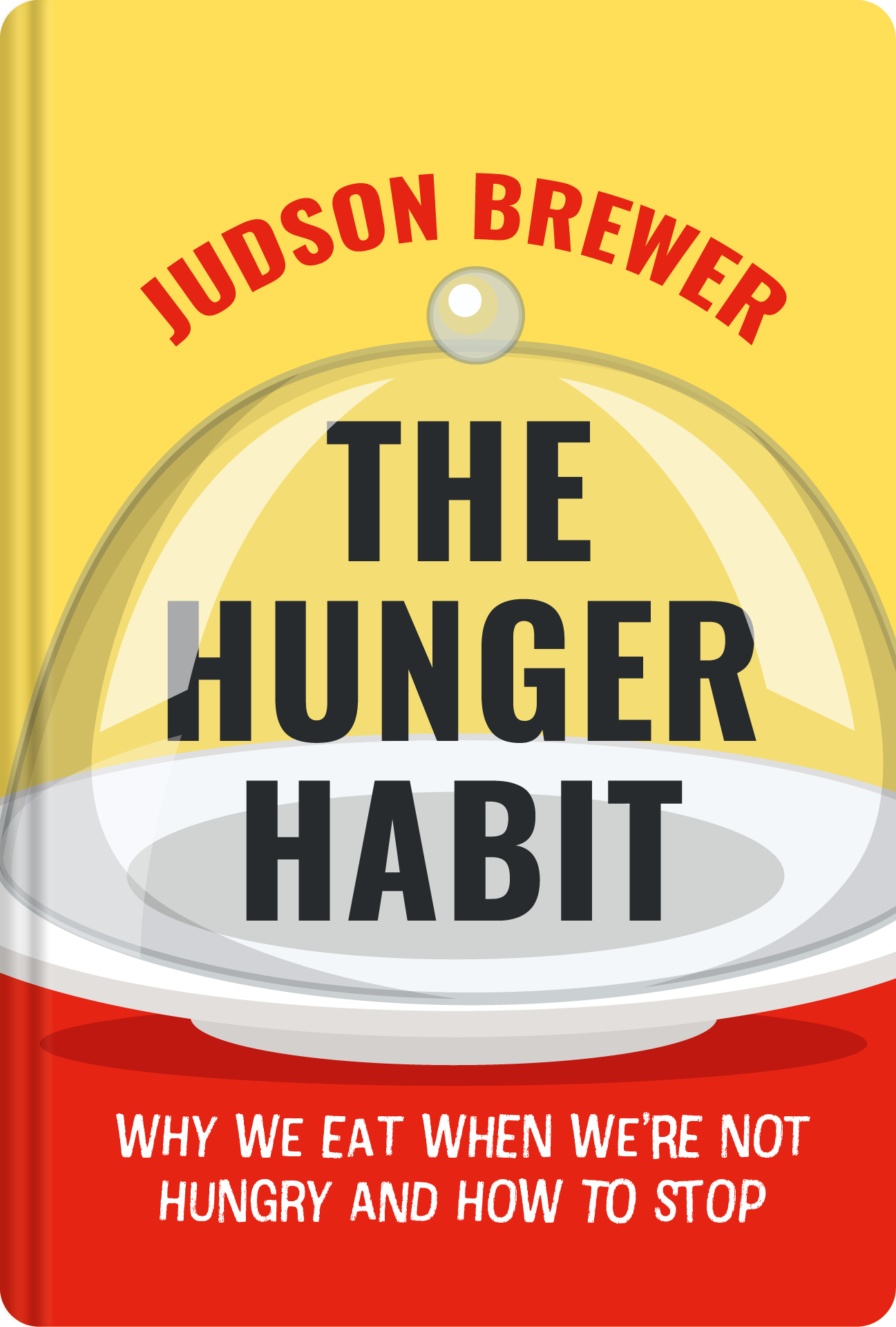 The Hunger HabitJudson BrewerYou learn why we eat when we are not truly hungry, how the brain's reward system shapes those habits, and a simple mindful way to understand your cravings.Listen to the summary →
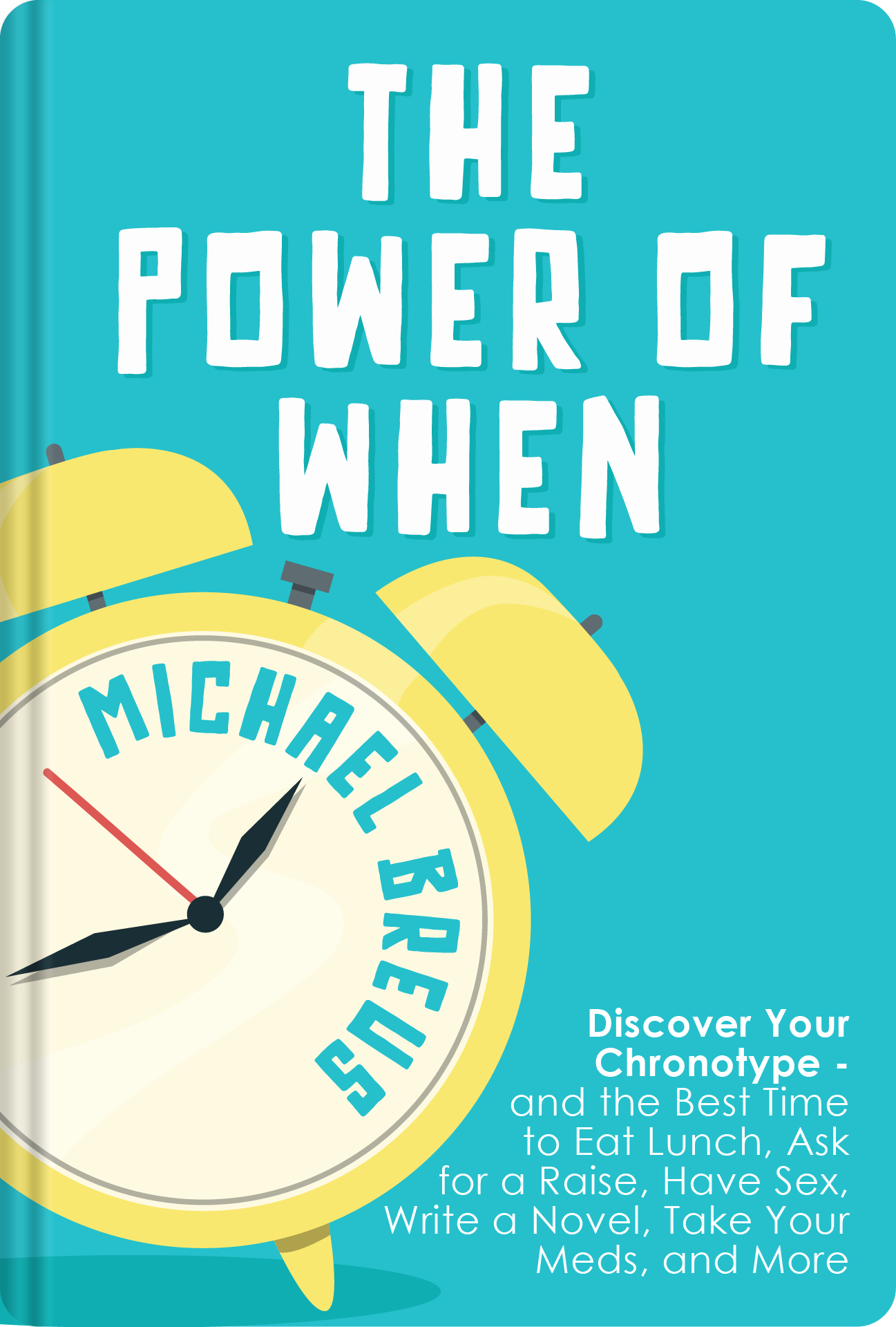 The Power of WhenMichael BreusYou discover four natural sleep-and-energy types, the bear, lion, wolf and dolphin, and how to find the best times for you to wake, work, exercise and eat.Listen to the summary →
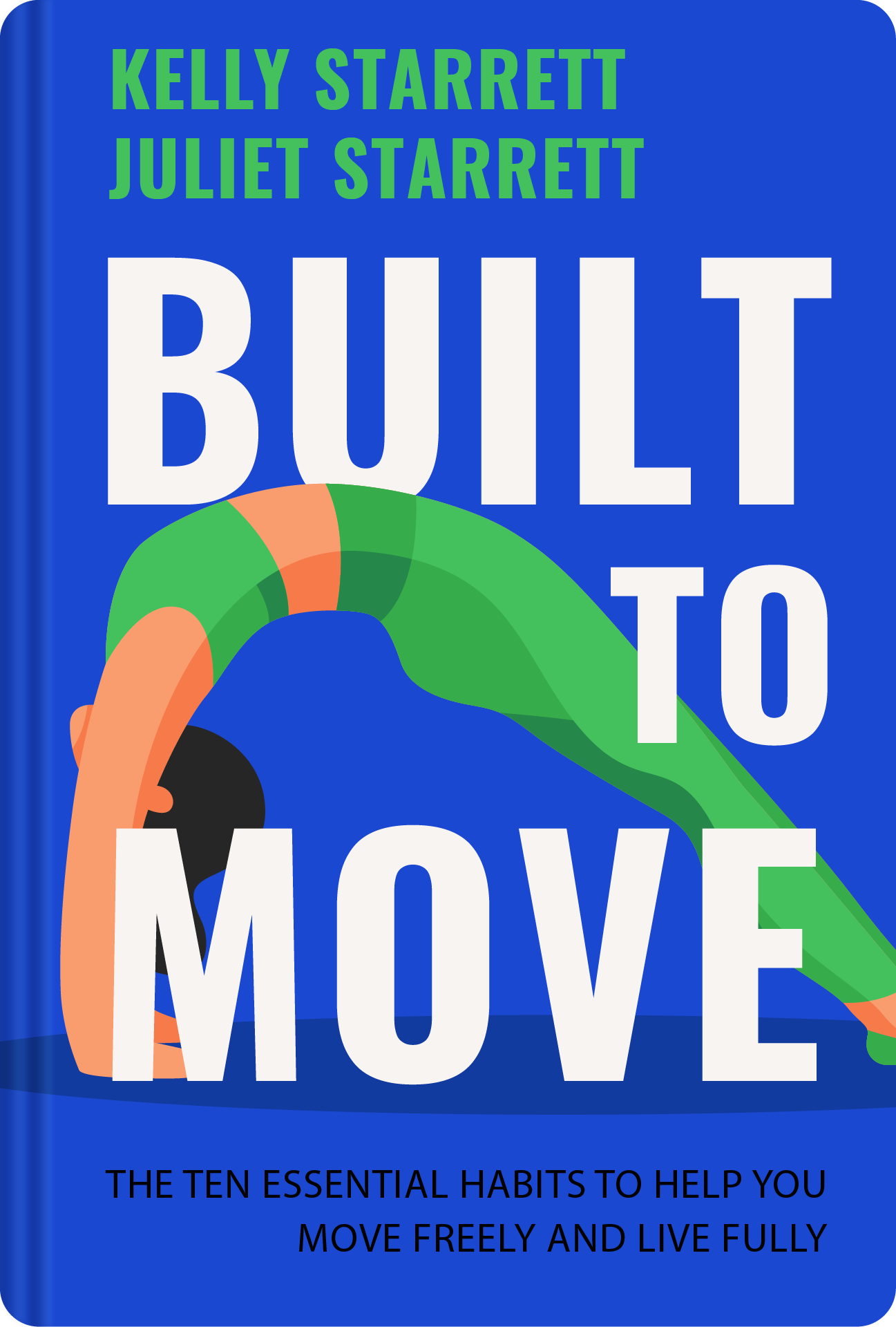 Built to MoveKelly Starrett and Juliet StarrettYou get ten basic signs of good physical health, such as getting up and down from the floor and walking enough each day, with easy tests and exercises you can do at home.Listen to the summary →
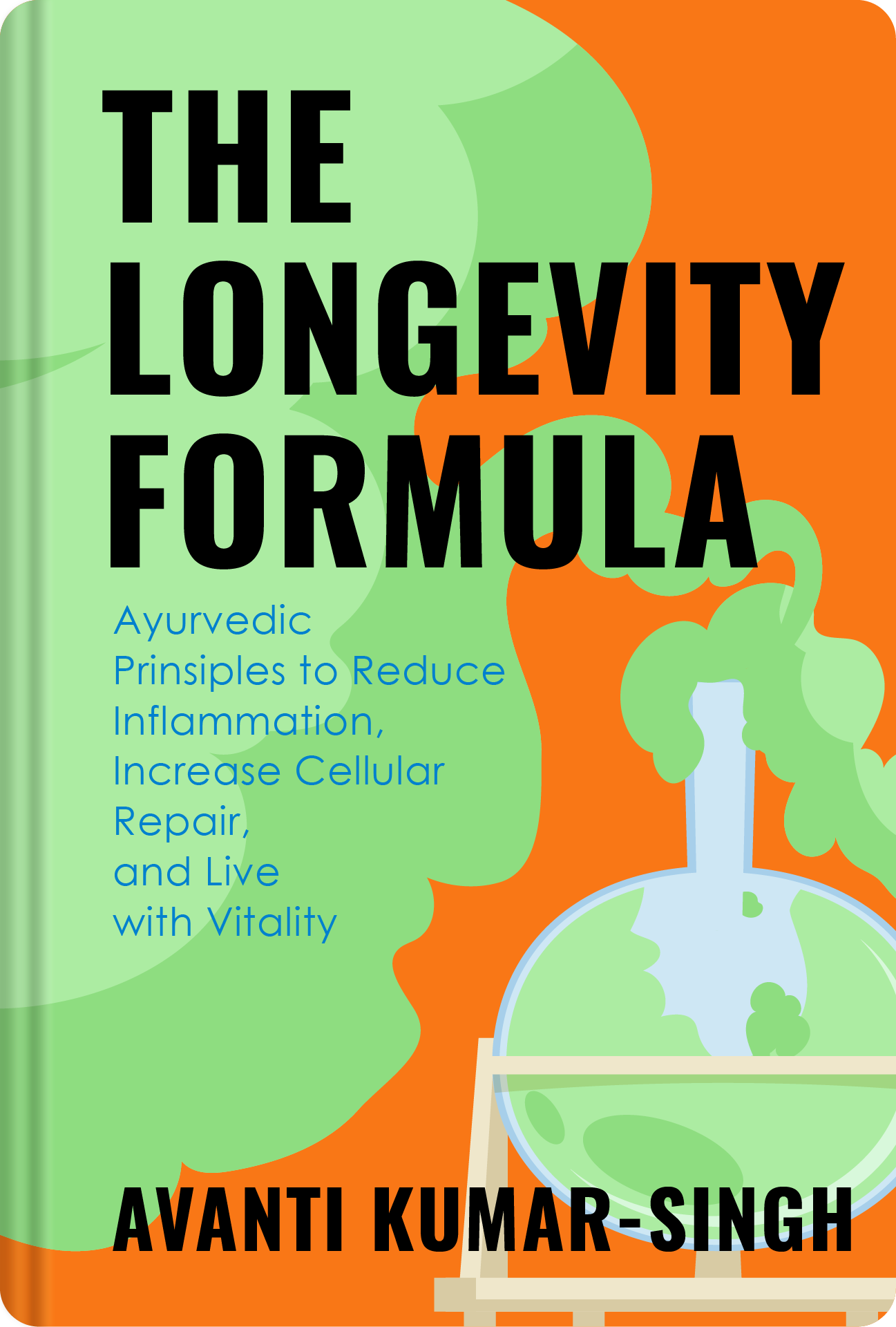 The Longevity FormulaAvanti Kumar-SinghYou see how digestion, sleep, movement, stress and daily routine fit together in a gradual approach to healthy ageing that complements, and never replaces, your doctor's care.Listen to the summary →
A one-week small swaps plan
No dieting, no fasting, no numbers to chase. Just three swaps, repeated for seven days. Keep what feels good and drop what does not.
- One meal: pick one meal a day and add something from the ground to it, such as a vegetable, a fruit, lentils or chickpeas. Keep the dishes you love. Just give them company.
- One walk: walk for 10 to 15 minutes at a time that suits your day, after lunch, after Maghrib or between classes. Leave your phone in your pocket for part of it.
- One bedtime: choose a fixed time to put your phone down and start winding down, then keep it for the whole week, even on the weekend.
At the end of seven days, notice what changed in your energy, your mood or your evenings. Then keep the swap that was easiest and add one more next week.
A healthy body is rarely built in a dramatic month. It is built in ordinary weeks, one small swap at a time.
Try Durar free for 14 days
Start your free 14 daysNearly 1,000 summaries in Arabic and English, in audio and text. 14 days free on the yearly plan, and you can cancel anytime.Questions people ask
What are the best books on health and nutrition to start with?
It depends on your biggest struggle. How Not to Die is a good place to start for everyday food choices, The Hunger Habit if you struggle with cravings, and The Power of When if sleep and energy are the problem. The summaries are on Durar. On Durar you can read or listen to a 15-minute summary of each before deciding which full book to pick up.
How do I build healthy habits when I have very little time?
Start with one change small enough that it takes almost no effort, such as a 10-minute walk or adding one vegetable to a meal you already eat. Repeat it daily for a week before adding anything else. The one-week plan in this article is built on exactly that idea.
Is this article medical advice?
No. It is general reading inspiration drawn from book summaries, not medical advice. If you have a health condition, take medication or are unsure about a change to your food, sleep or exercise, speak to a qualified doctor or health professional first.