
It is the second session of the new leadership programme, and the meeting room on the fourth floor is half empty. The trainer is capable and the slides are tidy. The HR manager who booked it is standing at the back, already sure it will not reach a fourth session.
If you work in HR or run a company in Riyadh, Jeddah, Dubai or Amman, you have probably seen this happen. The launch email gets plenty of replies. The first session is full. By the third, people are being called away to client meetings, the slot keeps moving, and the programme quietly fades out.
Your people are not lazy. Gallup's State of the Workplace report found that 74% of employees say they are not reaching their full potential because of limited development opportunities. People want to grow. Most training programmes simply do not fit the week they actually have.
This article explains why that happens, what changes when learning comes in fifteen-minute pieces, and how Durar for Business works: the dashboard, the training-hours report, Qiwa, the pilot, and what it does not do. The first half is useful even if you never open the app.
Why does employee training stop after the second session?
The first reason is time. A two-hour session on a Wednesday afternoon competes with the real job, and the real job usually wins. A deadline moves, a manager needs a report, and the person who most needed the session is the one who misses it.
The second is attention. Even when people attend, a long block after lunch is hard work. Laptops stay open and phones stay face up. People are in the room, but their minds are on the inbox.
The third is mandatory content. When the topic is chosen for people and attendance is recorded, many treat it as something to get through, not something to keep. They sit through it. They rarely use it afterwards.
None of this is a judgement on trainers or on classroom learning. It is a problem of format. A useful employee learning programme has to fit the gaps in a working day, not demand a hole in it.
What changes with microlearning for companies
Microlearning means small units: one idea, one short piece, finished in one sitting. The aim is to make learning small enough to happen on an ordinary Tuesday, not to make it shallow.
Durar is built around that unit. Each summary gives the key ideas of a non-fiction book in about fifteen minutes, as audio or text, with the text highlighted in time with the voice. That fits the drive to work, the coffee after lunch, or the quiet ten minutes before bed. There are 1,000 summaries, with new titles added every week, and every one exists in both Arabic and English, so a reader can switch language from the summary page.
Practical details matter here. Subscribers can download summaries and listen offline, which helps on flights and in car parks with poor signal. One subscription covers phone, tablet and the web. Readers can highlight passages and find them later under Library, then Highlights.
The bigger change is choice. On Durar for Business nothing is mandatory and there are no tests. Employees pick what they read or listen to. Some will hardly use it, and that is worth knowing too. The people who do use it are learning because they want to.
What the employer dashboard shows, and what it does not
Durar for Business is a team access plan that a company offers as an employee benefit. The employer gets a live dashboard showing who has joined, how engaged they are, and the hours they have put in.
It also shows favourite topics, how much people use Arabic versus English, and badges earned. These are more useful than they first sound. Favourite topics show what your people want to get better at, which is often different from what the annual training plan assumed. The language split can tell you which language people actually choose when they learn on their own time.
Be clear about what it measures. Because there are no tests, the dashboard shows time and choices, not mastery. It cannot tell you whether someone has become a better negotiator. It can tell you who is investing time in learning, what they are drawn to, and whether the benefit is used or ignored.
Durar also has no streaks and no punishment for a missed day. A busy week at month-end does not reset anyone to zero. For a team benefit, that matters: people should not feel watched or scored for having a life.
How the training-hours report works, and what Qiwa training hours mean for Saudi companies
Separate from the live dashboard is the training-hours report. You choose any date range and get hours per employee, exported as one Excel file, in Arabic or English. It is the file you attach when your director asks what the company got for the money.
For Saudi companies there is a second reason it matters. Saudi companies with 50 or more employees report training data through Qiwa, the platform of the Ministry of Human Resources. Durar's training report gives those numbers. Requirements on government platforms can change, so check Qiwa's current guidance on what it asks for and how it should be entered.
For companies in Dubai, Amman or elsewhere in the Gulf, the same report still does a useful job. It turns a vague line in the budget, 'learning and development', into a list of names and hours you can discuss in a review meeting.
A fair warning: hours are an input, not a result. Treat the report as evidence that learning is happening, then talk to people about what they are using from it.
Skillsets, teams and how employees join
Free choice works better with some gentle direction. Skillsets are curated sets of summaries that the company chooses and assigns to the whole company or to one team. Managers can also recommend individual summaries. A new team lead in Jeddah might get a short set on communication, while the sales team in Riyadh gets one on negotiation.
Joining is simple. Employees can sign up with a registration code, through their company email domain, or from a list the company uploads. Companies can be split into teams, so finance, sales and operations each see the skillsets meant for them and the dashboard reads clearly by department.
The business plan is for organisations and their adult employees, because the app itself is for adults. If you are thinking of including interns, check their ages first.
How the 60-day pilot works, and what Durar is not
Durar offers companies a free 60-day pilot, with no payment needed to start. Requests go through our For Business page. Sixty days is long enough to get past launch-week excitement and see who is still listening in week seven.
To get a clear answer from a pilot, decide what you will look at before it starts. Pick one or two teams, assign one skillset, and agree with your director which numbers will count on day 60: how many people joined, how many hours, which topics. Then ask five people what they used at work.
Now the honest part. Durar does not replace technical certification, safety training or a good classroom. An accountant still needs the accredited course, and a workshop where people practise a difficult conversation together does something an app cannot. A summary gives the key ideas of a book, not the whole book.
Durar is also young. It was founded by Jacob Abujaber, an American and Jordanian based in Amman, who spent 12 years as an electrical engineer in the aerospace industry. Building began in 2024 and the app officially launched in early 2026. Ask whatever questions you need during the pilot.
Run a 60-day pilot with one team
Request a pilotFree to start, with no payment needed.Summaries mentioned in this article
Four summaries that would make a sensible first skillset for team leads and client-facing staff, in a reading order that builds from self-awareness to negotiation.
 Emotional IntelligenceDaniel GolemanDaniel Goleman explains the five elements of emotional intelligence, from self-awareness to social skills, and shows how they can be developed at any age.Listen to the summary →
 The Art of ExplanationRos AtkinsRos Atkins shares his method as a journalist for explaining complex information clearly: know your audience, organise the key facts and cut what is not needed.Listen to the summary →
 Speak Like a CEOSuzanne BatesSuzanne Bates shows leaders how to build a clear message, tell compelling stories and handle tough questions with confidence.Listen to the summary →
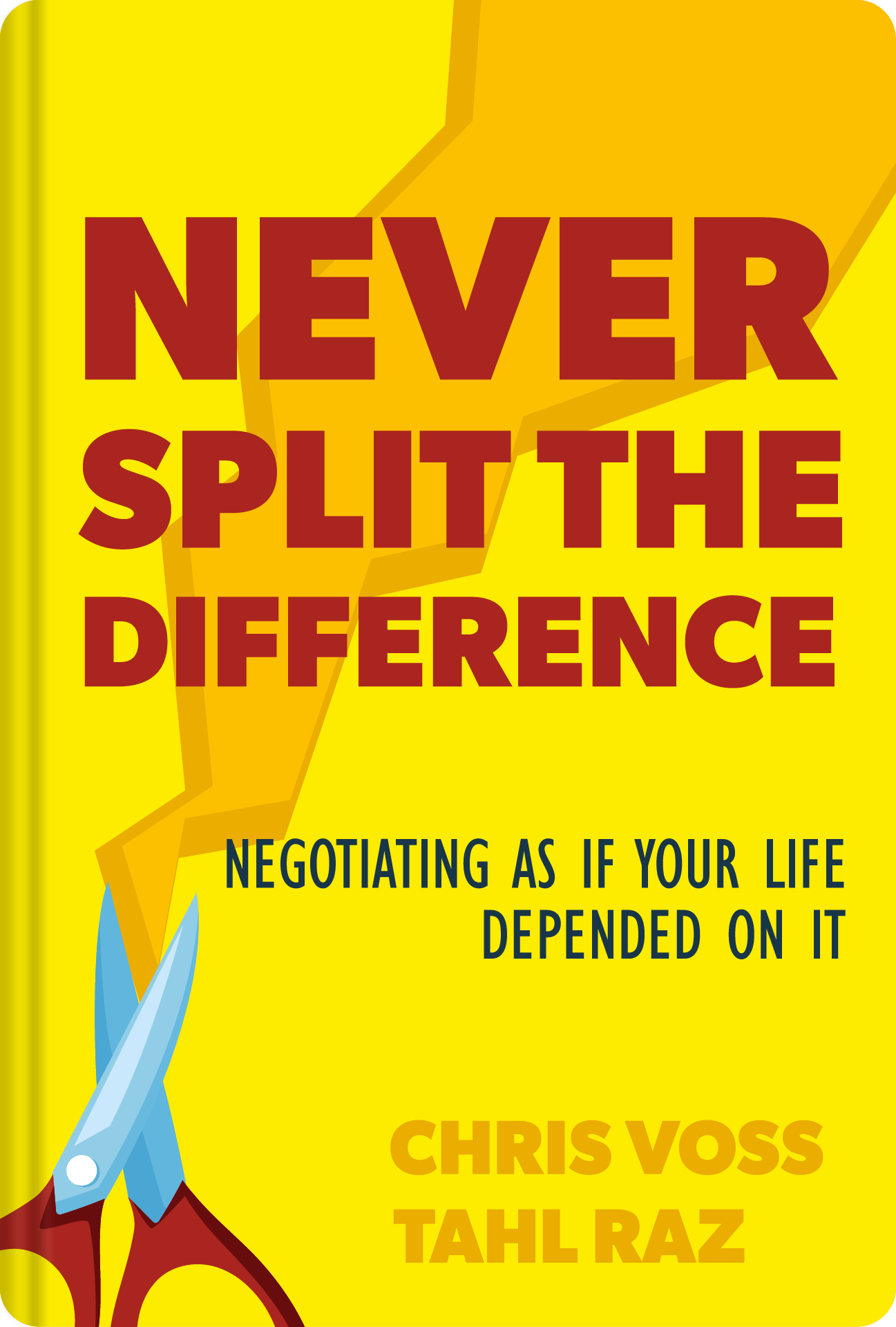 Never Split the DifferenceChris Voss and Tahl RazChris Voss turns lessons from hostage negotiations into everyday techniques such as mirroring, labelling emotions and asking calibrated questions.Listen to the summary →
Try this week
You do not need a new budget to start fixing your learning programme. Here are a few things you can do before Thursday.
- Ask three colleagues from different teams when they genuinely have fifteen free minutes in a working day. Write down their answers word for word.
- Open last year's training records and compare how many people registered for each programme with how many attended the final session.
- Choose one skill your team keeps struggling with, such as explaining things clearly in meetings, and find one short resource on it that people can finish in a single sitting.
- If you are in Saudi Arabia and have 50 or more employees, find out who in your company handles Qiwa training data and what they currently struggle to collect.
- Listen to one free summary of the day yourself on the drive home, so you know what the experience is like before you suggest it to anyone else.
By the weekend you will have a clearer picture of where your current training breaks down, and that is worth taking to your director with or without Durar.
People rarely skip learning. They skip the hour someone else chose for them.
Try a summary yourself first
Open today's summaryA free summary every day, in Arabic or English. The yearly plan comes with 14 days free, and you can cancel any time before it ends.Questions people ask
What is microlearning for companies?
Microlearning means learning in small units that can be finished in one sitting, often ten to fifteen minutes. For companies, it fits training into the gaps of a working day instead of competing with it. Durar uses fifteen-minute audio and text summaries of non-fiction books, in Arabic and English.
Can Durar's report be used for Qiwa training hours?
Saudi companies with 50 or more employees report training data through Qiwa, and Durar's training-hours report gives those numbers per employee for any date range, as one Excel file in Arabic or English. Check Qiwa's current guidance for exactly what it requires and how to enter it.
Is Durar for Business mandatory for employees, and are there tests?
No. It is offered as an employee benefit, employees choose what to read or listen to, and there are no tests. Companies can assign skillsets and managers can recommend summaries, but nothing is compulsory.
How do employees join, and is there a free trial for companies?
Employees join with a registration code, through their company email domain, or from a list the company uploads, and companies can be split into teams. Durar offers a free 60-day pilot with no payment needed to start, requested through our For Business page.