Get started

Topic

The best 58 Wealth & Investing summaries

Wealth and investing is about turning income into lasting security, through saving, investing with discipline, building or buying businesses, and planning for the years ahead, questions that matter more than ever to readers in the region facing rising costs and new opportunities. The books here range from practical guides to debt, savings and retirement, to the thinking of investors like Charlie Munger and Naval Ravikant, to histories of great financial families and companies. With these ideas, a reader can manage money with more confidence, avoid common investing traps, and make long-term decisions that serve their family and their values.

1The Almanack of Naval Ravikant

The Almanack of Naval Ravikant

Eric Jorgenson

Build wealth and happiness through leverage, specialised knowledge, independent thinking, mindfulness, and deeper self-awareness.

17 min

Listen to the intro

0:51

What is The Almanack of Naval Ravikant about?

The Almanack of Naval Ravikant (2020) gathers the ideas of investor and entrepreneur Naval Ravikant on building wealth and finding happiness. Eric Jorgenson collected Naval’s thoughts from interviews, podcasts, and social media and organised them into clear themes, such as building specific knowledge, using leverage, making good decisions, and choosing peace of mind. The book offers practical wisdom in short, memorable lessons.

Who should read The Almanack of Naval Ravikant?

  • Professionals seeking wealth beyond trading time for money
  • Entrepreneurs building leverage through skills and technology
  • Anyone pursuing peace of mind alongside financial success
2Main Street Millionaire

Main Street Millionaire

Codie Sanchez

Build wealth by acquiring overlooked small businesses, creating steady cash flow, negotiating smarter deals, and growing them for long-term freedom.

18 min

Listen to the intro

1:20

What is Main Street Millionaire about?

Main Street Millionaire (2024) argues that one of the most reliable paths to wealth is buying and improving small, established businesses rather than starting from scratch or chasing risky startups. Codie Sanchez explains how to find these so-called boring businesses, evaluate them, finance a purchase, and run them better. The book offers a practical guide to building income and ownership.

Who should read Main Street Millionaire?

  • Employees who want to own a business without starting one
  • Investors seeking steady cash flow instead of risky startups
  • Aspiring entrepreneurs avoiding risky startups and starting from scratch
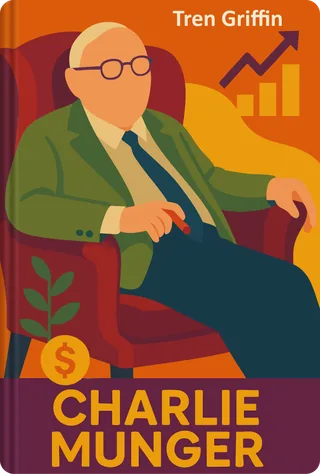
3Charlie Munger

Charlie Munger

Tren Griffin

Think like Charlie Munger through practical lessons on mental models, rational judgement, and disciplined investing for lasting success.

15 min

Listen to the intro

0:54

What is Charlie Munger about?

Charlie Munger (2015) explains the investing philosophy of Charlie Munger, the longtime partner of Warren Buffett at Berkshire Hathaway. Tren Griffin describes Munger’s approach of buying great businesses at fair prices, avoiding mistakes, staying patient, and using a latticework of mental models drawn from many fields. The book offers practical wisdom for investors and anyone who wants to make better decisions.

Who should read Charlie Munger?

  • Long-term investors seeking a patient, disciplined approach
  • Professionals who want sharper judgment and fewer costly mistakes
  • Lifelong learners curious about mental models from many fields
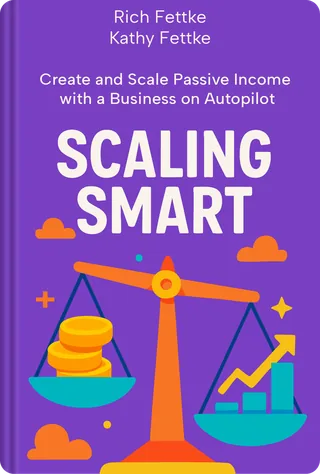
4Scaling Smart

Scaling Smart

Rich Fettke and Kathy Fettke

Scale your business without sacrificing freedom or well-being by building strong systems, aligned leadership, and a self-managing team.

16 min

Listen to the intro

1:18

What is Scaling Smart about?

Scaling Smart (2025) explains how entrepreneurs can grow a company without allowing its increasing complexity to control their lives. It emphasises creating a clear vision, hiring capable people, establishing dependable systems, and developing a business that can operate successfully without constant intervention from its founders.

Who should read Scaling Smart?

  • Founders whose growing business consumes all their time
  • Entrepreneurs ready to build systems and delegate
  • Business owners wanting a company that runs without them
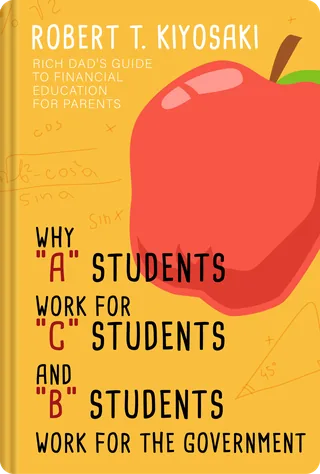
5Why “A” Students Work for “C” Students and “B” Students Work for the Government

Why “A” Students Work for “C” Students and “B” Students Work for the Government

Robert Kiyosaki

Learn the financial intelligence schools often overlook, from investing and entrepreneurship to building assets beyond a traditional career.

19 min

Listen to the intro

1:58

What is Why “A” Students Work for “C” Students and “B” Students Work for the Government about?

Why “A” Students Work for “C” Students and “B” Students Work for the Government (2013) argues that traditional schooling prepares students to become employees but rarely teaches them how money, business, and investing really work. Robert Kiyosaki explains why top students often end up as employees and professionals, while others become entrepreneurs who build businesses and employ them. He encourages parents to give their children a practical financial education from an early age.

Who should read Why “A” Students Work for “C” Students and “B” Students Work for the Government?

  • Parents who want to teach their children about money
  • Students questioning whether a traditional career path suits them
  • Employees considering entrepreneurship or building assets beyond their job
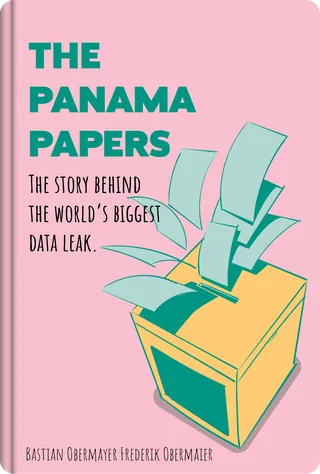
6The Panama Papers

The Panama Papers

Bastian Obermayer and Frederik Obermaier

Enter the hidden world of offshore wealth, where a historic leak exposes the secrecy, corruption, and power connecting global elites.

18 min

Listen to the intro

1:49

What is The Panama Papers about?

The Panama Papers (2016) tells the inside story of one of the largest data leaks in history. Journalists Bastian Obermayer and Frederik Obermaier describe how an anonymous source sent them millions of documents from a Panamanian law firm, and how they worked with hundreds of reporters worldwide to investigate them. The documents revealed how politicians, business leaders, and criminals used secret offshore companies to hide wealth.

Who should read The Panama Papers?

  • Journalists curious about how global investigations come together
  • Anyone interested in how elites hide their wealth
  • Finance and compliance professionals fighting corruption and money laundering
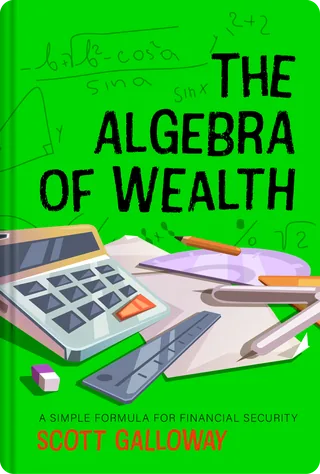
7The Algebra of Wealth

The Algebra of Wealth

Scott Galloway

Build lasting financial security through focus, patience, disciplined investing, smarter career choices, and resilient spending habits.

18 min

Listen to the intro

1:20

What is The Algebra of Wealth about?

The Algebra of Wealth (2024) offers a simple formula for building financial security: focus, plus stoicism, multiplied by time and diversification. Scott Galloway explains how to find a career that pays well, develop disciplined habits, take advantage of compound growth, and invest wisely. Written in a direct and practical style, the book is aimed especially at young people starting their financial journey.

Who should read The Algebra of Wealth?

  • Young professionals taking first steps toward financial independence
  • Graduates choosing a career path with strong earning potential
  • Anyone who wants disciplined habits for saving and investing
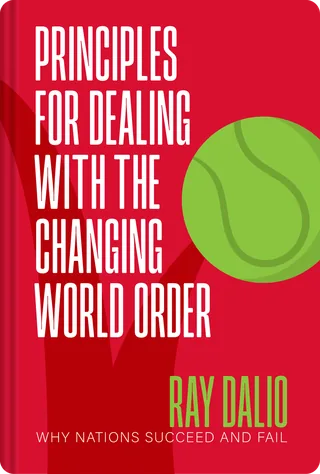
8Principles For Dealing With the Changing World Order

Principles For Dealing With the Changing World Order

Ray Dalio

Decode 500 years of recurring cycles to understand why nations rise and fall and navigate today’s shifting economic and political order.

18 min

Listen to the intro

1:26

What is Principles For Dealing With the Changing World Order about?

Principles For Dealing With the Changing World Order (2021) studies the rise and fall of great powers over the past five hundred years, including the Dutch and British empires, the United States, and China. Ray Dalio identifies repeating cycles driven by debt, internal conflict, and competition between nations, and uses them to explain today’s world and consider what may come next.

Who should read Principles For Dealing With the Changing World Order?

  • Investors preparing for long-term economic and political shifts
  • Policymakers studying why great powers rise and fall
  • Anyone seeking historical context for today's global tensions
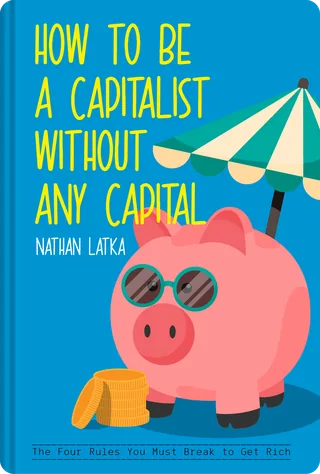
9How to Be a Capitalist Without Any Capital

How to Be a Capitalist Without Any Capital

Nathan Latka

Build wealth with limited starting capital by using leverage, automation, smart partnerships, and scalable digital income streams.

17 min

Listen to the intro

1:24

What is How to Be a Capitalist Without Any Capital about?

How to Be a Capitalist Without Any Capital (2019) shares unconventional strategies for building wealth and businesses without large amounts of starting money. Nathan Latka explains practical tactics such as buying small, profitable businesses, finding smart deals, negotiating well, and learning from successful founders. Drawing on hundreds of interviews with entrepreneurs, the book offers direct, hands-on business advice.

Who should read How to Be a Capitalist Without Any Capital?

  • Aspiring entrepreneurs with big ideas but little money
  • Professionals looking to buy small, profitable businesses
  • Founders who want sharper negotiation and dealmaking skills
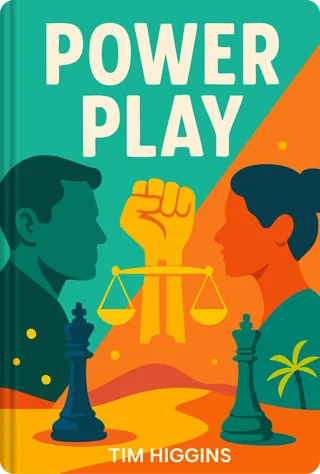
10Power Play

Power Play

Tim Higgins

Go behind Tesla’s rise to see how Elon Musk’s bold decisions, intense leadership, and high-risk gambles transformed the global auto industry.

14 min

Listen to the intro

0:59

What is Power Play about?

Power Play (2021) tells the dramatic inside story of Tesla’s rise from a small startup to one of the world’s most valuable car companies. Tim Higgins describes the risky bets, near-bankruptcies, production struggles, and bold vision that shaped the company under Elon Musk’s leadership, as well as its battle with traditional carmakers. The book offers lessons in innovation, ambition, and risk.

Who should read Power Play?

  • Entrepreneurs building ambitious startups against established competitors
  • Leaders weighing bold bets against the risk of failure
  • Anyone curious about how Tesla disrupted the car industry
11The Wisdom of Finance

The Wisdom of Finance

Mihir Desai

See finance through literature and philosophy, revealing how risk, debt, and insurance reflect timeless questions of love, loss, trust, and identity.

26 min

Listen to the intro

1:24

What is The Wisdom of Finance about?

The Wisdom of Finance (2017) shows that the core ideas of finance can teach us about life. Mihir Desai uses stories from literature, history, film, and philosophy to explain concepts such as risk, insurance, diversification, leverage, and value. By connecting finance to everyday human experiences, he makes the subject more accessible and shows its deeper, more humane side.

Who should read The Wisdom of Finance?

  • Readers who find finance dry and intimidating
  • Finance professionals seeking deeper meaning in their work
  • Lovers of literature curious about money and risk
12Think and Grow Rich

Think and Grow Rich

Napoleon Hill

Master the mindset of achievement through desire, belief, and focused action inspired by the habits of history’s most successful people.

20 min

Listen to the intro

1:16

What is Think and Grow Rich about?

Think and Grow Rich (1937) is one of the best-selling self-help books of all time. Based on years of studying successful people of his era, Napoleon Hill presents thirteen principles for achieving goals, including a clear desire, faith in yourself, specialised knowledge, planning, persistence, and working with a group of like-minded people. The book has inspired generations of entrepreneurs and readers.

Who should read Think and Grow Rich?

  • Entrepreneurs turning an ambitious idea into a real business
  • Professionals who struggle to stay persistent toward their goals
  • Anyone wanting a practical framework for setting and reaching goals
13The Richest Man in Babylon

The Richest Man in Babylon

George S. Clason

Build lasting wealth through timeless lessons on saving, investing, discipline, and managing money wisely.

20 min

Listen to the intro

1:26

What is The Richest Man in Babylon about?

The Richest Man in Babylon (1926) teaches the basics of personal finance through parables set in ancient Babylon. George S. Clason tells the story of Arkad, the richest man in the city, who shares simple rules for building wealth: save at least a tenth of what you earn, control your spending, make your money work for you, protect it from loss, and invest in your own skills. The book remains a classic of financial wisdom.

Who should read The Richest Man in Babylon?

  • Young earners who want to start saving consistently
  • Anyone struggling to control spending and avoid debt
  • Beginners seeking simple, timeless rules for building wealth
14The Corporation in the 21st Century

The Corporation in the 21st Century

John Kay

Build a modern corporation that balances profit, purpose, and responsibility through strong governance, ethical leadership, and sustainable growth.

17 min

Listen to the intro

2:05

What is The Corporation in the 21st Century about?

The Corporation in the 21st Century (2024) explains how modern companies really create value today. John Kay argues that successful businesses now depend less on factories and physical assets and more on knowledge, skills, teamwork, and collective capabilities. He shows how this shift changes our understanding of ownership, competition, and finance, and why old economic ideas often fail to describe today’s businesses.

Who should read The Corporation in the 21st Century?

  • Business leaders rethinking how their companies create value
  • Investors who want to understand modern corporate ownership
  • Economics students questioning traditional theories of the firm
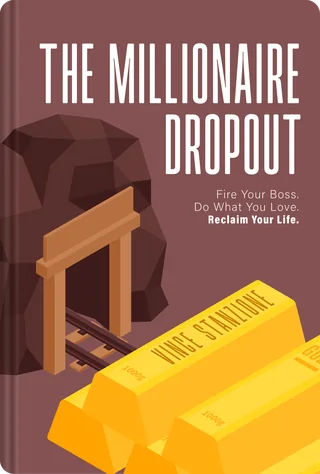
15The Millionaire Dropout

The Millionaire Dropout

Vince Stanzione

Escape the 9-to-5 by building multiple income streams, investing in your expertise, and creating a business that supports financial freedom.

17 min

Listen to the intro

1:49

What is The Millionaire Dropout about?

The Millionaire Dropout (2013) combines the author’s personal business experiences with lessons about entrepreneurship, money, decision making, and calculated risk. It challenges the belief that formal qualifications alone determine success and encourages readers to develop practical skills, recognise opportunities, learn from mistakes, and take responsibility for their financial progress.

Who should read The Millionaire Dropout?

  • Employees who want to escape the nine-to-five routine
  • Aspiring entrepreneurs building multiple sources of income
  • Anyone who feels held back by lacking formal qualifications
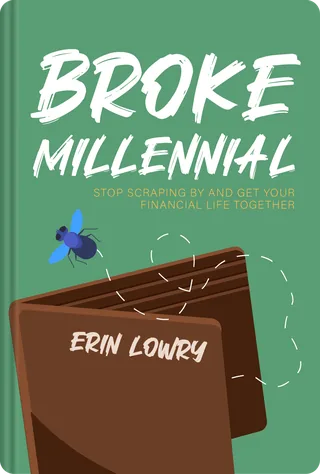
16Broke Millennial

Broke Millennial

Erin Lowry

Take control of your money without shame through practical guidance on debt, credit, relationships, and everyday financial decisions.

16 min

Listen to the intro

1:38

What is Broke Millennial about?

Broke Millennial (2017) is a friendly, practical guide to managing money for young adults. Erin Lowry covers the basics, from budgeting and credit scores to paying off student loans, saving, and talking about money with friends and partners. Written with humour and real stories, the book helps readers move from financial stress to confidence and control.

Who should read Broke Millennial?

  • Young adults starting to manage their own money
  • Graduates struggling with student loans or other debts
  • Anyone who feels anxious or embarrassed about money
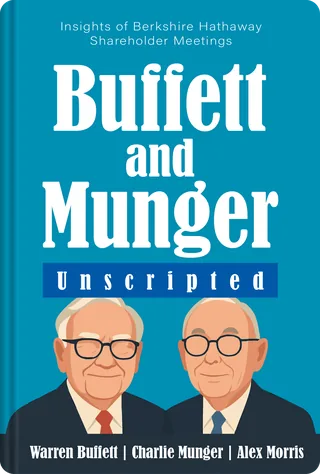
17Buffett and Munger Unscripted

Buffett and Munger Unscripted

Warren Buffett, Charlie Munger, and Alex Morris

Think like legendary investors by mastering patience, rational decisions, long-term value, and ethical judgement in investing, business, and life.

20 min

Listen to the intro

1:39

What is Buffett and Munger Unscripted about?

Buffett and Munger Unscripted (2024) gathers the most valuable lessons from three decades of Berkshire Hathaway annual meetings, where Warren Buffett and Charlie Munger answered shareholders’ questions live. Organised by theme, the book covers investing, business quality, management, and how to live a good life. Warren Buffett, Charlie Munger, and Alex Morris offer a clear window into the thinking of two of history’s greatest investors.

Who should read Buffett and Munger Unscripted?

  • Investors seeking patience and discipline for long-term wealth
  • Business owners and managers judging company quality and leadership
  • Anyone wanting sound principles for decisions and a good life
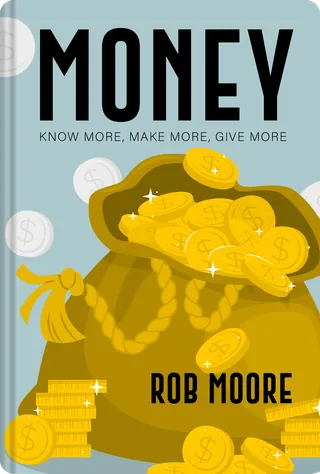
18Money

Money

Rob Moore

Master money through a stronger mindset, multiple income streams, entrepreneurship, and smart systems that build wealth with purpose.

15 min

Listen to the intro

1:34

What is Money about?

Money (2017) offers a practical and motivating guide to understanding, earning, and managing money. Rob Moore explains how beliefs and emotions shape our financial habits, and shares strategies for increasing income, saving, investing, and using money to create more freedom and opportunity. The book encourages readers to know more about money, make more of it, and use it to help others.

Who should read Money?

  • Anyone whose beliefs about money hold them back
  • Employees seeking extra income streams beyond their salary
  • Aspiring entrepreneurs wanting to build wealth with purpose
19The Laws of Wealth

The Laws of Wealth

Daniel Crosby

Invest more rationally through ten essential rules that control emotion, counter cognitive bias, and build disciplined, evidence-based decisions.

17 min

Listen to the intro

1:14

What is The Laws of Wealth about?

The Laws of Wealth (2016) explains how psychology affects our financial decisions and why investors often act against their own interests. Daniel Crosby presents simple rules for managing yourself, such as controlling emotions and avoiding overconfidence, and rules for managing investments using a disciplined, evidence-based process. The book helps readers make calmer and wiser money decisions.

Who should read The Laws of Wealth?

  • Investors who let emotions drive their money decisions
  • Anyone who wants calmer and wiser financial choices
  • Financial advisors seeking a disciplined, evidence-based investment process
20Cryptoassets

Cryptoassets

Chris Burniske and Jack Tatar

Evaluate digital assets with proven investment tools while understanding the technology, opportunities, and risks shaping this emerging market.

20 min

Listen to the intro

1:09

What is Cryptoassets about?

Cryptoassets (2017) is a guide for investors who want to understand digital assets such as Bitcoin and Ethereum. Chris Burniske and Jack Tatar explain how these assets work, how they fit into the history of financial bubbles and innovation, and how to evaluate them with care. The book also covers risks, valuation methods, and how cryptoassets might fit into a balanced investment approach.

Who should read Cryptoassets?

  • Investors curious about Bitcoin, Ethereum and other digital assets
  • Anyone who wants to weigh crypto risks before investing
  • Financial advisors building balanced portfolios with new asset classes

Related topics

Questions about Wealth & Investing

What is a good book to start with on wealth and investing?

Everyday Millionaires is a grounded starting point, showing how ordinary people built wealth by living below their means, avoiding debt and investing steadily. For a sharper way of thinking about money and decisions, Charlie Munger offers clear lessons on mental models and disciplined investing.

What will I learn from wealth and investing books?

You will learn how to control debt, build savings, grow your income and invest with patience rather than emotion. Titles such as You Weren't Supposed To See That reveal the behavioural traps and hidden rules of the investment industry, while Main Street Millionaire shows how buying small businesses can create steady cash flow.

Who are these summaries for?

They suit young professionals getting started, parents planning for family and retirement, and business owners looking to grow their wealth. Whether you are paying off debt or thinking about the legacy you want to leave, as in The Breakfast Club for 40-Somethings, there is practical guidance for your stage of life.

Get the key ideas from the world's best books in about 15 minutes

Free account · One free summary every day