Get started

Topic

The best 35 Financial Independence summaries

Financial independence is about building enough savings, income and assets that work no longer dictates every choice, a goal that matters to readers in the region who want security for their families amid rising living costs and changing job markets. The books here range from practical guides on clearing debt and saving steadily to accounts of owning small businesses, investing with discipline and planning an early exit from full-time work. Readers can use these ideas to spend more intentionally, build additional income streams and make long-term decisions with a clearer sense of what their money is for.

1Your Retirement Salary

Your Retirement Salary

Richard Dyson and Richard Evans

Turn your UK pension savings into reliable retirement income by navigating annuities, drawdown options, and tax rules with confidence.

19 min

Listen to the intro

1:54

What is Your Retirement Salary about?

Your Retirement Salary (2016) explains how accumulated pension savings can be converted into a dependable income during retirement. It covers locating and organising pension accounts, estimating future needs, selecting income options, managing investments, and reducing the danger of exhausting savings too early.

Who should read Your Retirement Salary?

  • UK savers approaching retirement with pension pots to manage
  • Retirees worried about running out of savings too early
  • Anyone weighing annuities against drawdown for steady income
2The Last Safe Investment

The Last Safe Investment

Michael Ellsberg and Bryan Franklin

Invest in your skills and trusted relationships to build lasting wealth, career security, and resilience in an unpredictable world.

16 min

Listen to the intro

1:09

What is The Last Safe Investment about?

The Last Safe Investment (2016) argues that a person’s most dependable long-term investment is the development of personal abilities, relationships, knowledge, and earning power. It encourages readers to use money and time strategically so that present choices can produce greater resilience, opportunity, and quality of life in the future.

Who should read The Last Safe Investment?

  • Professionals worried about job security in uncertain times
  • Young earners deciding where to invest their savings
  • Anyone who wants to grow skills and trusted relationships
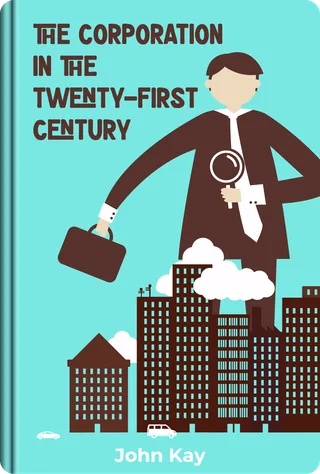
3The Corporation in the 21st Century

The Corporation in the 21st Century

John Kay

Build a modern corporation that balances profit, purpose, and responsibility through strong governance, ethical leadership, and sustainable growth.

17 min

Listen to the intro

2:05

What is The Corporation in the 21st Century about?

The Corporation in the 21st Century (2024) explains how modern companies really create value today. John Kay argues that successful businesses now depend less on factories and physical assets and more on knowledge, skills, teamwork, and collective capabilities. He shows how this shift changes our understanding of ownership, competition, and finance, and why old economic ideas often fail to describe today’s businesses.

Who should read The Corporation in the 21st Century?

  • Business leaders rethinking how their companies create value
  • Investors who want to understand modern corporate ownership
  • Economics students questioning traditional theories of the firm
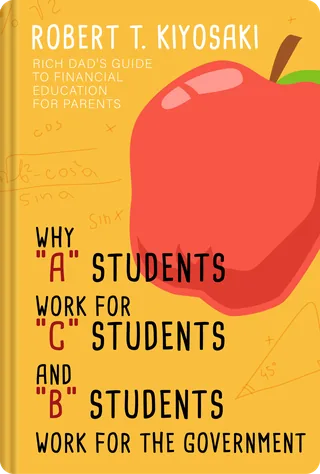
4Why “A” Students Work for “C” Students and “B” Students Work for the Government

Why “A” Students Work for “C” Students and “B” Students Work for the Government

Robert Kiyosaki

Learn the financial intelligence schools often overlook, from investing and entrepreneurship to building assets beyond a traditional career.

19 min

Listen to the intro

1:58

What is Why “A” Students Work for “C” Students and “B” Students Work for the Government about?

Why “A” Students Work for “C” Students and “B” Students Work for the Government (2013) argues that traditional schooling prepares students to become employees but rarely teaches them how money, business, and investing really work. Robert Kiyosaki explains why top students often end up as employees and professionals, while others become entrepreneurs who build businesses and employ them. He encourages parents to give their children a practical financial education from an early age.

Who should read Why “A” Students Work for “C” Students and “B” Students Work for the Government?

  • Parents who want to teach their children about money
  • Students questioning whether a traditional career path suits them
  • Employees considering entrepreneurship or building assets beyond their job
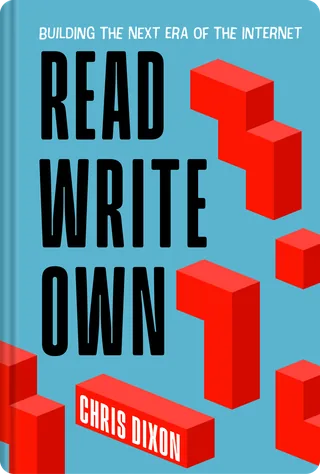
5Read Write Own

Read Write Own

Chris Dixon

Explore a decentralised internet where blockchains return ownership to creators, reduce Big Tech’s control, and unlock innovation and economic freedom.

18 min

Listen to the intro

1:23

What is Read Write Own about?

Read Write Own (2024) explains how the internet has evolved and where it may go next. Chris Dixon describes three eras: the read era of early websites, the write era of social media dominated by large platforms, and a possible own era in which blockchain networks let users share ownership and control. The book argues that new network designs could give creators and users a fairer share of the value they create.

Who should read Read Write Own?

  • Content creators wanting fairer ownership of their work
  • Entrepreneurs exploring blockchain-based business models
  • Anyone curious about the internet's next era
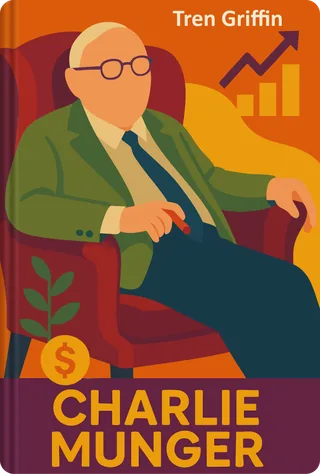
6Charlie Munger

Charlie Munger

Tren Griffin

Think like Charlie Munger through practical lessons on mental models, rational judgement, and disciplined investing for lasting success.

15 min

Listen to the intro

0:54

What is Charlie Munger about?

Charlie Munger (2015) explains the investing philosophy of Charlie Munger, the longtime partner of Warren Buffett at Berkshire Hathaway. Tren Griffin describes Munger’s approach of buying great businesses at fair prices, avoiding mistakes, staying patient, and using a latticework of mental models drawn from many fields. The book offers practical wisdom for investors and anyone who wants to make better decisions.

Who should read Charlie Munger?

  • Long-term investors seeking a patient, disciplined approach
  • Professionals who want sharper judgment and fewer costly mistakes
  • Lifelong learners curious about mental models from many fields
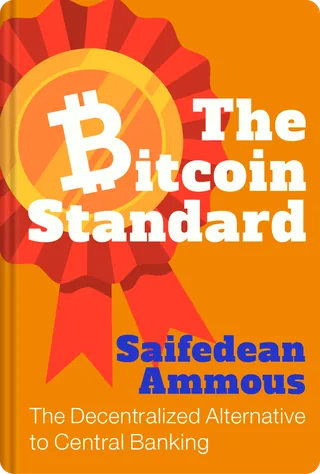
7The Bitcoin Standard

The Bitcoin Standard

Saifedean Ammous

Explore the case for Bitcoin as sound money through the history of currency, inflation, scarcity, and centralised control.

19 min

Listen to the intro

0:58

What is The Bitcoin Standard about?

The Bitcoin Standard (2018) explains the history of money and argues that Bitcoin could serve as a form of sound money in the digital age. Saifedean Ammous traces how societies used shells, metals, gold, and government-issued currencies, and discusses why money that is hard to produce tends to hold its value. The book presents the case for Bitcoin as a long-term store of value.

Who should read The Bitcoin Standard?

  • Anyone curious about how money evolved through history
  • Readers seeking to understand inflation and why currencies lose value
  • Savers weighing Bitcoin's case as a long-term store of value
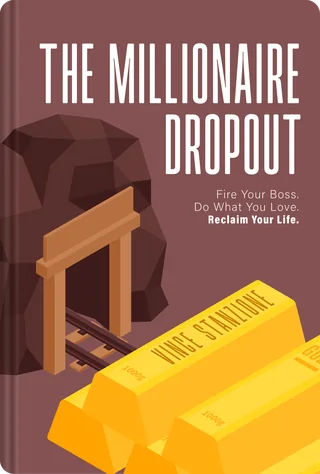
8The Millionaire Dropout

The Millionaire Dropout

Vince Stanzione

Escape the 9-to-5 by building multiple income streams, investing in your expertise, and creating a business that supports financial freedom.

17 min

Listen to the intro

1:49

What is The Millionaire Dropout about?

The Millionaire Dropout (2013) combines the author’s personal business experiences with lessons about entrepreneurship, money, decision making, and calculated risk. It challenges the belief that formal qualifications alone determine success and encourages readers to develop practical skills, recognise opportunities, learn from mistakes, and take responsibility for their financial progress.

Who should read The Millionaire Dropout?

  • Employees who want to escape the nine-to-five routine
  • Aspiring entrepreneurs building multiple sources of income
  • Anyone who feels held back by lacking formal qualifications
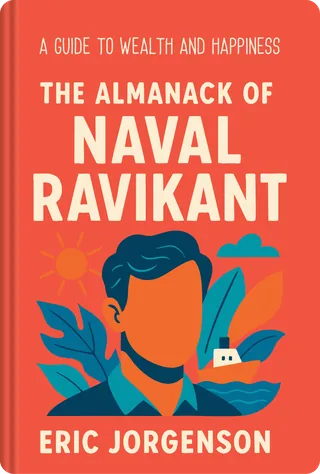
9The Almanack of Naval Ravikant

The Almanack of Naval Ravikant

Eric Jorgenson

Build wealth and happiness through leverage, specialised knowledge, independent thinking, mindfulness, and deeper self-awareness.

17 min

Listen to the intro

0:51

What is The Almanack of Naval Ravikant about?

The Almanack of Naval Ravikant (2020) gathers the ideas of investor and entrepreneur Naval Ravikant on building wealth and finding happiness. Eric Jorgenson collected Naval’s thoughts from interviews, podcasts, and social media and organised them into clear themes, such as building specific knowledge, using leverage, making good decisions, and choosing peace of mind. The book offers practical wisdom in short, memorable lessons.

Who should read The Almanack of Naval Ravikant?

  • Professionals seeking wealth beyond trading time for money
  • Entrepreneurs building leverage through skills and technology
  • Anyone pursuing peace of mind alongside financial success
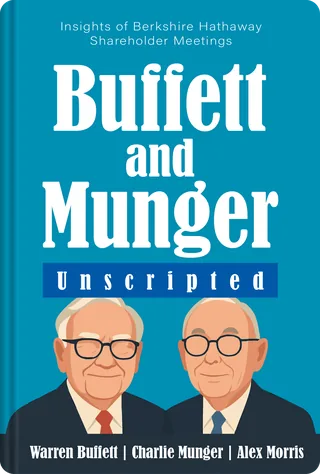
10Buffett and Munger Unscripted

Buffett and Munger Unscripted

Warren Buffett, Charlie Munger, and Alex Morris

Think like legendary investors by mastering patience, rational decisions, long-term value, and ethical judgement in investing, business, and life.

20 min

Listen to the intro

1:39

What is Buffett and Munger Unscripted about?

Buffett and Munger Unscripted (2024) gathers the most valuable lessons from three decades of Berkshire Hathaway annual meetings, where Warren Buffett and Charlie Munger answered shareholders’ questions live. Organised by theme, the book covers investing, business quality, management, and how to live a good life. Warren Buffett, Charlie Munger, and Alex Morris offer a clear window into the thinking of two of history’s greatest investors.

Who should read Buffett and Munger Unscripted?

  • Investors seeking patience and discipline for long-term wealth
  • Business owners and managers judging company quality and leadership
  • Anyone wanting sound principles for decisions and a good life
11Quit Like a Millionaire

Quit Like a Millionaire

Kristy Shen and Bryce Leung

Build financial independence and retire early through disciplined saving, unconventional investing, and a clear plan for designing life on your terms.

18 min

Listen to the intro

1:28

What is Quit Like a Millionaire about?

Quit Like a Millionaire (2019) explains how a young couple achieved financial independence and left their jobs in their early thirties. Kristy Shen and Bryce Leung share their approach to saving a large share of their income, investing in low-cost index funds, and protecting their portfolio during market downturns. The book shows readers how to plan for financial freedom through discipline and careful choices rather than high salaries alone.

Who should read Quit Like a Millionaire?

  • Young professionals dreaming of leaving the workforce early
  • Savers who want their money to work harder
  • Anyone who feels trapped in a job for the paycheck
12The Algebra of Wealth

The Algebra of Wealth

Scott Galloway

Build lasting financial security through focus, patience, disciplined investing, smarter career choices, and resilient spending habits.

18 min

Listen to the intro

1:20

What is The Algebra of Wealth about?

The Algebra of Wealth (2024) offers a simple formula for building financial security: focus, plus stoicism, multiplied by time and diversification. Scott Galloway explains how to find a career that pays well, develop disciplined habits, take advantage of compound growth, and invest wisely. Written in a direct and practical style, the book is aimed especially at young people starting their financial journey.

Who should read The Algebra of Wealth?

  • Young professionals taking first steps toward financial independence
  • Graduates choosing a career path with strong earning potential
  • Anyone who wants disciplined habits for saving and investing
13You Don't Need a Budget

You Don't Need a Budget

Dana Miranda

Rethink budgeting around your values to reduce financial stress and build greater freedom, choice, and well-being.

17 min

Listen to the intro

1:42

What is You Don't Need a Budget about?

You Don't Need a Budget (2024) challenges the idea that strict budgeting is the only path to financial health. Dana Miranda argues that rigid rules and guilt often make people feel worse about money, and offers a gentler approach based on understanding your values, building financial security, and making spending decisions with less stress and more freedom.

Who should read You Don't Need a Budget?

  • Anyone who feels guilty or anxious about spending money
  • People who keep abandoning strict budgets after a few weeks
  • Young professionals seeking financial security without rigid money rules
14The Education of Millionaires

The Education of Millionaires

Michael Ellsberg

Build success beyond degrees by mastering sales, marketing, networking, self-directed learning, and an entrepreneurial mindset.

15 min

Listen to the intro

1:24

What is The Education of Millionaires about?

The Education of Millionaires (2011) argues that many of the skills needed for success in business and life are not taught in universities. Michael Ellsberg interviews successful entrepreneurs and professionals, many without college degrees, to identify the abilities that helped them thrive, such as sales, marketing, networking, and self-directed learning. The book encourages readers to take charge of their own education.

Who should read The Education of Millionaires?

  • Students questioning whether a degree guarantees career success
  • Aspiring entrepreneurs building skills outside formal education
  • Professionals wanting to sharpen sales, marketing and networking skills
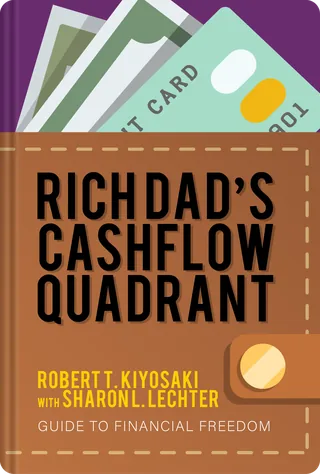
15Rich Dad’s Cashflow Quadrant

Rich Dad’s Cashflow Quadrant

Robert Kiyosaki with Sharon Lechter

Understand four paths to earning money and learn how moving from employee or self-employed to business owner or investor can build financial freedom.

18 min

Listen to the intro

1:17

What is Rich Dad’s Cashflow Quadrant about?

Rich Dad’s Cashflow Quadrant (1998) explains four different ways people earn money: as employees, self-employed professionals, business owners, or investors. Robert Kiyosaki with Sharon Lechter shows how each group thinks about money, risk, and time, and why business owners and investors often gain more financial freedom. The book encourages readers to understand their current position and plan a path toward greater independence.

Who should read Rich Dad’s Cashflow Quadrant?

  • Employees who want to stop trading time for money
  • Freelancers and self-employed professionals seeking more freedom
  • Anyone planning a path toward financial independence
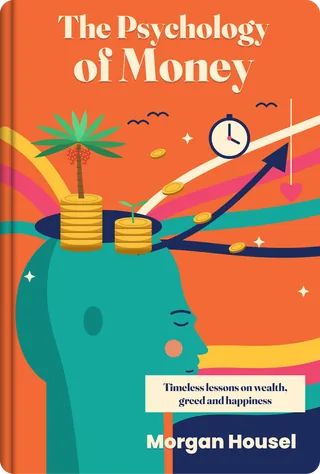
16The Psychology of Money

The Psychology of Money

Morgan Housel

Learn why good behaviour with money matters more than intelligence, and build habits for lasting wealth.

13 min

What is The Psychology of Money about?

The Psychology of Money (2020) explores the strange ways people think about money and how those thoughts shape their decisions. Through short, memorable stories, from a caretaker who quietly left millions to a top executive who lost everything for more, Morgan Housel shows how luck, risk, envy and patience matter more than formulas. The book has sold millions of copies and been translated into dozens of languages.

Who should read The Psychology of Money?

  • Anyone who earns well but never seems to save
  • Young professionals building their first lasting money habits
  • Investors who let fear or envy drive decisions
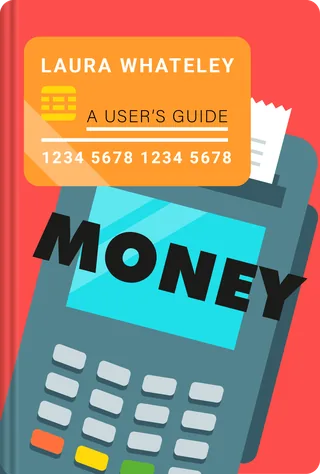
17Money: A User's Guide

Money: A User's Guide

Laura Whateley

Take control of mortgages, pensions, debt, and taxes with clear guidance that reduces financial stress and supports a more secure future.

17 min

Listen to the intro

1:09

What is Money: A User's Guide about?

Money: A User's Guide (2018) is a clear, practical guide to managing personal finances for people who feel confused or anxious about money. Laura Whateley explains topics such as budgeting, debt, saving, pensions, renting and buying a home, and investing in straightforward language. The book helps readers take control of their finances and make confident decisions at every stage of life.

Who should read Money: A User's Guide?

  • Anyone who feels confused or anxious about money
  • Young adults managing their first salary and budget
  • Families planning to rent or buy a home
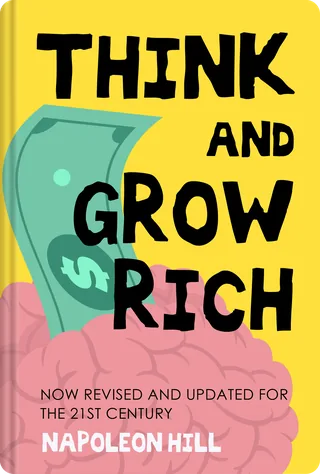
18Think and Grow Rich

Think and Grow Rich

Napoleon Hill

Master the mindset of achievement through desire, belief, and focused action inspired by the habits of history’s most successful people.

20 min

Listen to the intro

1:16

What is Think and Grow Rich about?

Think and Grow Rich (1937) is one of the best-selling self-help books of all time. Based on years of studying successful people of his era, Napoleon Hill presents thirteen principles for achieving goals, including a clear desire, faith in yourself, specialised knowledge, planning, persistence, and working with a group of like-minded people. The book has inspired generations of entrepreneurs and readers.

Who should read Think and Grow Rich?

  • Entrepreneurs turning an ambitious idea into a real business
  • Professionals who struggle to stay persistent toward their goals
  • Anyone wanting a practical framework for setting and reaching goals
19Broke Millennial

Broke Millennial

Erin Lowry

Take control of your money without shame through practical guidance on debt, credit, relationships, and everyday financial decisions.

16 min

Listen to the intro

1:38

What is Broke Millennial about?

Broke Millennial (2017) is a friendly, practical guide to managing money for young adults. Erin Lowry covers the basics, from budgeting and credit scores to paying off student loans, saving, and talking about money with friends and partners. Written with humour and real stories, the book helps readers move from financial stress to confidence and control.

Who should read Broke Millennial?

  • Young adults starting to manage their own money
  • Graduates struggling with student loans or other debts
  • Anyone who feels anxious or embarrassed about money
20The ChatGPT Millionaire

The ChatGPT Millionaire

Neil Dagger

Turn ChatGPT and AI tools into income with practical strategies, business ideas, and real-world applications for entrepreneurs.

16 min

Listen to the intro

1:56

What is The ChatGPT Millionaire about?

The ChatGPT Millionaire (2023) introduces ways entrepreneurs and freelancers can use ChatGPT to develop online income opportunities. Neil Dagger discusses content creation, research, digital products, marketing, productivity, and the automation of routine tasks. The book encourages readers to treat artificial intelligence as a practical assistant while testing ideas carefully and building services that provide genuine value.

Who should read The ChatGPT Millionaire?

  • Freelancers looking to earn more online with AI tools
  • Entrepreneurs exploring digital products and AI-driven business ideas
  • Professionals who want to automate repetitive daily tasks

Related topics

Questions about Financial Independence

What is a good book to start with on financial independence?

Everyday Millionaires is a grounded starting point, showing how ordinary people built wealth by avoiding debt, investing steadily and living below their means. Rich Dad's Cashflow Quadrant pairs well with it by explaining the different ways people earn money and why owning assets changes the picture.

What will I learn from financial independence books?

You will learn how to raise your savings rate, reduce unnecessary spending and invest with patience rather than chasing quick gains. Titles such as The Algebra of Wealth and Main Street Millionaire also show how career choices and small business ownership can create lasting cash flow.

Who are these summaries for?

They suit young professionals starting out, employees who want income beyond a salary, and anyone planning a calmer financial future for their family. Readers who want to think about money more wisely, not only accumulate it, will also value reflective titles like Die with Zero and The Almanack of Naval Ravikant.

Get the key ideas from the world's best books in about 15 minutes

Free account · One free summary every day