Get started

Topic

The best 39 Personal Finance summaries

Personal finance is about the everyday decisions that shape your financial life, from budgeting and paying off debt to saving, investing and planning for retirement, and it matters to readers in the region facing rising living costs, changing job markets and the wish to secure their families' future. The books gathered here range from practical step-by-step guides and studies of how ordinary people built wealth to explorations of the psychology behind spending and investing. With these ideas, you can build a realistic budget, avoid costly behavioural traps, plan for the long term and align your money with the values and life you care about.

1Why “A” Students Work for “C” Students and “B” Students Work for the Government

Why “A” Students Work for “C” Students and “B” Students Work for the Government

Robert Kiyosaki

Learn the financial intelligence schools often overlook, from investing and entrepreneurship to building assets beyond a traditional career.

19 min

Listen to the intro

1:58

What is Why “A” Students Work for “C” Students and “B” Students Work for the Government about?

Why “A” Students Work for “C” Students and “B” Students Work for the Government (2013) argues that traditional schooling prepares students to become employees but rarely teaches them how money, business, and investing really work. Robert Kiyosaki explains why top students often end up as employees and professionals, while others become entrepreneurs who build businesses and employ them. He encourages parents to give their children a practical financial education from an early age.

Who should read Why “A” Students Work for “C” Students and “B” Students Work for the Government?

  • Parents who want to teach their children about money
  • Students questioning whether a traditional career path suits them
  • Employees considering entrepreneurship or building assets beyond their job
2Millennial Money Makeover

Millennial Money Makeover

Conor Richardson

Transform your finances through six practical steps that tackle debt, strengthen credit, grow income, and build wealth around your values.

15 min

Listen to the intro

1:45

What is Millennial Money Makeover about?

Millennial Money Makeover (2019) offers a practical plan for young adults who want to strengthen their finances and prepare for major life goals. It addresses debt repayment, spending, saving, housing, investing, and financial planning while encouraging readers to make steady progress rather than search for quick solutions.

Who should read Millennial Money Makeover?

  • Young adults struggling to pay off debt
  • Millennials saving to buy a home
  • Anyone wanting steady wealth growth over quick fixes
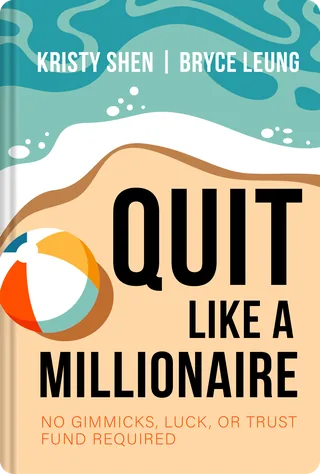
3Quit Like a Millionaire

Quit Like a Millionaire

Kristy Shen and Bryce Leung

Build financial independence and retire early through disciplined saving, unconventional investing, and a clear plan for designing life on your terms.

18 min

Listen to the intro

1:28

What is Quit Like a Millionaire about?

Quit Like a Millionaire (2019) explains how a young couple achieved financial independence and left their jobs in their early thirties. Kristy Shen and Bryce Leung share their approach to saving a large share of their income, investing in low-cost index funds, and protecting their portfolio during market downturns. The book shows readers how to plan for financial freedom through discipline and careful choices rather than high salaries alone.

Who should read Quit Like a Millionaire?

  • Young professionals dreaming of leaving the workforce early
  • Savers who want their money to work harder
  • Anyone who feels trapped in a job for the paycheck
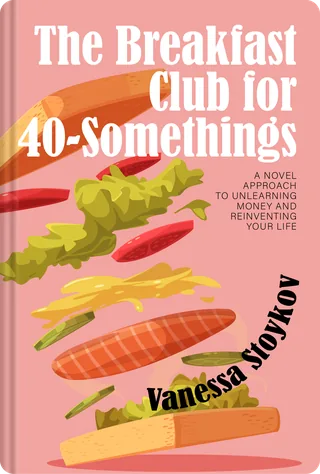
4The Breakfast Club for 40-Somethings

The Breakfast Club for 40-Somethings

Vanessa Stoykov

Navigate the financial pressures of your 40s with smarter choices about family, lifestyle, retirement, and the legacy you want to leave.

13 min

Listen to the intro

1:50

What is The Breakfast Club for 40-Somethings about?

The Breakfast Club for 40-Somethings (2018) uses fictional characters and practical financial lessons to explore the challenges many people face in the middle stages of life. It examines money beliefs, career choices, family responsibilities, personal priorities, and the possibility of changing direction before unhelpful habits become permanent.

Who should read The Breakfast Club for 40-Somethings?

  • People in their 40s feeling growing financial pressure
  • Parents balancing family expenses with retirement savings
  • Anyone wanting to change money habits before it's too late
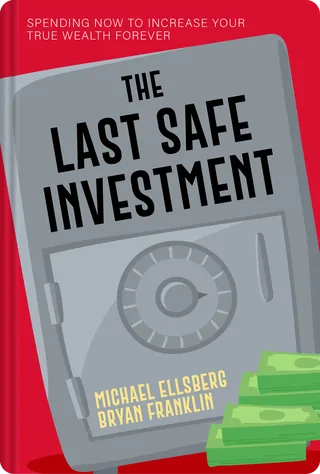
5The Last Safe Investment

The Last Safe Investment

Michael Ellsberg and Bryan Franklin

Invest in your skills and trusted relationships to build lasting wealth, career security, and resilience in an unpredictable world.

16 min

Listen to the intro

1:09

What is The Last Safe Investment about?

The Last Safe Investment (2016) argues that a person’s most dependable long-term investment is the development of personal abilities, relationships, knowledge, and earning power. It encourages readers to use money and time strategically so that present choices can produce greater resilience, opportunity, and quality of life in the future.

Who should read The Last Safe Investment?

  • Professionals worried about job security in uncertain times
  • Young earners deciding where to invest their savings
  • Anyone who wants to grow skills and trusted relationships
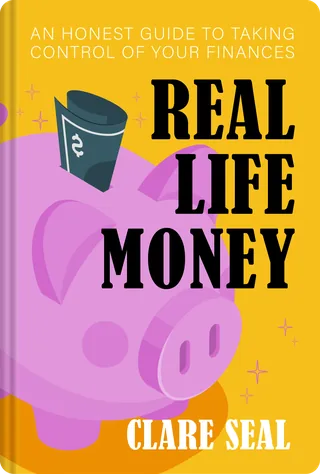
6Real Life Money

Real Life Money

Clare Seal

Heal your relationship with money while tackling debt, building a realistic budget, and setting financial goals without shame or anxiety.

14 min

Listen to the intro

1:17

What is Real Life Money about?

Real Life Money (2020) is an honest guide to taking control of personal finances, written by someone who has struggled with debt herself. Clare Seal shares her own experience of financial difficulty and explains how to build a realistic budget, pay off debt, and save money without guilt or shame. The book focuses on the emotional side of money and on creating habits that fit real life.

Who should read Real Life Money?

  • Anyone who feels anxious or ashamed about money
  • People struggling to pay off personal debt
  • Beginners who want a budget that fits real life
7The Shortest History of Economics

The Shortest History of Economics

Andrew Leigh

Trace the ideas that shaped economics from ancient trade to modern markets, revealing how they transformed society and everyday life.

14 min

Listen to the intro

1:21

What is The Shortest History of Economics about?

The Shortest History of Economics (2024) tells the story of how economies developed, from early farming and trade to the industrial revolution, globalisation, and the digital age. Andrew Leigh explains key ideas and turning points in a lively and accessible way, showing how inventions, markets, and policies shaped the way people live and work. The book offers a quick but insightful tour of economic history.

Who should read The Shortest History of Economics?

  • Curious readers new to economic history
  • Students wanting a quick overview of economics
  • Anyone curious how markets shaped daily life
8Mind Over Money

Mind Over Money

Claudia Hammond

Understand the psychology behind your financial choices, overcome hidden biases, and build a healthier, more rational relationship with money.

16 min

Listen to the intro

1:10

What is Mind Over Money about?

Mind Over Money (2016) explores the psychology behind how we think about and use money. Claudia Hammond draws on research to explain why money can affect our emotions, relationships, and decisions in surprising ways, from why we overspend to why paying with cards feels different from paying in cash. The book offers practical tips for making better financial choices and developing a healthier relationship with money.

Who should read Mind Over Money?

  • Anyone who overspends and wants to understand why
  • Readers curious about the psychology behind money decisions
  • Couples seeking calmer, wiser conversations about household spending
9Talking to My Daughter About the Economy

Talking to My Daughter About the Economy

Yanis Varoufakis

Understand money, inequality, and power through accessible stories that reveal how economics quietly shapes everyday life.

16 min

Listen to the intro

1:30

What is Talking to My Daughter About the Economy about?

Talking to My Daughter About the Economy (2013) explains how the economy works in simple, engaging language, written as a conversation between a father and his teenage daughter. Yanis Varoufakis uses stories, myths, and everyday examples to explore questions such as why some countries are rich and others poor, how money and debt work, and what markets can and cannot do. The book makes economics accessible to everyone.

Who should read Talking to My Daughter About the Economy?

  • Beginners curious about how money and markets really work
  • Parents who want to explain economics to their children
  • Anyone wondering why some countries are rich and others poor
10The Stoic Path to Wealth

The Stoic Path to Wealth

Darius Foroux

Build lasting wealth by mastering yourself through Stoic principles of resilience, virtue, clarity, and disciplined financial action.

16 min

Listen to the intro

1:28

What is The Stoic Path to Wealth about?

The Stoic Path to Wealth (2024) applies the ancient philosophy of Stoicism to investing and personal finance. Darius Foroux explains how principles such as focusing on what you can control, managing emotions, and thinking long term can help investors avoid common mistakes and build wealth steadily. The book combines timeless wisdom with practical, down-to-earth financial advice.

Who should read The Stoic Path to Wealth?

  • Investors who let emotions drive their financial decisions
  • Anyone curious how ancient philosophy applies to money
  • Savers aiming to build wealth steadily over the long term
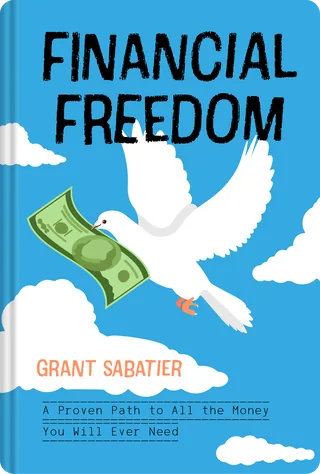
11Financial Freedom

Financial Freedom

Grant Sabatier

Accelerate financial independence by maximising income, cutting unnecessary expenses, and investing strategically to build freedom on your own timeline.

15 min

Listen to the intro

1:08

What is Financial Freedom about?

Financial Freedom (2019) offers a practical plan for reaching financial independence much faster than a traditional retirement. Grant Sabatier, who went from almost no money to financial freedom in five years, explains how to value your time, increase your income through side businesses, save more, and invest wisely. The book shows that time, not money, is our most valuable asset.

Who should read Financial Freedom?

  • Professionals who want financial independence before traditional retirement
  • Anyone looking to grow income through side businesses
  • Savers ready to cut expenses and invest wisely
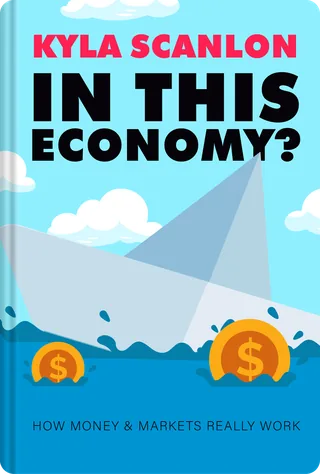
12In This Economy?

In This Economy?

Kyla Scanlon

Understand inflation, recessions, central banks, and market cycles through clear visuals that make today’s economy easier to navigate.

14 min

Listen to the intro

1:05

What is In This Economy? about?

In This Economy? (2024) explains how the economy works in clear, relatable language for a generation facing rising prices, housing costs, and uncertainty. Kyla Scanlon covers topics such as inflation, interest rates, the stock market, and the gap between economic data and how people actually feel. The book helps readers understand the forces shaping their financial lives.

Who should read In This Economy??

  • Young adults confused by rising prices and housing costs
  • Anyone who wants economic news explained in plain language
  • Beginners curious about inflation, recessions, and central banks
13Rich Dad Poor Dad

Rich Dad Poor Dad

Robert T. Kiyosaki

Learn what the rich teach their children about money, and start making your money work for you.

12 min

What is Rich Dad Poor Dad about?

Rich Dad Poor Dad (1997) contrasts the money lessons Robert Kiyosaki learned from two fathers: his highly educated but struggling father and his best friend's entrepreneurial father. Through simple stories, it explains the difference between assets and liabilities, the trap of the rat race, the value of financial literacy and why working to learn matters as much as working to earn. It became one of the best-selling personal finance books of all time.

Who should read Rich Dad Poor Dad?

  • Employees who feel stuck living paycheck to paycheck
  • Parents who want to teach their children about money
  • Anyone who wants to understand assets versus liabilities
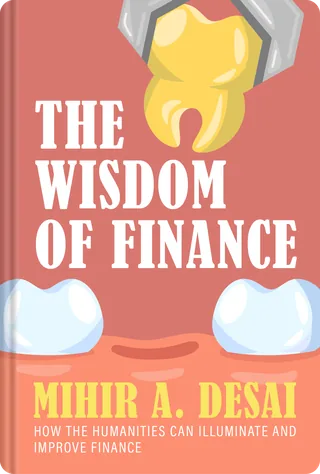
14The Wisdom of Finance

The Wisdom of Finance

Mihir Desai

See finance through literature and philosophy, revealing how risk, debt, and insurance reflect timeless questions of love, loss, trust, and identity.

26 min

Listen to the intro

1:24

What is The Wisdom of Finance about?

The Wisdom of Finance (2017) shows that the core ideas of finance can teach us about life. Mihir Desai uses stories from literature, history, film, and philosophy to explain concepts such as risk, insurance, diversification, leverage, and value. By connecting finance to everyday human experiences, he makes the subject more accessible and shows its deeper, more humane side.

Who should read The Wisdom of Finance?

  • Readers who find finance dry and intimidating
  • Finance professionals seeking deeper meaning in their work
  • Lovers of literature curious about money and risk
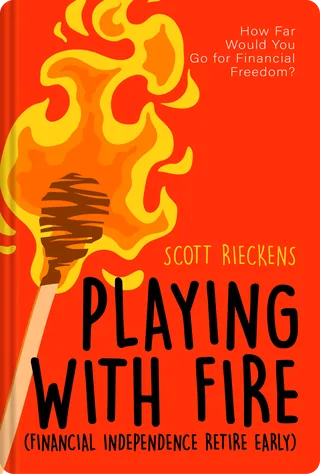
15Playing with FIRE

Playing with FIRE

Scott Rieckens

Follow one family’s journey toward financial independence through intentional spending, higher savings, and a bold rethinking of the American Dream.

15 min

Listen to the intro

1:26

What is Playing with FIRE about?

Playing with FIRE (2019) tells the story of Scott Rieckens and his family’s journey toward financial independence and early retirement, known as FIRE. After realising that their busy, expensive lifestyle was not making them happy, they cut costs, saved aggressively, and rethought what truly mattered. The book explains the principles of the FIRE movement and shares lessons from people who have pursued it.

Who should read Playing with FIRE?

  • Professionals dreaming of financial independence and early retirement
  • Families feeling trapped by busy, expensive lifestyles
  • Anyone wanting to spend intentionally and save more
16An Economist Walks into a Brothel

An Economist Walks into a Brothel

Allison Schrager

Make smarter financial and life decisions by understanding risk through surprising lessons drawn from unexpected places.

16 min

Listen to the intro

1:15

What is An Economist Walks into a Brothel about?

An Economist Walks into a Brothel (2019) explains how people can make better decisions when outcomes are uncertain and no option is completely safe. Allison Schrager examines individuals and organisations that regularly manage serious financial, professional, and personal risks, identifying principles that can be applied to business and everyday life. The book shows how understanding incentives, measuring possible losses, recognising hidden dangers, and preparing for unexpected outcomes can help people pursue opportunities without taking unnecessary risks.

Who should read An Economist Walks into a Brothel?

  • Professionals weighing risky career or financial decisions
  • Investors who want to measure and limit potential losses
  • Anyone facing uncertain choices with no perfectly safe option
17Money: A User's Guide

Money: A User's Guide

Laura Whateley

Take control of mortgages, pensions, debt, and taxes with clear guidance that reduces financial stress and supports a more secure future.

17 min

Listen to the intro

1:09

What is Money: A User's Guide about?

Money: A User's Guide (2018) is a clear, practical guide to managing personal finances for people who feel confused or anxious about money. Laura Whateley explains topics such as budgeting, debt, saving, pensions, renting and buying a home, and investing in straightforward language. The book helps readers take control of their finances and make confident decisions at every stage of life.

Who should read Money: A User's Guide?

  • Anyone who feels confused or anxious about money
  • Young adults managing their first salary and budget
  • Families planning to rent or buy a home
18The Geometry of Wealth

The Geometry of Wealth

Brian Portnoy

Redefine wealth by aligning your money with your deepest values, purpose, and the life that brings genuine fulfilment.

18 min

Listen to the intro

1:30

What is The Geometry of Wealth about?

The Geometry of Wealth (2018) asks what it really means to be wealthy and how money can support a happy life. Brian Portnoy argues that true wealth is funded contentment, having enough money to live a meaningful life on your own terms. He combines psychology and finance to show how clear purpose, adaptable priorities, and simple investment strategies can lead to lasting financial well-being.

Who should read The Geometry of Wealth?

  • Professionals who earn well but still feel unsatisfied
  • Anyone wondering how much money is truly enough
  • Beginner investors seeking a simple, purpose-driven approach
19Cryptoassets

Cryptoassets

Chris Burniske and Jack Tatar

Evaluate digital assets with proven investment tools while understanding the technology, opportunities, and risks shaping this emerging market.

20 min

Listen to the intro

1:09

What is Cryptoassets about?

Cryptoassets (2017) is a guide for investors who want to understand digital assets such as Bitcoin and Ethereum. Chris Burniske and Jack Tatar explain how these assets work, how they fit into the history of financial bubbles and innovation, and how to evaluate them with care. The book also covers risks, valuation methods, and how cryptoassets might fit into a balanced investment approach.

Who should read Cryptoassets?

  • Investors curious about Bitcoin, Ethereum and other digital assets
  • Anyone who wants to weigh crypto risks before investing
  • Financial advisors building balanced portfolios with new asset classes
20You Weren’t Supposed To See That

You Weren’t Supposed To See That

Joshua Brown

See through the investment industry’s hidden rules and market illusions to avoid behavioural traps and make smarter financial decisions.

23 min

Listen to the intro

1:07

What is You Weren’t Supposed To See That about?

You Weren’t Supposed To See That (2024) gathers investment lessons and observations developed through years of writing about financial markets. It reveals how incentives, emotions, media narratives, professional advice, and changing market conditions can influence investors, helping readers approach financial decisions with greater patience and awareness.

Who should read You Weren’t Supposed To See That?

  • Individual investors who want to avoid emotional mistakes
  • Anyone who relies on financial advisors or market news
  • Beginners building long-term saving and investing habits

Related topics

Questions about Personal Finance

What is a good book to start with on personal finance?

Money: A User's Guide is a clear starting point, covering debt, savings, taxes and planning in plain language. If you prefer a step-by-step approach, From Here to Financial Happiness breaks the journey into small, practical actions.

What will I learn from personal finance books?

You will learn how to manage debt, build savings, invest with discipline and understand the habits and biases that drive your money decisions. Titles such as Everyday Millionaires and The Laws of Wealth show how patience and rational choices build lasting security.

Who are these summaries for?

They suit anyone who wants more control over their money, whether a young professional starting out, a parent planning for the family or someone preparing for retirement. Each summary gives the core ideas in about fifteen minutes so you can act on them quickly.

Get the key ideas from the world's best books in about 15 minutes

Free account · One free summary every day