Get started

Topic

The best 8 Visual Thinking summaries

Visual thinking is the habit of understanding ideas through images, patterns, diagrams and close observation, a skill that matters more than ever for readers in the region who handle data, design and fast-changing economies in their studies and work. The books here range from explorations of how visual minds solve problems to practical guides on charting data, reading the economy through clear graphics, recognising patterns on the chessboard and raising curious, observant children. With these ideas you can present information more clearly, notice what others miss, and approach problems at home, school and work with fresh creativity.

1How to Think Like Leonardo da Vinci

How to Think Like Leonardo da Vinci

Michael Gelb

Think like Leonardo da Vinci by sharpening your curiosity, observation, and creativity through practical exercises for everyday life.

21 min

Listen to the intro

1:13

What is How to Think Like Leonardo da Vinci about?

How to Think Like Leonardo da Vinci (1998) turns the habits of one of history’s greatest minds into practical lessons for everyday life. Michael Gelb presents seven principles drawn from Leonardo’s life and notebooks, including endless curiosity, learning from experience, sharpening the senses, embracing uncertainty, balancing art and science, caring for the body, and seeing connections. Exercises help readers apply each principle to boost creativity.

Who should read How to Think Like Leonardo da Vinci?

  • Creative professionals looking to spark fresh ideas
  • Lifelong learners who want to sharpen their curiosity
  • Anyone wanting to bridge art and science in their thinking
2The Call of the Wild and Free

The Call of the Wild and Free

Ainsley Arment

Nurture confident, joyful learners through curiosity, play, nature, and a freer approach to education.

15 min

Listen to the intro

1:06

What is The Call of the Wild and Free about?

The Call of the Wild and Free (2019) presents a joyful, nature-centred approach to children’s learning. Ainsley Arment encourages parents to nurture curiosity through outdoor exploration, reading, play, and hands-on discovery rather than rigid routines. The book offers practical ideas for creating a home environment where children can learn with freedom and wonder.

Who should read The Call of the Wild and Free?

  • Parents considering homeschooling for their children
  • Families seeking a gentler alternative to rigid schooling
  • Anyone wanting to spark children's curiosity through nature
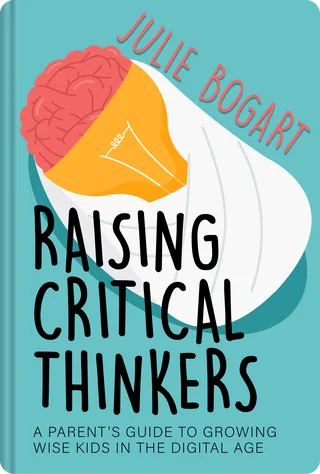
3Raising Critical Thinkers

Raising Critical Thinkers

Julie Bogart

Raise thoughtful children who question confidently, evaluate information clearly, and approach difficult issues with compassion and respect.

17 min

Listen to the intro

1:15

What is Raising Critical Thinkers about?

Raising Critical Thinkers (2022) gives parents practical ways to help children think for themselves in a world full of information and opinions. Julie Bogart explains how to encourage curiosity, help kids examine their own assumptions, understand different viewpoints, and evaluate sources carefully. With activities for different ages, the book shows how everyday conversations, reading, and play can build strong thinking skills.

Who should read Raising Critical Thinkers?

  • Parents who want children to think for themselves
  • Teachers helping students evaluate information and sources wisely
  • Families seeking everyday activities that build thinking skills
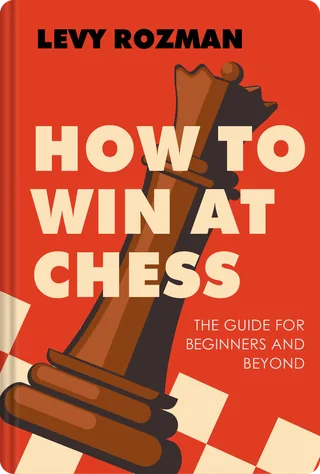
4How to Win at Chess

How to Win at Chess

Levy Rozman

Master chess by recognising patterns, applying key tactics, and developing the focus and strategic intuition needed to win confidently.

20 min

Listen to the intro

1:42

What is How to Win at Chess about?

How to Win at Chess (2023) is a friendly, practical guide for anyone who wants to learn chess or improve their game. Levy Rozman explains the rules, key strategies, common openings, tactics, and endgames in clear language, with plenty of diagrams and tips from his experience as a coach. The book helps beginners and intermediate players think more clearly on the board and enjoy the game more.

Who should read How to Win at Chess?

  • Beginners who want to learn chess from scratch
  • Intermediate players looking to sharpen tactics and openings
  • Anyone who wants sharper focus and strategic thinking
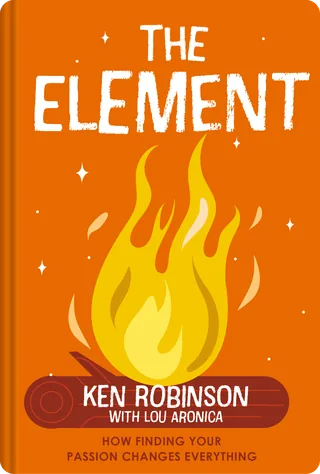
5The Element

The Element

Ken Robinson, with Lou Aronica

Find where your natural talents meet your deepest passions to unlock greater creativity, confidence, purpose, and potential.

19 min

Listen to the intro

1:28

What is The Element about?

The Element (2009) explores what happens when people find their element, the place where natural talent meets personal passion. Ken Robinson shares stories of well-known people who discovered their calling, often after struggling in school, and explains how education systems can overlook creativity and different kinds of intelligence. The book encourages readers of all ages to discover their strengths and pursue what truly inspires them.

Who should read The Element?

  • Anyone searching for work that feels truly meaningful
  • Parents and teachers who want to nurture hidden talents
  • Students who feel school overlooks their real strengths
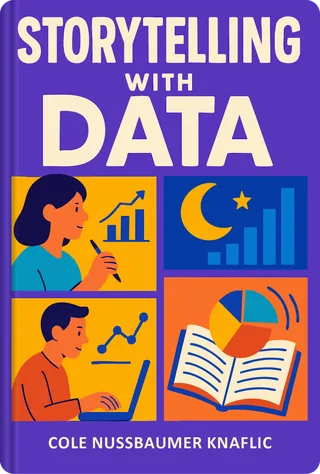
6Storytelling with Data

Storytelling with Data

Cole Nussbaumer Knaflic

Turn data into compelling stories with clear visuals that focus attention, reveal insights, and inspire confident action.

12 min

Listen to the intro

0:54

What is Storytelling with Data about?

Storytelling with Data (2015) teaches how to turn numbers into clear, convincing visual stories. Cole Nussbaumer Knaflic shows how to understand your audience, choose the right chart, remove clutter, direct attention to what matters most, and build a message that leads to action. With many before-and-after examples, the book has become a go-to guide for analysts, managers, and anyone who presents data.

Who should read Storytelling with Data?

  • Analysts whose charts get overlooked in meetings
  • Managers who present numbers to leadership or clients
  • Anyone who builds reports and slides from data
7In This Economy?

In This Economy?

Kyla Scanlon

Understand inflation, recessions, central banks, and market cycles through clear visuals that make today’s economy easier to navigate.

14 min

Listen to the intro

1:05

What is In This Economy? about?

In This Economy? (2024) explains how the economy works in clear, relatable language for a generation facing rising prices, housing costs, and uncertainty. Kyla Scanlon covers topics such as inflation, interest rates, the stock market, and the gap between economic data and how people actually feel. The book helps readers understand the forces shaping their financial lives.

Who should read In This Economy??

  • Young adults confused by rising prices and housing costs
  • Anyone who wants economic news explained in plain language
  • Beginners curious about inflation, recessions, and central banks
8Visual Thinking

Visual Thinking

Temple Grandin

Unlock the power of visual thinking and see how different minds fuel creativity, innovation, and smarter problem-solving.

16 min

Listen to the intro

1:00

What is Visual Thinking about?

Visual Thinking (2022) explores how some people think mainly in pictures and patterns rather than words, and why society often overlooks them. Temple Grandin distinguishes object visualisers, spatial visualisers, and verbal thinkers, and shows how schools, workplaces, and industries lose talent when they reward only one kind of mind. The book argues that bringing different ways of thinking together leads to better engineering, safer infrastructure, and more creative problem-solving.

Who should read Visual Thinking?

  • Teachers and parents of children who think in pictures
  • Managers who want teams that combine diverse minds
  • Engineers and designers who solve problems through images

Related topics

Questions about Visual Thinking

What is a good book to start with on visual thinking?

Visual Thinking is a natural starting point, as it explains how people who think in pictures contribute to creativity and problem-solving. If you want something hands-on, How to Think Like Leonardo da Vinci offers everyday exercises to sharpen observation and curiosity.

What will I learn from visual thinking books?

You will learn how to see patterns, turn complex information into clear images, and use observation as a tool for better decisions. Storytelling with Data shows how to build charts that highlight what matters, while In This Economy? uses visuals to make inflation and market cycles easier to grasp.

Who are these summaries for?

They suit students, professionals who present data or ideas, and anyone who learns best by seeing rather than reading long explanations. Parents and teachers will also benefit from titles like Raising Critical Thinkers and The Call of the Wild and Free, which focus on nurturing curious, observant learners.

Get the key ideas from the world's best books in about 15 minutes

Free account · One free summary every day